Hydatid Cyst Liver
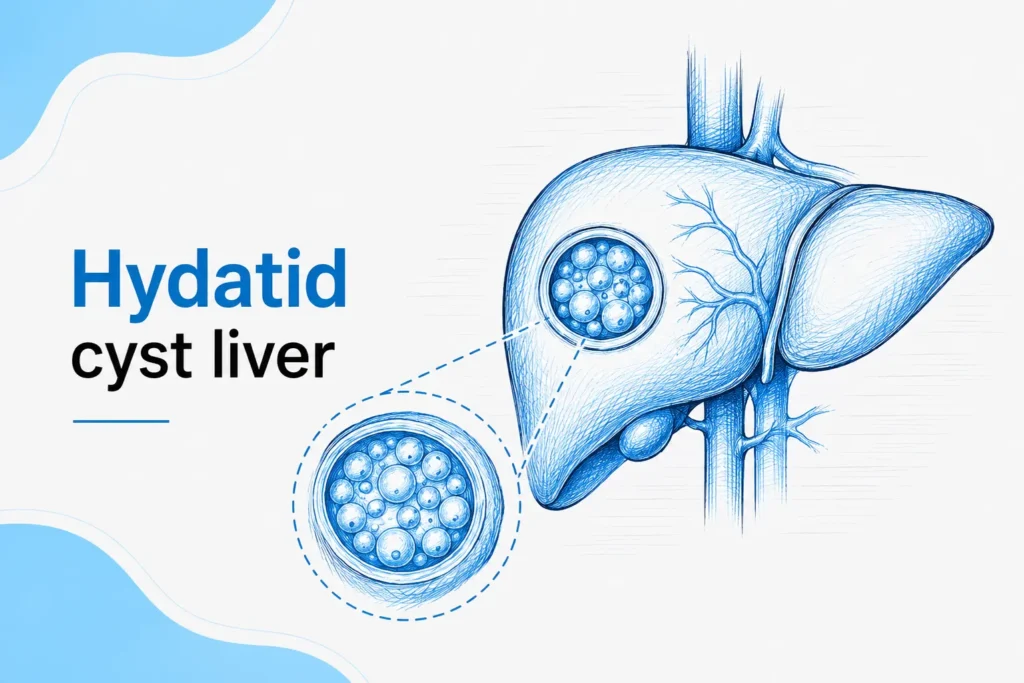
BMI Calculator +91 9820062040 | +91 8356977265 enquiry@thedigestive.in Digestive Health Institute by Dr. Muffi Digestive Health Institute by Dr. Muffi Hydatid Cyst Liver: Symptoms, Causes, Diagnosis, Treatment & Surgery A hydatid cyst liver is a fluid-filled cyst caused by infection with the parasite Echinococcus granulosus. Although this condition is relatively uncommon, it remains an important health concern in regions where livestock farming is common, including parts of India. The liver is the organ most frequently affected because it acts as the body’s first filter for parasites that enter the bloodstream after ingestion. Many people with a hydatid cyst liver do not experience symptoms for years because these cysts grow slowly. However, as the cyst enlarges, it can cause abdominal pain, nausea, swelling, jaundice, or serious complications such as rupture or infection. Early diagnosis and timely treatment are essential to prevent these complications and preserve liver function. Treatment depends on several factors, including the size and location of the cyst, the presence of symptoms, and whether complications have developed. Depending on the case, management may include medications, minimally invasive procedures, or surgery. In this guide, you’ll learn everything you need to know about hydatid cyst liver, including its causes, symptoms, diagnosis, treatment options, recovery, and when to seek medical care. What Is a Hydatid Cyst Liver? A hydatid cyst liver is a parasitic cyst that develops when the larval stage of the tapeworm Echinococcus granulosus becomes trapped in the liver and forms a fluid-filled sac. The parasite has a complex life cycle involving dogs and livestock such as sheep, goats, and cattle. Humans become accidental hosts when they swallow microscopic parasite eggs through contaminated food, water, or contact with infected animals. Once inside the body, the eggs hatch in the intestine, penetrate the intestinal wall, and travel through the bloodstream. Since the liver filters blood coming from the digestive tract, it traps many of these larvae, making it the most commonly affected organ. Over time, the larvae develop into cysts that may continue growing slowly for several years. What Causes a Hydatid Cyst in the Liver? The primary cause of a hydatid cyst liver is infection with Echinococcus granulosus. People become infected by accidentally ingesting parasite eggs, which may be present on: Unwashed fruits and vegetables Contaminated drinking water Soil contaminated with infected dog feces Hands after handling infected dogs Food prepared in unhygienic conditions The disease is more common among individuals who: Live in rural or farming communities Work with livestock Own sheepdogs or farm dogs Have close contact with animals that may carry the parasite Consume contaminated food or water Importantly, a hydatid cyst liver cannot spread from one person to another. Human infection occurs only through exposure to parasite eggs in the environment. How Does a Hydatid Cyst Develop? After the parasite enters the body, several stages occur before symptoms appear. Parasite eggs are swallowed. Eggs hatch in the small intestine. Larvae enter the bloodstream. The liver traps the larvae. A fluid-filled cyst slowly develops. The cyst enlarges over months or years. Because the cyst grows gradually, many patients remain symptom-free until it reaches a significant size. Symptoms of Hydatid Cyst Liver The symptoms of a hydatid cyst liver depend on the size, location, and number of cysts. Small cysts are often discovered incidentally during imaging performed for unrelated reasons. As the cyst enlarges, symptoms may include: Pain or discomfort in the upper right side of the abdomen A feeling of fullness after eating small meals Nausea or vomiting Loss of appetite Abdominal swelling Fatigue Mild fever if the cyst becomes infected In some cases, pressure on nearby structures can lead to: Jaundice (yellowing of the skin and eyes) Dark-colored urine Pale stools Itching caused by bile duct obstruction If a hydatid cyst liver ruptures, it can trigger a severe allergic reaction, which is a medical emergency. Symptoms may include: Sudden severe abdominal pain Difficulty breathing Skin rash or hives Dizziness Low blood pressure Anaphylaxis Anyone experiencing these symptoms should seek immediate medical attention. Is a Hydatid Cyst Liver Dangerous? Although many cases remain stable for years, a hydatid cyst liver can become dangerous if left untreated. Potential complications include: Cyst Rupture: A ruptured cyst can release parasitic material into the abdominal cavity, increasing the risk of recurrence and severe allergic reactions. Infection: The cyst may become infected, resulting in an abscess that requires urgent treatment. Bile Duct Obstruction: A growing cyst may compress or rupture into the bile ducts, leading to jaundice and infection. Pressure on Nearby Organs: Large cysts can press against the stomach, diaphragm, or nearby blood vessels, causing discomfort and digestive symptoms. Recurrence: Without appropriate treatment and follow-up, hydatid disease may recur. Fortunately, with modern diagnosis and treatment, the outlook for most patients is excellent. How Is Hydatid Cyst Liver Diagnosed? Doctors diagnose a hydatid cyst liver using a combination of medical history, physical examination, laboratory tests, and imaging studies. Medical History Your doctor may ask about: Residence in rural areas Contact with dogs or livestock Previous hydatid disease Travel history Current symptoms Physical Examination Large cysts may sometimes cause: Tenderness in the upper abdomen Enlarged liver Abdominal swelling However, many patients have a normal physical examination, especially during the early stages. Ultrasound Ultrasound is usually the first imaging test performed. It can identify: Size of the cyst Number of cysts Internal daughter cysts Calcification Signs of complications Ultrasound is safe, widely available, and highly effective for evaluating liver cysts. CT Scan A CT scan provides more detailed information about: Exact location Relationship to blood vessels Bile duct involvement Multiple cysts Surgical planning CT imaging is especially useful before surgery or minimally invasive treatment. MRI Scan MRI may be recommended in selected patients when doctors need a better assessment of bile duct involvement or complex liver anatomy. How Is Hydatid Cyst Liver Diagnosed? Blood Tests Along with imaging, doctors may recommend blood tests to support the diagnosis of a hydatid cyst liver. Serological tests look for antibodies against Echinococcus parasites. A positive result
Which Surgery is best for Uterus Removal
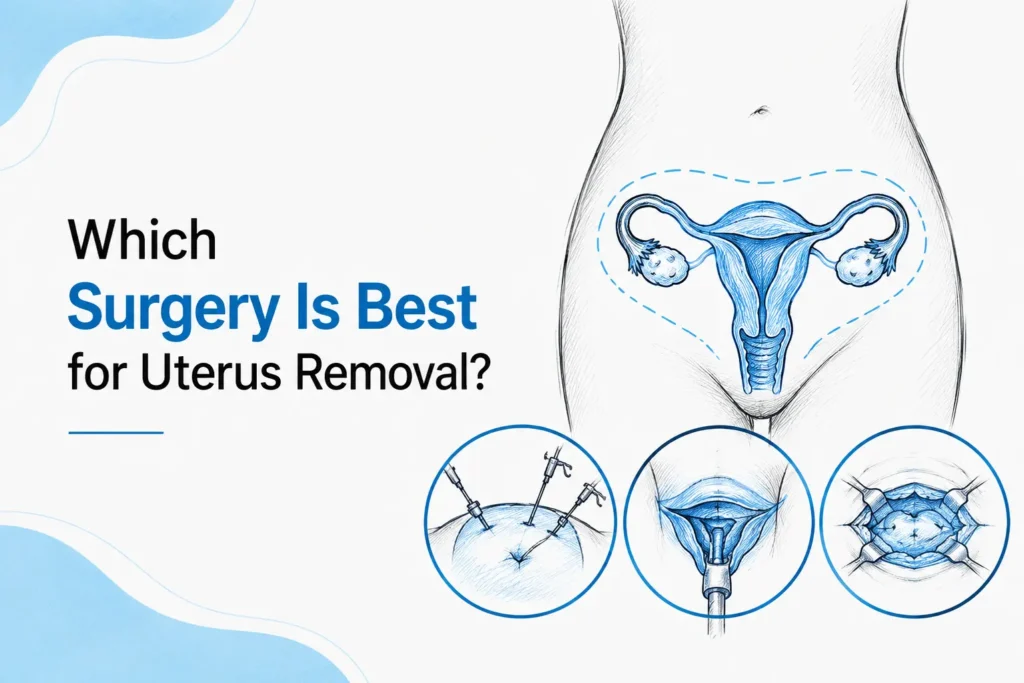
BMI Calculator +91 9820062040 | +91 8356977265 enquiry@thedigestive.in Digestive Health Institute by Dr. Muffi Digestive Health Institute by Dr. Muffi Which Surgery Is Best for Uterus Removal? A Complete Guide to Choosing the Right Hysterectomy Procedure If your doctor has recommended a hysterectomy, one of the first questions that may come to mind is: which surgery is best for uterus removal? The answer depends on several factors, including your medical condition, the size of your uterus, previous surgeries, your overall health, and your surgeon’s expertise. Today, advancements in minimally invasive surgery have made uterus removal safer, less painful, and associated with quicker recovery for many women. However, there is no single procedure that is the best for everyone. In this guide, we’ll explain which surgery is best for uterus removal, compare the different hysterectomy techniques, discuss their advantages and disadvantages, recovery timelines, and help you understand how doctors choose the most suitable option. What Is Uterus Removal Surgery? Uterus removal surgery is medically known as a hysterectomy. There are different types of hysterectomy, and the right approach depends on the patient’s condition and overall health. Doctors recommend hysterectomy only when other treatments have not worked or when surgery is the safest option. Common reasons include: Large uterine fibroids Adenomyosis Endometriosis Heavy menstrual bleeding Uterine prolapse Chronic pelvic pain Uterine cancer Cervical cancer Ovarian cancer (in selected cases) Many patients ask which surgery is best for uterus removal because the available procedures vary in recovery time, scars, risks, and suitability. Which Surgery Is Best for Uterus Removal? The best surgery depends on your diagnosis and individual health. Before comparing procedures, it’s helpful to understand the difference between surgery and operation, as these terms are often used interchangeably. Smaller incisions Less pain Lower blood loss Shorter hospital stay Faster recovery Reduced risk of infection Better cosmetic results The main surgical options include: Laparoscopic hysterectomy Robotic hysterectomy Vaginal hysterectomy Abdominal hysterectomy Let’s understand each one. 1. Laparoscopic Hysterectomy For many women, laparoscopic hysterectomy is considered one of the best answers to which surgery is best for uterus removal. During this procedure, the surgeon makes small keyhole incisions and inserts a camera and specialized surgical instruments. Benefits Tiny scars Less postoperative pain Faster recovery Reduced blood loss Short hospital stay Lower infection risk Recovery Most women return to daily activities within 2–4 weeks, depending on their overall health. Best For Fibroids Adenomyosis Endometriosis Heavy bleeding Early-stage gynecological conditions 2. Robotic-Assisted Hysterectomy Robotic surgery is an advanced form of minimally invasive surgery that allows surgeons to perform complex hysterectomy procedures with greater precision. If you’re wondering which surgery is best for uterus removal in complex cases, robotic surgery may be recommended because it offers excellent precision. The surgeon controls robotic instruments while viewing a magnified 3D image. Advantages Highly precise movements Better visualization Minimal bleeding Smaller incisions Faster recovery Useful for difficult surgeries Best For Obesity Complex endometriosis Large fibroids Previous abdominal surgeries 3. Vaginal Hysterectomy A vaginal hysterectomy removes the uterus through the vagina without making external abdominal cuts. Many medical organizations consider vaginal hysterectomy the preferred approach whenever feasible. Advantages No visible scars Less pain Short hospital stay Quick recovery Lower complication rates Best For Uterine prolapse Smaller uterus Non-cancerous conditions However, it may not be suitable if the uterus is very large or if extensive pelvic disease is present. 4. Abdominal Hysterectomy An abdominal hysterectomy involves a larger incision across the lower abdomen. Although it requires a longer recovery, it remains necessary in certain situations. Doctors may recommend it for: Very large fibroids Advanced cancer Extensive scar tissue Severe endometriosis Emergency surgery Recovery Recovery generally takes 6–8 weeks. Although it involves more discomfort than minimally invasive techniques, it is still the safest option in some cases. Who Is a Good Candidate for Each Type of Hysterectomy? One of the most important factors in deciding which surgery is best for uterus removal is whether a patient is a good candidate for a specific procedure. Doctors generally consider: Surgery Type Best Candidate Vaginal hysterectomy Women with uterine prolapse or a smaller uterus Laparoscopic hysterectomy Women with fibroids, adenomyosis, or endometriosis Robotic hysterectomy Women with obesity, previous surgeries, or complex pelvic disease Abdominal hysterectomy Women with very large fibroids, advanced cancer, or extensive scar tissue Comparison of Uterus Removal Surgeries Surgery Type Incision Hospital Stay Recovery Pain Level Vaginal None externally 1–2 days 2–4 weeks Low Laparoscopic Small 1–2 days 2–4 weeks Low Robotic Small 1–2 days 2–4 weeks Low Abdominal Large 3–5 days 6–8 weeks Higher Factors That Determine Which Surgery Is Best for Uterus Removal There isn’t a universal answer to which surgery is best for uterus removal. Doctors evaluate several factors before recommending the most appropriate approach. These include: Size of the Uterus: Large fibroids or an enlarged uterus may require robotic or abdominal surgery. Reason for Surgery: Cancer treatment often requires a different surgical approach than fibroids or heavy bleeding. Previous Surgeries: Scar tissue from earlier operations may influence the surgical technique. Body Weight: Some obese patients benefit from robotic surgery because of improved surgical access. Age and Overall Health: Medical conditions such as heart disease or diabetes may affect the choice of surgery. Surgeon’s Experience: Outcomes are generally better when the surgeon is highly experienced with the chosen technique. Is Laparoscopic Surgery Better Than Open Surgery? For most benign conditions, studies show that laparoscopic surgery offers several advantages over open abdominal surgery. These include: Less postoperative pain Reduced blood loss Lower infection risk Earlier walking Faster return to work Smaller scars However, open surgery remains the safest choice for certain complex medical situations. Risks of Uterus Removal Surgery Like any major operation, hysterectomy carries some risks. Possible complications include: Bleeding Infection Blood clots Injury to the bladder Injury to the bowel Urinary tract injury Anesthesia-related complications Pelvic pain Rare need for repeat surgery Although uncommon, some women may experience unexpected symptoms years later. Learn more about bleeding 10 years after a hysterectomy and when it requires medical evaluation. Recovery
Is gallbladder wall thickening dangerous
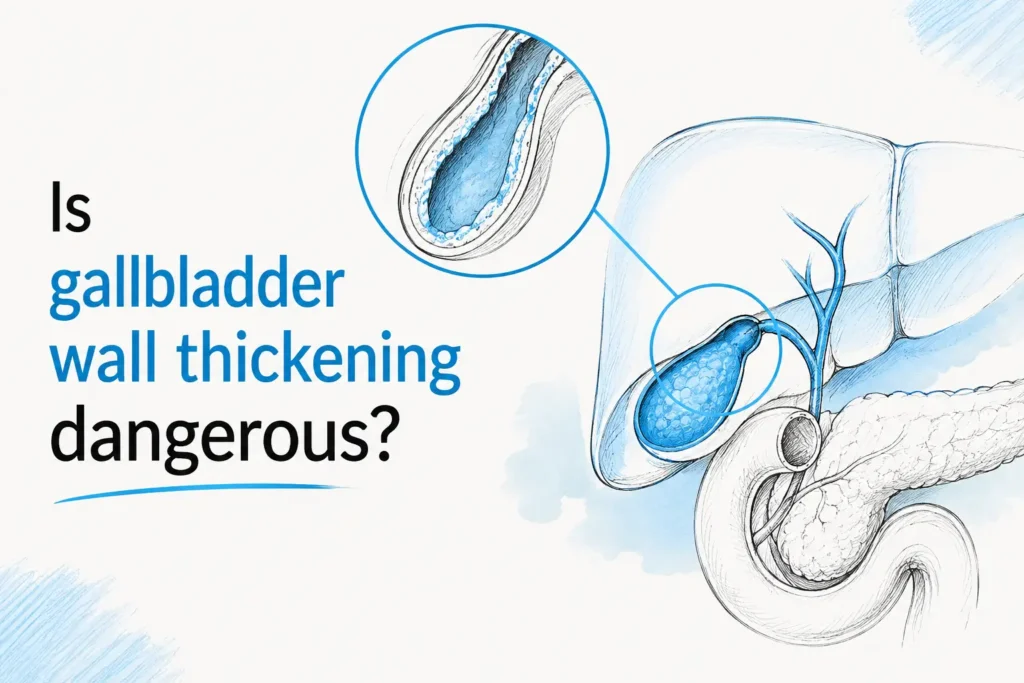
BMI Calculator +91 9820062040 | +91 8356977265 enquiry@thedigestive.in Digestive Health Institute by Dr. Muffi Digestive Health Institute by Dr. Muffi Is Gallbladder Wall Thickening Dangerous? If your ultrasound report mentions gallbladder wall thickening, it’s natural to feel concerned. Many patients immediately wonder: Is gallbladder wall thickening dangerous? The answer depends on the underlying cause. Gallbladder wall thickening is not a disease itself but a sign that something may be affecting the gallbladder. In some cases, it is caused by inflammation due to gallstones, while in others it may be related to liver disease, infection, heart failure, or other medical conditions. While mild gallbladder wall thickening may not be dangerous, significant thickening associated with symptoms often requires medical evaluation. Quick Answer: Is Gallbladder Wall Thickening Dangerous? Finding Risk Level Mild thickening without symptoms Usually low risk Thickening with gallstones Moderate to high risk Thickening with infection Potentially serious Thickening causing severe pain Requires prompt medical evaluation Thickening associated with suspected cancer Serious Key Takeaway: Gallstones are one of the most common causes of gallbladder wall thickening. Larger stones may increase the risk of inflammation and blockage. Learn more about which size of gallbladder stone is considered dangerous and how stone size can affect treatment decisions. What Is Gallbladder Wall Thickening? The gallbladder is a small organ located beneath the liver that stores bile. Normally, the gallbladder wall is thin. Normal vs Thickened Gallbladder Wall Gallbladder Wall Measurement Interpretation Less than 3 mm Generally normal More than 3 mm Considered thickened Significantly thickened May indicate underlying disease What Causes Gallbladder Wall Thickening? There are many possible causes. Common Causes of Gallbladder Wall Thickening Cause How It Affects the Gallbladder Gallstones Can trigger inflammation Acute cholecystitis Causes swelling and thickening Chronic cholecystitis Long-term inflammation Liver disease May cause fluid accumulation Heart failure Can lead to gallbladder wall edema Kidney disease Fluid retention may contribute Infections Cause inflammation Gallbladder cancer Rare but important cause Is Gallbladder Wall Thickening Dangerous With Gallstones? One of the most common reasons people ask “Is gallbladder wall thickening dangerous?” is because their ultrasound shows both gallstones and a thickened gallbladder wall. Gallstones + Wall Thickening Ultrasound Finding What It May Mean Gallstones only May be asymptomatic Gallstones + wall thickening Suggests inflammation Gallstones + thickening + pain May indicate acute cholecystitis Gallstones + fever Possible infection When gallstones block bile flow, inflammation can cause the gallbladder wall to thicken. In patients with larger gallstones, the risk of recurrent inflammation and gallbladder attacks may be higher. For example, a 15 mm gallbladder stone often requires careful evaluation to determine whether surgery is necessary. Symptoms That May Indicate a Serious Problem Seek Medical Attention If You Have: Symptom Possible Cause Severe upper abdominal pain Gallbladder attack Fever Infection Chills Acute inflammation Nausea and vomiting Gallbladder disease Yellow skin or eyes Bile duct blockage Persistent tenderness Gallbladder inflammation These symptoms suggest the thickening may be associated with an active disease process. How Is Gallbladder Wall Thickening Diagnosed? Doctors usually identify gallbladder wall thickening through imaging tests. Common Diagnostic Tests Test Purpose Ultrasound First-line imaging test CT scan Evaluates complications MRI/MRCP Examines bile ducts Blood tests Detect infection or inflammation Liver function tests Assess bile flow Treatment for Gallbladder Wall Thickening If gallstones are causing gallbladder wall thickening, surgery is not always the first option. Some patients explore whether gallbladder stones can be removed without surgery, depending on the size of the stones and the severity of symptoms. Treatment Options Cause Possible Treatment Gallstones Observation or surgery Acute cholecystitis Antibiotics and surgery Infection Antibiotics Liver disease Treat underlying condition Heart failure Manage fluid retention Cancer Specialist treatment Conclusion So, is gallbladder wall thickening dangerous? The answer depends on why the gallbladder wall has become thickened. Mild thickening may not be serious, but when accompanied by gallstones, pain, fever, or signs of infection, it may indicate a condition that requires prompt medical attention. An ultrasound finding of gallbladder wall thickening should always be interpreted alongside symptoms, blood tests, and other imaging results to determine the appropriate treatment. FAQ 1. Is gallbladder wall thickening dangerous? It can be dangerous if caused by infection, inflammation, obstruction, or cancer. The level of risk depends on the underlying cause. 2. Can gallbladder wall thickening go away? Yes. In some cases, treating the underlying condition can reduce the thickening. 3. Can symptoms occur even after gallbladder removal? Yes. Although gallbladder removal usually resolves gallstone-related problems, some patients may experience discomfort or abdominal pain afterward. Learn more about pain in the right side years after gallbladder removal and the possible causes. 4. What is a normal gallbladder wall thickness? A gallbladder wall measuring less than 3 mm is generally considered normal. 5. Does gallbladder wall thickening always mean gallstones? No. It can also occur due to liver disease, heart failure, infection, and other conditions. 6. Can gallbladder wall thickening be treated without surgery? Yes, depending on the cause. Some cases respond to medical treatment, while others require surgery. Medical Disclaimer This article is for educational purposes only and should not replace professional medical advice, diagnosis, or treatment. Symptoms and treatment approaches may vary between individuals. Please consult a qualified healthcare professional for personalized medical guidance. Share This Post Is gallbladder wall thickening dangerous 15 mm stone in gallbladder Is ibs a disability which size of gallbladder stone is dangerous Will constipation make you gain weight? Is Rice Healthy for Weight Loss Is indian food healthy Can a hernia burst and kill you?
15 mm stone in gallbladder

BMI Calculator +91 9820062040 | +91 8356977265 enquiry@thedigestive.in Digestive Health Institute by Dr. Muffi Digestive Health Institute by Dr. Muffi 15 mm stone in gallbladder: Is It Dangerous and Does It Need Treatment? If your ultrasound report mentions a 15 mm stone in gallbladder, you may be wondering whether it is serious and whether surgery is necessary. A 15 mm stone in gallbladder is considered a moderately large gallstone. While it may not always cause symptoms, it can lead to pain, inflammation, infection, and other complications if it blocks the flow of bile. The need for treatment depends on factors such as symptoms, location of the stone, and overall gallbladder health. Quick Answer: Is a 15 mm Stone in Gallbladder Dangerous? Question Answer Is a 15 mm stone considered large? Yes, moderately large Can a 15 mm stone cause pain? Yes Does every 15 mm stone require surgery? No Can it cause complications? Yes Should you consult a doctor? Yes Key Takeaway: A 15 mm stone in gallbladder can cause symptoms and complications, especially if it blocks bile flow or triggers gallbladder inflammation. What Does a 15 mm Gallstone Mean? Gallstones vary greatly in size. A 15 mm stone in gallbladder measures approximately 1.5 centimeters. Gallstone Size Comparison Gallstone Size Classification Less than 5 mm Small 5–10 mm Medium 10–20 mm Moderately Large More than 20 mm Large More than 30 mm Very Large A 15 mm stone in gallbladder falls within the moderately large category. Can a 15 mm Stone in Gallbladder Cause Symptoms? Yes. Many people with a 15 mm stone in gallbladder experience symptoms, although some remain symptom-free for years. Common Symptoms Symptom Description Upper right abdominal pain Often occurs after meals Nausea Common during gallbladder attacks Vomiting May accompany severe pain Bloating Especially after fatty foods Indigestion Frequent digestive discomfort Back or shoulder pain Pain may radiate to the right shoulder When Is a 15 mm Stone in Gallbladder Considered Dangerous? The size alone does not determine risk. A 15 mm stone in gallbladder becomes more concerning when it causes: Recurrent pain Gallbladder inflammation Bile duct obstruction Infection Pancreatitis Jaundice Does a 15 mm Stone in Gallbladder Need Surgery? Not always. Doctors consider several factors before recommending surgery. Conclusion A 15 mm stone in gallbladder is a moderately large gallstone that may cause pain, inflammation, and other complications if left untreated. While some people remain symptom-free, others may experience recurrent gallbladder attacks or more serious problems such as infection and bile duct obstruction. If you have a 15 mm stone in gallbladder and are experiencing symptoms, consult a gastroenterologist or surgeon to determine the most appropriate treatment plan. Medical Disclaimer This article is for educational purposes only and should not replace professional medical advice, diagnosis, or treatment. Symptoms and treatment approaches may vary between individuals. Please consult a qualified healthcare professional for personalized medical guidance. Share This Post 15 mm stone in gallbladder Is ibs a disability which size of gallbladder stone is dangerous Will constipation make you gain weight? Is Rice Healthy for Weight Loss Is indian food healthy Can a hernia burst and kill you? Is it normal to have pain months after hernia surgery?
Is ibs a disability
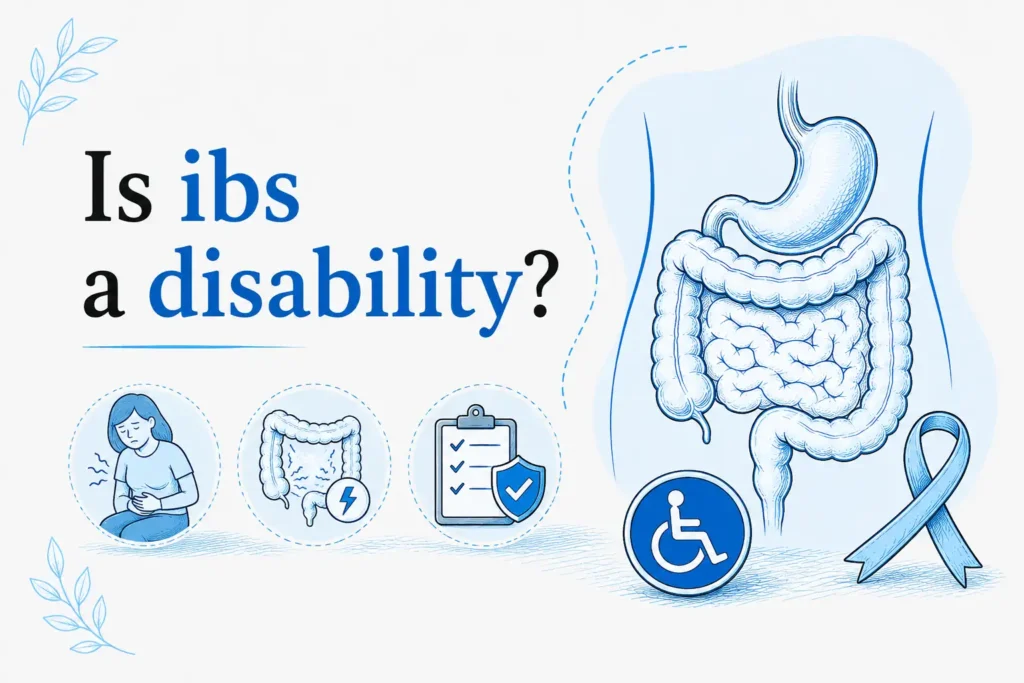
BMI Calculator +91 9820062040 | +91 8356977265 enquiry@thedigestive.in Digestive Health Institute by Dr. Muffi Digestive Health Institute by Dr. Muffi Is IBS a Disability? When Irritable Bowel Syndrome May Qualify as a Disability If you have Irritable Bowel Syndrome (IBS), you may wonder: Is IBS a disability? The answer is sometimes. IBS is generally considered a chronic digestive disorder rather than a disability. However, in some cases, severe IBS can substantially limit daily activities, work performance, and quality of life. When symptoms are severe and long-lasting, IBS may qualify as a disability under certain laws or disability benefit programs. Understanding when IBS may be considered a disability can help patients access workplace accommodations, legal protections, and support when needed. Quick Answer: Is IBS a Disability? Question Answer Is IBS a medical condition? Yes Is IBS automatically considered a disability? No Can severe IBS be considered a disability? Yes, in some circumstances Can IBS affect your ability to work? Yes Can people with IBS request workplace accommodations? Often yes Key Takeaway: IBS is not automatically classified as a disability, but severe symptoms that significantly limit daily activities or work may qualify for disability protections or benefits. What Is IBS? Irritable Bowel Syndrome (IBS) is a common disorder that affects the digestive system, particularly the large intestine. Common symptoms include: Abdominal pain Cramping Bloating Diarrhea Constipation Alternating diarrhea and constipation Urgent bowel movements Excessive gas IBS is a chronic condition, meaning symptoms may come and go for months or years. When Can IBS Be Considered a Disability? The question “Is IBS a disability?” depends largely on how severely the condition affects a person’s daily functioning. IBS may be considered a disability if it: Significantly limits major life activities Prevents regular work attendance Requires frequent restroom access Causes chronic pain Results in severe fatigue Interferes with social or daily activities How Severe Must IBS Be? Severity Level Impact on Daily Life Mild IBS Occasional symptoms with little disruption Moderate IBS Regular symptoms affecting comfort and productivity Severe IBS Frequent symptoms that interfere with work, travel, and daily activities How IBS Can Affect Daily Life Severe IBS may impact: Employment: Frequent symptoms may lead to missed workdays and reduced productivity. Travel: Many people avoid travel due to concerns about restroom availability. Social Activities: Symptoms can cause embarrassment and avoidance of social situations. Mental Health: IBS is often associated with increased stress, anxiety, and reduced quality of life. Treatment Options for IBS Although IBS has no cure, symptoms can often be managed. Lifestyle Changes Regular exercise Stress reduction Adequate sleep Dietary Modifications Low-FODMAP diet under guidance Increased fiber in some patients Avoiding trigger foods Medications Antispasmodics Laxatives Anti-diarrheal medications Certain antidepressants Conclusion So, is IBS a disability? The answer depends on the severity of symptoms and how much they affect daily life. IBS is not automatically considered a disability, but severe cases that significantly limit work, mobility, or normal activities may qualify for disability protections, accommodations, or benefits. If IBS symptoms are affecting your quality of life, speak with a healthcare professional for proper diagnosis, treatment, and documentation of your condition. Medical Disclaimer This article is for educational purposes only and should not replace professional medical advice, diagnosis, or treatment. Symptoms and treatment approaches may vary between individuals. Please consult a qualified healthcare professional for personalized medical guidance. Share This Post Is ibs a disability which size of gallbladder stone is dangerous Will constipation make you gain weight? Is Rice Healthy for Weight Loss Is indian food healthy Can a hernia burst and kill you? Is it normal to have pain months after hernia surgery? 10 Signs of an Unhealthy Gut
which size of gallbladder stone is dangerous
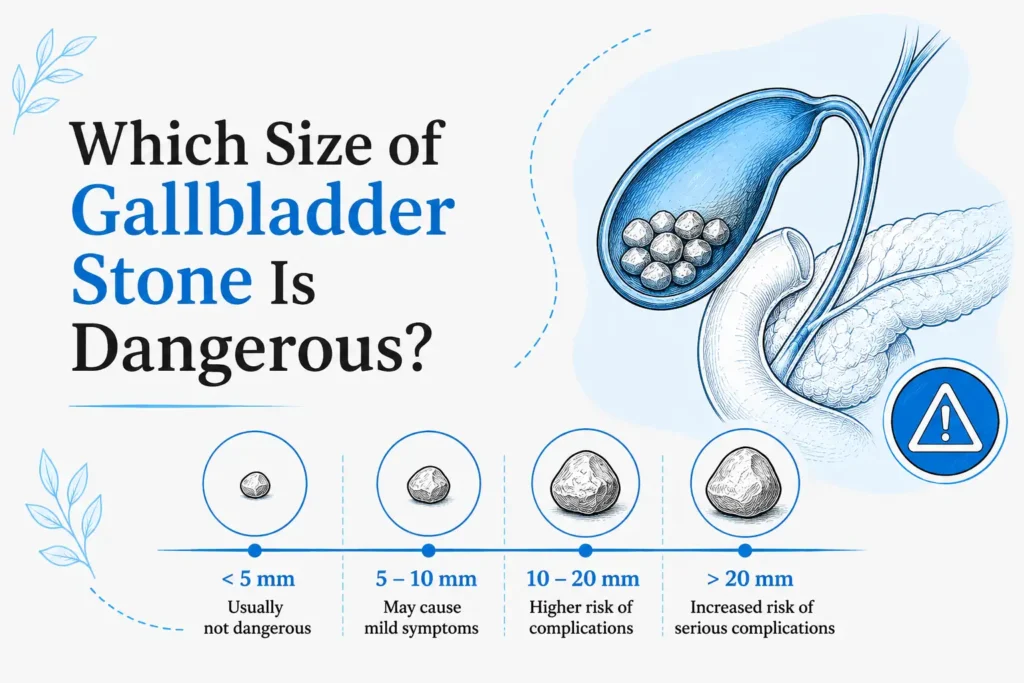
BMI Calculator +91 9820062040 | +91 8356977265 enquiry@thedigestive.in Digestive Health Institute by Dr. Muffi Digestive Health Institute by Dr. Muffi Which Size of Gallbladder Stone Is Dangerous? Understanding Risks Based on Stone Size Gallstones are one of the most common digestive conditions, affecting millions of people worldwide. One of the most frequent questions patients ask after an ultrasound is: Which size of gallbladder stone is dangerous? The answer is not always straightforward. While the size of a gallstone can influence the risk of complications, even very small stones can sometimes cause serious problems. Understanding which size of gallbladder stone is dangerous can help you make informed decisions about treatment and prevent potentially severe complications. What Are Gallbladder Stones? Gallbladder stones, also known as gallstones, are hardened deposits that form inside the gallbladder. These stones are usually made of cholesterol, bilirubin, or a mixture of both. Gallstones can vary greatly in size: As small as a grain of sand A few millimeters in diameter As large as a golf ball Many people have gallstones without experiencing symptoms. However, some stones can block the bile ducts and cause pain, infection, or inflammation. Which Size of Gallbladder Stone Is Dangerous? Gallstone Size Risk Level Potential Concerns Less than 5 mm High Can move into bile ducts, causing blockage, jaundice, or pancreatitis 5–15 mm Moderate May cause gallbladder pain, inflammation, and digestive symptoms 15–30 mm Moderate to High Can lead to chronic gallbladder inflammation and recurrent attacks More than 30 mm (3 cm) High Associated with a higher risk of gallbladder cancer and chronic gallbladder disease Quick Answer Small Gallstones (Less Than 5 mm) Many people assume larger stones are always more dangerous, but this is not necessarily true. Small gallstones can be particularly risky because they can: Easily move into the bile ducts Cause blockages Trigger acute pancreatitis Lead to jaundice Cause severe abdominal pain Because they can travel more easily, some specialists consider very small stones among the most dangerous types. Therefore, when asking which size of gallbladder stone is dangerous, stones smaller than 5 mm should not be ignored. Medium Gallstones (5–15 mm) Medium-sized stones are commonly found during ultrasound examinations. These stones may: Remain inside the gallbladder Cause intermittent pain Trigger gallbladder inflammation Lead to recurrent digestive symptoms While not always dangerous, medium-sized stones can become problematic if they repeatedly block the gallbladder outlet. Large Gallstones (More Than 15 mm) Large gallstones are less likely to enter the bile ducts but can still cause significant complications. Potential risks include: Chronic gallbladder inflammation Gallbladder wall thickening Increased risk of gallbladder dysfunction Recurrent gallbladder attacks Very Large Gallstones (More Than 3 cm) Research has suggested that very large gallstones may be associated with a higher risk of gallbladder cancer compared with smaller stones. Although gallbladder cancer remains rare, patients with stones larger than 3 cm may be advised to consider surgery, even if symptoms are mild. This is another important consideration when determining which size of gallbladder stone is dangerous. In cases where gallstones cause recurrent pain, infection, or bile duct blockage, doctors may recommend gallbladder removal surgery. While most patients recover without major issues, some may experience discomfort later on. Learn more about the possible causes of pain in the right side 2 years after gallbladder removal and when it may require medical attention. Why Stone Size Is Not the Only Factor Many patients focus solely on size, but doctors consider several factors before deciding whether a gallstone is dangerous. These include: Number of stones Presence of symptoms Stone location Gallbladder inflammation Bile duct blockage Risk of pancreatitis Patient age and overall health This means that a 4 mm stone causing pancreatitis may be far more dangerous than a 2 cm stone sitting quietly in the gallbladder. Symptoms That May Indicate a Dangerous Gallstone Regardless of size, seek medical attention if you experience: Severe Upper Abdominal Pain Pain often occurs in the upper right abdomen and may radiate to the back or right shoulder. Fever and Chills These symptoms can indicate infection or acute cholecystitis. Jaundice Yellowing of the eyes and skin may occur if a stone blocks the bile ducts. Nausea and Vomiting Persistent digestive symptoms may suggest gallbladder obstruction. Dark Urine and Pale Stools These signs may indicate bile flow obstruction and require urgent medical evaluation. Foods to Avoid If You Have Gallstones While diet cannot remove gallstones, it may help reduce symptoms. Consider limiting: Fried foods Fast food High-fat dairy products Processed meats Sugary beverages Heavy cream-based dishes Instead, focus on: Fruits Vegetables Whole grains Lean proteins Adequate hydration Conclusion So, which size of gallbladder stone is dangerous? The reality is that both small and large gallstones can be dangerous for different reasons. Small stones are more likely to travel and block ducts, while very large stones can cause chronic inflammation and may increase the risk of serious complications. Rather than focusing only on size, doctors evaluate symptoms, stone location, and overall risk factors. If you have been diagnosed with gallstones and are experiencing pain, nausea, fever, or jaundice, consult a healthcare professional promptly to determine the most appropriate treatment plan. Medical Disclaimer This article is for educational purposes only and should not replace professional medical advice, diagnosis, or treatment. Symptoms and treatment approaches may vary between individuals. Please consult a qualified healthcare professional for personalized medical guidance. Share This Post which size of gallbladder stone is dangerous Will constipation make you gain weight? Is Rice Healthy for Weight Loss Is indian food healthy Can a hernia burst and kill you? Is it normal to have pain months after hernia surgery? 10 Signs of an Unhealthy Gut Can Stomach Ulcers Cause Cancer?
Will constipation make you gain weight?
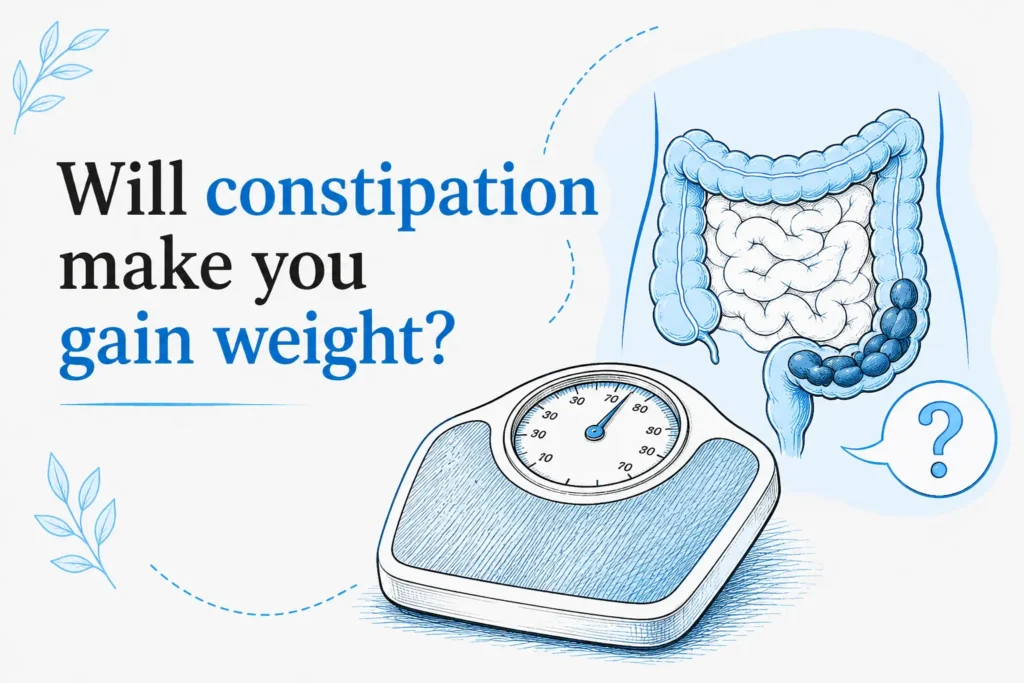
BMI Calculator +91 9820062040 | +91 8356977265 enquiry@thedigestive.in Digestive Health Institute by Dr. Muffi Digestive Health Institute by Dr. Muffi Will Constipation Make You Gain Weight? Understanding the Connection Yes, constipation can cause a temporary increase in body weight, but it does not directly cause fat gain. When stool remains in the intestines for longer than normal, waste accumulates in the digestive tract. This can make you feel heavier, bloated, and uncomfortable. However, the increase you see on the scale is usually due to retained stool and fluid rather than an increase in body fat. For most people, the temporary weight gain associated with constipation resolves once regular bowel movements return. What Is Constipation? Constipation is a common digestive condition characterised by infrequent bowel movements, difficulty passing stool, or a feeling of incomplete evacuation. While bowel habits vary from person to person, constipation is generally associated with: Fewer than three bowel movements per week Hard or dry stools Straining during bowel movements A sensation that the bowel has not emptied completely Abdominal discomfort or bloating Occasional constipation is common, but persistent symptoms may require medical attention. Can Constipation Really Make You Gain Weight? Many people notice an increase on the weighing scale when they are constipated. The answer is yes, but the type of weight gain matters. Temporary Weight Gain vs Fat Gain There is an important difference between: Temporary Weight Gain Caused by: Retained stool Increased water retention Abdominal bloating This weight often disappears once bowel movements return to normal. Fat Gain Caused by: Consistently consuming more calories than the body burns Long-term energy imbalance Constipation itself does not cause your body to store additional fat. Why Constipation Can Make the Scale Go Up 1. Stool Accumulation The most obvious reason is the buildup of waste material inside the colon. When stool remains in the digestive tract for several days, it adds physical weight to the body. Depending on the severity of constipation, this may contribute to noticeable fluctuations on the scale. 2. Water Retention The colon absorbs water from stool. When stool remains in the intestines longer than usual, additional water may be absorbed, making stools harder and potentially contributing to feelings of heaviness. Water retention can also cause temporary changes in body weight. 3. Bloating Constipation often leads to: Gas accumulation Abdominal distension Feelings of fullness Many people interpret bloating as weight gain because their abdomen appears larger than usual. However, bloating is not the same as increased body fat. How Much Weight Can Constipation Add? The amount varies significantly between individuals. Factors include: Severity of constipation Duration of symptoms Dietary habits Fluid intake Body size Some people may notice only minor fluctuations, while others may experience more significant temporary changes. Once bowel movements normalize, body weight often returns closer to baseline. Common Symptoms of Constipation In addition to temporary weight gain, constipation may cause: Hard stools Straining during bowel movements Abdominal pain Bloating Excess gas Reduced appetite Nausea A feeling of incomplete bowel emptying Persistent symptoms should not be ignored, especially if accompanied by unexplained weight loss, bleeding, or severe pain. What Causes Constipation? Many factors can contribute to constipation. Low Fiber Intake Fiber helps add bulk to stool and supports healthy bowel movements. Low-fibre diets often contribute to constipation. Sources of fibre include: Fruits Vegetables Lentils Beans Whole grains Traditional diets rich in these foods can support digestive health. In fact, understanding whether Indian food is healthy can help people make dietary choices that promote both gut health and overall wellness. Inadequate Hydration Not drinking enough water can make stools harder and more difficult to pass. Hydration is essential for healthy digestion. In fact, dehydration can sometimes be mistaken for hunger, leading people to eat more when their body actually needs fluids. Lack of Physical Activity Regular movement supports healthy bowel function. Activities such as walking for weight loss may help stimulate intestinal movement and support digestive health. Physical activity helps create a calorie deficit. Understanding how many calories are burned in 1000 steps can help put daily activity into perspective. Dietary Changes Sudden changes in eating patterns can affect bowel habits. Common triggers include: Traveling Major diet changes Increased processed food consumption Certain Medications Some medications may contribute to constipation, including: Certain pain medications Some antidepressants Iron supplements Certain blood pressure medications Always discuss concerns with your healthcare provider. Can Constipation Affect Weight Loss Efforts? Yes, but usually indirectly. When people feel bloated and uncomfortable, they may: Exercise less Feel less motivated Experience changes in appetite Misinterpret temporary weight gain as fat gain This can create frustration during a weight-loss journey. However, constipation itself is not preventing fat loss. If you’re trying to lose weight, remember that sustainable results depend on factors such as calorie balance, activity levels, and dietary quality. Many people also wonder how many steps it may take to lose 1kg while working toward their weight-loss goals. For example, many people wonder whether rice is healthy for weight loss. The answer depends more on portion size and overall diet than on the rice itself. When Should You See a Doctor? Occasional constipation is common. However, medical evaluation may be necessary if constipation is: Persistent Severe Accompanied by bleeding Associated with unexplained weight loss Associated with severe abdominal pain Accompanied by vomiting These symptoms may indicate an underlying condition that requires professional assessment. Conclusion: Will constipation make you gain weight So, will constipation make you gain weight? The answer is yes—but usually only temporarily. Constipation can increase body weight due to retained stool, bloating, and fluid retention, but it does not directly cause fat gain. Most constipation-related weight changes resolve when normal bowel movements return. Maintaining adequate hydration, eating a fiber-rich diet, staying physically active, and supporting digestive health can help reduce the likelihood of constipation. If you experience persistent constipation, digestive discomfort, or unexplained changes in weight, seeking professional medical advice is important. For personalized guidance on digestive health, nutrition, and weight management, you can book an appointment with our
Is Rice Healthy for Weight Loss

BMI Calculator +91 9820062040 | +91 8356977265 enquiry@thedigestive.in Digestive Health Institute by Dr. Muffi Digestive Health Institute by Dr. Muffi Is Rice Healthy for Weight Loss? What Science Says Yes, rice is healthy for weight loss when consumed in appropriate portions as part of a balanced diet. Contrary to popular belief, rice itself does not cause weight gain. Weight gain occurs when you consistently consume more calories than your body burns. Rice can be included in a weight-loss plan if it is paired with protein, vegetables, and healthy lifestyle habits. Many people trying to lose weight immediately remove rice from their diet. However, scientific evidence suggests that successful weight loss depends more on overall calorie balance, food quality, physical activity, and portion control than on avoiding a single food. Why Does Rice Have a Bad Reputation? Rice is one of the most widely consumed staple foods in the world, especially in India. Despite its popularity, rice is often blamed for weight gain. There are several reasons for this perception: Rice is rich in carbohydrates. Large portions can significantly increase calorie intake. Rice is often consumed with calorie-dense foods. Many people eat refined white rice multiple times a day. The problem is usually not rice itself but the quantity consumed and the overall composition of the meal. For example, a plate containing moderate rice, dal, vegetables, and protein is nutritionally different from a large serving of rice accompanied by fried foods and sugary beverages. Nutritional Value of Rice Rice provides several important nutrients, including: Carbohydrates for energy Small amounts of protein B vitamins Magnesium Selenium Iron (depending on the variety) A typical serving of cooked rice provides energy that fuels daily activities and exercise. Rice is naturally: Low in fat Cholesterol-free Easy to digest When consumed as part of a balanced meal, rice can contribute to a healthy diet. Is Rice Healthy for Weight Loss or Does It Cause Weight Gain? The answer depends largely on portion size and overall dietary habits. No food automatically causes weight gain. Weight gain occurs when calorie intake exceeds calorie expenditure over time. Rice can fit into a weight-loss plan because: It provides energy for physical activity. It can be filling when paired with protein and fiber. It is versatile and easy to incorporate into balanced meals. Many individuals successfully lose weight while continuing to eat rice regularly. The key is learning how to include rice strategically rather than eliminating it completely. White Rice vs Brown Rice for Weight Loss One of the most common questions is whether brown rice is better than white rice. Nutrient White Rice Brown Rice Calories Similar Similar Fiber Lower Higher Processing More refined Less refined Satiety Moderate Higher Nutrients Lower Higher White Rice White rice has had the bran and germ removed during processing. Benefits include: Easy digestion Quick energy source Widely available Limitations include: Lower fiber content May lead to faster hunger in some individuals Brown Rice Brown rice retains more of its natural fiber and nutrients. Benefits include: Higher fiber Increased satiety Better blood sugar response in some people For weight loss, brown rice may help some individuals feel fuller for longer, but both varieties can fit into a healthy eating plan. Can You Eat Rice Every Day and Still Lose Weight? Yes. Many populations around the world consume rice daily while maintaining healthy body weights. The important factors include: Portion Control Eating moderate portions is essential. Balanced Meals Pair rice with: Dal Beans Paneer Fish Chicken Eggs Vegetables Common Mistakes People Make When Eating Rice Sometimes people eat more than necessary because thirst is mistaken for hunger. Learn how dehydration can lead to overeating and affect weight-management efforts. Eating Large Portions Oversized servings can quickly increase calorie intake. Skipping Protein Rice alone may not provide lasting fullness. Ignoring Vegetables Fiber-rich vegetables help improve satiety. Eating Too Quickly Fast eating can make portion control more difficult. Drinking Sugary Beverages Sweetened drinks can add significant calories to meals. Rice, Exercise, and Weight Loss Diet and exercise work together. While diet plays a major role in weight management, regular physical activity is equally important. Discover how many steps you should walk daily for weight loss and how walking can complement a balanced diet. Many people focus only on food while overlooking physical activity. Walking remains one of the simplest ways to support weight loss. If you’re building a healthy lifestyle, understanding how many steps to lose 1kg can help set realistic expectations. Similarly, knowing how many calories are burned in 1000 steps provides useful insight into daily energy expenditure. Conclusion: Is rice healthy for weight loss So, is rice healthy for weight loss? The answer is yes. Rice can be part of a healthy and sustainable weight-loss plan when eaten in appropriate portions and combined with protein, vegetables, and regular physical activity. Rather than eliminating rice completely, focus on building balanced meals, staying active, maintaining hydration, and practicing portion control. These habits are far more important for long-term success than avoiding a single food. If you’re struggling with weight loss despite making dietary changes, consider exploring a structured weight management plan or seeking professional nutrition guidance. You can also use our BMI Calculator to better understand your current weight status. If you’re finding it difficult to lose weight despite diet and exercise, book an appointment with our specialists for personalized support. Medical Disclaimer This article is for educational purposes only and should not replace professional medical advice, diagnosis, or treatment. Symptoms and treatment approaches may vary between individuals. Please consult a qualified healthcare professional for personalized medical guidance. Share This Post Is Rice Healthy for Weight Loss Is indian food healthy Can a hernia burst and kill you? Is it normal to have pain months after hernia surgery? 10 Signs of an Unhealthy Gut Can Stomach Ulcers Cause Cancer? Early Signs of Gastrointestinal Disease Does cold water increase weight
Is indian food healthy

BMI Calculator +91 9820062040 | +91 8356977265 enquiry@thedigestive.in Digestive Health Institute by Dr. Muffi Digestive Health Institute by Dr. Muffi Is indian food healthy | Benefits, Challenges & How to Make It Better Yes, Indian food can be very healthy when prepared using balanced ingredients and traditional cooking methods. Many Indian meals include whole grains, lentils, vegetables, spices, and fermented foods that provide essential nutrients and support overall health. However, excessive consumption of fried foods, refined carbohydrates, sugary beverages, and oversized portions can contribute to obesity, diabetes, and heart disease. Indian food can support weight loss effectively when combined with regular physical activity such as walking. Learn more about walking for weight loss and how many steps you may need daily to support your health goals. Sustainable weight loss depends on both diet quality and calorie expenditure through exercise. If you’re curious about activity goals, explore how many steps it may take to lose 1kg. The healthiness of Indian food depends less on the cuisine itself and more on how it is prepared, how often it is consumed, and the overall balance of the diet. Understanding the Indian Diet Indian cuisine is incredibly diverse. Food habits vary significantly across regions, cultures, and communities. A traditional Indian meal often contains: Whole grains such as wheat, millet, jowar, bajra, or rice Lentils and legumes Seasonal vegetables Dairy products like curd and buttermilk Healthy spices and herbs Moderate amounts of healthy fats These components can provide a balanced mix of carbohydrates, proteins, fats, vitamins, minerals, and dietary fiber. Health Benefits of Traditional Indian Food 1. Rich in Plant-Based Protein Indian diets commonly include: Dal Chana Rajma Moong Soy products These foods provide protein while also supplying fiber and important micronutrients. Protein helps: Maintain muscle mass Support metabolism Improve satiety Aid recovery and tissue repair 2. High Fiber Content Traditional Indian meals often include: Whole grains Lentils Vegetables Fruits Fiber supports: Digestive health Healthy bowel movements Blood sugar control Cholesterol management Weight management Many modern diets lack sufficient fiber, making traditional Indian food potentially beneficial when prepared properly. 3. Powerful Medicinal Spices Indian cooking uses spices that have been studied for their health benefits. Turmeric Contains curcumin, which has anti-inflammatory properties. Ginger May support digestion and help reduce nausea. Cumin Often used to aid digestion. Cinnamon May help improve blood sugar regulation in some individuals. Garlic Associated with heart health benefits. While spices are not medicines, they can contribute positively to overall health. 4. Fermented Foods Support Gut Health Several traditional Indian foods are naturally fermented: Idli Dosa batter Dhokla Homemade curd Buttermilk Fermented foods may help support a healthy gut microbiome, which plays an important role in digestion and immune function. 5. Strong Vegetarian Nutrition Options India has one of the world’s largest vegetarian populations. Well-planned vegetarian Indian diets can provide: Protein Fiber Antioxidants Vitamins and minerals A balanced vegetarian diet may support heart health and healthy weight management. Why Indian Food Sometimes Gets a Bad Reputation Sometimes, overeating is not caused by hunger alone. Dehydration can mimic hunger signals and lead to unnecessary calorie intake, making hydration an important part of healthy eating habits. Despite its many strengths, some modern eating habits can reduce the health benefits of Indian cuisine. Excessive Use of Refined Carbohydrates Many people consume large amounts of: White rice Refined flour products Sugary snacks Overconsumption may contribute to weight gain and poor blood sugar control. Frequent Fried Foods Popular foods such as: Samosas Pakoras Bhaturas Chips and namkeen Can be high in calories and unhealthy fats when consumed frequently. High Sugar Consumption Many Indian sweets contain: Refined sugar Ghee Condensed milk Occasional consumption is generally acceptable, but regular intake can increase calorie consumption significantly. Portion Size Challenges Even healthy foods can contribute to weight gain when consumed in excessive quantities. Large servings of: Rice Rotis Sweets Fried foods Can lead to excess calorie intake over time. Is Indian Food Good for Weight Loss? Indian food can absolutely support weight loss when meals are balanced. Helpful choices include: Dal Grilled paneer Vegetable sabzi Sprouts Salads Millet-based dishes Curd Lean proteins Weight loss depends on creating a sustainable calorie deficit while maintaining nutritional quality. Is Indian Food Good for Diabetes? Many traditional Indian foods can be part of a diabetes-friendly eating pattern. Examples include: Whole grains Millets Lentils Non-starchy vegetables Unsweetened curd People with diabetes should pay attention to portion sizes and limit foods high in refined carbohydrates and added sugars. Is Indian Food Good for Gut Health? A well-balanced Indian diet may support digestive health because it often includes: Fiber-rich foods Fermented foods Diverse plant ingredients Digestive spices Maintaining gut health is important for nutrient absorption, immune function, and overall well-being. How to Make Indian Food Healthier Choose Whole Grains More Often Consider: Jowar Bajra Ragi Brown rice Whole wheat Increase Vegetable Intake Aim to include vegetables at both lunch and dinner. Include Protein in Every Meal Examples: Dal Paneer Eggs Fish Chicken Legumes Limit Deep-Fried Foods Reserve fried snacks for occasional consumption. Reduce Added Sugar Choose fruits over sweets whenever possible. Watch Portion Sizes Balanced portions can help maintain a healthy weight. Balancing calorie intake with daily movement is important for maintaining a healthy weight. You can estimate your activity level by understanding how many calories are burned in 1000 steps. Common Myths About Indian Food Myth: Indian food is always unhealthy. Fact: Traditional Indian meals can be highly nutritious and balanced. Myth: Rice should be completely avoided. Fact: Rice can be part of a healthy diet when consumed in appropriate portions. Myth: All fats are bad. Fact: Healthy fats consumed in moderation are essential for health. Myth: Weight loss requires giving up Indian food. Fact: Many people successfully lose weight while eating balanced Indian meals. Conclusion Indian food has the potential to be one of the healthiest dietary patterns in the world. Traditional Indian meals are rich in plant-based proteins, fiber, vegetables, fermented foods, and beneficial spices. The challenges arise when diets become heavily dependent
Can a hernia burst and kill you?
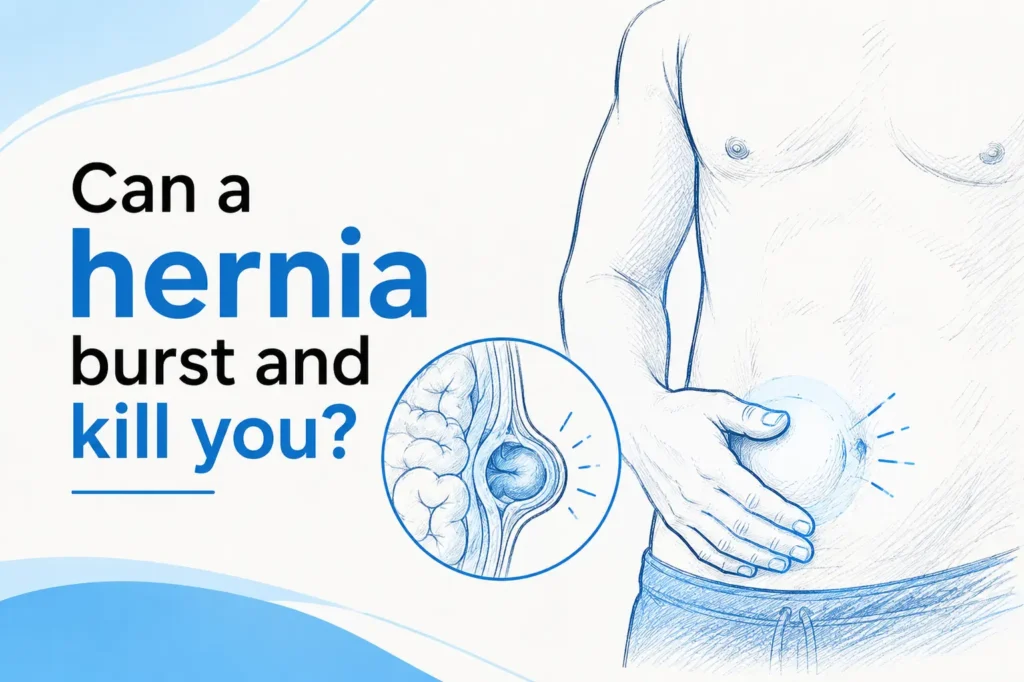
BMI Calculator +91 9820062040 | +91 8356977265 enquiry@thedigestive.in Digestive Health Institute by Dr. Muffi Digestive Health Institute by Dr. Muffi Can a hernia burst and kill you A hernia usually does not “burst” the way people imagine, but it can become dangerous or even life-threatening if left untreated. In some cases, a hernia can trap part of the intestine and cut off its blood supply — a serious condition called a strangulated hernia. Without urgent treatment, this may lead to bowel obstruction, tissue death, infection, or sepsis. Many people ignore a small hernia bulge because it may not hurt initially. However, sudden pain, nausea, vomiting, swelling, or a bulge that becomes hard and cannot be pushed back in can signal a medical emergency. Understanding when a hernia becomes dangerous can help prevent severe complications and emergency surgery. A hernia rarely “bursts,” but it can become life-threatening if trapped tissue loses blood supply. This condition, called a strangulated hernia, may cause severe pain, bowel obstruction, infection, and sepsis. Immediate medical care is important if a hernia becomes painful, swollen, hard, or causes vomiting or fever. Can a Hernia Burst? Technically, a hernia does not usually “burst” like an organ rupturing. A hernia occurs when an internal organ or fatty tissue pushes through a weak spot in the abdominal wall or surrounding muscles. However, people often use the phrase “hernia burst” to describe a situation where the hernia suddenly becomes: Extremely painful Swollen or discolored Hard and trapped Associated with vomiting or fever In medical terms, this is more likely to be: An incarcerated hernia A strangulated hernia A hernia causing intestinal blockage These conditions can become dangerous because the trapped intestine loses blood flow, leading to tissue damage and possible infection. Can a Hernia Rupture Internally? A hernia itself does not usually rupture internally. The real danger comes from blood flow restriction to the trapped intestine. If untreated, bowel tissue can die, increasing the risk of perforation, infection, and sepsis. This is why doctors advise patients not to ignore worsening hernia symptoms, even if the hernia has been painless for years. Can a Hernia Kill You? Yes, in rare but serious situations, an untreated hernia can become fatal. Most hernias are not immediately dangerous. Many remain stable for years. But complications can develop suddenly, especially if a part of the intestine becomes trapped inside the hernia opening. A hernia can become life-threatening when it causes: Strangulation of the intestine Bowel obstruction Loss of blood supply Tissue death Severe infection Sepsis A strangulated hernia is considered a surgical emergency because delayed treatment increases the risk of complications significantly. Can a Hernia Become Fatal? A strangulated hernia can become fatal if not treated promptly. Once blood supply is cut off, bowel tissue may die within hours. This can lead to infection spreading throughout the body. Early diagnosis and emergency hernia surgery dramatically reduce these risks. What Is a Strangulated Hernia? A strangulated hernia happens when tissue trapped inside the hernia loses its blood supply. Without oxygen-rich blood, the tissue begins to die. This condition requires urgent medical attention. How Does It Happen? A hernia may first become incarcerated, meaning the tissue becomes trapped and cannot return to the abdomen. If swelling increases, blood vessels may become compressed. This causes: Blood flow restriction Tissue damage Intestinal blockage Risk of perforation How Do I Know If My Hernia Is Strangulated? Common strangulated hernia symptoms include: Sudden severe pain A hard or tender hernia bulge Redness or dark discoloration Nausea and vomiting Fever Abdominal swelling Inability to pass stool or gas Rapid worsening of symptoms If these symptoms occur, seek emergency medical care immediately. Warning Signs of a Dangerous Hernia Not every hernia is an emergency, but certain symptoms should never be ignored. Dangerous Hernia Symptoms Seek urgent evaluation if you experience: Emergency Warning Signs Severe or worsening hernia pain A bulge that becomes hard or stuck Red, purple, or dark skin over the hernia Fever or chills Persistent nausea and vomiting Bloating or abdominal distension Difficulty passing stool or gas Sudden enlargement of the hernia These symptoms may indicate bowel strangulation or obstruction. Is a Painful Hernia an Emergency? Mild discomfort after physical activity is common with some hernias. However, sudden intense pain or pain accompanied by vomiting, fever, or swelling can indicate a medical emergency. A specialist should always evaluate a painful hernia if symptoms worsen rapidly. What Happens If a Hernia Is Left Untreated? Some small hernias may remain stable temporarily, but untreated hernias can enlarge over time and increase the risk of complications. Untreated Hernia Complications Potential complications include: 1. Incarcerated Hernia The trapped tissue cannot return to its normal position. 2. Bowel Obstruction The intestine becomes blocked, preventing food or waste from passing normally. Symptoms include: Severe abdominal pain Constipation Vomiting Bloating 3. Strangulation Blood supply to the trapped tissue is cut off. 4. Tissue Death Lack of oxygen causes bowel tissue damage. 5. Sepsis In severe cases, infection can spread through the bloodstream and become life-threatening. Which Hernias Are Most Dangerous? Certain hernias carry a higher risk of complications than others. 1. Femoral Hernias: Femoral Hernias occur near the upper thigh or groin and are more likely to become strangulated. 2. Inguinal Hernias: Common in men, these occur in the groin area. Many are manageable initially, but larger hernias may become incarcerated. 3. Incisional Hernias: These develop at previous surgical sites where the abdominal wall has weakened. 4. Umbilical Hernias: Common near the belly button. Large untreated hernias can occasionally trap the intestine. 5. Epigastric Hernias: Epigastric Hernias occur between the chest and belly button due to abdominal wall weakness. When Is Hernia Dangerous? A hernia becomes dangerous when it causes: Severe pain Trapped intestine Blood flow restriction Vomiting Signs of infection Intestinal blockage Even a previously painless hernia can suddenly become complicated. Is Hernia Surgery Dangerous? All surgeries carry some risks, but hernia repair is generally considered safe when performed by experienced surgeons. Delaying treatment often creates more