Digestive Health Institute
by Dr. Muffi
Digestive Health Institute
by Dr. Muffi
Is IBS a Disability? When Irritable Bowel Syndrome May Qualify as a Disability
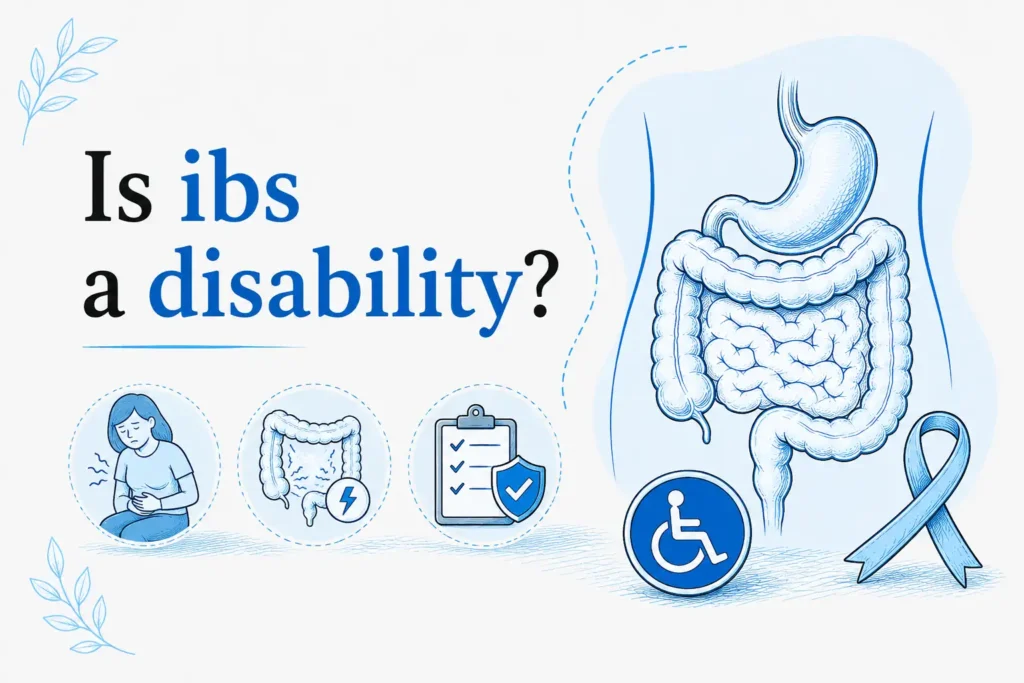
If you have Irritable Bowel Syndrome (IBS), you may wonder: Is IBS a disability?
The answer is sometimes. IBS is generally considered a chronic digestive disorder rather than a disability. However, in some cases, severe IBS can substantially limit daily activities, work performance, and quality of life. When symptoms are severe and long-lasting, IBS may qualify as a disability under certain laws or disability benefit programs.
Understanding when IBS may be considered a disability can help patients access workplace accommodations, legal protections, and support when needed.
Quick Answer: Is IBS a Disability?
Question | Answer |
Is IBS a medical condition? | Yes |
Is IBS automatically considered a disability? | No |
Can severe IBS be considered a disability? | Yes, in some circumstances |
Can IBS affect your ability to work? | Yes |
Can people with IBS request workplace accommodations? | Often yes |
Key Takeaway: IBS is not automatically classified as a disability, but severe symptoms that significantly limit daily activities or work may qualify for disability protections or benefits.
What Is IBS?
Irritable Bowel Syndrome (IBS) is a common disorder that affects the digestive system, particularly the large intestine.
Common symptoms include:
- Abdominal pain
- Cramping
- Bloating
- Diarrhea
- Constipation
- Alternating diarrhea and constipation
- Urgent bowel movements
- Excessive gas
IBS is a chronic condition, meaning symptoms may come and go for months or years.
When Can IBS Be Considered a Disability?
The question “Is IBS a disability?” depends largely on how severely the condition affects a person’s daily functioning.
IBS may be considered a disability if it:
- Significantly limits major life activities
- Prevents regular work attendance
- Requires frequent restroom access
- Causes chronic pain
- Results in severe fatigue
- Interferes with social or daily activities
How Severe Must IBS Be?
Severity Level | Impact on Daily Life |
Mild IBS | Occasional symptoms with little disruption |
Moderate IBS | Regular symptoms affecting comfort and productivity |
Severe IBS | Frequent symptoms that interfere with work, travel, and daily activities |
How IBS Can Affect Daily Life
Severe IBS may impact:
- Employment: Frequent symptoms may lead to missed workdays and reduced productivity.
- Travel: Many people avoid travel due to concerns about restroom availability.
- Social Activities: Symptoms can cause embarrassment and avoidance of social situations.
- Mental Health: IBS is often associated with increased stress, anxiety, and reduced quality of life.
Treatment Options for IBS
Although IBS has no cure, symptoms can often be managed.
Lifestyle Changes
- Regular exercise
- Stress reduction
- Adequate sleep
Dietary Modifications
- Low-FODMAP diet under guidance
- Increased fiber in some patients
- Avoiding trigger foods
Medications
- Antispasmodics
- Laxatives
- Anti-diarrheal medications
- Certain antidepressants
Conclusion
So, is IBS a disability? The answer depends on the severity of symptoms and how much they affect daily life. IBS is not automatically considered a disability, but severe cases that significantly limit work, mobility, or normal activities may qualify for disability protections, accommodations, or benefits.
If IBS symptoms are affecting your quality of life, speak with a healthcare professional for proper diagnosis, treatment, and documentation of your condition.
Medical Disclaimer
This article is for educational purposes only and should not replace professional medical advice, diagnosis, or treatment. Symptoms and treatment approaches may vary between individuals. Please consult a qualified healthcare professional for personalized medical guidance.