Digestive Health Institute
by Dr. Muffi

Digestive Health Institute
by Dr. Muffi
Which Size of Gallbladder Stone Is Dangerous? Understanding Risks Based on Stone Size
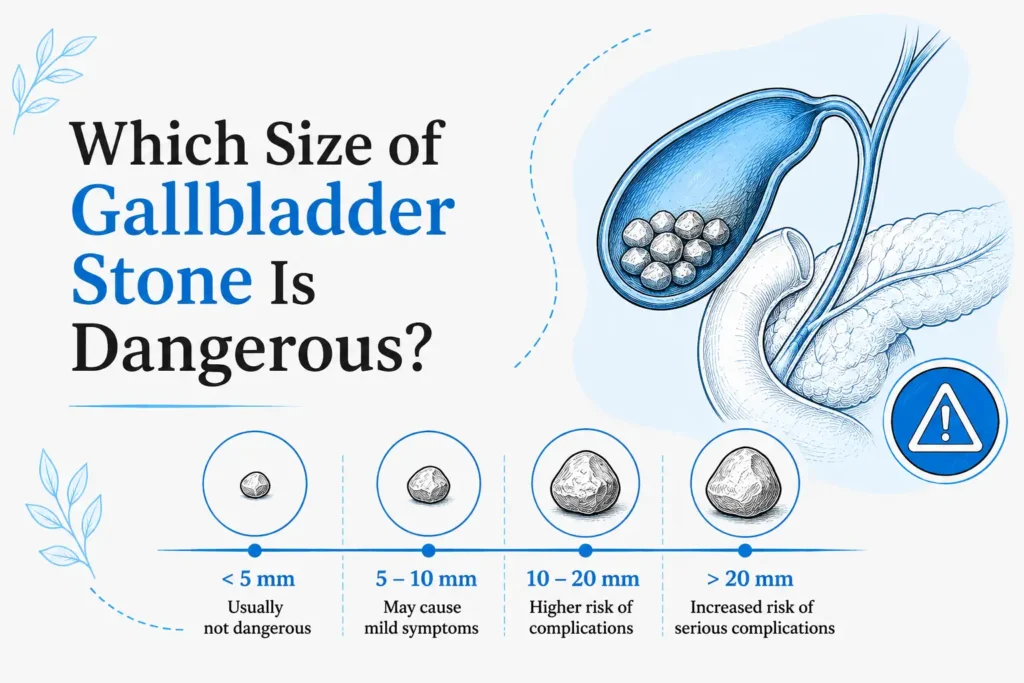
Gallstones are one of the most common digestive conditions, affecting millions of people worldwide. One of the most frequent questions patients ask after an ultrasound is: Which size of gallbladder stone is dangerous?
The answer is not always straightforward. While the size of a gallstone can influence the risk of complications, even very small stones can sometimes cause serious problems. Understanding which size of gallbladder stone is dangerous can help you make informed decisions about treatment and prevent potentially severe complications.
What Are Gallbladder Stones?
Gallbladder stones, also known as gallstones, are hardened deposits that form inside the gallbladder. These stones are usually made of cholesterol, bilirubin, or a mixture of both.
Gallstones can vary greatly in size:
- As small as a grain of sand
- A few millimeters in diameter
- As large as a golf ball
Many people have gallstones without experiencing symptoms. However, some stones can block the bile ducts and cause pain, infection, or inflammation.
Which Size of Gallbladder Stone Is Dangerous?
Gallstone Size | Risk Level | Potential Concerns |
Less than 5 mm | High | Can move into bile ducts, causing blockage, jaundice, or pancreatitis |
5–15 mm | Moderate | May cause gallbladder pain, inflammation, and digestive symptoms |
15–30 mm | Moderate to High | Can lead to chronic gallbladder inflammation and recurrent attacks |
More than 30 mm (3 cm) | High | Associated with a higher risk of gallbladder cancer and chronic gallbladder disease |
Quick Answer
Small Gallstones (Less Than 5 mm)
Many people assume larger stones are always more dangerous, but this is not necessarily true.
Small gallstones can be particularly risky because they can:
Easily move into the bile ducts
Cause blockages
Trigger acute pancreatitis
Lead to jaundice
Cause severe abdominal pain
Because they can travel more easily, some specialists consider very small stones among the most dangerous types.
Therefore, when asking which size of gallbladder stone is dangerous, stones smaller than 5 mm should not be ignored.
Medium Gallstones (5–15 mm)
Medium-sized stones are commonly found during ultrasound examinations.
These stones may:
Remain inside the gallbladder
Cause intermittent pain
Trigger gallbladder inflammation
Lead to recurrent digestive symptoms
While not always dangerous, medium-sized stones can become problematic if they repeatedly block the gallbladder outlet.
Large Gallstones (More Than 15 mm)
Large gallstones are less likely to enter the bile ducts but can still cause significant complications.
Potential risks include:
Chronic gallbladder inflammation
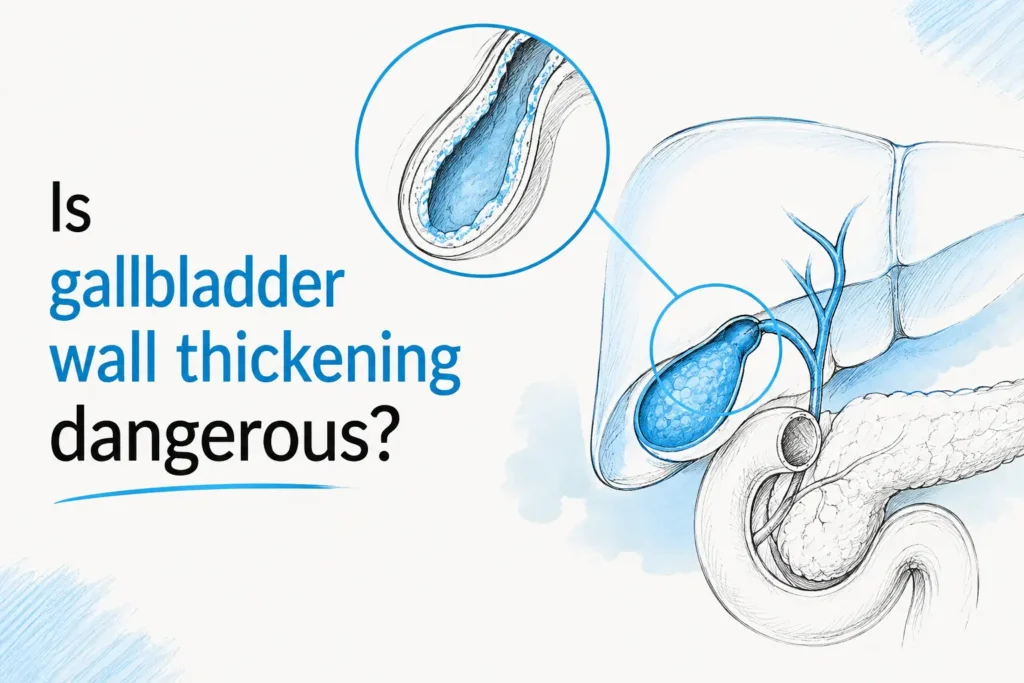
Gallbladder wall thickening
Increased risk of gallbladder dysfunction
Recurrent gallbladder attacks
Very Large Gallstones (More Than 3 cm)
Research has suggested that very large gallstones may be associated with a higher risk of gallbladder cancer compared with smaller stones.
Although gallbladder cancer remains rare, patients with stones larger than 3 cm may be advised to consider surgery, even if symptoms are mild.
This is another important consideration when determining which size of gallbladder stone is dangerous.
In cases where gallstones cause recurrent pain, infection, or bile duct blockage, doctors may recommend gallbladder removal surgery. While most patients recover without major issues, some may experience discomfort later on. Learn more about the possible causes of pain in the right side 2 years after gallbladder removal and when it may require medical attention.
Why Stone Size Is Not the Only Factor
Many patients focus solely on size, but doctors consider several factors before deciding whether a gallstone is dangerous.
These include:
- Number of stones
- Presence of symptoms
- Stone location
- Gallbladder inflammation
- Bile duct blockage
- Risk of pancreatitis
- Patient age and overall health
This means that a 4 mm stone causing pancreatitis may be far more dangerous than a 2 cm stone sitting quietly in the gallbladder.
Symptoms That May Indicate a Dangerous Gallstone
Regardless of size, seek medical attention if you experience:
- Severe Upper Abdominal Pain Pain often occurs in the upper right abdomen and may radiate to the back or right shoulder.
- Fever and Chills These symptoms can indicate infection or acute cholecystitis.
- Jaundice Yellowing of the eyes and skin may occur if a stone blocks the bile ducts.
- Nausea and Vomiting Persistent digestive symptoms may suggest gallbladder obstruction.
- Dark Urine and Pale Stools These signs may indicate bile flow obstruction and require urgent medical evaluation.
Foods to Avoid If You Have Gallstones
While diet cannot remove gallstones, it may help reduce symptoms.
Consider limiting:
- Fried foods
- Fast food
- High-fat dairy products
- Processed meats
- Sugary beverages
- Heavy cream-based dishes
Instead, focus on:
- Fruits
- Vegetables
- Whole grains
- Lean proteins
- Adequate hydration
Conclusion
So, which size of gallbladder stone is dangerous? The reality is that both small and large gallstones can be dangerous for different reasons. Small stones are more likely to travel and block ducts, while very large stones can cause chronic inflammation and may increase the risk of serious complications.
Rather than focusing only on size, doctors evaluate symptoms, stone location, and overall risk factors. If you have been diagnosed with gallstones and are experiencing pain, nausea, fever, or jaundice, consult a healthcare professional promptly to determine the most appropriate treatment plan.
Medical Disclaimer
This article is for educational purposes only and should not replace professional medical advice, diagnosis, or treatment. Symptoms and treatment approaches may vary between individuals. Please consult a qualified healthcare professional for personalized medical guidance.