Is Rice Good for Weight Loss?

BMI Calculator +91 9820062040 | +91 8356977265 enquiry@thedigestive.in Digestive Health Institute by Dr. Muffi Digestive Health Institute by Dr. Muffi Is Rice Good for Weight Loss? White Rice, Brown Rice, Calories, Portions and Best Way to Eat It Is rice good for weight loss? Yes, rice can be included in a weight-loss diet. Eating rice does not automatically cause weight gain, and you do not necessarily need to stop eating rice to lose weight. Rice is a staple food in India and provides carbohydrates, which are an important source of energy. The more important factors for weight management are how much rice you eat, what type you choose, what you eat with it, and your total calorie intake throughout the day. If you enjoy rice, removing it completely may not be necessary. Instead, learning how to control portions and build a balanced meal can make rice easier to include in a healthy weight-loss plan. Is Rice Good for Weight Loss? Yes, rice can be good for weight loss when eaten in appropriate portions as part of a balanced diet. Rice itself does not contain a special ingredient that causes weight loss. Its role in your diet depends on your overall calorie intake and nutritional pattern. Weight loss generally occurs when you consistently consume fewer calories than your body uses. This means you can lose weight while eating rice, just as you can gain weight while eating foods that are considered “healthy” if your overall calorie intake is too high. The key factors are: Portion size Total calorie intake Type of rice Protein intake Fibre intake Physical activity Overall dietary pattern Does Rice Cause Weight Gain? Rice does not automatically cause weight gain. The idea that rice itself makes people fat is an oversimplification. Weight gain occurs when energy intake consistently exceeds energy expenditure over time. A large plate of rice combined with calorie-dense curries, fried foods, desserts and sugary drinks can contribute to excess calorie intake. On the other hand, a moderate serving of rice with vegetables, dal and a protein source can fit comfortably into a calorie-controlled diet. Why Do People Think Rice Is Bad for Weight Loss? Rice is often considered unhealthy for weight loss because it is primarily a carbohydrate-rich food and white rice has relatively low fibre compared with some whole grains. However, carbohydrates are not inherently fattening. The body uses carbohydrates for energy, particularly during physical activity. The issue is usually quantity and overall diet quality, rather than simply eating carbohydrates. How Many Calories Are in Rice? The calorie content of rice depends on the variety and whether it is measured cooked or uncooked. As a general guide, 100 grams of cooked white rice provides approximately 120–140 calories, although the exact amount varies depending on the rice variety and cooking method. Because cooked rice contains water, its calorie density is much lower than uncooked rice by weight. This is why it is important to distinguish between: 100 g cooked rice and 100 g uncooked rice. They are not nutritionally equivalent. Is White Rice Good for Weight Loss? Yes, white rice can be included in a weight-loss diet. White rice is: Easy to digest Convenient Widely available Affordable Low in fat A source of carbohydrates However, compared with some whole grains, white rice generally contains less fibre. If you find yourself hungry soon after eating a meal based largely on white rice, combining it with protein, vegetables and other fibre-rich foods may help improve fullness. Is Brown Rice Better for Weight Loss? Brown rice contains more fibre and retains more of the grain’s outer layers than white rice. The additional fibre can help with: Fullness Digestion Blood sugar management Overall diet quality However, brown rice is not a magic weight-loss food. If you eat a very large portion of brown rice, you can still consume more calories than you need. Portion size remains important regardless of the rice variety. White Rice vs Brown Rice for Weight Loss Both can be included in a healthy diet. Factor White Rice Brown Rice Calories Similar when compared appropriately Similar Fibre Lower Higher Texture Softer Chewier Digestion Often easier for some people More fibre Weight loss Can fit into a calorie-controlled diet Can fit into a calorie-controlled diet The best option is the one you enjoy, tolerate well and can consume in an appropriate portion. How Much Rice Should You Eat for Weight Loss? There is no universal portion that works for everyone. Your ideal serving depends on: Your calorie requirements Body size Physical activity Weight-loss goal Other carbohydrate sources in your meal Medical conditions As a practical starting point, some people may find ½ to 1 cup of cooked rice suitable for a meal, but this should not be treated as a fixed prescription. Someone who is highly active may need more, while someone following a lower-calorie diet may need less. Instead of completely eliminating rice, start by measuring your usual portion and adjusting it according to your goals. Frequently Asked Questions Is rice good for weight loss? Yes. Rice can be included in a weight-loss diet when consumed in appropriate portions and combined with nutritious protein and fibre-rich foods. Can I eat white rice and still lose weight? Yes. White rice does not automatically prevent weight loss. Your overall calorie intake and dietary pattern are more important. Is brown rice better than white rice for weight loss? Brown rice contains more fibre, which may help with fullness, but both can be part of a healthy weight-loss diet. Portion size remains important. How much rice should I eat to lose weight? There is no fixed amount for everyone. A moderate portion such as ½–1 cup of cooked rice may work for some people, but your ideal serving depends on your calorie requirements and activity level. Is rice good for weight loss at night? Yes. You can eat rice at dinner while losing weight. Eating rice at night does not automatically cause fat gain. Can I eat rice every
Is Curd Good for Weight Loss?

BMI Calculator +91 9820062040 | +91 8356977265 enquiry@thedigestive.in Digestive Health Institute by Dr. Muffi Digestive Health Institute by Dr. Muffi Is Curd Good for Weight Loss? Benefits, Calories & Tips If you are trying to lose weight, you may wonder whether curd is good for weight loss and how much you should eat. Curd can be included in a balanced weight-loss diet because it provides protein and other nutrients, while plain curd can be a relatively simple addition to meals and snacks. However, curd does not cause weight loss on its own. Your overall calorie intake, food choices, portion sizes, physical activity and eating pattern have a much greater influence on whether you lose body weight. The type of curd also matters. Plain, unsweetened curd is different from sweetened or flavoured varieties, which may contain added sugar and therefore more calories. Choosing the right portion and combining curd with other nutritious foods can make it easier to include in a weight-loss diet. This article explains whether curd is good for weight loss, its calories and protein, how much you may eat, the best ways to include it in your diet, and whether eating curd at night can affect weight loss. Is Curd Good for Weight Loss? Yes, curd can be part of a weight-loss diet, but eating curd alone does not cause weight loss. Curd contains protein, fat and carbohydrates, with the exact nutritional profile depending on the milk used and how the curd is prepared. Protein can contribute to satiety, which may help you feel satisfied after meals. Curd can also be paired with vegetables, fruit, whole grains or other protein-rich foods to make a balanced meal or snack. For weight loss, the more important question is not simply whether a particular food is a “weight-loss food.” It is how that food fits into your overall diet and calorie intake. For example, plain curd may fit easily into a calorie-controlled diet, while sweetened curd or a large serving combined with calorie-dense toppings may contribute considerably more calories. Therefore, if you enjoy curd, there is generally no need to remove it from your diet simply because you are trying to lose weight. Focus on the type, portion size and what you eat with it. How Can Curd Fit Into a Weight-Loss Diet? Curd can be useful in several ways when included as part of a balanced eating pattern. It Provides Protein Curd contains protein, although the amount varies depending on the type of curd and milk used to make it. Protein is an important nutrient during weight loss because it contributes to maintaining muscle and can help with feelings of fullness. If your diet is low in protein, adding a protein-containing food such as curd may help make meals more satisfying. It Can Add Satiety to Meals Foods containing protein can contribute to satiety. Having plain curd alongside a meal or as part of a snack may therefore help some people feel satisfied. However, satiety varies between individuals, and curd should be considered one part of the overall diet rather than a special appetite-control food. It Provides Other Nutrients Curd can provide nutrients such as calcium and protein. The exact nutritional content depends on the type of milk, fat content and preparation method. Choosing plain curd allows you to control what is added to it rather than consuming unnecessary added sugar from sweetened varieties. It Can Be Used in Place of Higher-Calorie Additions Curd can be used in meals in place of some higher-calorie ingredients. For example, plain curd can be used as a base for a simple dip or served alongside a meal instead of a sugary dessert. The benefit comes from how curd is incorporated into the overall diet—not from curd itself directly causing fat loss. How Many Calories Are in Curd? The calorie content of curd is not the same for every product. It can vary according to the type of milk, fat content, preparation method and serving size. For this reason, it is better to check the nutrition information for the specific curd you are eating rather than assuming that every serving contains the same number of calories. Plain curd made from full-fat milk will generally provide more calories than curd made from lower-fat milk. Sweetened or flavoured curd may contain additional calories because of added sugar. If you are trying to lose weight, portion size still matters even when choosing a nutritious food. A moderate serving of plain curd can fit into a calorie-controlled diet, while very large portions or calorie-dense additions can increase the total calories of the meal. What Is the Best Time to Eat Curd for Weight Loss? There is no scientifically established “best time” to eat curd for weight loss. You can include it at a time that fits your daily routine and nutritional needs. For example, you could have curd: With Lunch Plain curd can be paired with a balanced lunch containing vegetables, dal, roti or rice and a protein source. As a Snack Curd can replace higher-calorie snacks such as sweets, biscuits or fried foods. With Breakfast It can be combined with oats, fruit, seeds or other nutritious foods. After Exercise Curd can provide protein and can be part of a post-workout meal or snack. The important factor is your overall daily calorie and nutrient intake, not a particular clock time. How Much Curd Should You Eat for Weight Loss? There is no universal portion that works for everyone. A serving of approximately 100–200 grams of plain curd can fit into many people’s diets, depending on their calorie and protein requirements. Your ideal portion may be different if you: Need a higher protein intake Have a high calorie requirement Are following a calorie-restricted diet Have lactose intolerance Have a medical condition requiring dietary restrictions Instead of asking only how much curd you should eat, consider how it fits into your entire day’s diet. Is Curd Good for Weight Loss at Night? Yes, curd can be eaten at night
Is It Possible to Lose 10 kg in a Month
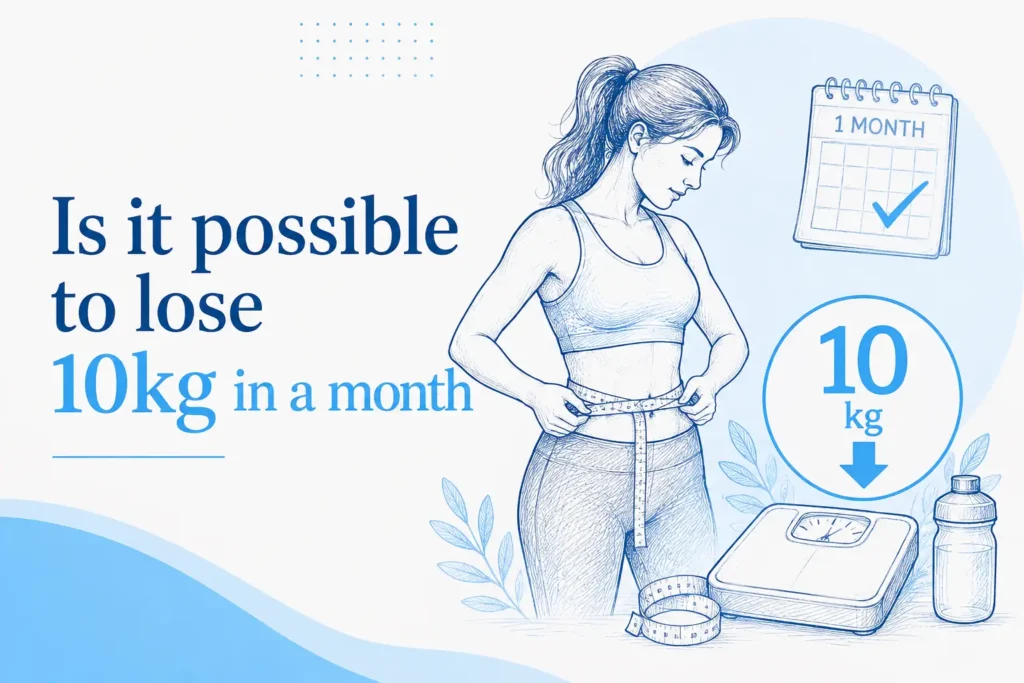
BMI Calculator +91 9820062040 | +91 8356977265 enquiry@thedigestive.in Digestive Health Institute by Dr. Muffi Digestive Health Institute by Dr. Muffi Is It Possible to Lose 10 kg in a Month? What Is a Safe Amount of Weight Loss? Is it possible to lose 10 kg in a month? Technically, some people may see a 10 kg drop on the weighing scale over a very short period, particularly when starting at a higher body weight or following a medically supervised weight-loss program. However, losing 10 kg of body fat in one month is extremely difficult for most people and is generally not a safe or realistic target. Rapid changes on the weighing scale can include water, glycogen and muscle loss, not just body fat. Trying to force weight loss through extreme calorie restriction, prolonged fasting or excessive exercise can increase the risk of nutritional deficiencies, muscle loss, gallstones, dehydration and other health problems. If your goal is significant weight loss, the better question is not simply “Can I lose 10 kg in one month?” but “How can I lose weight safely while preserving muscle and improving my long-term health?” Can You Lose 10 kg in a Month? For most people, losing 10 kg of body fat in one month is not a realistic or advisable goal. Body weight is affected by several components, including: Body fat Muscle Water Glycogen Food and fluid in the digestive system When someone drastically changes their diet, their weight may fall quickly during the first few days or weeks because of water and glycogen loss. That does not mean that the same amount of body fat has been lost. A person may therefore see a large change on the weighing scale without actually losing 10 kg of fat. How Much Weight Can You Safely Lose in a Month? There is no single amount that is appropriate for everyone. A commonly used general target is around 0.5 to 1 kg of weight loss per week, although the appropriate rate depends on starting weight, age, health conditions, diet, activity level and treatment plan. This works out to approximately: 2–4 kg per month for many adults. People with a higher starting body weight may sometimes lose weight faster initially. The goal should be individualized rather than based on a fixed number. Why Is Losing 10 kg of Fat in One Month Difficult? Body fat contains a large amount of stored energy. To lose 10 kg of fat in a month, you would need an extremely large calorie deficit every day. For most people, creating such a deficit while still consuming enough nutrients and maintaining normal physical function would be extremely difficult. An aggressive calorie deficit can also cause the body to lose lean tissue and water in addition to fat. This is why fast weight loss does not necessarily mean effective fat loss. What Happens When You Try to Lose Weight Too Quickly? 1. Muscle Loss If calorie and protein intake are too low, the body may break down muscle tissue. Losing muscle can reduce strength and make it harder to maintain your weight loss. 2. Nutritional Deficiencies Very restrictive diets may not provide enough: Protein Iron Calcium Vitamin B12 Folate Vitamin D Essential fats Other micronutrients 3. Dehydration Some crash diets cause significant water loss. This can make the scale move quickly but does not represent sustainable fat loss. 4. Gallstones Rapid weight loss can increase the risk of developing gallstones, particularly when substantial weight is lost quickly. 5. Fatigue and Weakness Very low calorie intake can lead to: Low energy Headaches Dizziness Irritability Difficulty concentrating Reduced exercise performance 6. Difficulty Maintaining the Weight Loss Highly restrictive diets are often difficult to maintain. When a person returns to previous eating habits, weight may come back. The best weight-loss plan is one that you can realistically follow for months and years. How Much Calorie Deficit Is Needed for Weight Loss? Weight loss generally occurs when the body uses more energy than it receives from food and drinks over time. A moderate calorie deficit is generally more sustainable than an extreme restriction. However, calorie requirements vary significantly between individuals. They depend on factors such as: Age Sex Height Weight Muscle mass Physical activity Medical conditions Medications Therefore, there is no single calorie intake that everyone should follow to lose weight. Very low-calorie diets should only be undertaken under appropriate medical supervision. Can You Lose 10 kg in a Month If You Have Obesity? People with a higher starting body weight can sometimes experience faster initial weight loss than people who are already close to a healthy weight. However, that does not mean that losing 10 kg in one month is automatically safe. For someone with obesity and related health conditions, a doctor may recommend a structured weight-management program that can include: Nutrition counselling Physical activity Behavioural changes Prescription weight-management medication when appropriate Treatment of obesity-related conditions Bariatric surgery for selected patients The appropriate approach depends on the person’s BMI, health conditions, previous weight-loss attempts and individual goals. Is Losing 10 kg in a Month Possible With Bariatric Surgery? Bariatric surgery can result in substantial weight loss, particularly during the early stages after surgery. However, the amount and speed of weight loss varies between individuals and depends on the type of procedure, starting weight, diet, physical activity, adherence to follow-up and other factors. Bariatric surgery is not a shortcut for losing a specific number of kilograms within a fixed period. It is a medical treatment for selected people with obesity and requires long-term nutritional monitoring and lifestyle changes. The decision should be made with a qualified bariatric team after a comprehensive evaluation. Can Exercise Alone Help You Lose 10 kg? Exercise is extremely beneficial, but relying only on exercise to lose a large amount of weight quickly may be unrealistic. For example, burning a large number of calories through exercise every day can be difficult and may increase fatigue or injury risk. A combination of: Nutrition + physical activity +
Fatty Liver Kya Hota Hai?
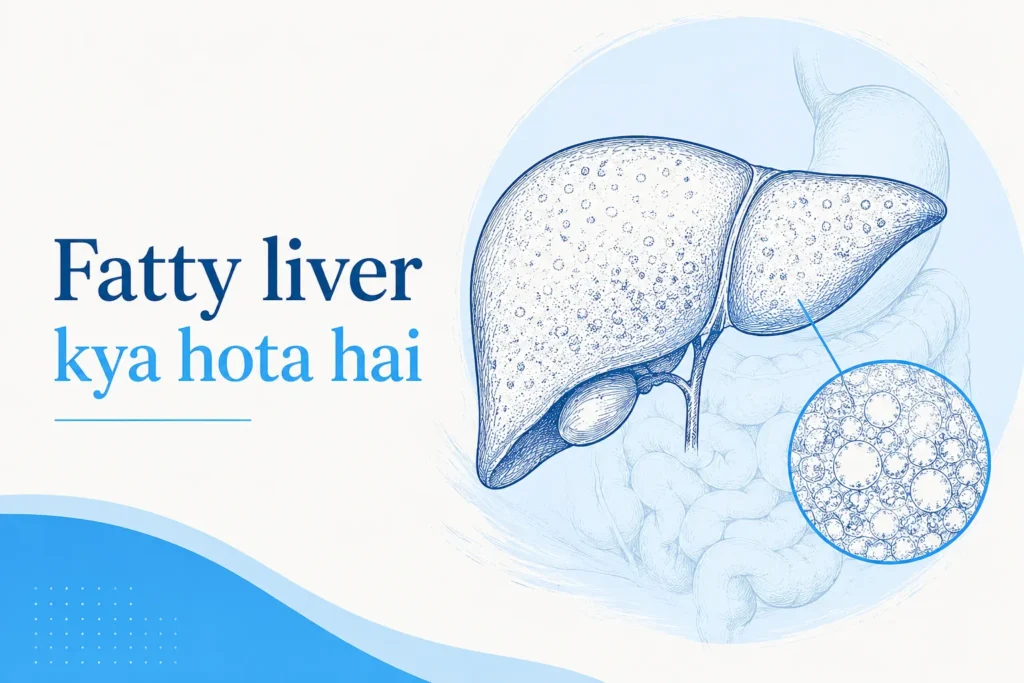
BMI Calculator +91 9820062040 | +91 8356977265 enquiry@thedigestive.in Digestive Health Institute by Dr. Muffi Digestive Health Institute by Dr. Muffi Fatty Liver Kya Hota Hai? Symptoms, Causes, Treatment, Diet and Prevention Fatty liver kya hota hai? Fatty liver is a condition in which excess fat builds up inside the liver cells. A small amount of fat in the liver can be normal, but excessive fat accumulation may indicate a metabolic or liver health problem that needs attention. Fatty liver is increasingly common in India and can affect people with obesity, diabetes, high cholesterol, insulin resistance and other metabolic conditions. Some people may have no symptoms and discover fatty liver during a routine ultrasound or blood test. The good news is that liver fat can often be reduced by addressing the underlying causes, improving diet, becoming physically active and managing associated health conditions. In this guide, we explain fatty liver kya hota hai, why it happens, its symptoms, different grades, diagnosis, treatment, diet and whether fatty liver can be reversed. Fatty Liver Kya Hota Hai? In simple terms, fatty liver means having an excessive amount of fat stored in the liver. The medical term for fat accumulation in the liver is hepatic steatosis. The liver performs hundreds of important functions, including: Processing nutrients Producing bile Helping regulate blood sugar Processing fats Removing and processing certain substances from the blood Storing energy Producing important proteins When too much fat accumulates in liver cells, the liver may become enlarged and, in some people, inflammation and scarring can develop. Fatty liver is not one single disease. The cause of the fat accumulation is important when determining the appropriate treatment. What Is the Normal Amount of Fat in the Liver? A healthy liver can contain a small amount of fat. When fat accumulation becomes excessive, doctors may diagnose hepatic steatosis. The amount of fat can be assessed using imaging tests such as ultrasound, although ultrasound does not provide a perfect measurement of liver fat. It is also important to understand that the amount of fat and the amount of liver damage are not exactly the same thing. Someone may have substantial liver fat without advanced fibrosis, while another person may have less obvious fat but still have important liver inflammation or scarring. Fatty Liver Ke Kya Lakshan Hote Hain? One of the biggest challenges with fatty liver is that many people do not experience any symptoms. Fatty liver is often discovered accidentally during: Abdominal ultrasound Routine health check-ups Blood tests Evaluation for diabetes or obesity Investigation of unrelated abdominal symptoms When symptoms do occur, they may include: Fatigue Low energy General weakness A feeling of heaviness or discomfort in the upper-right abdomen Occasionally, nonspecific digestive complaints These symptoms are not specific to fatty liver and can occur because of many other health conditions. Therefore, the absence of symptoms does not necessarily mean that the liver is healthy. Fatty Liver Kyu Hota Hai? 1. Overweight and Obesity Excess body fat, particularly abdominal fat, is strongly associated with fatty liver. When the body stores excess energy as fat, metabolic changes can increase the amount of fat reaching the liver. Losing excess weight gradually can help reduce liver fat in many people. 2. Diabetes and Insulin Resistance Insulin resistance occurs when the body’s cells do not respond effectively to insulin. This can alter the way the body handles glucose and fats and may promote fat accumulation in the liver. People with type 2 diabetes have a higher risk of developing fatty liver and progressive liver disease. 3. High Triglycerides High levels of triglycerides in the blood are associated with metabolic dysfunction and can contribute to fat accumulation in the liver. If you have fatty liver, your doctor may recommend a lipid profile to assess cholesterol and triglyceride levels. 4. Unhealthy Eating Patterns A diet consistently high in calories, added sugars and highly processed foods can increase the risk of fatty liver. Frequent consumption of: Sugary beverages Sweets Fried foods Fast food Processed snacks Refined carbohydrates Large portions can contribute to excess calorie intake and metabolic problems. 5. Alcohol Excessive alcohol consumption can cause fat accumulation and inflammation in the liver. Alcohol-related liver disease is different from metabolic fatty liver disease, so determining the underlying cause is important. 6. Lack of Physical Activity A sedentary lifestyle can contribute to weight gain, insulin resistance and poor metabolic health. Regular physical activity can improve insulin sensitivity and may reduce liver fat even when significant weight loss does not occur. 7. Certain Medical Conditions and Medications Some medical conditions and medicines can contribute to hepatic steatosis. Your doctor may therefore review your medical history, current medications and other health conditions when determining the cause. What Are the Types of Fatty Liver? Fatty liver is broadly associated with different causes. Metabolic Fatty Liver Disease A common form is metabolic dysfunction-associated steatotic liver disease (MASLD). It is associated with metabolic risk factors such as: Overweight or obesity Type 2 diabetes Insulin resistance High blood pressure Abnormal cholesterol or triglycerides Alcohol-Associated Liver Disease Excessive alcohol consumption can cause fat accumulation in the liver and may lead to inflammation and liver injury. A doctor will consider alcohol consumption when determining the cause of liver disease. What Are the Grades of Fatty Liver? If fatty liver is identified on ultrasound, it may be described as grade 1, grade 2 or grade 3. Grade 1 Fatty Liver Grade 1 generally indicates mild fatty infiltration. It may not cause symptoms and is often discovered incidentally. Grade 2 Fatty Liver Grade 2 generally indicates moderate fatty infiltration. It deserves proper evaluation, particularly if you have diabetes, obesity, high cholesterol or other metabolic risk factors. Grade 3 Fatty Liver Grade 3 indicates more severe fatty infiltration on imaging. It may be associated with a higher likelihood of underlying liver disease, but ultrasound grading alone cannot determine whether advanced fibrosis or cirrhosis is present. Additional assessment may be required. Is Fatty Liver Dangerous? Fatty liver is not always dangerous, but it
Fatty Liver Grade 2

BMI Calculator +91 9820062040 | +91 8356977265 enquiry@thedigestive.in Digestive Health Institute by Dr. Muffi Digestive Health Institute by Dr. Muffi Fatty Liver Grade 2: Symptoms, Causes, Treatment, Diet and Reversal Being diagnosed with fatty liver grade 2 can be concerning, especially if you do not know what the grade means or whether it can affect your long-term health. Many people discover fatty liver during a routine ultrasound and immediately wonder: Is grade 2 fatty liver dangerous? Can it be reversed? What should I eat? Do I need medicine? Fatty liver grade 2 generally means a moderate degree of fat accumulation in the liver, often identified during an ultrasound. It does not automatically mean cirrhosis or permanent liver damage. However, some people with fatty liver can also have liver inflammation or fibrosis, so the ultrasound grade should be considered alongside other clinical findings. This article explains what fatty liver grade 2 means, how it differs from other grades, its possible causes and symptoms, how it is diagnosed, what to eat, whether rice can be included, how it can improve, and when medical evaluation is important. What Is Fatty Liver Grade 2? Fatty liver, also called hepatic steatosis, occurs when excess fat accumulates inside liver cells. When fatty liver is identified on an ultrasound, it may be described as grade 1, grade 2, or grade 3 according to the degree of fat accumulation and the appearance of the liver. Fatty Liver Grade 1 vs Grade 2 vs Grade 3 Grade General description Grade 1 Mild fat accumulation Grade 2 Moderate fat accumulation Grade 3 More extensive fat accumulation These grades describe the amount of fat seen on imaging and should not be interpreted as stages of liver fibrosis. A person with Grade 2 fatty liver may or may not have significant inflammation or scarring. Additional assessment may be needed to determine fibrosis risk. Fatty liver grade 2 generally indicates moderate fatty infiltration of the liver. It is more pronounced than grade 1 fatty liver but does not automatically mean that the liver has permanent damage or cirrhosis. Importantly, an ultrasound grade mainly describes the amount of fat seen on imaging. It cannot by itself determine how much inflammation or scarring is present. This distinction matters because two people with the same ultrasound grade can have different levels of liver disease risk. Is Fatty Liver Grade 2 the Same as Stage 2 Liver Fibrosis? No. Fatty liver grade 2 and stage 2 liver fibrosis are different measurements. Fatty liver grading generally refers to the amount of fat seen in the liver, often on imaging such as an ultrasound. Fibrosis staging, on the other hand, refers to the amount of scar tissue that has developed in the liver. Therefore, an ultrasound report describing “Grade 2 fatty liver” does not automatically mean that a person has Stage 2 fibrosis. Depending on individual risk factors, doctors may use blood tests, non-invasive fibrosis scores or tests such as transient elastography to assess the possibility of liver scarring. Is Fatty Liver Grade 2 Dangerous? Fatty liver grade 2 can become a serious health concern if the underlying causes are not addressed, but it does not mean that you already have severe liver damage. In many people, liver fat can decrease substantially through lifestyle changes and management of metabolic health. However, some people with fatty liver develop inflammation. Persistent inflammation can eventually lead to fibrosis, or liver scarring. The possible progression is: Fat accumulation → inflammation → fibrosis → advanced fibrosis/cirrhosis Not everyone with fatty liver progresses through these stages. The risk can be higher in people with conditions such as: Type 2 diabetes Obesity Insulin resistance High triglycerides High cholesterol High blood pressure Metabolic syndrome Regular excessive alcohol consumption Other liver conditions Therefore, the goal is not simply to determine the fatty liver grade. It is also important to identify whether there are signs of inflammation or fibrosis. What Causes Fatty Liver Grade 2? 1. Excess Body Weight Being overweight or having obesity is strongly associated with fatty liver, particularly when excess fat is stored around the abdomen. As body weight increases, metabolic changes can encourage the accumulation of fat in the liver. For people who are overweight, gradual and sustainable weight loss can help reduce liver fat. 2. Insulin Resistance and Diabetes Insulin resistance affects how the body handles glucose and fat. When insulin resistance develops, more fatty acids can reach the liver, contributing to liver fat accumulation. People with type 2 diabetes have a higher risk of developing fatty liver and progressive liver disease. 3. High Triglycerides and Cholesterol Abnormal blood lipid levels can be associated with increased fat accumulation in the liver. If your ultrasound shows fatty liver, your doctor may recommend checking your cholesterol and triglyceride levels. 4. Unhealthy Eating Patterns A consistently high-calorie diet can contribute to fatty liver. Frequent consumption of: Sugary drinks Sweets Refined carbohydrates Deep-fried foods Ultra-processed foods Fast food Large portions may increase the risk, particularly when combined with low physical activity. 5. Alcohol Alcohol can cause fat to accumulate in the liver and may lead to inflammation and liver injury. If alcohol is the primary cause of liver disease, the condition is considered alcohol-associated liver disease rather than metabolic fatty liver disease. If you have been diagnosed with fatty liver, discuss alcohol consumption with your doctor rather than assuming that a particular amount is safe for you. 6. Lack of Physical Activity A sedentary lifestyle can contribute to weight gain and insulin resistance. Regular exercise can improve metabolic health and may reduce liver fat even when substantial weight loss does not occur. 7. Certain Medical Conditions and Medications Some medical conditions and medicines can contribute to hepatic steatosis. Your doctor may therefore review your medical history, current medications and other health conditions when determining the cause. What Are the Symptoms of Fatty Liver Grade 2? One of the most important facts about fatty liver grade 2 is that it may cause no noticeable symptoms. Many people discover
Antral Gastritis Symptoms

BMI Calculator +91 9820062040 | +91 8356977265 enquiry@thedigestive.in Digestive Health Institute by Dr. Muffi Digestive Health Institute by Dr. Muffi Antral Gastritis Symptoms: Early Signs, Causes, Diagnosis & Treatment If you’ve been experiencing persistent upper stomach discomfort, indigestion, or nausea, you may have come across the term antral gastritis. Understanding antral gastritis symptoms is important because the condition affects the lower portion of the stomach, known as the antrum, and may range from mild irritation to more persistent digestive symptoms. Antral gastritis refers to inflammation of the stomach lining in the antrum. The inflammation may develop suddenly (acute gastritis) or gradually over time (chronic gastritis). While some people have few or no symptoms, others experience recurring abdominal discomfort that affects eating and daily activities. This guide explains the common antral gastritis symptoms, possible causes, how the condition is diagnosed, available treatment options, dietary considerations, and when medical evaluation is recommended. What Is Antral Gastritis? Antral gastritis is inflammation that affects the antrum, which is the lower section of the stomach located just before the stomach connects to the small intestine. The antrum plays an important role in digestion by: Grinding food into smaller particles Helping regulate stomach emptying Producing hormones involved in digestive function When the lining of the antrum becomes inflamed, normal stomach function may be affected, leading to a variety of digestive symptoms. Acute vs. Chronic Antral Gastritis Healthcare professionals generally classify gastritis into two main types. Acute Antral Gastritis Acute gastritis develops suddenly and may produce symptoms over a short period. Possible causes include: Certain medications Alcohol Infections Severe physical stress related to illness Chronic Antral Gastritis Chronic gastritis develops gradually and may persist for months or years. Common causes include: Helicobacter pylori (H. pylori) infection Autoimmune conditions Long-term irritation of the stomach lining Some people with chronic gastritis have minimal symptoms, while others experience recurring digestive discomfort. Common Antral Gastritis Symptoms The severity of antral gastritis symptoms varies between individuals. Some experience only occasional indigestion, while others notice persistent discomfort. The most common symptoms include the following. 1. Upper Abdominal Pain Pain or discomfort in the upper abdomen is one of the most frequently reported antral gastritis symptoms. The pain may be described as: Dull Burning Aching Gnawing Pressure-like The intensity differs from person to person. 2. Burning Sensation in the Stomach Some individuals describe a burning feeling in the upper abdomen, particularly between meals or after eating certain foods. Although burning discomfort may occur with gastritis, similar symptoms are also seen in other digestive conditions, making proper evaluation important. 3. Indigestion (Dyspepsia) Indigestion is another common complaint. Symptoms may include: Discomfort after meals Feeling overly full Difficulty finishing normal-sized meals Mild upper abdominal pressure Persistent indigestion should be discussed with a healthcare professional, particularly if symptoms recur. 4. Bloating Inflammation of the stomach lining may be associated with a sensation of abdominal fullness or bloating. People often describe: Tightness in the upper abdomen Fullness after eating Increased abdominal pressure Because bloating has many possible causes, it should be interpreted along with other symptoms. 5. Nausea Nausea is among the common antral gastritis symptoms, especially when inflammation is more active. Some people experience nausea: Before meals After eating Early in the morning Throughout the day The pattern varies from one individual to another. 6. Vomiting Vomiting is less common than nausea but may occur in some cases. Persistent vomiting requires medical assessment because it may also indicate conditions other than gastritis. 7. Feeling Full Quickly Early satiety, or feeling full after eating a small amount of food, is another symptom reported by some people with antral gastritis. This may lead to: Smaller meal sizes Reduced appetite Changes in eating habits 8. Loss of Appetite Inflammation of the stomach lining may reduce the desire to eat. Loss of appetite may occur together with: Nausea Fullness Upper abdominal discomfort If appetite loss is persistent or accompanied by unintentional weight loss, medical evaluation is recommended. 9. Frequent Belching Some individuals experience increased belching or burping. Belching may occur along with: Bloating Indigestion Upper abdominal pressure Since belching is common in many digestive conditions, it is not specific to antral gastritis. 10. Acid Reflux or Heartburn Some people with antral gastritis also report heartburn or acid reflux symptoms. These include: Burning behind the breastbone Sour taste in the mouth Regurgitation of stomach contents However, acid reflux and gastritis are separate conditions, and one does not necessarily indicate the presence of the other. Where Is the Pain Located? Pain associated with antral gastritis is commonly felt in the upper middle part of the abdomen, just below the breastbone. The discomfort may: Occur after meals Be more noticeable on an empty stomach in some people Come and go Vary in intensity Because many digestive disorders produce similar symptoms, the location of pain alone is not enough to establish the diagnosis. People experiencing ongoing upper abdominal discomfort sometimes also report symptoms such as heaviness after meals. Our article on why my stomach feels heavy discusses other possible causes of this common digestive complaint. Can Antral Gastritis Cause Symptoms Without Pain? Yes. Not everyone with antral gastritis experiences abdominal pain. Some individuals notice only: Indigestion Nausea Bloating Early fullness Reduced appetite Others may have no symptoms at all, with gastritis identified during investigations performed for another reason. Conditions That May Cause Similar Symptoms Several digestive disorders share symptoms with antral gastritis. These include: Functional dyspepsia Gastroesophageal reflux disease (GERD) Peptic ulcers Gallbladder disorders Irritable bowel syndrome Certain stomach conditions Because symptoms overlap, medical evaluation helps determine the underlying cause. Persistent digestive symptoms may also occur in other gastrointestinal conditions. Our guide on early signs of gastrointestinal disease explains symptoms that should prompt further assessment. Several digestive disorders share symptoms with antral gastritis. These include: Functional dyspepsia Gastroesophageal reflux disease (GERD) Peptic ulcers Gallbladder disorders Irritable bowel syndrome Certain stomach conditions Because symptoms overlap, medical evaluation helps determine the underlying cause. Persistent digestive symptoms may also occur in other gastrointestinal conditions. Our guide on
Incisional Hernia Symptoms
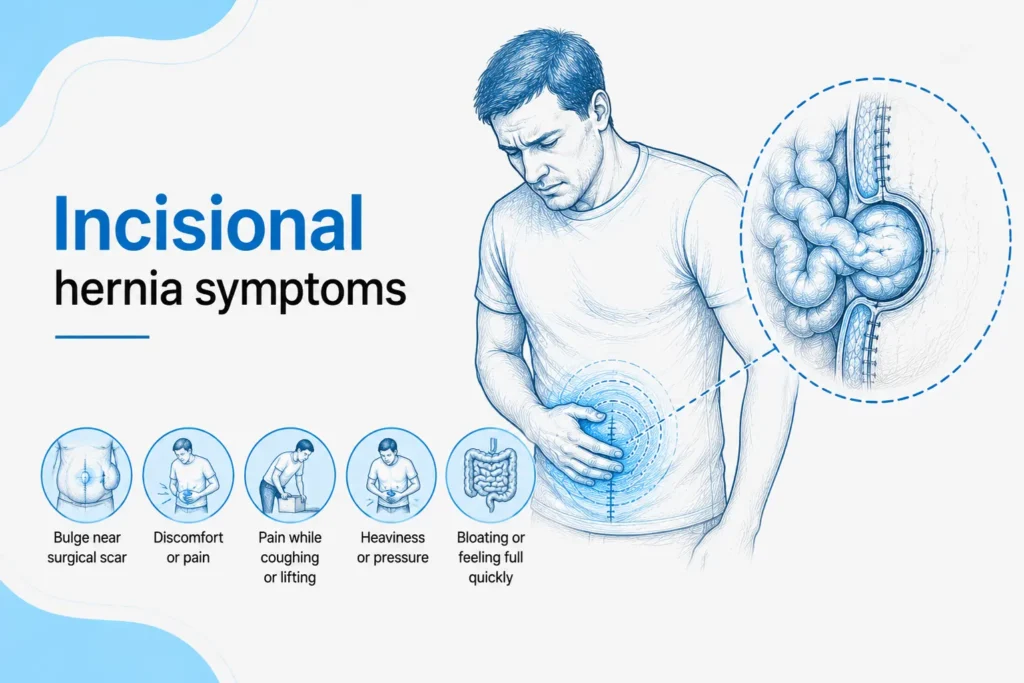
BMI Calculator +91 9820062040 | +91 8356977265 enquiry@thedigestive.in Digestive Health Institute by Dr. Muffi Digestive Health Institute by Dr. Muffi Incisional Hernia Symptoms: Early Signs, Causes, Treatment & When to Seek Medical Care If you’ve noticed a lump or discomfort near the site of a previous abdominal operation, you may be wondering whether it is related to an incisional hernia. Recognizing incisional hernia symptoms early is important because the condition develops in an area where the abdominal wall has been weakened by a previous surgical incision. An incisional hernia occurs when tissue or part of an organ pushes through a weakened section of the abdominal wall at or near the site of a previous surgery. While some people notice only a small bulge with minimal discomfort, others experience pain, swelling, or symptoms that become more noticeable during physical activity. This guide explains the common incisional hernia symptoms, why they occur, the factors that increase the risk, when medical evaluation is recommended, and the treatment options available. What Is an Incisional Hernia? An incisional hernia is a type of abdominal wall hernia that develops through a previous surgical incision. After abdominal surgery, the incision heals by forming scar tissue. In some people, the abdominal wall remains weaker at the surgical site. Over time, pressure inside the abdomen may allow tissue to protrude through this weakened area, forming an incisional hernia. Incisional hernias may develop after many types of abdominal operations, including procedures involving the: Stomach Gallbladder Intestines Colon Appendix Liver Gynecological organs The condition may appear weeks, months, or even years after the original surgery. Where Does an Incisional Hernia Occur? An incisional hernia usually develops directly beneath or close to a previous surgical scar. Common locations include: Middle of the abdomen Upper abdomen Lower abdomen Around the belly button after surgery Areas where laparoscopic ports were placed The size of the hernia varies. Some remain small, while others gradually enlarge over time. Common Incisional Hernia Symptoms The symptoms of an incisional hernia differ from person to person. Some individuals notice only a visible swelling, while others experience discomfort during everyday activities. The most common incisional hernia symptoms include the following. 1. A Visible Bulge Near the Surgical Scar A lump or bulge near a previous incision is often the earliest sign of an incisional hernia. The bulge may: Become more noticeable while standing Increase in size when coughing Appear after lifting heavy objects Reduce or disappear when lying down The size of the bulge does not always reflect the severity of the condition, so medical evaluation is recommended if a new swelling develops after abdominal surgery. 2. Swelling Around the Incision Some people notice swelling rather than a clearly defined lump. The swelling may: Become more obvious later in the day Increase after prolonged standing Feel soft when touched Change in size with physical activity Persistent swelling near a previous surgical incision should be assessed by a healthcare professional. 3. Pain Around the Surgical Site Pain is one of the most frequently reported incisional hernia symptoms. The discomfort may range from mild aching to more noticeable pain during activities that increase pressure inside the abdomen. Pain is commonly reported during: Standing for long periods Walking long distances Lifting heavy objects Coughing Sneezing Bending forward The intensity varies from one individual to another. 4. A Pulling or Tugging Sensation Many people describe a feeling of pulling around the old surgical scar. This sensation may become more noticeable when: Reaching overhead Stretching Turning in bed Getting out of a chair Climbing stairs The feeling may be intermittent or occur only during specific movements. 5. A Feeling of Heaviness As an incisional hernia enlarges, some people describe a sensation of pressure or heaviness in the abdomen. This feeling may become more noticeable: After meals During prolonged standing After physical activity At the end of the day Resting or lying down may reduce the discomfort in some individuals. 6. Burning or Aching Sensation Some people experience: Burning discomfort Dull aching Tenderness around the incision Localized soreness These symptoms have several possible causes and should be assessed alongside other clinical findings. 7. Symptoms That Become Worse During Physical Activity Activities that increase pressure within the abdomen often make incisional hernia symptoms more noticeable. Examples include: Heavy lifting Exercise Coughing Straining during bowel movements Carrying heavy bags The symptoms often improve after resting, although this pattern varies. What Does an Incisional Hernia Feel Like? People describe the sensation differently depending on the size of the hernia and the tissues involved. Common descriptions include: A soft lump beneath the skin A feeling of pressure Pulling around the scar Aching after activity Mild burning Fullness near the incision In some cases, the bulge becomes less noticeable when lying flat because the protruding tissue moves back into the abdomen. Are Incisional Hernia Symptoms Always Painful? Not always. Some people notice only a visible bulge without significant pain. Others experience discomfort only during activities that increase abdominal pressure. The absence of pain does not necessarily indicate that the hernia should be ignored. Any new lump near a previous abdominal incision should be evaluated to confirm the diagnosis and discuss appropriate management. Conditions That May Cause Similar Symptoms Not every lump near a surgical scar is an incisional hernia. Other conditions that may produce similar symptoms include: Scar tissue Seroma (fluid collection) Hematoma Lipoma Soft tissue swelling Other types of abdominal wall hernias For example, hernias in the upper abdomen may produce symptoms that differ from an incisional hernia. Our article on epigastric hernia symptoms explains how this type of hernia presents and how it differs in location and symptoms When Do Incisional Hernia Symptoms Become Serious? Many incisional hernias develop gradually, and symptoms may remain mild for some time. However, some changes require prompt medical evaluation because they may indicate a complication. You should seek medical attention if incisional hernia symptoms include: A bulge that suddenly becomes larger Increasing pain that does not improve with rest A lump that
Grade 1 Fatty Liver: Symptoms, Causes, Treatment, Diet & Recovery Guide
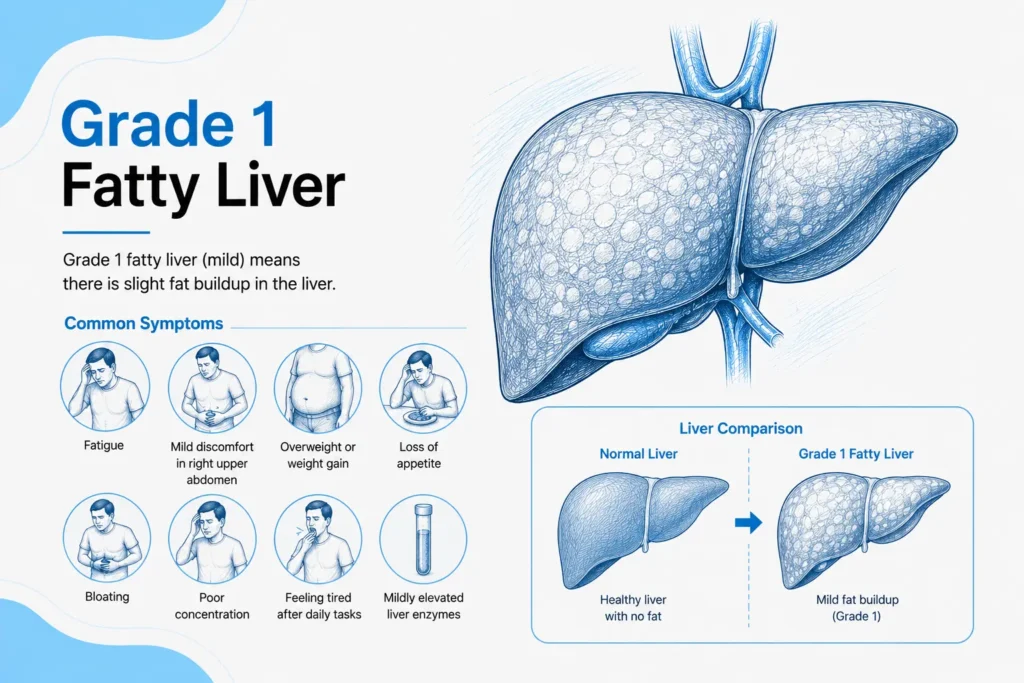
BMI Calculator +91 9820062040 | +91 8356977265 enquiry@thedigestive.in Digestive Health Institute by Dr. Muffi Digestive Health Institute by Dr. Muffi Grade 1 Fatty Liver: Symptoms, Causes, Treatment, Diet & Recovery Guide Being told that you have Grade 1 fatty liver after an ultrasound can be worrying, especially if you have no symptoms and were not expecting the diagnosis. Many people immediately ask, “Is Grade 1 fatty liver dangerous?” or “Can it become normal again?” Grade 1 fatty liver is the earliest stage of fatty liver disease, where a small amount of fat accumulates in the liver cells. At this stage, the liver often continues to function normally, and many people do not experience noticeable symptoms. However, identifying Grade 1 fatty liver provides an opportunity to evaluate possible causes and discuss lifestyle measures that support liver health. This guide explains everything you need to know about Grade 1 fatty liver, including its symptoms, causes, diagnosis, treatment options, dietary considerations, and lifestyle changes. You’ll also learn how Grade 1 fatty liver differs from more advanced stages and when medical evaluation is recommended. What Is Grade 1 Fatty Liver? Grade 1 fatty liver refers to the mildest stage of fatty liver disease. It means that a small amount of fat has accumulated inside the liver cells. The liver performs many important functions, including: Processing nutrients Producing proteins Storing energy Helping digest fats through bile production Removing waste products from the blood When excess fat builds up within liver cells, the condition is known as fatty liver or hepatic steatosis. In Grade 1 fatty liver, the amount of fat is relatively mild compared with more advanced stages. Many cases are detected during an ultrasound performed for unrelated abdominal symptoms or as part of a routine health check-up. What Does Grade 1 Fatty Liver Mean? If your ultrasound report mentions Grade 1 fatty liver, it indicates that the liver appears slightly brighter than usual because of mild fat accumulation. The grading describes the appearance of fat on imaging studies. It does not, by itself, determine how well the liver is functioning or whether inflammation or scarring is present. Your healthcare provider may recommend additional evaluation, such as blood tests or other imaging studies, depending on your medical history, symptoms, and risk factors. How Does Fat Build Up in the Liver? Fat enters and leaves the liver continuously as part of normal metabolism. Fat may accumulate when: More fat reaches the liver than it can process The liver produces more fat than it removes Fat is not broken down efficiently The body’s metabolism is affected by conditions such as obesity or diabetes Over time, these changes may lead to fat accumulation within liver cells. Several factors may contribute, which we’ll discuss later in this guide. Types of Fatty Liver Disease Fatty liver disease is generally classified into two broad categories based on the underlying cause. 1. Non-Alcoholic Fatty Liver Disease (NAFLD) Non-alcoholic fatty liver disease occurs when fat accumulates in the liver in people who consume little or no alcohol. It is commonly associated with: Overweight or obesity Type 2 diabetes High cholesterol High triglycerides Metabolic syndrome NAFLD is one of the most common causes of Grade 1 fatty liver. 2. Alcohol-Related Fatty Liver Disease Alcohol-related fatty liver disease develops when excessive alcohol intake contributes to fat accumulation in the liver. The amount of alcohol associated with liver disease varies between individuals and depends on several factors, including overall health and drinking patterns. Grade 1 vs Grade 2 vs Grade 3 Fatty Liver Fatty liver is commonly described using three grades based on imaging findings. Grade Description Fat Accumulation Ultrasound Appearance Grade 1 Mild fatty liver Mild Slight increase in liver brightness Grade 2 Moderate fatty liver Moderate More obvious increase in brightness with reduced visibility of some internal structures Grade 3 Severe fatty liver Marked Significant increase in brightness with poor visualization of deeper liver structures The grading is based on imaging findings and does not always reflect symptoms or the presence of liver inflammation. Is Grade 1 Fatty Liver Dangerous? One of the most common questions people ask is whether Grade 1 fatty liver is dangerous. Grade 1 fatty liver is the earliest stage of fatty liver disease. Many people have no symptoms, and the condition is often discovered incidentally during an ultrasound. Although the condition is mild, it should not be ignored. Your healthcare provider may recommend identifying possible underlying causes, evaluating associated health conditions such as diabetes or high cholesterol, and discussing lifestyle measures that support liver health. Regular follow-up may also be advised to monitor the condition over time, depending on individual risk factors. Can Grade 1 Fatty Liver Become Normal? Another common question is whether Grade 1 fatty liver can return to normal. The answer depends on the underlying cause, overall health, and adherence to the treatment plan recommended by your healthcare provider. Management often focuses on: Achieving and maintaining a healthy weight, when appropriate Regular physical activity Following a balanced diet Managing diabetes, cholesterol, or other metabolic conditions Limiting alcohol if advised The most appropriate approach varies from person to person and should be discussed with a healthcare professional. Does Grade 1 Fatty Liver Always Cause Symptoms? No. Many people with Grade 1 fatty liver do not experience any noticeable symptoms. In fact, the condition is frequently identified during an ultrasound performed for unrelated reasons. When symptoms are present, they are often non-specific and may overlap with other digestive or liver conditions. The next section explains the most commonly reported Grade 1 fatty liver symptoms and why they occur. Can Grade 1 Fatty Liver Affect Liver Function? In many individuals, routine liver function tests remain within the normal range despite mild fat accumulation in the liver. However, some people may have abnormal liver enzyme levels, while others may require additional investigations depending on their symptoms, medical history, or associated health conditions. The ultrasound grade alone does not determine how well the liver is functioning. Your healthcare provider interprets
Puestow Procedure: Indications, Surgery, Recovery & Risks
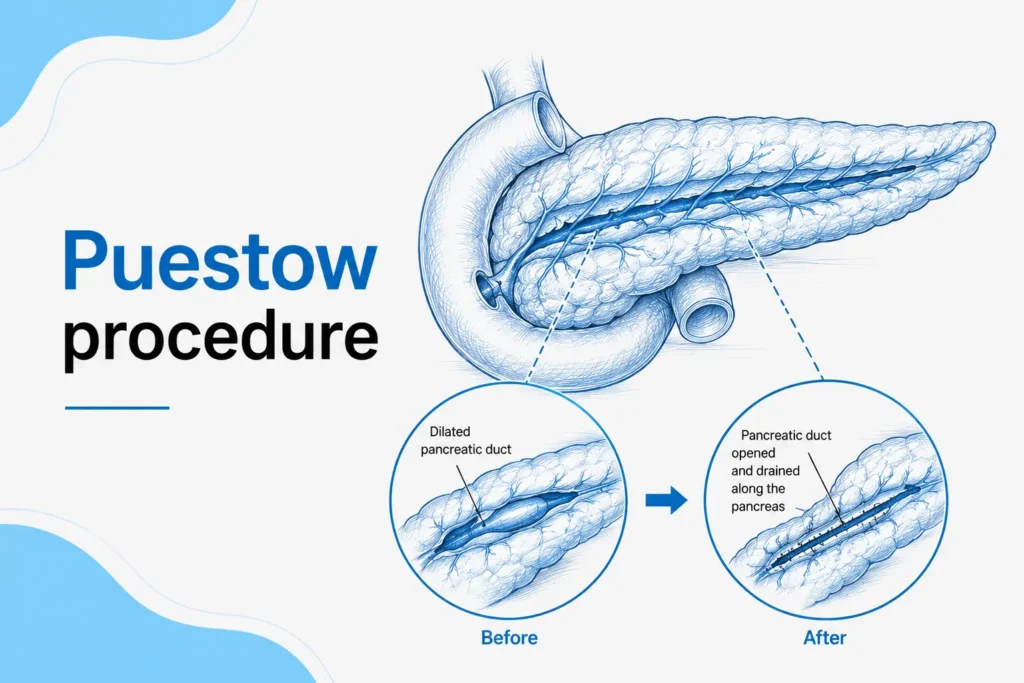
BMI Calculator +91 9820062040 | +91 8356977265 enquiry@thedigestive.in Digestive Health Institute by Dr. Muffi Digestive Health Institute by Dr. Muffi Puestow Procedure: Indications, Surgery, Recovery & Risks The Puestow procedure is a surgical treatment performed for selected people with chronic pancreatitis who have a widened (dilated) pancreatic duct and ongoing symptoms despite medical management. The operation is designed to improve drainage of pancreatic secretions by creating a connection between the pancreatic duct and the small intestine. Chronic pancreatitis is a long-term inflammatory condition that gradually damages the pancreas. Over time, inflammation may lead to narrowing of the pancreatic duct, stone formation, and increased pressure within the duct. These changes are associated with persistent abdominal pain, digestive problems, and reduced pancreatic function in some individuals. The Puestow procedure is one of several surgical options used in carefully selected patients. Whether it is appropriate depends on factors such as pancreatic duct size, imaging findings, the underlying cause of chronic pancreatitis, and the person’s overall health. This guide explains the Puestow procedure, including why it is performed, who may benefit from it, how the surgery is carried out, possible risks, recovery, and frequently asked questions. What Is the Puestow Procedure? The Puestow procedure, also known as longitudinal pancreaticojejunostomy, is a pancreas-preserving surgical procedure used to improve drainage from the pancreatic duct. Instead of removing the pancreas, the surgeon opens the length of the enlarged pancreatic duct and joins it to a loop of the small intestine (jejunum). This allows pancreatic secretions to drain more freely. The procedure was developed to address pain and ductal obstruction associated with chronic pancreatitis in selected patients. Unlike operations performed for pancreatic cancer, the Puestow procedure focuses on improving drainage while preserving as much pancreatic tissue as possible. Why Is the Puestow Procedure Performed? The Puestow procedure is primarily performed for selected patients with chronic pancreatitis and a dilated pancreatic duct. Long-standing inflammation may result in: Pancreatic duct obstruction Pancreatic duct stones Increased pressure inside the duct Persistent upper abdominal pain Digestive symptoms related to chronic pancreatitis The aim of surgery is to improve drainage of the pancreatic duct when appropriate based on clinical evaluation and imaging findings. Conditions Associated With the Puestow Procedure The operation may be considered in people with: Chronic pancreatitis Dilated main pancreatic duct Pancreatic duct stones Ductal narrowing (strictures) Persistent symptoms despite medical treatment Recurrent episodes related to chronic pancreatic duct obstruction Not every person with chronic pancreatitis requires surgery. The treatment approach depends on symptoms, imaging findings, pancreatic function, and response to non-surgical management. Who May Be a Candidate for the Puestow Procedure? Doctors evaluate several factors before recommending the Puestow procedure. A patient may be considered for surgery after a detailed assessment that includes symptoms, imaging studies, and overall health. Factors that support consideration of the procedure include: A significantly dilated main pancreatic duct Chronic pancreatitis confirmed through imaging Persistent pain despite medical management Pancreatic duct stones causing obstruction Adequate fitness for surgery Every treatment plan is individualized, and a multidisciplinary team may be involved in decision-making. Who May Not Be a Suitable Candidate? The Puestow procedure is not appropriate for every patient with pancreatic disease. Alternative treatments may be considered when there is: A small pancreatic duct Suspicion or diagnosis of pancreatic cancer Acute pancreatitis requiring different management Severe medical conditions that increase surgical risk Extensive disease requiring another type of pancreatic operation A pancreatic surgeon determines the most appropriate treatment after reviewing imaging studies and clinical findings. How Do Doctors Evaluate Patients Before Surgery? Before recommending the Puestow procedure, doctors perform a detailed evaluation to understand the extent of pancreatic disease. This assessment usually includes: Medical History The healthcare team reviews: Duration of symptoms Previous episodes of pancreatitis Current medications Alcohol history, where relevant Smoking history Previous abdominal surgery Family history of pancreatic disease Physical Examination The examination focuses on identifying signs related to chronic pancreatitis, nutritional status, and abdominal tenderness. Blood Tests Blood investigations may include: Complete blood count Liver function tests Kidney function tests Blood sugar levels Pancreatic enzyme levels when appropriate Coagulation profile before surgery These tests help assess overall health and assist with surgical planning. Imaging Studies Imaging plays a central role in deciding whether the Puestow procedure is suitable. Investigations may include: CT Scan A CT scan provides detailed information about: Pancreatic calcification Pancreatic duct size Pancreatic stones Surrounding organs Complications of chronic pancreatitis MRI and MRCP Magnetic Resonance Cholangiopancreatography (MRCP) provides detailed images of the pancreatic and bile ducts without using invasive techniques. It helps identify: Duct narrowing Stone location Ductal anatomy Obstruction Endoscopic Ultrasound (EUS) Endoscopic ultrasound offers detailed images of the pancreas and surrounding structures. In selected patients, it helps evaluate chronic pancreatitis and exclude other pancreatic conditions. Is the Puestow Procedure a Major Surgery? Yes. The Puestow procedure is considered a major abdominal operation because it involves surgery on the pancreas and the small intestine under general anesthesia. As with any major surgery, careful preoperative assessment, postoperative monitoring, and follow-up are important parts of treatment. Related Reading: If you’re unfamiliar with common surgical terms, read our guide on Difference Between Surgery and Operation: https://drmuffi.in/difference-between-surgery-and-operation/ Benefits of the Puestow Procedure The Puestow procedure is designed to improve drainage of the pancreatic duct in carefully selected patients with chronic pancreatitis. The expected benefits vary depending on the extent of pancreatic disease, the individual’s overall health, and other medical conditions. Potential benefits include: Improved drainage of pancreatic secretions Relief of pancreatic duct obstruction Management of symptoms associated with chronic pancreatitis Removal of pancreatic duct stones during surgery when present Preservation of much of the pancreatic tissue compared with some pancreatic resection procedures The treatment plan and expected outcomes should always be discussed with the treating surgeon before surgery. Risks of the Puestow Procedure Like all major abdominal operations, the Puestow procedure carries potential risks. Possible complications include: Bleeding Infection Leakage from the surgical connection (anastomotic leak) Pancreatic fistula Delayed gastric emptying Blood clots Pneumonia Injury to nearby organs Wound-related complications Recurrence or
What can you never eat again after gastric bypass
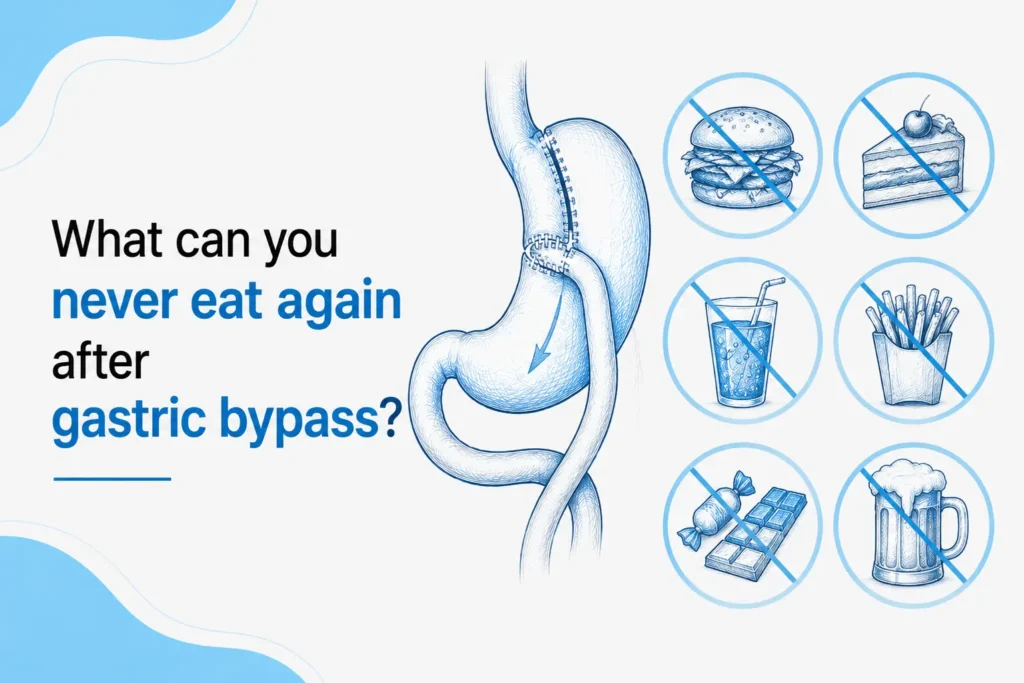
BMI Calculator +91 9820062040 | +91 8356977265 enquiry@thedigestive.in Digestive Health Institute by Dr. Muffi Digestive Health Institute by Dr. Muffi What Can You Never Eat Again After Gastric Bypass? One of the most common questions people ask after weight loss surgery is, what can you never eat again after gastric bypass? The concern is understandable because gastric bypass changes the way food moves through the digestive system and affects how much food the stomach can comfortably hold. The short answer is that there is no universal list of foods that every person must permanently avoid after gastric bypass. However, certain foods and drinks are often discouraged because they may be difficult to tolerate, increase the likelihood of digestive symptoms, or make it harder to meet long-term nutritional goals. Individual food tolerance varies from person to person. Some people tolerate foods that others find uncomfortable, while dietary recommendations may also change as recovery progresses. For this reason, the long-term eating plan should always follow the guidance of the bariatric surgeon and dietitian. This guide explains what can you never eat again after gastric bypass, why eating habits change after surgery, foods that are commonly limited, healthier alternatives, and practical tips for maintaining balanced nutrition. Why Does Diet Change After Gastric Bypass? Understanding why food choices change makes it easier to answer what can you never eat again after gastric bypass. During gastric bypass surgery, a small stomach pouch is created and connected directly to part of the small intestine. Because food follows a different route through the digestive system, the amount eaten at one time becomes much smaller, and digestion changes. These changes influence: Portion size Digestion Nutrient absorption Meal timing Food tolerance Long-term eating habits The dietary recommendations after surgery are designed to support healing, reduce digestive discomfort, and help patients meet their nutritional requirements. If you’d like to understand how gastric bypass fits among other bariatric procedures, our guide on everything you wanted to know about bariatric surgery explains the different surgical options and how they work. Is There Any Food You Can Never Eat Again After a Gastric Bypass? Many people expect a long list of foods that become permanently forbidden after surgery. In reality, there is no single list that applies to everyone. Instead, healthcare professionals usually discuss foods that are commonly limited or discouraged because they are more likely to cause discomfort, are difficult to digest, or provide little nutritional value. The ability to tolerate certain foods depends on factors such as: Stage of recovery Individual digestive response Portion size Eating speed Overall health Advice from the bariatric care team This individualized approach helps patients develop eating habits that support long-term health after surgery. Foods Commonly Discouraged After Gastric Bypass 1. Foods High in Added Sugar Foods that contain large amounts of added sugar are among the most commonly discussed when asking what can you never eat again after gastric bypass. Examples include: Candy Cakes Cookies Sweet pastries Sugary desserts Syrups Large amounts of sugar may increase the likelihood of dumping syndrome in some people after gastric bypass. Symptoms may include: Nausea Abdominal cramps Diarrhea Dizziness Sweating Rapid heartbeat Not everyone experiences dumping syndrome in the same way, but limiting foods high in added sugar is commonly recommended after surgery. 2. Sugary Drinks Scar tissue forms naturally as part of healing after surgery. In some individuals, scar tissue creates tightness or pulling sensations, particularly during stretching or physical activity. These symptoms may gradually change over time as healing continues. 3. Carbonated Drinks Carbonated beverages are often discouraged after gastric bypass. Examples include: Soda Sparkling soft drinks Fizzy energy drinks Some people report bloating or abdominal discomfort after consuming carbonated beverages, although individual tolerance varies. 4. Fried Foods Fried foods are another category frequently discussed when considering what can you never eat again after gastric bypass. Examples include: French fries Fried chicken Pakoras Samosas Fried snacks These foods are often high in fat and calories and may be difficult for some individuals to tolerate after surgery. 5. High-Fat Foods Foods containing large amounts of fat may slow digestion and contribute to digestive discomfort in some people. Examples include: Fatty cuts of meat Processed meats Full-fat cream Butter-rich foods Deep-fried restaurant meals A bariatric dietitian usually helps patients choose healthier sources of fat that fit into a balanced eating plan.11 6. Alcohol Alcohol requires special consideration after gastric bypass because changes in digestion may affect how it is absorbed. Alcohol also provides calories without significant nutritional value. Whether alcohol is appropriate after surgery depends on individual medical advice, recovery, medications, and overall health. 7. Tough or Dry Meats Protein is an important part of the diet after gastric bypass, but some meats may be more difficult to tolerate. Examples include: Dry steak Overcooked chicken Tough pork Large pieces of meat Chewing thoroughly and eating slowly may improve tolerance, although recommendations vary between individuals. 8. Sticky Foods When discussing what can you never eat again after gastric bypass, sticky foods are often included because some people find them difficult to tolerate after surgery. Examples include: White bread Fresh dough Bagels Chewy rolls Sticky rice cakes These foods may form a dense texture after chewing, which some individuals find uncomfortable when passing through the smaller stomach pouch. Tolerance varies, and dietary recommendations should follow the advice of the bariatric team. 9. Highly Processed Snack Foods Highly processed foods are generally low in protein and high in calories, salt, unhealthy fats, or added sugar. Examples include: Potato chips Packaged snack mixes Sweet biscuits Processed crackers Candy bars These foods may make it more difficult to meet daily protein and nutrient goals after gastric bypass. Choosing nutrient-rich foods instead supports long-term dietary balance. 10. Large Portion Sizes After gastric bypass, how much you eat becomes just as important as what you eat. Because the stomach pouch is much smaller than before surgery, eating large portions may lead to symptoms such as: Abdominal discomfort Nausea Vomiting A feeling of fullness Regurgitation Healthcare