Digestive Health Institute
by Dr. Muffi
Digestive Health Institute
by Dr. Muffi
What Can You Never Eat Again After Gastric Bypass?
One of the most common questions people ask after weight loss surgery is, what can you never eat again after gastric bypass? The concern is understandable because gastric bypass changes the way food moves through the digestive system and affects how much food the stomach can comfortably hold.
The short answer is that there is no universal list of foods that every person must permanently avoid after gastric bypass. However, certain foods and drinks are often discouraged because they may be difficult to tolerate, increase the likelihood of digestive symptoms, or make it harder to meet long-term nutritional goals.
Individual food tolerance varies from person to person. Some people tolerate foods that others find uncomfortable, while dietary recommendations may also change as recovery progresses. For this reason, the long-term eating plan should always follow the guidance of the bariatric surgeon and dietitian.
This guide explains what can you never eat again after gastric bypass, why eating habits change after surgery, foods that are commonly limited, healthier alternatives, and practical tips for maintaining balanced nutrition.
Why Does Diet Change After Gastric Bypass?
Understanding why food choices change makes it easier to answer what can you never eat again after gastric bypass.
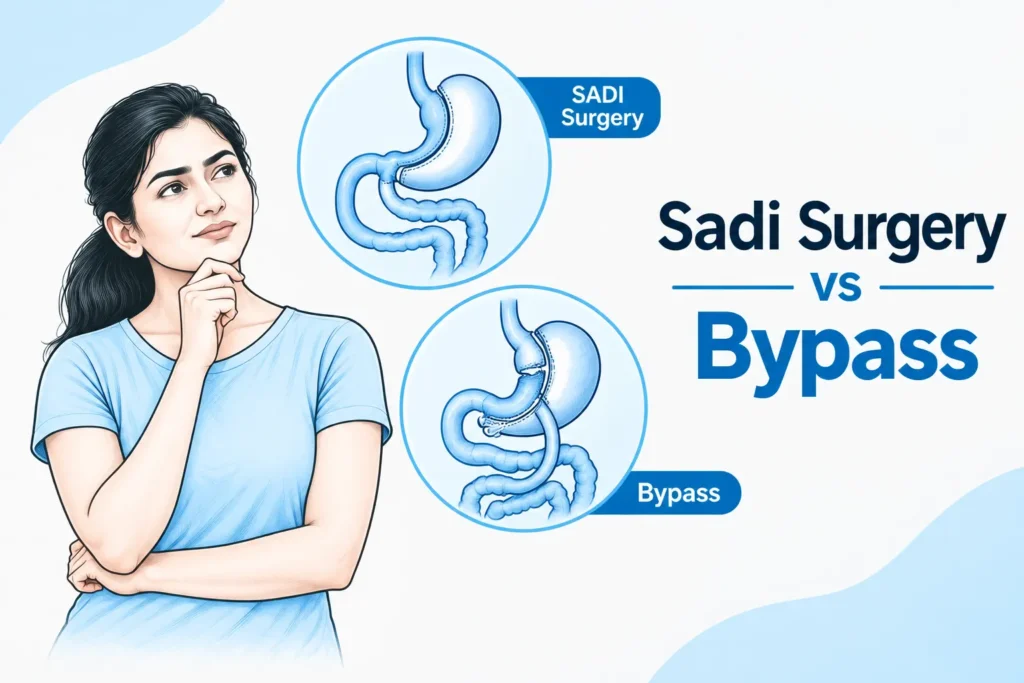
During gastric bypass surgery, a small stomach pouch is created and connected directly to part of the small intestine. Because food follows a different route through the digestive system, the amount eaten at one time becomes much smaller, and digestion changes.
These changes influence:
- Portion size
- Digestion
- Nutrient absorption
- Meal timing
- Food tolerance
- Long-term eating habits
The dietary recommendations after surgery are designed to support healing, reduce digestive discomfort, and help patients meet their nutritional requirements.
If you’d like to understand how gastric bypass fits among other bariatric procedures, our guide on everything you wanted to know about bariatric surgery explains the different surgical options and how they work.
Is There Any Food You Can Never Eat Again After a Gastric Bypass?
Many people expect a long list of foods that become permanently forbidden after surgery.
In reality, there is no single list that applies to everyone.
Instead, healthcare professionals usually discuss foods that are commonly limited or discouraged because they are more likely to cause discomfort, are difficult to digest, or provide little nutritional value.
The ability to tolerate certain foods depends on factors such as:
- Stage of recovery
- Individual digestive response
- Portion size
- Eating speed
- Overall health
- Advice from the bariatric care team
This individualized approach helps patients develop eating habits that support long-term health after surgery.
Foods Commonly Discouraged After Gastric Bypass
1. Foods High in Added Sugar
Foods that contain large amounts of added sugar are among the most commonly discussed when asking what can you never eat again after gastric bypass.
Examples include:
- Candy
- Cakes
- Cookies
- Sweet pastries
- Sugary desserts
- Syrups
Large amounts of sugar may increase the likelihood of dumping syndrome in some people after gastric bypass.
Symptoms may include:
- Nausea
- Abdominal cramps
- Diarrhea
- Dizziness
- Sweating
- Rapid heartbeat
Not everyone experiences dumping syndrome in the same way, but limiting foods high in added sugar is commonly recommended after surgery.
2. Sugary Drinks
Scar tissue forms naturally as part of healing after surgery.
In some individuals, scar tissue creates tightness or pulling sensations, particularly during stretching or physical activity.
These symptoms may gradually change over time as healing continues.
3. Carbonated Drinks
Carbonated beverages are often discouraged after gastric bypass.
Examples include:
- Soda
- Sparkling soft drinks
- Fizzy energy drinks
Some people report bloating or abdominal discomfort after consuming carbonated beverages, although individual tolerance varies.
4. Fried Foods
Fried foods are another category frequently discussed when considering what can you never eat again after gastric bypass.
Examples include:
- French fries
- Fried chicken
- Pakoras
- Samosas
- Fried snacks
These foods are often high in fat and calories and may be difficult for some individuals to tolerate after surgery.
5. High-Fat Foods
Foods containing large amounts of fat may slow digestion and contribute to digestive discomfort in some people.
Examples include:
- Fatty cuts of meat
- Processed meats
- Full-fat cream
- Butter-rich foods
- Deep-fried restaurant meals
A bariatric dietitian usually helps patients choose healthier sources of fat that fit into a balanced eating plan.11
6. Alcohol
Alcohol requires special consideration after gastric bypass because changes in digestion may affect how it is absorbed.
Alcohol also provides calories without significant nutritional value.
Whether alcohol is appropriate after surgery depends on individual medical advice, recovery, medications, and overall health.
7. Tough or Dry Meats
Protein is an important part of the diet after gastric bypass, but some meats may be more difficult to tolerate.
Examples include:
- Dry steak
- Overcooked chicken
- Tough pork
- Large pieces of meat
Chewing thoroughly and eating slowly may improve tolerance, although recommendations vary between individuals.
8. Sticky Foods
When discussing what can you never eat again after gastric bypass, sticky foods are often included because some people find them difficult to tolerate after surgery.
Examples include:
- White bread
- Fresh dough
- Bagels
- Chewy rolls
- Sticky rice cakes
These foods may form a dense texture after chewing, which some individuals find uncomfortable when passing through the smaller stomach pouch.
Tolerance varies, and dietary recommendations should follow the advice of the bariatric team.
9. Highly Processed Snack Foods
Highly processed foods are generally low in protein and high in calories, salt, unhealthy fats, or added sugar.
Examples include:
- Potato chips
- Packaged snack mixes
- Sweet biscuits
- Processed crackers
- Candy bars
These foods may make it more difficult to meet daily protein and nutrient goals after gastric bypass.
Choosing nutrient-rich foods instead supports long-term dietary balance.
10. Large Portion Sizes
After gastric bypass, how much you eat becomes just as important as what you eat.
Because the stomach pouch is much smaller than before surgery, eating large portions may lead to symptoms such as:
- Abdominal discomfort
- Nausea
- Vomiting
- A feeling of fullness
- Regurgitation
Healthcare professionals usually recommend eating slowly and stopping when comfortably full.
Foods to Prioritize After Gastric Bypass
Instead of focusing only on what can you never eat again after gastric bypass, it is equally important to understand the foods that support recovery and long-term nutrition.
A balanced bariatric meal plan often emphasizes:
Lean Protein
Protein supports healing and helps preserve muscle mass.
Examples include:
- Skinless chicken
- Fish
- Eggs
- Low-fat dairy products
- Tofu
- Lentils and beans, if tolerated
Protein is commonly recommended as the first component of each meal.
Vegetables
Vegetables provide:
- Fibre
- Vitamins
- Minerals
Cooked vegetables are often introduced before raw vegetables during recovery, depending on the stage of the postoperative diet.
Fruits
Fresh fruit provides vitamins and fibre.
Some fruits may be introduced gradually as advised by the bariatric dietitian.
Whole Grains
Whole grains contribute fibre and nutrients.
The quantity and timing of introducing whole grains depend on the stage of recovery and individual tolerance.
Healthy Fluids
Whole grains contribute fibre and nutrients.
Adequate hydration remains important after gastric bypass.
Common recommendations include:
- Water
- Sugar-free beverages
- Clear soups
- Fluids without added sugar
Many bariatric programs advise separating food and fluids during meals to improve comfort and meal tolerance. Individual recommendations vary.
What Happens If You Eat the Wrong Foods?
People often ask what can you never eat again after gastric bypass because they worry about the effects of eating foods that are poorly tolerated.
Depending on the individual and the type of food consumed, symptoms may include:
- Nausea
- Vomiting
- Abdominal cramps
- Bloating
- Diarrhea
- Feeling overly full
- Dizziness
The severity of symptoms differs between individuals.
Persistent or recurrent symptoms should be discussed with the bariatric care team.
The Importance of Protein After Gastric Bypass
Protein continues to play an important role long after recovery from surgery.
Many bariatric meal plans emphasize:
- Eating protein first during meals
- Including protein with each meal
- Choosing lean protein sources
- Following individualized protein targets provided by the healthcare team
Protein needs differ from one person to another based on age, activity level, and medical history.
Vitamins and Mineral Supplements
Because gastric bypass changes nutrient absorption, many patients are advised to take vitamin and mineral supplements.
The exact supplements depend on individual nutritional needs and blood test results.
Commonly recommended supplements include:
- Multivitamins
- Vitamin B12
- Iron
- Calcium
- Vitamin D
Regular follow-up appointments and blood tests help determine whether supplementation requires adjustment over time.
To learn more about nutritional supplementation after surgery, read our guide on bariatric vitamins, which explains why ongoing monitoring is an important part of postoperative care.
Long-Term Eating Habits After Gastric Bypass
Long-term success after gastric bypass depends on consistent eating habits rather than avoiding a single food.
Healthcare professionals commonly recommend:
- Eating slowly
- Chewing food thoroughly
- Prioritizing protein
- Drinking enough fluids between meals
- Following portion guidance
- Attending regular follow-up appointments
These habits support nutritional intake and help patients adapt to the changes following surgery.
People considering different bariatric procedures may also benefit from understanding the difference between sleeve gastrectomy and gastric bypass, as the dietary recommendations and long-term considerations differ between procedures.
When Should You Contact our Bariatric Care Team?
Most people adapt to dietary changes over time, but some symptoms deserve medical evaluation.
Contact your bariatric surgeon or healthcare team if you experience:
- Persistent vomiting
- Difficulty swallowing food or liquids
- Severe abdominal pain
- Ongoing nausea that affects eating
- Signs of dehydration, such as dizziness or reduced urine output
- Frequent diarrhea
- Difficulty meeting your daily nutrition or fluid goals
- Symptoms that raise concerns about vitamin or mineral deficiencies
Regular follow-up appointments are an important part of long-term care after gastric bypass. These visits help monitor recovery, nutritional status, and dietary progress.
As eating habits continue to evolve after surgery, our guide on life after bariatric surgery discusses the lifestyle changes, follow-up care, and long-term adjustments that many patients make after a bariatric procedure.
Tips for Building Healthy Eating Habits
Instead of focusing only on what can you never eat again after gastric bypass, many people find it helpful to develop sustainable eating habits that support long-term health.
These habits often include:
- Planning meals in advance
- Choosing protein-rich foods first
- Eating slowly and chewing food thoroughly
- Drinking enough fluids between meals
- Reading nutrition labels
- Limiting foods high in added sugar
- Including a variety of nutrient-rich foods
- Following the meal plan provided by the bariatric care team
Developing these habits over time helps patients adapt to the changes that follow surgery.
Frequently Asked Questions
1. Can I ever eat sweets again after gastric bypass?
Tolerance to sweets varies from person to person. Foods high in added sugar are commonly limited because they may increase the likelihood of symptoms such as dumping syndrome in some individuals. Dietary recommendations should follow the advice of the bariatric care team.
2. Is bread allowed after gastric bypass?
Some people tolerate bread well after recovery, while others find certain types uncomfortable. Fresh white bread and doughy products are often introduced cautiously because tolerance differs between individuals.
3. Can I drink soda after gastric bypass?
Carbonated beverages are commonly discouraged because some people experience bloating or discomfort after drinking them. Your healthcare team can provide guidance based on your recovery and individual tolerance.
4. Why does sugar cause dumping syndrome?
After gastric bypass, food moves through the digestive system differently. Foods high in added sugar may move rapidly into the small intestine, contributing to symptoms such as nausea, cramping, diarrhea, sweating, or dizziness in some individuals.
5. Can I eat rice after gastric bypass?
Rice may be introduced gradually depending on the stage of recovery and individual tolerance. The type of rice, portion size, and how well it is chewed may influence comfort after eating.
6. What foods are hardest to digest after gastric bypass?
Some people find the following foods more difficult to tolerate:
Tough or dry meats
Sticky bread products
Fried foods
Foods high in added sugar
Highly processed snacks
Individual tolerance varies, so dietary advice is personalized.
7. Can I eat pizza after gastric bypass?
Pizza contains ingredients such as refined flour, cheese, and processed meats that may not fit well into every postoperative meal plan. Portion size and individual tolerance play an important role, and guidance from the bariatric care team should be followed.
8. Will I need vitamin supplements for life?
Many people are advised to continue vitamin and mineral supplements after gastric bypass because the surgery changes nutrient absorption. The specific supplements and duration depend on individual nutritional needs and blood test results.
9. What happens if I overeat after gastric bypass?
Eating more than the stomach pouch comfortably holds may lead to nausea, vomiting, abdominal discomfort, or a feeling of excessive fullness. Eating slowly and stopping when comfortably satisfied often helps reduce these symptoms.
10. Is every food restriction permanent after gastric bypass?
Not necessarily. Food tolerance often changes over time, and recommendations are individualized. The bariatric care team gradually guides patients through different stages of eating based on recovery and nutritional needs.
Conclusion
If you’re wondering what can you never eat again after gastric bypass, it’s important to know that there is no universal list of foods that every person must permanently avoid. Instead, certain foods are commonly discouraged because they may be difficult to tolerate, contribute to digestive symptoms, or make it harder to achieve long-term nutritional goals.
Foods high in added sugar, fried foods, carbonated beverages, highly processed snacks, and large portions are often limited after surgery, while lean protein, vegetables, fruits, whole grains, and adequate fluids form the foundation of a balanced postoperative diet.
Because every person’s recovery and food tolerance are different, long-term dietary recommendations should always follow the guidance of the bariatric surgeon and dietitian. Regular follow-up appointments and nutritional monitoring remain an important part of care after gastric bypass.
Medical Disclaimer
This article is for educational purposes only and should not replace professional medical advice, diagnosis, or treatment. Symptoms and treatment approaches may vary between individuals. Please consult a qualified healthcare professional for personalized medical guidance.