Digestive Health Institute
by Dr. Muffi
x
Digestive Health Institute
by Dr. Muffi
SADI Surgery vs Gastric Bypass: Benefits, Risks & Weight Loss
Choosing between SADI surgery and gastric bypass can be difficult if you are considering bariatric surgery for obesity or related health conditions. Both procedures change the digestive system to support weight loss and may improve conditions such as type 2 diabetes. However, they differ in surgical technique, the way food moves through the digestive tract, nutritional risks and long-term follow-up requirements.
SADI-S and Roux-en-Y gastric bypass are both bariatric procedures, but neither is automatically the best choice for everyone. SADI-S combines a sleeve gastrectomy with a connection between the small intestine and the lower part of the stomach outlet, while Roux-en-Y gastric bypass creates a small stomach pouch and reroutes part of the small intestine. The right procedure depends on a person’s health, weight-related conditions, surgical history and ability to maintain long-term nutritional care.
This guide compares SADI surgery vs gastric bypass to help you understand how they work, their potential benefits and risks, and the questions to discuss with a bariatric surgeon.
What Is SADI-S Surgery?
SADI-S stands for single-anastomosis duodeno-ileal bypass with sleeve gastrectomy. It is a bariatric operation that combines two changes to the digestive system.
First, the surgeon performs a sleeve gastrectomy, removing a large portion of the stomach to create a narrower, tube-shaped stomach. The remaining stomach is then connected to a more distant section of the small intestine. This changes the route food follows through the digestive system and reduces the length of intestine through which food mixes with digestive juices.
SADI-S can support weight loss through changes in stomach capacity, appetite-related signals and nutrient absorption. The degree of weight loss varies among patients, and the procedure requires careful long-term monitoring because reduced nutrient absorption can contribute to nutritional deficiencies.
SADI-S is sometimes considered for people with severe obesity or particular metabolic needs. Whether it is appropriate depends on an individual assessment by an experienced bariatric team.
What Is Roux-en-Y Gastric Bypass?
Roux-en-Y gastric bypass (RYGB), commonly called gastric bypass, is an established bariatric procedure that changes both stomach capacity and the route food takes through the small intestine.
During surgery, the surgeon creates a small pouch from the upper part of the stomach. The pouch is connected to a section of the small intestine, allowing food to bypass most of the stomach and the first portion of the small intestine. Digestive juices meet the food farther along the intestine.
The smaller stomach pouch limits the amount of food that can be eaten at one time. Changes in digestion and gut hormones also contribute to weight loss and can improve blood glucose regulation in some people with type 2 diabetes.
Gastric bypass may be considered for people with obesity, particularly when they also have conditions such as type 2 diabetes or gastro-oesophageal reflux. Suitability must be evaluated individually, and the operation also requires lifelong nutritional supplementation and follow-up.
SADI Surgery vs Gastric Bypass: Key Differences
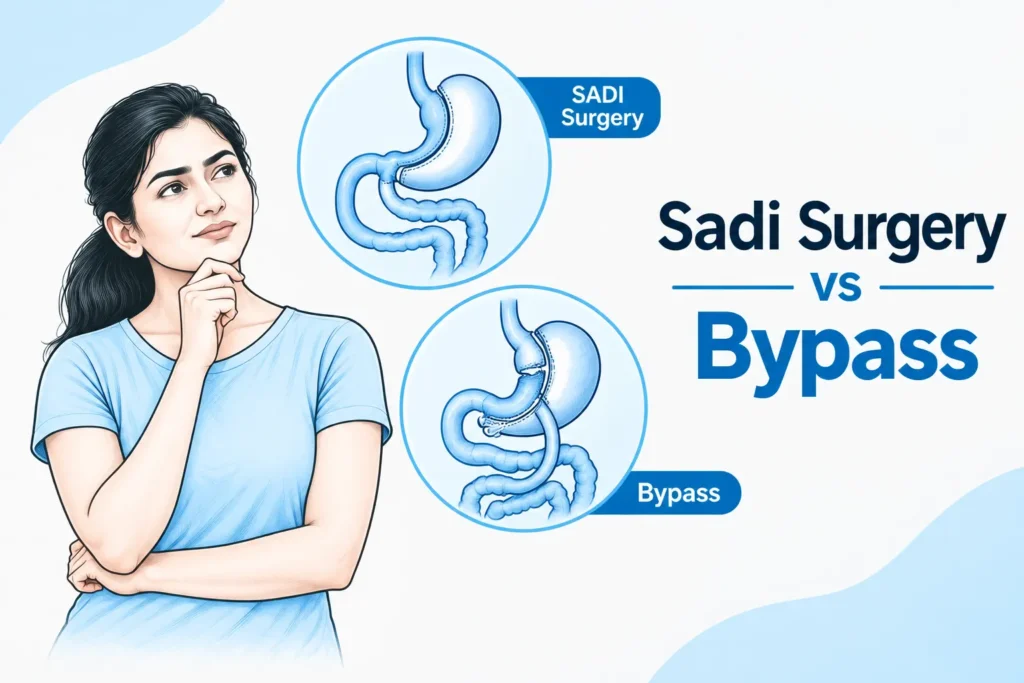
The main difference is how each operation changes the stomach and small intestine. SADI-S combines a sleeve gastrectomy with a single intestinal connection, while Roux-en-Y gastric bypass creates a small stomach pouch and reroutes the intestine using a different configuration.
Feature | SADI-S surgery | Roux-en-Y gastric bypass |
Stomach changes | Sleeve gastrectomy creates a narrower stomach | A small stomach pouch is created |
Intestinal rerouting | One connection joins the duodenum to a more distant part of the small intestine | The small stomach pouch is connected to the small intestine, with a separate connection for digestive juices |
Main effects | Restricts food intake and changes nutrient absorption and gut-hormone signals | Restricts food intake and changes digestion, nutrient absorption and gut-hormone signals |
Weight-loss outcomes | Can produce substantial weight loss; results vary | Can produce substantial weight loss; results vary |
Metabolic effects | May improve type 2 diabetes and other obesity-related conditions | May improve type 2 diabetes and other obesity-related conditions |
Nutritional considerations | Particular attention is needed to protein, vitamins and minerals because of reduced absorption | Iron, vitamin B12, calcium, vitamin D and other deficiencies can occur |
Potential digestive issues | Loose stools, frequent stools and other gastrointestinal symptoms may occur | Dumping syndrome, altered bowel habits and other gastrointestinal symptoms may occur |
Long-term care | Lifelong supplementation, nutritional testing and clinical follow-up | Lifelong supplementation, nutritional testing and clinical follow-up |
The table provides a general comparison. Individual outcomes depend on surgical technique, medical history, follow-up and adherence to postoperative care.
Which Surgery Leads to More Weight Loss?
Both SADI-S and Roux-en-Y gastric bypass can lead to substantial weight loss. However, it is not possible to determine which operation will produce the best result for every individual based on the procedure name alone.
Weight-loss outcomes depend on several factors, including:
- Starting weight and body mass index (BMI)
- Metabolic health and obesity-related conditions
- The surgical technique and the patient’s anatomy
- Eating habits and physical activity after surgery
- Medication use and other health conditions
- Attendance at follow-up appointments and adherence to nutritional recommendations
Some studies report greater average weight loss after SADI-S than after certain other bariatric procedures. However, results differ across studies, and comparisons may involve different patient groups and follow-up periods. Greater weight loss must also be considered alongside the risk of nutritional complications.
A bariatric surgeon can explain the expected outcomes for each option based on current evidence and the patient’s individual circumstances. No procedure can guarantee a particular amount of weight loss.
SADI-S vs Gastric Bypass for Type 2 Diabetes
Both procedures may improve blood glucose control in people with obesity and type 2 diabetes. Changes in food intake, body weight and gut-hormone activity can contribute to these metabolic effects.
Roux-en-Y gastric bypass has a substantial evidence base for metabolic improvement. SADI-S can also produce meaningful metabolic benefits, including improvement in type 2 diabetes for some patients.
The likelihood of improvement depends on factors such as how long a person has had diabetes, pancreatic function, current treatment and overall metabolic health. Some patients may reduce or stop certain diabetes medicines under medical supervision, while others may continue to need medication.
It is important to distinguish improvement or remission from a permanent cure. Diabetes can return, and ongoing blood glucose monitoring remains important even when readings improve after surgery.
The choice between SADI-S and gastric bypass should consider diabetes outcomes alongside nutritional risks, reflux symptoms, surgical history and the patient’s ability to attend long-term follow-up.
What Are the Benefits of SADI-S Compared With Gastric Bypass?
SADI-S may offer advantages for selected patients, although the benefits need to be weighed against its nutritional risks.
Potential for Substantial Weight Loss
SADI-S combines a sleeve gastrectomy with changes in the intestinal route. This can support substantial weight loss in appropriately selected patients. The actual result varies, and individual outcomes cannot be guaranteed.
Potential Metabolic Improvement
SADI-S may improve type 2 diabetes and other obesity-related metabolic conditions. The extent of improvement depends on the person’s health before surgery and their response afterward.
A Single Intestinal Connection
SADI-S uses one intestinal connection, unlike the two intestinal connections involved in the standard Roux-en-Y configuration. This is a difference in surgical anatomy, but it does not mean SADI-S is universally safer or that complications cannot occur.
Potential Use in Selected Patients With Severe Obesity
A specialist may consider SADI-S for certain patients who need substantial weight loss or have particular clinical circumstances. The decision requires careful assessment of nutritional status, digestive symptoms, other conditions and long-term follow-up needs.
What Are the Benefits of Gastric Bypass Compared With SADI-S?
Gastric bypass also has important potential advantages and may be more suitable for some patients.
Established Evidence and Clinical Experience
Roux-en-Y gastric bypass has been used for many years and has a substantial body of evidence relating to weight loss, metabolic outcomes and long-term complications.
Potential Benefit for Some Patients With Reflux
Gastric bypass is often considered when obesity occurs alongside gastro-oesophageal reflux disease (GERD). Sleeve-based procedures, including the sleeve component of SADI-S, can be associated with reflux or worsening symptoms in some patients.
The effect depends on individual anatomy and existing disease. A surgeon should evaluate reflux symptoms before recommending a procedure.
Metabolic Benefits
Gastric bypass can improve type 2 diabetes and other obesity-related conditions in many patients. It may be a suitable option when metabolic goals and other clinical factors favour this approach.
Different Nutritional and Digestive Considerations
Gastric bypass changes nutrient absorption and carries risks of nutritional deficiencies. However, the pattern of digestive and nutritional effects differs from SADI-S. The surgeon should explain the specific risks associated with each procedure rather than treating them as interchangeable.
What Are the Risks and Complications of SADI-S vs Gastric Bypass?
Both operations are major surgical procedures. Potential risks include complications in the days or weeks after surgery and longer-term digestive or nutritional problems.
Risks Associated With SADI-S
Potential complications include:
Bleeding, infection or leakage from a surgical connection
Blood clots and complications related to anaesthesia
Loose stools, increased stool frequency or other bowel changes
Protein-calorie malnutrition if nutritional intake and absorption are inadequate
Deficiencies of vitamins and minerals
Reflux symptoms or other digestive difficulties
The possible need for additional treatment or revision surgery
Because SADI-S can reduce nutrient absorption substantially, maintaining adequate protein intake, taking prescribed supplements and attending regular blood tests are especially important.
Risks Associated With Gastric Bypass
Potential complications include:
Bleeding, infection or leakage
Blood clots
Narrowing or ulceration at a surgical connection
Bowel obstruction or internal hernia
Dumping syndrome, which can cause symptoms after certain foods or meals
Iron, vitamin B12, calcium, vitamin D and other nutritional deficiencies
Low blood glucose after meals in some patients
The possible need for further treatment or revision surgery
The risk of a complication varies according to the patient’s health, surgical circumstances and postoperative care.
Which Procedure Has Fewer Complications?
There is no universally correct answer. Complication rates vary with patient characteristics, the surgeon’s experience, the specific technique and the length of follow-up.
A meaningful comparison should distinguish early surgical complications from long-term nutritional and gastrointestinal problems. Patients should ask their surgeon about the risks most relevant to their health rather than relying on a single overall complication figure.
How Painful Is SADI Surgery Compared With Gastric Bypass?
Both procedures are commonly performed using minimally invasive techniques when appropriate. After surgery, patients may experience abdominal soreness, discomfort around incision sites, bloating, nausea or temporary shoulder discomfort related to the surgical approach.
Pain varies from person to person and depends on factors such as surgical technique, individual pain sensitivity and whether complications occur. The clinical team provides pain management and instructions for recovery.
Severe or worsening abdominal pain, persistent vomiting, fever, breathing difficulties or other concerning symptoms after bariatric surgery require prompt medical assessment. Patients should follow the discharge instructions provided by their surgical team.
Recovery After SADI-S vs Gastric Bypass
Recovery depends on the procedure, the patient’s general health and whether complications occur. Both operations usually require a gradual return to normal activities and a structured diet progression.
The postoperative plan commonly includes:
- Initial recovery: The care team monitors pain, hydration, mobility and the ability to tolerate fluids.
- Diet progression: Patients move through prescribed stages of liquids and suitable soft foods before gradually returning to a broader diet.
- Activity: Gentle walking is often encouraged early, while strenuous exercise and heavy lifting should wait until the surgical team advises that they are safe.
- Nutritional care: Patients receive instructions on protein intake, fluids, vitamin and mineral supplements, and the signs of dehydration or nutritional problems.
- Follow-up: Scheduled visits and blood tests help assess recovery, weight changes, metabolic health and nutritional status.
Do not compare recovery only by the number of days spent in hospital. A person’s long-term recovery also depends on adapting to eating changes, managing nutritional requirements and maintaining follow-up.
Who May Be Suitable for SADI-S?
SADI-S may be considered for selected people with obesity when a bariatric team believes the potential benefits outweigh the risks.
Factors that may influence suitability include:
- The person’s BMI and weight-related health conditions
- Previous bariatric surgery and relevant surgical history
- The need for substantial weight loss or metabolic improvement
- Existing digestive symptoms and other medical conditions
- Nutritional status and ability to meet protein requirements
- Willingness and ability to take lifelong supplements and attend follow-up
SADI-S may not be appropriate for everyone. A history of nutritional deficiencies, difficulties maintaining adequate intake or an inability to access long-term monitoring may affect the decision.
The procedure should be recommended only after an individual assessment and discussion of alternatives.
Who May Be Suitable for Gastric Bypass?
Roux-en-Y gastric bypass may be considered for people with obesity who meet the relevant clinical criteria and whose health circumstances support the procedure.
It may be discussed when a patient has type 2 diabetes, obesity-related metabolic disease or gastro-oesophageal reflux. These conditions do not automatically make gastric bypass the correct choice; the surgeon must evaluate their severity and consider other factors.
The assessment may include:
- BMI and weight-related conditions
- Diabetes history and current treatment
- Reflux symptoms and other digestive disorders
- Previous operations and abdominal anatomy
- Nutritional status and eating patterns
- Ability to follow dietary instructions and long-term supplementation
Gastric bypass also requires lifelong follow-up. Patients should understand the possibility of nutritional deficiencies, dumping syndrome and other complications before making a decision.
Frequently Asked Questions About SADI Surgery vs Gastric Bypass
What Is the Success Rate of SADI Surgery?
There is no single success rate that applies to everyone. Success may refer to weight loss, improvement in type 2 diabetes, better mobility or quality of life, or the absence of major complications. Results vary by patient, definition of success and length of follow-up. Ask your bariatric surgeon which outcomes are relevant to your case and what evidence supports the estimates provided.
Do You Lose More Weight With Gastric Bypass or SADI-S?
Both procedures can produce substantial weight loss. Some studies report greater average weight loss after SADI-S than after certain other procedures, but results vary and greater weight loss can come with additional nutritional risks. The best option depends on your clinical profile and ability to maintain long-term follow-up.
How Painful Is SADI Surgery?
Pain after SADI-S varies. Many patients experience temporary soreness and discomfort that can be managed with the treatment plan provided by their surgical team. Severe, worsening or persistent pain after discharge should be assessed promptly because it may indicate a complication.
What Can You Never Do Again After Bariatric Surgery?
Most patients can gradually return to many everyday activities after recovery, but eating and drinking habits usually need to change. Smaller meals, careful chewing, adequate protein, prescribed supplements and regular monitoring become important long-term habits. Some foods may be poorly tolerated, and individual advice should come from the bariatric team.
Which Procedure Is Better for Type 2 Diabetes?
Both SADI-S and Roux-en-Y gastric bypass may improve type 2 diabetes. The best option depends on diabetes history, other health conditions, nutritional risks and the patient’s overall circumstances. Diabetes treatment should continue to be monitored after surgery, even when blood glucose improves.
Which Procedure Has a Higher Risk of Nutritional Deficiencies?
Both operations can cause deficiencies. SADI-S can carry substantial risks of protein-calorie malnutrition and deficiencies related to reduced nutrient absorption. Gastric bypass can also cause important deficiencies, including iron, vitamin B12, calcium and vitamin D. Risk varies by patient and requires lifelong supplementation and monitoring.
Can You Regain Weight After SADI-S or Gastric Bypass?
Yes. Weight regain can occur after either operation. Appetite, eating patterns, medication, metabolic factors, changes in activity and other health circumstances may contribute. Continued follow-up can help identify causes and provide support if weight regain occurs.
Is SADI-S the Same as a Duodenal Switch?
SADI-S and traditional biliopancreatic diversion with duodenal switch are related operations, but they are not identical. Their intestinal configurations and surgical details differ. A surgeon can explain the differences and why one procedure may be considered over another.
The Bottom Line
SADI-S and Roux-en-Y gastric bypass are both established options in bariatric surgery, but they differ in anatomy, digestive effects and nutritional considerations. Both may support substantial weight loss and improve obesity-related conditions, including type 2 diabetes, in appropriately selected patients.
SADI-S may be considered when substantial weight loss or metabolic improvement is a priority, but its nutritional risks require careful attention. Gastric bypass has a substantial evidence base and may be considered for patients whose clinical circumstances, including reflux or metabolic health, support that option.
The right procedure is the one that best balances expected benefits, individual health needs and long-term risks—not necessarily the one that promises the greatest weight loss. A qualified bariatric surgeon and multidisciplinary care team can help you understand your options and plan for lifelong follow-up.
Medical disclaimer: This article is for educational purposes only and does not replace individual medical advice, diagnosis or treatment. Bariatric surgery eligibility and procedure selection require assessment by a qualified healthcare professional.