Is it normal to have pain months after hernia surgery?

BMI Calculator +91 9820062040 | +91 8356977265 enquiry@thedigestive.in Digestive Health Institute by Dr. Muffi Digestive Health Institute by Dr. Muffi Is It Normal to Have Pain Months After Hernia Surgery? Is It Normal to Have Pain Months After Hernia Surgery? Many patients expect discomfort to disappear completely within a few weeks after surgery. However, some people still notice pain months after hernia surgery, which can create stress and confusion. Mild discomfort during recovery may sometimes continue for several weeks or months, depending on: Type of hernia Surgical method Healing process Physical activity Overall health In many cases, occasional mild pain improves gradually over time. However, persistent or worsening pain should not be ignored. This article explains possible causes, warning signs, and when medical evaluation may be necessary. Is Pain Months After Hernia Surgery Normal? Some patients may experience: Mild pulling sensation Tightness Occasional discomfort Sensitivity near the scar Mild nerve-related pain This can happen because tissues continue healing internally even after the outer wound looks healed. For many patients, mild symptoms gradually improve over time. However, severe or increasing pain months after hernia surgery may require medical assessment. Common Causes of Pain Months After Hernia Surgery 1. Internal Healing Process Healing inside the abdominal wall may continue for several months. Scar tissue formation and tissue repair may sometimes cause: Tightness Pulling sensation Mild aching This is often temporary. 2. Nerve Irritation Small nerves near the surgical area may become irritated during healing. Symptoms may include: Burning pain Tingling Sharp discomfort Sensitivity to touch 3. Scar Tissue Formation Scar tissue may sometimes create discomfort during: Bending Stretching Exercise Sudden movement 4. Mesh-Related Discomfort Occasionally, patients may experience: Tightness Pressure sensation Mild chronic discomfort 5. Hernia Recurrence Sometimes, the hernia may return after surgery. Signs may include: New swelling Bulge near the old surgical site Increasing pain Pressure sensation Risk Factors for Long-Term Pain After Hernia Surgery Risk Factor Possible Effect Large hernia More tissue strain Obesity Increased abdominal pressure Smoking Slower healing Infection Delayed recovery Heavy lifting too early Increased repair stress Diabetes Slower tissue healing What Type of Pain May Be Common During Recovery? Symptom May Occur During Healing? Mild soreness Yes Pulling sensation Yes Tightness near scar Yes Occasional sharp pain Sometimes Severe worsening pain Needs medical review Fever with pain Requires prompt attention When Should You Worry About Pain Months After Hernia Surgery? Seek medical advice if pain is associated with: Fever Redness Swelling Vomiting New bulge Severe pain Difficulty walking Drainage from wound Can Exercise Cause Pain After Hernia Surgery? Yes, strenuous activity too early after surgery may increase discomfort. Activities that may strain healing tissue include: Heavy lifting Intense gym workouts Sudden twisting movements High-impact exercise How Long Does Hernia Surgery Recovery Take? Recovery Period What Patients May Experience First few days Swelling and soreness 1–2 weeks Gradual improvement 1–3 months Internal healing continues Several months Scar tissue remodeling Conclusion Experiencing mild pain months after hernia surgery can sometimes be part of the healing process, especially during tissue repair and scar formation. However, severe, persistent, or worsening pain should not be ignored. If symptoms affect daily activities or are associated with swelling, fever, or a new bulge, consulting a qualified healthcare professional is important for proper evaluation. Quick Facts Table Question Answer Can pain continue months after surgery? Mild discomfort may happen in some patients Is severe pain normal? No, it should be evaluated Can scar tissue cause pain? Yes Can obesity affect healing? Yes Should swelling after surgery be ignored? No Medical Disclaimer This article is for educational purposes only and should not replace professional medical advice, diagnosis, or treatment. Symptoms and treatment approaches may vary between individuals. Please consult a qualified healthcare professional for personalized medical guidance. Share This Post Is it normal to have pain months after hernia surgery 10 Signs of an Unhealthy Gut Can Stomach Ulcers Cause Cancer? Early Signs of Gastrointestinal Disease Does cold water increase weight Most Common Hernia in Females What Is SADI-S Surgery? Everything You Need to Know Before Deciding The Bristol Stool Chart : A Simple Tool Everyone Should Know
10 Signs of an Unhealthy Gut
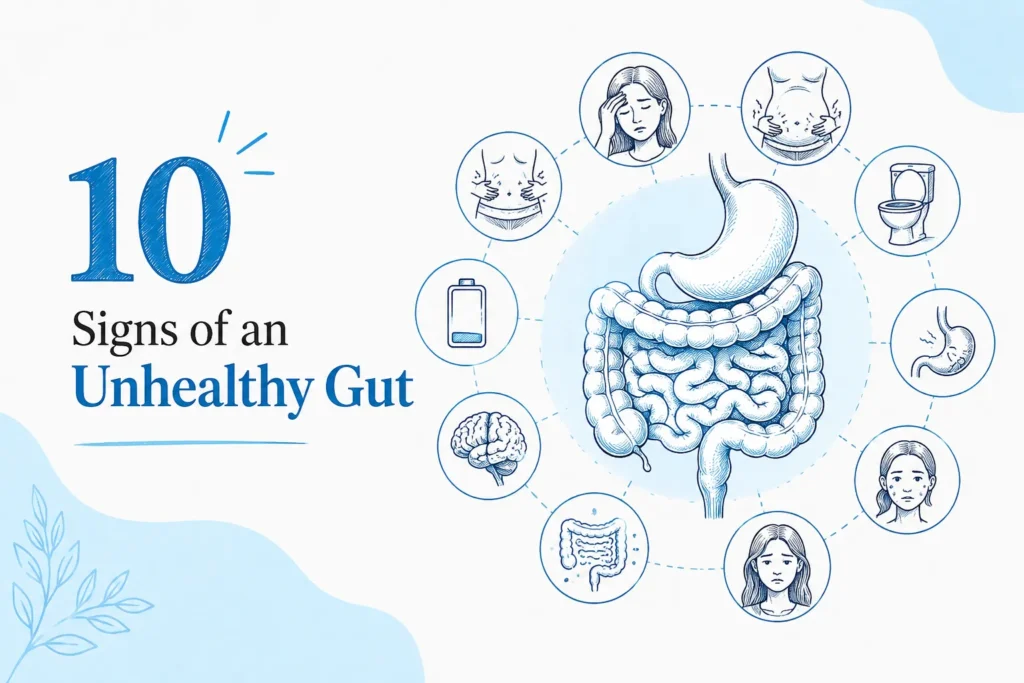
BMI Calculator +91 9820062040 | +91 8356977265 enquiry@thedigestive.in Digestive Health Institute by Dr. Muffi Digestive Health Institute by Dr. Muffi 10 Signs of an Unhealthy Gut: Symptoms You Should Not Ignore 10 Signs of an Unhealthy Gut Your gut does much more than digest food. It also plays an important role in: Immunity Nutrient absorption Energy levels Metabolism Overall health When the digestive system is not functioning properly, the body may start showing different symptoms. Recognizing the 10 signs of an unhealthy gut may help patients improve digestive health early. Many gut-related symptoms are often ignored because they may appear mild in the beginning. This guide explains the common warning signs, possible causes, and ways to support better gut health. What Is Gut Health? Gut health refers to the proper functioning of the digestive system and the balance of healthy bacteria in the intestines. A healthy gut may help with: Smooth digestion Better nutrient absorption Regular bowel movements Immune support Poor gut health may contribute to digestive discomfort and other health problems. 10 Signs of an Unhealthy Gut 1. Frequent Bloating Bloating is one of the most common signs of digestive imbalance. You may experience: Tight stomach Swelling after meals Excess gas Discomfort in the abdomen 2. Constipation or Irregular Bowel Movements Difficulty passing stool regularly may suggest poor digestive function. Symptoms may include: Hard stools Straining Feeling of incomplete bowel emptying Fewer bowel movements 3. Frequent Acidity or Heartburn Common symptoms: Burning sensation in chest Sour taste in mouth Stomach irritation Discomfort after eating 4. Excess Gas Gas formation is normal, but excessive gas may sometimes indicate: Poor digestion Food intolerance Gut bacteria imbalance Constipation 5. Stomach Pain or Cramps Abdominal discomfort may develop due to: Indigestion Gastritis Irritable bowel syndrome (IBS) Food sensitivity 6. Feeling Tired Frequently Poor gut health may sometimes affect: Energy levels Nutrient absorption Overall well-being 7. Food Intolerance Common trigger foods include: Dairy products Spicy foods Fried foods Gluten-containing foods in some people 8. Unexplained Weight Changes Poor gut health may sometimes contribute to: Weight gain Difficulty losing weight Unintentional weight loss 9. Skin Problems Certain digestive imbalances may sometimes be associated with: Acne Skin irritation Dull skin Inflammation 10. Poor Sleep or Mood Changes Some people with digestive problems may also experience: Poor sleep Stress Mood changes Irritability Common Causes of Poor Gut Health Cause Possible Effect on Gut Processed foods Digestive imbalance Low fiber diet Constipation Stress May worsen digestion Poor sleep May affect gut function Excess sugar intake Gut bacteria imbalance Lack of exercise Slower digestion Antibiotic overuse Changes in healthy gut bacteria Foods That May Support Better Gut Health Gut-Friendly Foods Possible Benefits Yogurt May support healthy bacteria Fruits Fiber and nutrients Vegetables Digestive support Whole grains Better bowel movement Water Helps digestion Fermented foods May support gut balance How to Improve Gut Health Naturally Eating more fiber-rich foods Drinking enough water Staying physically active Limiting ultra-processed foods Managing stress Sleeping adequately Eating meals on time When Should You See a Doctor? Consult a healthcare professional if you experience: Severe stomach pain Blood in stool Ongoing constipation or diarrhea Unexplained weight loss Persistent bloating Frequent vomiting Conclusion Recognizing the 10 signs of an unhealthy gut may help patients take early steps toward better digestive health. Symptoms like bloating, acidity, constipation, fatigue, and stomach pain can sometimes indicate underlying digestive imbalance. Healthy eating habits, hydration, regular activity, and timely medical advice may help support better gut function and overall well-being. Medical Disclaimer This article is for educational purposes only and should not replace professional medical advice, diagnosis, or treatment. Symptoms and treatment approaches may vary between individuals. Please consult a qualified healthcare professional for personalized medical guidance. Share This Post 10 Signs of an Unhealthy Gut Can Stomach Ulcers Cause Cancer? Early Signs of Gastrointestinal Disease Does cold water increase weight Most Common Hernia in Females What Is SADI-S Surgery? Everything You Need to Know Before Deciding The Bristol Stool Chart : A Simple Tool Everyone Should Know Bariatric Surgery vs. Weight-Loss Medication: What's Right for You?
Can Stomach Ulcers Cause Cancer?

BMI Calculator +91 9820062040 | +91 8356977265 enquiry@thedigestive.in Digestive Health Institute by Dr. Muffi Digestive Health Institute by Dr. Muffi Can Stomach Ulcers Cause Cancer? Symptoms, Risks & When to See a Doctor Can Stomach Ulcers Cause Cancer? Many people diagnosed with ulcers often worry: can stomach ulcers cause cancer? In most cases, stomach ulcers themselves do not directly turn into cancer. However, some ulcers may be linked to conditions that can increase the risk of stomach cancer over time. This is why persistent ulcer symptoms should not be ignored. Understanding the difference between a common stomach ulcer and a potentially serious condition may help patients seek timely medical advice and treatment. What Is a Stomach Ulcer? A stomach ulcer, also called a gastric ulcer, is an open sore that develops in the lining of the stomach. It belongs to a group of conditions called peptic ulcers. Common causes include: Helicobacter pylori (H. pylori) infection Long-term painkiller use Excess stomach acid Smoking Alcohol consumption Chronic stress in some cases Ulcers can cause irritation, pain, and digestive discomfort. Can Stomach Ulcers Cause Cancer? The short answer is: most stomach ulcers do not become cancer. However, some stomach ulcers may be associated with conditions linked to stomach cancer, especially when: H. pylori infection remains untreated Ulcers keep returning Symptoms persist for a long time Abnormal stomach tissue changes develop Sometimes, an early stomach cancer may also appear similar to an ulcer during testing. This is why doctors may recommend further evaluation for persistent ulcers. Understanding the Link Between Ulcers and Stomach Cancer The connection mainly involves H. pylori bacteria. H. pylori may: Damage the stomach lining Cause chronic inflammation Increase ulcer risk Increase the long-term risk of stomach cancer in some individuals Not everyone with H. pylori or stomach ulcers develops cancer. The risk depends on: Severity of infection Family history Smoking Diet Overall health Duration of untreated inflammation Symptoms of Stomach Ulcers Burning stomach pain Pain between meals Acidity Bloating Nausea Feeling full quickly Loss of appetite Warning Signs That Need Medical Attention Unexplained weight loss Vomiting blood Black stools Difficulty swallowing Persistent vomiting Severe abdominal pain Ongoing fatigue Can an Ulcer Be Mistaken for Cancer? Yes, in some cases a stomach ulcer and stomach cancer may look similar during early stages. This is why doctors sometimes recommend: Endoscopy Biopsy Imaging tests Testing helps confirm the exact cause of symptoms. Risk Factors for Stomach Cancer While asking if stomach ulcers can cause cancer, it is also important to understand the broader risk factors. Risk factors may include: Untreated H. pylori infection Smoking Heavy alcohol use High-salt diet Family history of stomach cancer Chronic stomach inflammation Obesity Long-term gastric ulcers Having risk factors does not mean a person will definitely develop cancer. Foods That May Help Reduce Stomach Irritation Foods Often Easier on the Stomach Foods That May Trigger Irritation Bananas Spicy foods Oatmeal Excess oily foods Rice Alcohol Boiled vegetables Smoking Yogurt Excess caffeine Can Stomach Ulcers Be Prevented? Helpful lifestyle habits include: Eating balanced meals Avoiding smoking Managing stress Limiting alcohol Avoiding unnecessary painkiller use Treating H. pylori infection when diagnosed Regular medical follow-up may help in chronic digestive conditions. Quick Facts Table Question Answer Can stomach ulcers cause cancer? Usually no, but some associated conditions may increase risk Is H. pylori dangerous? It may increase ulcer and stomach cancer risk if untreated Are all ulcers cancerous? No Can ulcers heal with treatment? Many ulcers improve with proper treatment Should persistent ulcer symptoms be checked? Yes Conclusion If you are wondering can stomach ulcers cause cancer, the answer is that most ulcers do not directly become cancer. However, certain conditions associated with ulcers, especially untreated H. pylori infection and chronic stomach inflammation, may increase cancer risk over time. Persistent digestive symptoms should not be ignored. Proper diagnosis and timely medical care may help manage ulcers and reduce complications. Medical Disclaimer This article is for educational purposes only and should not replace professional medical advice, diagnosis, or treatment. Symptoms and treatment approaches may vary between individuals. Please consult a qualified healthcare professional for personalized medical guidance. Share This Post Can Stomach Ulcers Cause Cancer? Early Signs of Gastrointestinal Disease Does cold water increase weight Most Common Hernia in Females What Is SADI-S Surgery? Everything You Need to Know Before Deciding The Bristol Stool Chart : A Simple Tool Everyone Should Know Bariatric Surgery vs. Weight-Loss Medication: What's Right for You? What size of appendix is dangerous
Early Signs of Gastrointestinal Disease
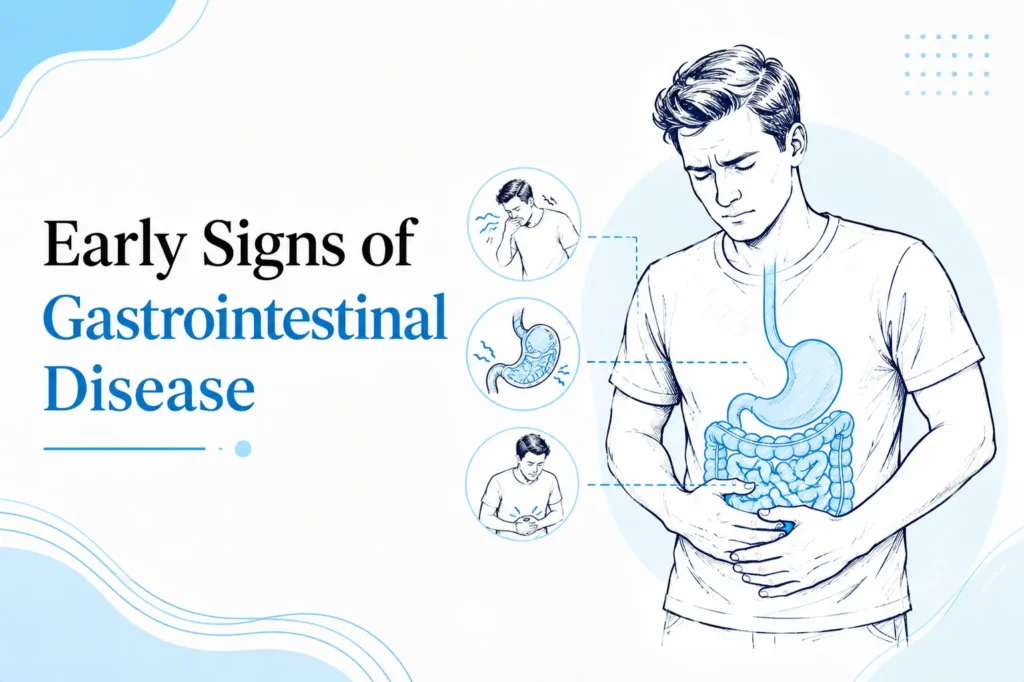
BMI Calculator +91 9820062040 | +91 8356977265 enquiry@thedigestive.in Digestive Health Institute by Dr. Muffi Digestive Health Institute by Dr. Muffi Early Signs of Gastrointestinal Disease: Symptoms You Should Not Ignore Digestive problems are common, but some symptoms may sometimes point toward an underlying gastrointestinal condition. Recognizing the early signs of gastrointestinal disease may help patients seek medical advice before symptoms become severe. The gastrointestinal (GI) system includes: Food pipe (oesophagus) Stomach Small intestine Large intestine (colon) Rectum Liver Pancreas Gallbladder When these organs do not function properly, patients may experience digestive symptoms that affect daily life. This guide explains the common early symptoms, possible causes, and when to consult a healthcare professional. What Is Gastrointestinal Disease? Gastrointestinal disease refers to conditions affecting the digestive tract. Some common GI disorders include: Acid reflux (GERD) Gastritis Peptic ulcer disease Irritable bowel syndrome (IBS) Inflammatory bowel disease (IBD) Gallbladder problems Fatty liver disease Constipation Gastrointestinal infections Early Signs of Gastrointestinal Disease The early signs of gastrointestinal disease can sometimes be mild in the beginning. Many people ignore these symptoms thinking they are temporary digestive problems. Common early signs include: Frequent acidity Bloating Stomach pain Constipation Loose stools Excess gas Nausea Loss of appetite Feeling full quickly Unexplained weight changes 1. Frequent Acidity or Heartburn Occasional acidity is common, but repeated heartburn may indicate: Acid reflux Gastritis GERD Symptoms may include: Burning sensation in the chest Sour taste in the mouth Throat irritation Discomfort after meals 2. Ongoing Bloating Bloating may happen after overeating, but regular bloating could be linked to digestive disorders. Possible causes include: IBS Food intolerance Constipation Gastritis Gut imbalance Some people may also feel abdominal tightness or swelling. 3. Changes in Bowel Habits Changes in stool pattern can sometimes signal gastrointestinal problems. Warning signs include: Chronic constipation Frequent diarrhea Alternating constipation and diarrhea Narrow stools Urgency to pass stool Changes lasting several weeks may require medical evaluation. 4. Stomach Pain or Abdominal Discomfort Repeated abdominal pain is another important early symptom. Pain may occur: Before meals After eating During bowel movements In the upper or lower abdomen The severity and location may help doctors identify the possible cause. 5. Excessive Gas or Burping Excess gas may develop due to: Indigestion Food intolerance Gut infection Poor digestion Occasional gas is normal, but frequent discomfort may suggest a digestive imbalance. 6. Nausea or Vomiting Nausea may occur with: Gastritis Ulcers Gallbladder disease Liver disorders Intestinal infection Persistent nausea should not be ignored, especially if associated with pain or weight loss. 7. Feeling Full Quickly Some patients feel full after eating very small amounts of food. This symptom may be associated with: Gastric inflammation Delayed stomach emptying Digestive disorders It can affect appetite and nutrition over time. 8. Unexplained Weight Changes Sudden weight loss or gain may sometimes be linked to gastrointestinal problems. Possible reasons include: Poor nutrient absorption Reduced appetite Chronic digestive disease Metabolic changes Unintentional weight loss should always be medically assessed. 9. Blood in Stool Blood in stool is an important warning sign and requires prompt medical attention. It may appear as: Bright red blood Dark black stools Blood mixed with stool Possible causes include: Hemorrhoids Ulcers Colon inflammation Intestinal bleeding 10. Fatigue and Weakness Digestive diseases may sometimes affect nutrient absorption and overall energy levels. Some patients experience: Weakness Low energy Iron deficiency Poor appetite Chronic GI problems can impact daily activities. Common Causes of Gastrointestinal Diseases Cause Possible Effect Poor eating habits Indigestion and acidity Excess oily or spicy food Gastric irritation Stress May worsen IBS and acidity Obesity Increased reflux risk Smoking and alcohol Digestive tract irritation Infections Stomach and intestinal inflammation Sedentary lifestyle Constipation and bloating Tips for Better Digestive Health Eating balanced meals Drinking enough water Limiting processed foods Avoiding overeating Staying physically active Managing stress Sleeping well Conclusion The early signs of gastrointestinal disease may include acid reflux, bloating, abdominal pain, changes in bowel habits, nausea, and fatigue. While occasional digestive discomfort is common, persistent symptoms should not be ignored. Early evaluation may help identify digestive disorders before complications develop. If symptoms continue or interfere with daily life, consulting a qualified healthcare professional is recommended. Share This Post Early Signs of Gastrointestinal Disease Does cold water increase weight Most Common Hernia in Females What Is SADI-S Surgery? Everything You Need to Know Before Deciding The Bristol Stool Chart : A Simple Tool Everyone Should Know Bariatric Surgery vs. Weight-Loss Medication: What's Right for You? What size of appendix is dangerous What Food Can Cause Appendicitis?
Does cold water increase weight

BMI Calculator +91 9820062040 | +91 8356977265 enquiry@thedigestive.in Digestive Health Institute by Dr. Muffi Digestive Health Institute by Dr. Muffi Does Cold Water Increase Weight? Facts, Myths & What Science Says Many people in India wonder: Does cold water increase weight? Some believe drinking cold water slows digestion, causes fat buildup, or leads to weight gain. But is this really true? The short answer is: cold water itself does not directly increase weight. In fact, the body usually burns a small amount of energy to adjust its body temperature to cold water. However, drinking habits, diet, lifestyle, and digestive health may affect body weight more than water temperature alone. This article explains the science behind cold water, weight gain, digestion, and common myths in simple language. Does Cold Water Increase Weight? No, drinking cold water alone does not usually cause weight gain. There is currently no strong scientific evidence showing that cold water directly increases body fat or body weight. Body weight is more commonly influenced by: Calorie intake Physical activity Sleep Hormonal balance Metabolism Medical conditions Eating habits Can Cold Water Affect Metabolism? Some studies suggest the body may use a small amount of energy to warm cold water to body temperature. This means cold water may slightly increase calorie burning temporarily, but the effect is very small. Cold water is not considered a weight loss treatment, but it also does not commonly cause weight gain. Why Do People Think Cold Water Increases Weight? The belief that cold water increases weight may stem from traditional health beliefs about digestion. Some people feel: Bloated after cold drinks Sluggish digestion Temporary stomach discomfort However, occasional bloating is different from actual fat gain. Does Cold Water Slow Digestion? Cold water may temporarily affect digestion in some sensitive individuals, especially: After heavy meals In people with acidity In patients with digestive disorders Some people may experience: Mild bloating Stomach discomfort Feeling of heaviness But this does not mean cold water directly increases body fat. Can Drinking Cold Water Cause Belly Fat? No evidence clearly shows that cold water specifically causes belly fat. Belly fat is more commonly associated with: High-calorie diet Lack of exercise Poor sleep Stress Hormonal factors Obesity If someone regularly drinks sugary cold beverages like: Soft drinks Milkshakes Sweetened cold coffee The sugar and calories — not the cold temperature — may contribute to weight gain. Is Warm Water Better for Weight Loss? Warm water is commonly recommended in many Indian households because it may: Feel soothing Improve comfort during digestion Encourage hydration But warm water alone does not guarantee weight loss. Healthy weight management usually depends on: Balanced diet Physical activity Portion control Sleep quality Medical guidance when needed Final Thoughts If you are wondering does cold water increase weight, current evidence suggests that cold water itself does not directly cause weight gain. Body weight is more strongly linked to diet, lifestyle, physical activity, metabolism, and overall health habits. For most people, drinking cold water in moderation is generally safe. However, individuals with digestive sensitivity may prefer normal or warm water based on comfort. Medical Disclaimer This article is for educational purposes only and should not replace professional medical advice. Dietary habits and digestive responses may vary from person to person. Please consult a qualified healthcare professional for personalised guidance. Share This Post Early signs of gastrointestinal disease Most Common Hernia in Females What Is SADI-S Surgery? Everything You Need to Know Before Deciding The Bristol Stool Chart : A Simple Tool Everyone Should Know Bariatric Surgery vs. Weight-Loss Medication: What's Right for You? What size of appendix is dangerous What Food Can Cause Appendicitis? Why My Stomach Feels Heavy
Most Common Hernia in Females
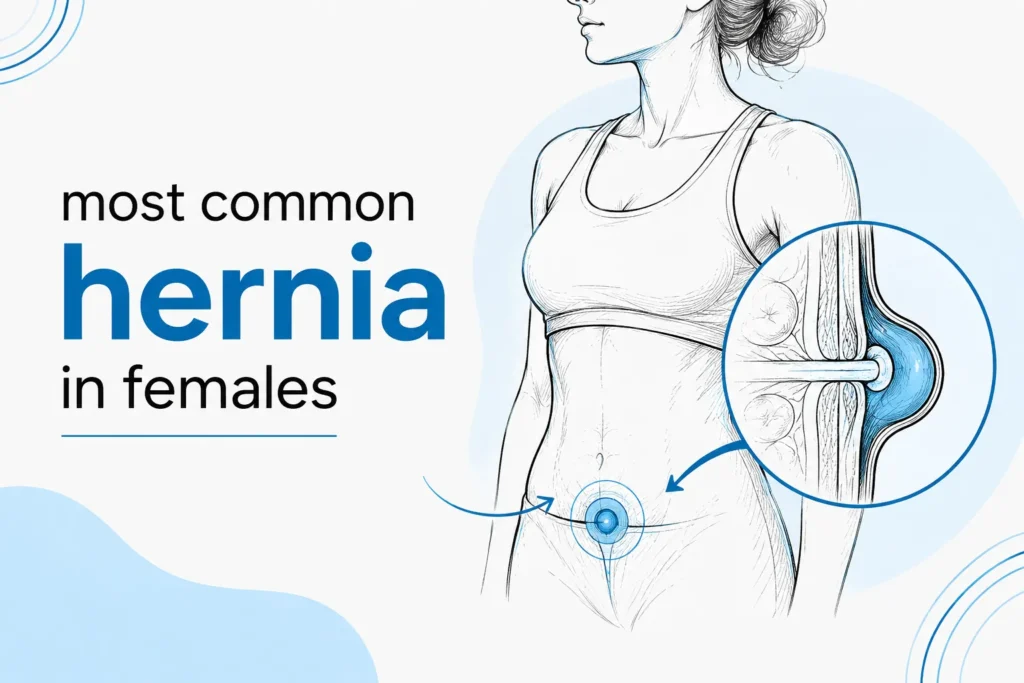
BMI Calculator +91 9820062040 | +91 8356977265 enquiry@thedigestive.in Digestive Health Institute by Dr. Muffi Digestive Health Institute by Dr. Muffi Most Common Hernia in Females: Types, Symptoms, Causes & Treatment Options Hernias are often discussed more in men, but many women also develop hernias. In females, hernia symptoms may sometimes be missed because they can look similar to digestive, pelvic, or gynecological problems. Understanding the most common hernia in females can help patients seek medical advice early and avoid complications. This guide explains the common types of hernia seen in women, symptoms, causes, risk factors, diagnosis, and possible treatment options in simple language. What Is a Hernia? A hernia happens when an internal organ or fatty tissue pushes through a weak area in the muscle or tissue wall. In women, hernias may develop in the abdomen, groin, or near previous surgical scars. Some hernias are small and painless, while others may cause discomfort or swelling. What Is the Most Common Hernia in Females? The most common hernia in females is usually an inguinal hernia or a femoral hernia, depending on age and body structure. Inguinal Hernia: An inguinal hernia develops in the groin area when tissue pushes through a weak spot in the lower abdominal wall. Although inguinal hernias are more common in men, women can also develop them. Femoral Hernia: Femoral hernias are relatively more common in women compared to men because of the wider female pelvis. These hernias appear slightly below the groin and may carry a higher risk of complications if untreated. Most Common Hernia in Females by Age & Conditions Conditions Hernia More Commonly Seen Pregnancy Umbilical Hernia Older women Femoral Hernia Obesity Umbilical or Incisional Hernia Previous abdominal surgery Incisional Hernia Heavy lifting or chronic cough Inguinal Hernia Types of Hernia Commonly Seen in Women 1. Inguinal Hernia: This is one of the most common hernia in females affecting the groin area. Symptoms may include: Groin swelling Pain while coughing or lifting Burning sensation Heaviness in the lower abdomen Discomfort during standing for long periods 2. Femoral Hernia A femoral hernia develops near the upper thigh or groin. It may appear as: Small lump near the groin Sudden pain Nausea or vomiting in severe cases 3. Umbilical Hernia This hernia develops near the belly button. It may occur in: Women after pregnancy Individuals with obesity Patients with increased abdominal pressure Symptoms can include: Bulge near the navel Mild discomfort Pain during strain or coughing 4. Incisional Hernia An incisional hernia can develop after abdominal surgery, such as: Cesarean section (C-section) Gallbladder surgery Gynaecological surgery Causes of the Most Common Hernia in Females Pregnancy Obesity Chronic constipation Heavy lifting Persistent cough Previous abdominal surgery Weak abdominal muscles Aging Can Obesity Increase Hernia Risk in Women? Yes, obesity may increase abdominal pressure and may raise the risk of developing the most common hernia in females. Excess body weight can also: Weaken abdominal muscles Increase strain on tissues Affect recovery after surgery Final Thoughts The most common hernia in females may include inguinal, femoral, umbilical, or incisional hernias. Symptoms can sometimes be mild or mistaken for other conditions, which is why proper medical evaluation is important. Treatment depends on the type of hernia, symptoms, and overall health condition. If you notice unusual swelling, groin pain, or abdominal discomfort, consulting a qualified healthcare professional may help with timely diagnosis and management. Share This Post Most Common Hernia in Females What Is SADI-S Surgery? Everything You Need to Know Before Deciding The Bristol Stool Chart : A Simple Tool Everyone Should Know Bariatric Surgery vs. Weight-Loss Medication: What's Right for You? What size of appendix is dangerous What Food Can Cause Appendicitis? Why My Stomach Feels Heavy How to sleep after gallbladder surgery
What Is SADI-S Surgery? Everything You Need to Know Before Deciding
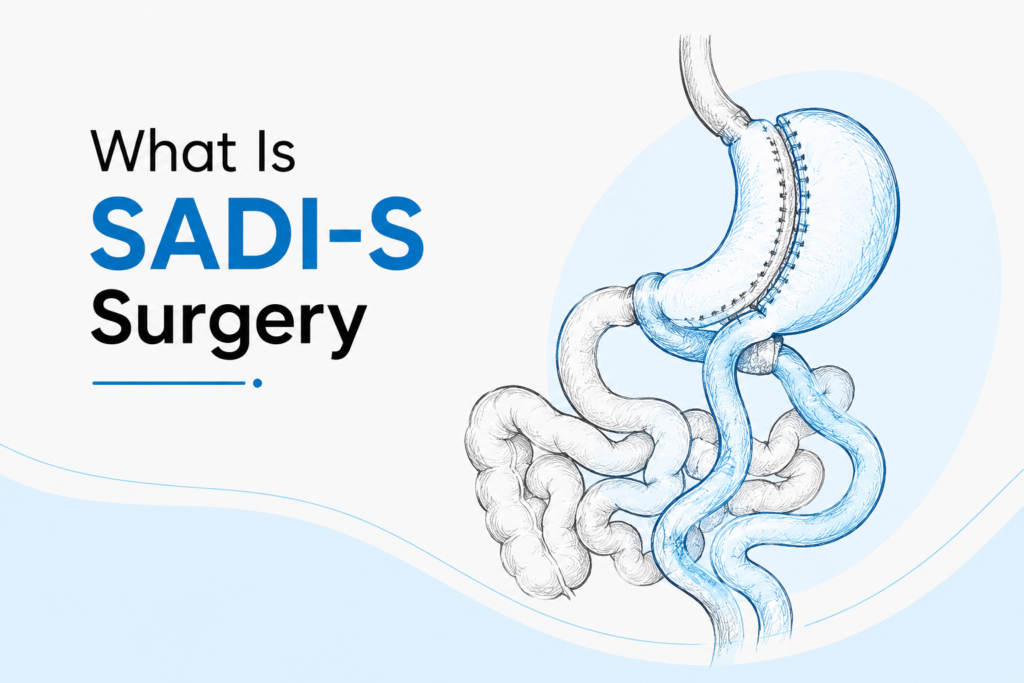
BMI Calculator +91 9820062040 | +91 8356977265 enquiry@thedigestive.in Digestive Health Institute by Dr. Muffi Digestive Health Institute by Dr. Muffi What Is SADI-S Surgery? Everything You Need to Know Before Deciding If you’re exploring advanced options for weight loss, you may have come across SADI-S Surgery. While the name sounds complex, the concept is straightforward: It’s a powerful bariatric procedure designed tosupport significant, long-term weight loss and metabolic improvement. Here’s everything you need to know before considering it. What is SADI-S Surgery? SADI-S stands for Single Anastomosis Duodeno-Ileal Bypass with Sleeve. It is a newer form ofbariatric surgery that combines two mechanisms:1. A sleeve gastrectomy (reducing stomach size)2. A bypass of part of the small intestine (reducing calorie absorption)This dual approach makes it both restrictive (you eat less) and malabsorptive (you absorb fewer calories) How Does It Work? The procedure involves: ● Removing a portion of the stomach to create a smaller, sleeve-shaped stomach● Connecting the stomach to a lower part of the intestine, bypassing a section of it This leads to: ● Reduced hunger (due to hormonal changes)● Early fullness● Lower calorie absorption● Improved blood sugar control Who is It For? SADI-S Surgery is typically recommended for: ● Individuals with severe obesity (higher BMI ranges)● Patients with type 2 diabetes or metabolic syndrome● Those who need greater and sustained weight loss● In some cases, as a revision surgery after previous bariatric procedures Benefits of SADI-S Surgery 1. Significant Weight Loss: Patients often experience greater weight loss compared to some other bariatric procedures. 2. Better Metabolic Control: It has a strong impact on blood sugar levels, often improving or resolving type 2 diabetes. 3. Reduced Hunger: Changes in gut hormones help decrease appetite. 4. Simpler Surgical Design: Compared to traditional bypass, it involves a single intestinal connection, which may reduce certainsurgical risks. Things to Consider Like any surgery, it comes with considerations: ● Nutritional deficiencies (due to reduced absorption)● Need for lifelong vitamin and mineral supplementation● Possible digestive changes which are manageable● Requires strict long-term follow-up This is not a “quick fix”: Commitment to lifestyle changes is essential. Recovery & Lifestyle After Surgery Recovery typically involves: ● Gradual return to normal activity over a few weeks● Transition from liquid – solid – full diet in phases● Building habits like: Protein-first meals Hydration discipline Regular exercise Routine medical follow-up Final Thoughts SADI-S is a powerful and effective bariatric option, but it’s not just about the surgery, it’s about the long-term term commitment that follows. The procedure sets the stage, but your daily habits determine the outcome. If you’re considering this surgery, take the time to understand it fully, ask questions, and work closely with your Bariatric Surgeon to make an informed decision. Still have questions about your digestive health? Watch our Instagram post on the SADI- Surgery for a quick visual guide and follow us for more expert insights from Dr. Muffazal Lakdawala. The DigestiveHealth Institute Our Instagram is where expertise meets everyday guidance. Follow us for evidence-based tips and realpatient experiences from our clinic. 👉 @thedigestivein Share This Post
The Bristol Stool Chart : A Simple Tool Everyone Should Know
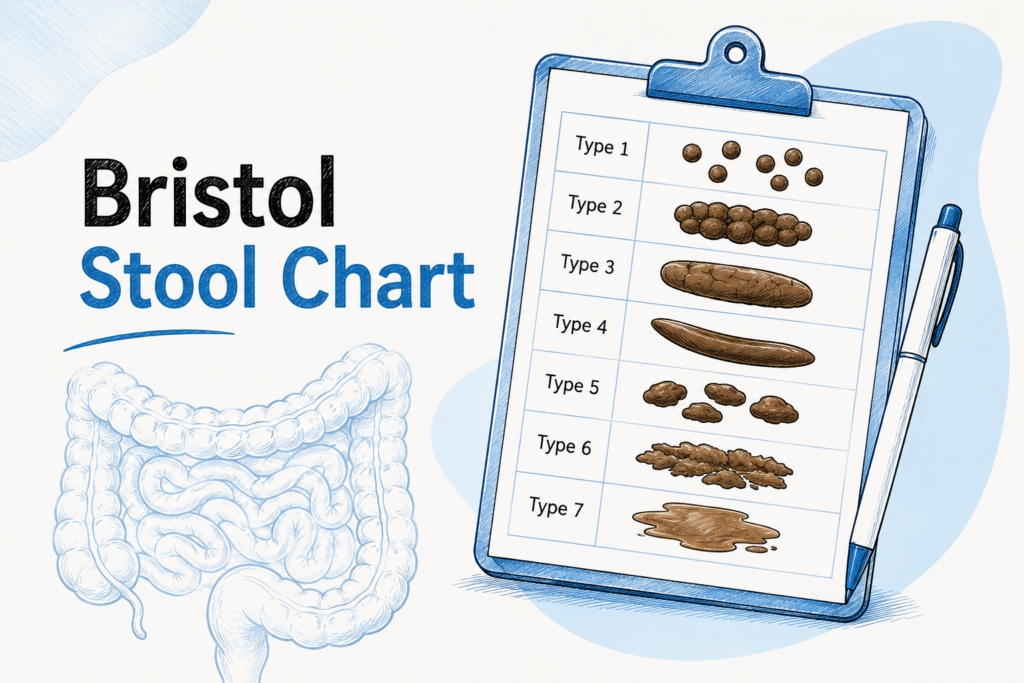
BMI Calculator +91 9820062040 | +91 8356977265 enquiry@thedigestive.in Digestive Health Institute by Dr. Muffi Digestive Health Institute by Dr. Muffi The Bristol Stool Chart: A Simple Tool Everyone Should Know Most people don’t think much about their bowel movements until something feels off. But your stool can actually tell you a lot about your digestive health. That’s where the Bristol Stool Chart comes in, a simple,A practical way to understand what’s happening inside your gut. What is the Bristol Stool Chart? The Bristol Stool Chart is a medical tool that classifies stool into seven different types, based on shapeand consistency. It helps identify whether your digestion is normal, too slow, or too fast.Developed to make conversations about bowel habits easier, it’s widely used by healthcare professionals and can be just as useful for everyday awareness. The 7 Types Explained Type 1 & 2 – Constipation ● Hard, lumpy stools or sausage-shaped but firm● Indicates slow movement through the gut Type 3 & 4 – Ideal / Healthy ● Sausage-shaped with cracks (Type 3)● Smooth and soft (Type 4)● Easy to pass, well-formed These are considered normal and healthy Type 5 – Slightly Loose ● Soft blobs with clear edgesType 6 & 7 – Diarrhoea● Mushy or entirely liquid stools● Suggest rapid transit through the intestines● Can be due to infection, food intolerance, or gut irritation Why Does It Matter? Your stool consistency reflects how well your digestive system is functioning. Changes in your stool The pattern can signal: ● Poor hydration● Imbalanced diet● Gut health issues● Stress or lifestyle changes Tracking it can help you catch problems early and take corrective steps What Influences Your Stool? Several everyday factors play a role: ● Diet: Fibre intake (fruits, vegetables, whole grains)● Hydration: Adequate water keeps stool soft● Physical activity: Movement supports gut motility● Stress levels: The gut and brain are closely connected● Medications or supplements When Should You Be Concerned? Occasional changes are normal. However, consider consulting a professional if you notice: ● Persistent constipation or diarrhea● Blood in stool● Sudden unexplained changes in bowel habits● Abdominal pain or discomfort Simple Tips for Healthy Bowel Movements ● Stay hydrated (1.5–2 litres daily)● Include fibre-rich foods in your meals● Stay physically active● Avoid ignoring the urge to go The Takeaway The Bristol Stool Chart may be simple, but it’s a powerful way to understand your gut health. Paying attention to something as basic as your stool can help you make better lifestyle choices and stay one step ahead of digestive issues. Because sometimes, the simplest signs tell the most important stories about your health. Still have questions about your digestive health? Watch our Instagram reel on the Bristol Stool Chart for a quick visual guide and follow us for more expert insights from Dr. Muffazal Lakdawala. The Digestive Health Institute. Our Instagram is where expertise meets everyday guidance. Follow us for evidence-based tips and realpatient experiences from our clinic. 👉 @thedigestivein Share This Post
Bariatric Surgery vs. Weight-Loss Medication: What’s Right for You?
BMI Calculator +91 9820062040 | +91 8356977265 enquiry@thedigestive.in Digestive Health Institute by Dr. Muffi Digestive Health Institute by Dr. Muffi Bariatric Surgery vs. Weight-Loss Medication: What’s Right for You? The obesity treatment landscape has changed dramatically. Here’s how to make the right choice for your body, your life, and your long-term health. A few years ago, the conversation about obesity treatment was relatively straightforward. Diet, exercise, and if those failed surgery. Today, a new category of weight-loss medications has entered the picture, and patients across the world including right here in India are asking the same question: Do I really need surgery, or can I just take a pill? It’s a fair question. And as someone who has performed thousands of bariatric procedures and watched the field evolve over two decades, I want to give you an honest, clear answer not one designed to steer you toward the operating table, but one that helps you understand what each path truly offers First, Let’s Be Clear: Both Options Work GLP-1 receptor agonists medications like semaglutide and liraglutide represent a genuine breakthrough in obesity medicine. They reduce appetite, improve blood sugar regulation, and have shown meaningful weight loss in clinical trials. For many patients, they are a valuable tool. Bariatric surgery, including sleeve gastrectomy, gastric bypass, and newer procedures like SADI, has decades of evidence behind it. It produces substantial, durable weight loss and has been shown to resolve or significantly improve conditions like Type 2 diabetes, hypertension, sleep apnoea, and PCOS. The question isn’t which one is ‘better.’ The question is: which one is right for you — right now, at this stage of your health journey? The goal isn’t to lose weight. The goal is to reclaim your health and the right treatment is the one that gets you there permanently. What Weight-Loss Medications Can Offer Medications are best suited for patients who have a BMI in the overweight to moderately obese range (27–35), are in the early stages of obesity-related health complications, have tried lifestyle interventions with limited success, or are not yet candidates for surgery, or prefer to try a non-surgical route first. The key word in that last point is ‘yet.’ Medications require ongoing use to maintain their effect. When patients stop taking them, weight regain is common, sometimes substantial. This isn’t a flaw unique to these drugs; it reflects the chronic nature of obesity itself. But it does mean that for patients with severe obesity or serious comorbidities, medications alone may not be sufficient. What Bariatric Surgery Offers Surgery is not a shortcut. It is a metabolic intervention, one that physically alters how the body processes food, regulates hormones like ghrelin and insulin, and responds to hunger signals. The results, for the right patient, are life-changing. Patients who are best suited for bariatric surgery typically have a BMI of 35 or above, or a BMI of 30+ with significant health conditions, have been living with obesity for several years without sustained success, have comorbidities such as diabetes, fatty liver disease, or joint deterioration, and are psychologically ready for the lifestyle changes surgery demands. Side-by-Side: Medication vs. Bariatric Surgery Use this table to understand how the two options compare across key factors: Factor Weight-Loss Medication Bariatric Surgery Best Choice When… Average Weight Loss 5–15% body weight 25–35% body weight Severe obesity (BMI 35+) Duration of Effect Ongoing (needs continuous use) Long-term / permanent changes Need for durable, lasting results Invasiveness Non-surgical Surgical (1–2 hrs, laparoscopic) Prefer non-surgical first Diabetes Remission Partial improvement Up to 80% remission Type 2 diabetes with obesity Cost (Long-term) Ongoing monthly expense One-time surgical investment Long-term cost planning Side Effects Nausea, GI discomfort, fatigue Surgical risks, nutritional needs Weighing risk vs. benefit Weight Regain Risk High if medication stopped Low with lifestyle follow-through Sustainability matters most Comorbidity Resolution Moderate improvement Significant/complete resolution PCOS, sleep apnoea, fatty liver Note: This table is a general guide. Individual outcomes vary based on health profile, adherence, and clinical factors. Always consult a specialist for a personalised assessment. The Honest Conversation About Long-Term Results Here is something that doesn’t get discussed enough in social media posts or pharmacy ads: weight loss is easy to achieve in the short term. Sustaining it is the challenge. Bariatric surgery has over 20 years of outcome data showing durable weight loss not just in year one, but across five, ten, even fifteen years when patients follow through with nutritional guidance and lifestyle support. At DHI, this long-term care is built into how we approach every single patient. Medication outcomes, while promising, are still being studied over longer time horizons. The rebound risk when treatment is discontinued remains a significant clinical concern. The best decision isn’t always the least invasive one. It’s the one that addresses the root of the problem, not just the number on the scale. Can You Combine Both? Yes, and in some cases, this is exactly what we recommend. At DHI, we have patients who use GLP-1 medications as a bridge before surgery, or as a short-term tool to achieve pre-operative weight loss. We also have patients in post-surgical care who use medication to support metabolic management alongside dietary guidance. Obesity is a complex, chronic condition. Treating it well often means not thinking in either/or terms but in a continuum of care, where the right intervention is matched to the right stage of the journey. Questions to Ask Yourself Before you decide, bring these to your consultation: What is the root cause of my weight gain, hormonal, metabolic, behavioural, or a combination? Am I dealing with serious comorbidities that need urgent metabolic correction? Am I prepared for the lifestyle changes both options require? What does my long-term plan look like, not just for weight loss, but for sustained health? The Bottom Line There is no universal answer to this question. Obesity medicine has grown richer and more nuanced precisely because every patient’s story is different, their biology, their health history, their life circumstances. What I would caution against
Juice for Diabetes Control

BMI Calculator +91 9820062040 | +91 8356977265 enquiry@thedigestive.in Digestive Health Institute by Dr. Muffi Home About us Dr. Muffazal Lakdawala, Founder Our Team Outreach OPD Training & Workshops Science & Magic of DHI Global Patient Program Work with DHI Eat Right Prescription Weight Management Support Emotional Wellness Rehabilitation Therapy Restorative Plastic Surgery Nutritional Supplements Obesity Support Group Test & Investigations Common FAQ’S Obesity Surgery Endoscopic-Gastric Balloon Endoscopic-Gastric Sleeve Revisional Bariatric Surgery Roux En Y Gastric Bypass SADI (malabsorptive) Sleeve Gastrectomy Sleeve + Optimal Weight Child Nutrition Lifestyle Nutrition Weight Management Gut Care Gut Reset Expert Care Diabetes Control Menopause Wellness PCOS Management Post Surgery Nutrition General Surgery General Surgery Adrenalectomy (Adrenal gland Removal) Appendectomy (Appendix Surgery) Cholecystectomy (Gallbladder Surgery) Hernia Surgery Hysterectomy (Uterus Removal Surgery) Splenectomy (Spleen Removal) VATS (Video-Assisted Thoracoscopy – Key hole Chest Surgery) GI Surgery Hydatid Cyst Removal (Liver Cyst Removal) Puestow’s Procedure (Chronic Pancreatitis Drainage Surgery) GI Oncology Gastric (Stomach) Cancer GEJ (Gastroesophageal Junction) Cancer Large Intestine Cancer (Colon & Rectum) Small Intestine Cancer (Small Bowel) Whipple’s Surgery (Pancreatic Cancer) Media & Stories Testimonials Our Health Partners Press Blogs Journal & Publication Connect Contact Us Locations Home About us Dr. Muffazal Lakdawala, Founder Our Team Outreach OPD Training & Workshops Science & Magic of DHI Global Patient Program Work with DHI Eat Right Prescription Weight Management Support Emotional Wellness Rehabilitation Therapy Restorative Plastic Surgery Nutritional Supplements Obesity Support Group Test & Investigations Common FAQ’S Obesity Surgery Endoscopic-Gastric Balloon Endoscopic-Gastric Sleeve Revisional Bariatric Surgery Roux En Y Gastric Bypass SADI (malabsorptive) Sleeve Gastrectomy Sleeve + Optimal Weight Child Nutrition Lifestyle Nutrition Weight Management Gut Care Gut Reset Expert Care Diabetes Control Menopause Wellness PCOS Management Post Surgery Nutrition General Surgery General Surgery Adrenalectomy (Adrenal gland Removal) Appendectomy (Appendix Surgery) Cholecystectomy (Gallbladder Surgery) Hernia Surgery Hysterectomy (Uterus Removal Surgery) Splenectomy (Spleen Removal) VATS (Video-Assisted Thoracoscopy – Key hole Chest Surgery) GI Surgery Hydatid Cyst Removal (Liver Cyst Removal) Puestow’s Procedure (Chronic Pancreatitis Drainage Surgery) GI Oncology Gastric (Stomach) Cancer GEJ (Gastroesophageal Junction) Cancer Large Intestine Cancer (Colon & Rectum) Small Intestine Cancer (Small Bowel) Whipple’s Surgery (Pancreatic Cancer) Media & Stories Testimonials Our Health Partners Press Blogs Journal & Publication Connect Contact Us Locations Digestive Health Institute by Dr. Muffi Home About us Dr. Muffazal Lakdawala Our Team Outreach OPD’s Training & Workshops Science & Magic of DHI Global Patient Program Work with DHI Eat Right Prescription Weight Management Optimal Weight Child Nutrition Lifestyle Nutrition Weight Management Gut Care Gut Reset Expert Care Diabetes Control Menopause Wellness PCOS Management Post Surgery Nutrition Obesity surgery Endoscopic- Gastric Balloon Endoscopic- Gastric Sleeve Revisional Bariatric Surgeries Roux En Y Gastric Bypass SADI Procedure Sleeve Gastrectomy Sleeve + Support Emotional Wellness Rehabilitation Therapy Restorative Plastic Surgery Nutritional Supplements Obesity Support Group Test & Investigations Common FAQ’S General Surgery General Surgery Adrenalectomy Appendectomy Cholecystectomy Hernia Surgery Hysterectomy Splenectomy Video-Assissted Thoracoscopy (VATS) GI Surgery Hydatid Cyst Removal Puestow’s Procedure GI Oncology Stomach Cancers GEJ (Gastroesophageal Junction) Cancer Large Intestine Cancer Small Intestine Cancer Whipple’s Surgery Media & Stories Testimonials Our Partners Press Blogs Journal & Publications Connect Contact Us Locations Home About us Dr. Muffazal Lakdawala Our Team Outreach OPD’s Training & Workshops Science & Magic of DHI Global Patient Program Work with DHI Eat Right Prescription Weight Management Optimal Weight Child Nutrition Lifestyle Nutrition Weight Management Gut Care Gut Reset Expert Care Diabetes Control Menopause Wellness PCOS Management Post Surgery Nutrition Obesity surgery Endoscopic- Gastric Balloon Endoscopic- Gastric Sleeve Revisional Bariatric Surgeries Roux En Y Gastric Bypass SADI Procedure Sleeve Gastrectomy Sleeve + Support Emotional Wellness Rehabilitation Therapy Restorative Plastic Surgery Nutritional Supplements Obesity Support Group Test & Investigations Common FAQ’S General Surgery General Surgery Adrenalectomy Appendectomy Cholecystectomy Hernia Surgery Hysterectomy Splenectomy Video-Assissted Thoracoscopy (VATS) GI Surgery Hydatid Cyst Removal Puestow’s Procedure GI Oncology Stomach Cancers GEJ (Gastroesophageal Junction) Cancer Large Intestine Cancer Small Intestine Cancer Whipple’s Surgery Media & Stories Testimonials Our Partners Press Blogs Journal & Publications Connect Contact Us Locations Juice for diabetes control Juice for Diabetes Control: What to Know for Better Blood Sugar Management Managing diabetes involves a combination of medication, diet, physical activity, and lifestyle habits. While many people associate fruit juices with high sugar content, certain juices — when chosen carefully can support stable blood sugar levels and contribute to overall diabetes care. This article explores the concept of juice for diabetes control, the best options to consider, how they affect blood glucose, and practical tips for incorporating them into a diabetes-friendly diet. Understanding Juices and Their Effect on Blood Sugar Fruit juices are often rich in vitamins, minerals, and antioxidants, but they can also contain concentrated natural sugars. For people with diabetes, this means juice choices should be made with caution. When considering juice for diabetes control, it’s important to understand: Glycemic impact: How quickly the juice can raise blood glucose levels Fiber content: Whole fruits contain fiber that slows sugar absorption; juices typically lack fiber Portion control: Small servings can help prevent rapid blood sugar spikes Choosing the right types of juice, and consuming them in moderation, can help maintain more stable blood sugar levels. Why Some Juices May Help with Diabetes Management Certain juices contain nutrients that may support metabolic health and insulin function. Components like antioxidants, vitamins, and phytonutrients can contribute to overall well-being though juice alone is not a treatment for diabetes. When used appropriately within a balanced meal plan, juice for diabetes control can: Provide hydration Supply essential micronutrients Add low-calorie, nutrient-dense choices to the diet Support antioxidant intake Always consult a healthcare provider or dietitian before making changes to your meal plan. Top Juices to Consider for Diabetes Control Below are some juice options that may be more compatible with blood glucose management due to their nutrient profile and lower glycemic effect. 1. Bitter Gourd (Karela) Juice Bitter gourd contains compounds that may help improve glucose uptake and insulin sensitivity. While its taste is strong, many people incorporate small amounts into blended drinks with other low-sugar vegetables. May support insulin function