How to Start Weight Loss Journeys
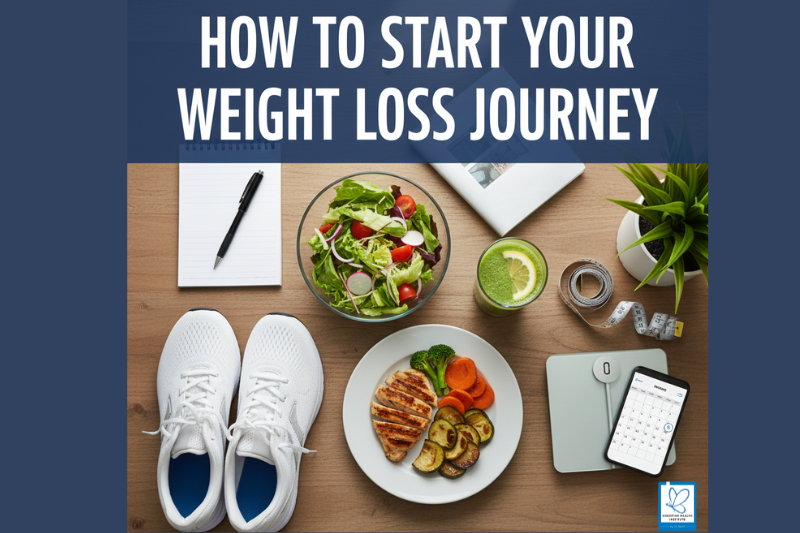
BMI Calculator +91 9820062040 | +91 8356977265 enquiry@thedigestive.in Digestive Health Institute by Dr. Muffi Home About us Dr. Muffazal Lakdawala, Founder Our Team Outreach OPD Training & Workshops Science & Magic of DHI Global Patient Program Work with DHI Eat Right Prescription Weight Management Support Emotional Wellness Rehabilitation Therapy Restorative Plastic Surgery Nutritional Supplements Obesity Support Group Test & Investigations Common FAQ’S Obesity Surgery Endoscopic-Gastric Balloon Endoscopic-Gastric Sleeve Revisional Bariatric Surgery Roux En Y Gastric Bypass SADI (malabsorptive) Sleeve Gastrectomy Sleeve + Optimal Weight Child Nutrition Lifestyle Nutrition Weight Management Gut Care Gut Reset Expert Care Diabetes Control Menopause Wellness PCOS Management Post Surgery Nutrition General Surgery General Surgery Adrenalectomy (Adrenal gland Removal) Appendectomy (Appendix Surgery) Cholecystectomy (Gallbladder Surgery) Hernia Surgery Hysterectomy (Uterus Removal Surgery) Splenectomy (Spleen Removal) VATS (Video-Assisted Thoracoscopy – Key hole Chest Surgery) GI Surgery Hydatid Cyst Removal (Liver Cyst Removal) Puestow’s Procedure (Chronic Pancreatitis Drainage Surgery) GI Oncology Gastric (Stomach) Cancer GEJ (Gastroesophageal Junction) Cancer Large Intestine Cancer (Colon & Rectum) Small Intestine Cancer (Small Bowel) Whipple’s Surgery (Pancreatic Cancer) Media & Stories Testimonials Our Health Partners Press Blogs Journal & Publication Connect Contact Us Locations Home About us Dr. Muffazal Lakdawala, Founder Our Team Outreach OPD Training & Workshops Science & Magic of DHI Global Patient Program Work with DHI Eat Right Prescription Weight Management Support Emotional Wellness Rehabilitation Therapy Restorative Plastic Surgery Nutritional Supplements Obesity Support Group Test & Investigations Common FAQ’S Obesity Surgery Endoscopic-Gastric Balloon Endoscopic-Gastric Sleeve Revisional Bariatric Surgery Roux En Y Gastric Bypass SADI (malabsorptive) Sleeve Gastrectomy Sleeve + Optimal Weight Child Nutrition Lifestyle Nutrition Weight Management Gut Care Gut Reset Expert Care Diabetes Control Menopause Wellness PCOS Management Post Surgery Nutrition General Surgery General Surgery Adrenalectomy (Adrenal gland Removal) Appendectomy (Appendix Surgery) Cholecystectomy (Gallbladder Surgery) Hernia Surgery Hysterectomy (Uterus Removal Surgery) Splenectomy (Spleen Removal) VATS (Video-Assisted Thoracoscopy – Key hole Chest Surgery) GI Surgery Hydatid Cyst Removal (Liver Cyst Removal) Puestow’s Procedure (Chronic Pancreatitis Drainage Surgery) GI Oncology Gastric (Stomach) Cancer GEJ (Gastroesophageal Junction) Cancer Large Intestine Cancer (Colon & Rectum) Small Intestine Cancer (Small Bowel) Whipple’s Surgery (Pancreatic Cancer) Media & Stories Testimonials Our Health Partners Press Blogs Journal & Publication Connect Contact Us Locations Digestive Health Institute by Dr. Muffi Home About us Dr. Muffazal Lakdawala Our Team Outreach OPD’s Training & Workshops Science & Magic of DHI Global Patient Program Work with DHI Eat Right Prescription Weight Management Optimal Weight Child Nutrition Lifestyle Nutrition Weight Management Gut Care Gut Reset Expert Care Diabetes Control Menopause Wellness PCOS Management Post Surgery Nutrition Obesity surgery Endoscopic- Gastric Balloon Endoscopic- Gastric Sleeve Revisional Bariatric Surgeries Roux En Y Gastric Bypass SADI Procedure Sleeve Gastrectomy Sleeve + Support Emotional Wellness Rehabilitation Therapy Restorative Plastic Surgery Nutritional Supplements Obesity Support Group Test & Investigations Common FAQ’S General Surgery General Surgery Adrenalectomy Appendectomy Cholecystectomy Hernia Surgery Hysterectomy Splenectomy Video-Assissted Thoracoscopy (VATS) GI Surgery Hydatid Cyst Removal Puestow’s Procedure GI Oncology Stomach Cancers GEJ (Gastroesophageal Junction) Cancer Large Intestine Cancer Small Intestine Cancer Whipple’s Surgery Media & Stories Testimonials Our Partners Press Blogs Journal & Publications Connect Contact Us Locations Home About us Dr. Muffazal Lakdawala Our Team Outreach OPD’s Training & Workshops Science & Magic of DHI Global Patient Program Work with DHI Eat Right Prescription Weight Management Optimal Weight Child Nutrition Lifestyle Nutrition Weight Management Gut Care Gut Reset Expert Care Diabetes Control Menopause Wellness PCOS Management Post Surgery Nutrition Obesity surgery Endoscopic- Gastric Balloon Endoscopic- Gastric Sleeve Revisional Bariatric Surgeries Roux En Y Gastric Bypass SADI Procedure Sleeve Gastrectomy Sleeve + Support Emotional Wellness Rehabilitation Therapy Restorative Plastic Surgery Nutritional Supplements Obesity Support Group Test & Investigations Common FAQ’S General Surgery General Surgery Adrenalectomy Appendectomy Cholecystectomy Hernia Surgery Hysterectomy Splenectomy Video-Assissted Thoracoscopy (VATS) GI Surgery Hydatid Cyst Removal Puestow’s Procedure GI Oncology Stomach Cancers GEJ (Gastroesophageal Junction) Cancer Large Intestine Cancer Small Intestine Cancer Whipple’s Surgery Media & Stories Testimonials Our Partners Press Blogs Journal & Publications Connect Contact Us Locations How to start weight loss journey Navigating Weight Loss Journeys: A Comprehensive Guide to Lasting Success Embarking on a path toward better health is a significant decision that impacts nearly every aspect of physical and mental well-being. Weight Loss Journeys are not merely about a number on a scale; they represent a fundamental shift in lifestyle, habits, and mindset. Whether motivated by the desire to increase energy levels, improve mobility, or manage chronic health conditions, understanding the foundational principles of sustainable weight management is the first step toward success. In this guide, we will explore the scientific and practical strategies for beginning your transformation, with a specific focus on how to start weight loss journey at home effectively. Understanding the Foundations of Weight Loss Journeys The most successful Weight Loss Journeys are built on consistency rather than intensity. Many people fall into the trap of “fad diets” or extreme exercise regimens that are difficult to maintain. Factual evidence suggests that a gradual approach, losing approximately 0.5 to 1 kilogram per week, is the most effective way to ensure Weight Loss Journeys lead to permanent results. The Role of Caloric Balance At its core, Weight Loss Journeys are governed by the principle of energy balance. To lose weight, the body must enter a caloric deficit, meaning it burns more energy than it consumes. This is achieved through a combination of nutritional adjustments and increased physical activity. However, in all Weight Loss Journeys, a deficit should be moderate; extreme restriction can lead to muscle loss and a slowed metabolism. How to Start Weight Loss Journey at Home Many individuals believe they need an expensive gym membership or a personal trainer to see results. On the contrary, learning how to start weight loss journey at home can be more convenient and sustainable. By modifying your home environment and daily routines, you can create a space that supports your goals naturally. Many successful Weight Loss Journeys begin right in the living room or kitchen. 1. Kitchen Environment and Meal Prepping The “home” part of the process starts with knowing how to
How to Tighten Skin After Weight Loss

BMI Calculator +91 9820062040 | +91 8356977265 enquiry@thedigestive.in Digestive Health Institute by Dr. Muffi Home About us Dr. Muffazal Lakdawala, Founder Our Team Outreach OPD Training & Workshops Science & Magic of DHI Global Patient Program Work with DHI Eat Right Prescription Weight Management Support Emotional Wellness Rehabilitation Therapy Restorative Plastic Surgery Nutritional Supplements Obesity Support Group Test & Investigations Common FAQ’S Obesity Surgery Endoscopic-Gastric Balloon Endoscopic-Gastric Sleeve Revisional Bariatric Surgery Roux En Y Gastric Bypass SADI (malabsorptive) Sleeve Gastrectomy Sleeve + Optimal Weight Child Nutrition Lifestyle Nutrition Weight Management Gut Care Gut Reset Expert Care Diabetes Control Menopause Wellness PCOS Management Post Surgery Nutrition General Surgery General Surgery Adrenalectomy (Adrenal gland Removal) Appendectomy (Appendix Surgery) Cholecystectomy (Gallbladder Surgery) Hernia Surgery Hysterectomy (Uterus Removal Surgery) Splenectomy (Spleen Removal) VATS (Video-Assisted Thoracoscopy – Key hole Chest Surgery) GI Surgery Hydatid Cyst Removal (Liver Cyst Removal) Puestow’s Procedure (Chronic Pancreatitis Drainage Surgery) GI Oncology Gastric (Stomach) Cancer GEJ (Gastroesophageal Junction) Cancer Large Intestine Cancer (Colon & Rectum) Small Intestine Cancer (Small Bowel) Whipple’s Surgery (Pancreatic Cancer) Media & Stories Testimonials Our Health Partners Press Blogs Journal & Publication Connect Contact Us Locations Home About us Dr. Muffazal Lakdawala, Founder Our Team Outreach OPD Training & Workshops Science & Magic of DHI Global Patient Program Work with DHI Eat Right Prescription Weight Management Support Emotional Wellness Rehabilitation Therapy Restorative Plastic Surgery Nutritional Supplements Obesity Support Group Test & Investigations Common FAQ’S Obesity Surgery Endoscopic-Gastric Balloon Endoscopic-Gastric Sleeve Revisional Bariatric Surgery Roux En Y Gastric Bypass SADI (malabsorptive) Sleeve Gastrectomy Sleeve + Optimal Weight Child Nutrition Lifestyle Nutrition Weight Management Gut Care Gut Reset Expert Care Diabetes Control Menopause Wellness PCOS Management Post Surgery Nutrition General Surgery General Surgery Adrenalectomy (Adrenal gland Removal) Appendectomy (Appendix Surgery) Cholecystectomy (Gallbladder Surgery) Hernia Surgery Hysterectomy (Uterus Removal Surgery) Splenectomy (Spleen Removal) VATS (Video-Assisted Thoracoscopy – Key hole Chest Surgery) GI Surgery Hydatid Cyst Removal (Liver Cyst Removal) Puestow’s Procedure (Chronic Pancreatitis Drainage Surgery) GI Oncology Gastric (Stomach) Cancer GEJ (Gastroesophageal Junction) Cancer Large Intestine Cancer (Colon & Rectum) Small Intestine Cancer (Small Bowel) Whipple’s Surgery (Pancreatic Cancer) Media & Stories Testimonials Our Health Partners Press Blogs Journal & Publication Connect Contact Us Locations Digestive Health Institute by Dr. Muffi Home About us Dr. Muffazal Lakdawala Our Team Outreach OPD’s Training & Workshops Science & Magic of DHI Global Patient Program Work with DHI Eat Right Prescription Weight Management Optimal Weight Child Nutrition Lifestyle Nutrition Weight Management Gut Care Gut Reset Expert Care Diabetes Control Menopause Wellness PCOS Management Post Surgery Nutrition Obesity surgery Endoscopic- Gastric Balloon Endoscopic- Gastric Sleeve Revisional Bariatric Surgeries Roux En Y Gastric Bypass SADI Procedure Sleeve Gastrectomy Sleeve + Support Emotional Wellness Rehabilitation Therapy Restorative Plastic Surgery Nutritional Supplements Obesity Support Group Test & Investigations Common FAQ’S General Surgery General Surgery Adrenalectomy Appendectomy Cholecystectomy Hernia Surgery Hysterectomy Splenectomy Video-Assissted Thoracoscopy (VATS) GI Surgery Hydatid Cyst Removal Puestow’s Procedure GI Oncology Stomach Cancers GEJ (Gastroesophageal Junction) Cancer Large Intestine Cancer Small Intestine Cancer Whipple’s Surgery Media & Stories Testimonials Our Partners Press Blogs Journal & Publications Connect Contact Us Locations Home About us Dr. Muffazal Lakdawala Our Team Outreach OPD’s Training & Workshops Science & Magic of DHI Global Patient Program Work with DHI Eat Right Prescription Weight Management Optimal Weight Child Nutrition Lifestyle Nutrition Weight Management Gut Care Gut Reset Expert Care Diabetes Control Menopause Wellness PCOS Management Post Surgery Nutrition Obesity surgery Endoscopic- Gastric Balloon Endoscopic- Gastric Sleeve Revisional Bariatric Surgeries Roux En Y Gastric Bypass SADI Procedure Sleeve Gastrectomy Sleeve + Support Emotional Wellness Rehabilitation Therapy Restorative Plastic Surgery Nutritional Supplements Obesity Support Group Test & Investigations Common FAQ’S General Surgery General Surgery Adrenalectomy Appendectomy Cholecystectomy Hernia Surgery Hysterectomy Splenectomy Video-Assissted Thoracoscopy (VATS) GI Surgery Hydatid Cyst Removal Puestow’s Procedure GI Oncology Stomach Cancers GEJ (Gastroesophageal Junction) Cancer Large Intestine Cancer Small Intestine Cancer Whipple’s Surgery Media & Stories Testimonials Our Partners Press Blogs Journal & Publications Connect Contact Us Locations How to Tighten Skin After Weight Loss Introduction Losing weight is a major achievement, but for many people, it comes with an unexpected challenge: loose, sagging skin.If you’re searching for how to tighten skin after weight loss, you’re not alone. Thousands of people struggle with flabby skin after fat loss, especially around the belly, arms, thighs, and face. The good news?You can significantly improve skin firmness with the right combination of lifestyle habits, natural remedies, and professional treatments. This guide covers everything from home methods to advanced medical options. Why Does Loose Skin Occur After Weight Loss? When you gain weight, your skin stretches. If the weight stays for a long time, the skin’s collagen and elastin fibres become damaged.After weight loss, the skin doesn’t always bounce back, resulting in excess skin. Main causes include: Rapid or extreme weight loss Aging (loss of collagen) Poor hydration Smoking Lack of muscle tone Genetics How to Tighten Skin After Weight Loss Naturally If your loose skin is mild to moderate, natural methods can help a lot. 1. Build Lean Muscle Strength training fills out the space under the skin, making it appear tighter. Best exercises: Squats Push-ups Deadlifts Planks Resistance training 2. Stay Deeply Hydrated Water keeps skin elastic and healthy.Aim for 2.5–3 litres of fluid daily. 3. Eat Skin-Firming Foods Boost collagen with: Eggs Citrus fruits Berries Nuts & seeds Fish Leafy greens Add vitamin C, zinc, omega-3, protein for faster repair. 4. Massage with Natural Oils Daily massage with: Coconut oil Almond oil Vitamin E oil Aloe vera gel Improves blood flow and collagen production. 5. Use Firming Creams Look for creams containing: Retinol Hyaluronic acid Peptides Caffeine 6. Sleep & Stress Control Poor sleep destroys collagen.Target 7–9 hours nightly. How to Tighten Loose Skin After Weight Loss – Medical Options When skin is severely saggy, medical treatments deliver faster and stronger results. 1. Body Contouring Treatments Non-surgical: Radiofrequency (RF) Ultrasound skin tightening Laser tightening These stimulate collagen and shrink loose skin. 2. Body Contouring After Weight Loss (Surgical) For large amounts of excess skin: Tummy tuck
Can Gallbladder Stones Be Removed Without Surgery?
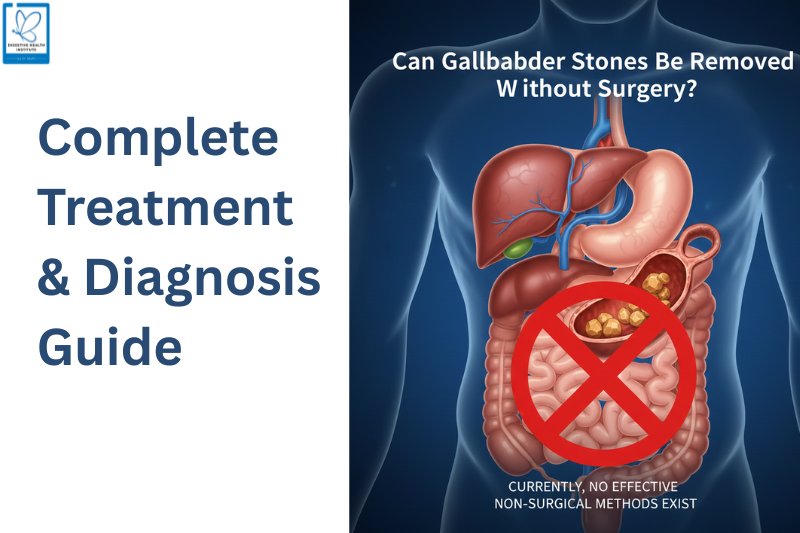
BMI Calculator +91 9820062040 | +91 8356977265 enquiry@thedigestive.in Digestive Health Institute by Dr. Muffi Home About us Dr. Muffazal Lakdawala, Founder Our Team Outreach OPD Training & Workshops Science & Magic of DHI Global Patient Program Work with DHI Eat Right Prescription Weight Management Support Emotional Wellness Rehabilitation Therapy Restorative Plastic Surgery Nutritional Supplements Obesity Support Group Test & Investigations Common FAQ’S Obesity Surgery Endoscopic-Gastric Balloon Endoscopic-Gastric Sleeve Revisional Bariatric Surgery Roux En Y Gastric Bypass SADI (malabsorptive) Sleeve Gastrectomy Sleeve + Optimal Weight Child Nutrition Lifestyle Nutrition Weight Management Gut Care Gut Reset Expert Care Diabetes Control Menopause Wellness PCOS Management Post Surgery Nutrition General Surgery General Surgery Adrenalectomy (Adrenal gland Removal) Appendectomy (Appendix Surgery) Cholecystectomy (Gallbladder Surgery) Hernia Surgery Hysterectomy (Uterus Removal Surgery) Splenectomy (Spleen Removal) VATS (Video-Assisted Thoracoscopy – Key hole Chest Surgery) GI Surgery Hydatid Cyst Removal (Liver Cyst Removal) Puestow’s Procedure (Chronic Pancreatitis Drainage Surgery) GI Oncology Gastric (Stomach) Cancer GEJ (Gastroesophageal Junction) Cancer Large Intestine Cancer (Colon & Rectum) Small Intestine Cancer (Small Bowel) Whipple’s Surgery (Pancreatic Cancer) Media & Stories Testimonials Our Health Partners Press Blogs Journal & Publication Connect Contact Us Locations Home About us Dr. Muffazal Lakdawala, Founder Our Team Outreach OPD Training & Workshops Science & Magic of DHI Global Patient Program Work with DHI Eat Right Prescription Weight Management Support Emotional Wellness Rehabilitation Therapy Restorative Plastic Surgery Nutritional Supplements Obesity Support Group Test & Investigations Common FAQ’S Obesity Surgery Endoscopic-Gastric Balloon Endoscopic-Gastric Sleeve Revisional Bariatric Surgery Roux En Y Gastric Bypass SADI (malabsorptive) Sleeve Gastrectomy Sleeve + Optimal Weight Child Nutrition Lifestyle Nutrition Weight Management Gut Care Gut Reset Expert Care Diabetes Control Menopause Wellness PCOS Management Post Surgery Nutrition General Surgery General Surgery Adrenalectomy (Adrenal gland Removal) Appendectomy (Appendix Surgery) Cholecystectomy (Gallbladder Surgery) Hernia Surgery Hysterectomy (Uterus Removal Surgery) Splenectomy (Spleen Removal) VATS (Video-Assisted Thoracoscopy – Key hole Chest Surgery) GI Surgery Hydatid Cyst Removal (Liver Cyst Removal) Puestow’s Procedure (Chronic Pancreatitis Drainage Surgery) GI Oncology Gastric (Stomach) Cancer GEJ (Gastroesophageal Junction) Cancer Large Intestine Cancer (Colon & Rectum) Small Intestine Cancer (Small Bowel) Whipple’s Surgery (Pancreatic Cancer) Media & Stories Testimonials Our Health Partners Press Blogs Journal & Publication Connect Contact Us Locations Digestive Health Institute by Dr. Muffi Home About us Dr. Muffazal Lakdawala Our Team Outreach OPD’s Training & Workshops Science & Magic of DHI Global Patient Program Work with DHI Eat Right Prescription Weight Management Optimal Weight Child Nutrition Lifestyle Nutrition Weight Management Gut Care Gut Reset Expert Care Diabetes Control Menopause Wellness PCOS Management Post Surgery Nutrition Obesity surgery Endoscopic- Gastric Balloon Endoscopic- Gastric Sleeve Revisional Bariatric Surgeries Roux En Y Gastric Bypass SADI Procedure Sleeve Gastrectomy Sleeve + Support Emotional Wellness Rehabilitation Therapy Restorative Plastic Surgery Nutritional Supplements Obesity Support Group Test & Investigations Common FAQ’S General Surgery General Surgery Adrenalectomy Appendectomy Cholecystectomy Hernia Surgery Hysterectomy Splenectomy Video-Assissted Thoracoscopy (VATS) GI Surgery Hydatid Cyst Removal Puestow’s Procedure GI Oncology Stomach Cancers GEJ (Gastroesophageal Junction) Cancer Large Intestine Cancer Small Intestine Cancer Whipple’s Surgery Media & Stories Testimonials Our Partners Press Blogs Journal & Publications Connect Contact Us Locations Home About us Dr. Muffazal Lakdawala Our Team Outreach OPD’s Training & Workshops Science & Magic of DHI Global Patient Program Work with DHI Eat Right Prescription Weight Management Optimal Weight Child Nutrition Lifestyle Nutrition Weight Management Gut Care Gut Reset Expert Care Diabetes Control Menopause Wellness PCOS Management Post Surgery Nutrition Obesity surgery Endoscopic- Gastric Balloon Endoscopic- Gastric Sleeve Revisional Bariatric Surgeries Roux En Y Gastric Bypass SADI Procedure Sleeve Gastrectomy Sleeve + Support Emotional Wellness Rehabilitation Therapy Restorative Plastic Surgery Nutritional Supplements Obesity Support Group Test & Investigations Common FAQ’S General Surgery General Surgery Adrenalectomy Appendectomy Cholecystectomy Hernia Surgery Hysterectomy Splenectomy Video-Assissted Thoracoscopy (VATS) GI Surgery Hydatid Cyst Removal Puestow’s Procedure GI Oncology Stomach Cancers GEJ (Gastroesophageal Junction) Cancer Large Intestine Cancer Small Intestine Cancer Whipple’s Surgery Media & Stories Testimonials Our Partners Press Blogs Journal & Publications Connect Contact Us Locations Can Gallbladder Stones Be Removed Without Surgery? Introduction Gallstones are one of the most common digestive health problems worldwide. Millions of people search each year, asking the same question: Can gallbladder stones be removed without surgery? The good news: Yes, in some cases, but not always. In this comprehensive guide, we will explore: What gallstones are How gallstones are diagnosed All non-surgical gallbladder stone treatments When gallstone surgery becomes necessary Natural & medical ways to manage gallstones safely This article is written in clear, patient-friendly language for maximum understanding and search ranking. What Are Gallstones? Gallstones are hardened deposits of digestive fluid (bile) that form in the gallbladder, a small organ located beneath the liver. They can range in size from tiny grains of sand to large stones the size of a golf ball. Types of Gallstones Type Description Cholesterol Stones Most common, made of hardened cholesterol Pigment Stones Dark stones formed from excess bilirubin Many people also confuse gallstones with liver stones, but true liver stones form in bile ducts, not inside the liver tissue itself. Gallstones Diagnosis: How Doctors Detect Them Proper gallstone diagnosis is essential before deciding on treatment. Common Diagnostic Tests Ultrasound – Most accurate and first-line test CT Scan – Used when complications are suspected Blood Tests – Detect infection, liver blockage, or inflammation HIDA Scan – Checks gallbladder function Can Gallbladder Stones Be Removed Without Surgery? Yes, In Selected Cases Gallbladder stones can be treated without surgery if: Stones are small The gallbladder is still functioning normally. Symptoms are mild or absent. Stones are made of cholesterol Non-Surgical Gallbladder Stones Treatment Options 1. Oral Dissolution Therapy (Medication) Doctors may prescribe medications such as: Ursodeoxycholic acid (UDCA) Chenodeoxycholic acid These medicines slowly dissolve cholesterol stones over 6–24 months. Best for: Small, cholesterol-based stonesLimitations: Stones may return once the medication stops 2. Shock Wave Therapy (ESWL) High-energy sound waves break stones into smaller pieces, which then pass naturally. Rarely used today, but still an option for select patients. 3. Natural Management (Supportive Care) These methods do not remove stones, but may prevent worsening:
Difference Between Surgery and Operation
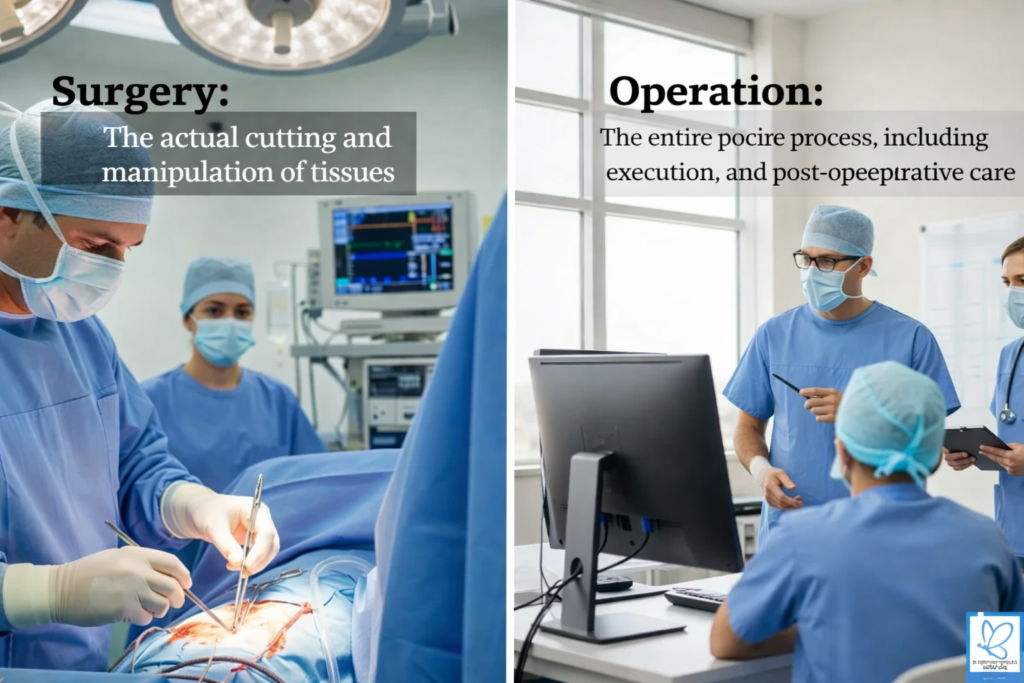
BMI Calculator +91 9820062040 | +91 8356977265 enquiry@thedigestive.in Digestive Health Institute by Dr. Muffi Home About us Dr. Muffazal Lakdawala, Founder Our Team Outreach OPD Training & Workshops Science & Magic of DHI Global Patient Program Work with DHI Eat Right Prescription Weight Management Support Emotional Wellness Rehabilitation Therapy Restorative Plastic Surgery Nutritional Supplements Obesity Support Group Test & Investigations Common FAQ’S Obesity Surgery Endoscopic-Gastric Balloon Endoscopic-Gastric Sleeve Revisional Bariatric Surgery Roux En Y Gastric Bypass SADI (malabsorptive) Sleeve Gastrectomy Sleeve + Optimal Weight Child Nutrition Lifestyle Nutrition Weight Management Gut Care Gut Reset Expert Care Diabetes Control Menopause Wellness PCOS Management Post Surgery Nutrition General Surgery General Surgery Adrenalectomy (Adrenal gland Removal) Appendectomy (Appendix Surgery) Cholecystectomy (Gallbladder Surgery) Hernia Surgery Hysterectomy (Uterus Removal Surgery) Splenectomy (Spleen Removal) VATS (Video-Assisted Thoracoscopy – Key hole Chest Surgery) GI Surgery Hydatid Cyst Removal (Liver Cyst Removal) Puestow’s Procedure (Chronic Pancreatitis Drainage Surgery) GI Oncology Gastric (Stomach) Cancer GEJ (Gastroesophageal Junction) Cancer Large Intestine Cancer (Colon & Rectum) Small Intestine Cancer (Small Bowel) Whipple’s Surgery (Pancreatic Cancer) Media & Stories Testimonials Our Health Partners Press Blogs Journal & Publication Connect Contact Us Locations Home About us Dr. Muffazal Lakdawala, Founder Our Team Outreach OPD Training & Workshops Science & Magic of DHI Global Patient Program Work with DHI Eat Right Prescription Weight Management Support Emotional Wellness Rehabilitation Therapy Restorative Plastic Surgery Nutritional Supplements Obesity Support Group Test & Investigations Common FAQ’S Obesity Surgery Endoscopic-Gastric Balloon Endoscopic-Gastric Sleeve Revisional Bariatric Surgery Roux En Y Gastric Bypass SADI (malabsorptive) Sleeve Gastrectomy Sleeve + Optimal Weight Child Nutrition Lifestyle Nutrition Weight Management Gut Care Gut Reset Expert Care Diabetes Control Menopause Wellness PCOS Management Post Surgery Nutrition General Surgery General Surgery Adrenalectomy (Adrenal gland Removal) Appendectomy (Appendix Surgery) Cholecystectomy (Gallbladder Surgery) Hernia Surgery Hysterectomy (Uterus Removal Surgery) Splenectomy (Spleen Removal) VATS (Video-Assisted Thoracoscopy – Key hole Chest Surgery) GI Surgery Hydatid Cyst Removal (Liver Cyst Removal) Puestow’s Procedure (Chronic Pancreatitis Drainage Surgery) GI Oncology Gastric (Stomach) Cancer GEJ (Gastroesophageal Junction) Cancer Large Intestine Cancer (Colon & Rectum) Small Intestine Cancer (Small Bowel) Whipple’s Surgery (Pancreatic Cancer) Media & Stories Testimonials Our Health Partners Press Blogs Journal & Publication Connect Contact Us Locations Digestive Health Institute by Dr. Muffi Home About us Dr. Muffazal Lakdawala Our Team Outreach OPD’s Training & Workshops Science & Magic of DHI Global Patient Program Work with DHI Eat Right Prescription Weight Management Optimal Weight Child Nutrition Lifestyle Nutrition Weight Management Gut Care Gut Reset Expert Care Diabetes Control Menopause Wellness PCOS Management Post Surgery Nutrition Obesity surgery Endoscopic- Gastric Balloon Endoscopic- Gastric Sleeve Revisional Bariatric Surgeries Roux En Y Gastric Bypass SADI Procedure Sleeve Gastrectomy Sleeve + Support Emotional Wellness Rehabilitation Therapy Restorative Plastic Surgery Nutritional Supplements Obesity Support Group Test & Investigations Common FAQ’S General Surgery General Surgery Adrenalectomy Appendectomy Cholecystectomy Hernia Surgery Hysterectomy Splenectomy Video-Assissted Thoracoscopy (VATS) GI Surgery Hydatid Cyst Removal Puestow’s Procedure GI Oncology Stomach Cancers GEJ (Gastroesophageal Junction) Cancer Large Intestine Cancer Small Intestine Cancer Whipple’s Surgery Media & Stories Testimonials Our Partners Press Blogs Journal & Publications Connect Contact Us Locations Home About us Dr. Muffazal Lakdawala Our Team Outreach OPD’s Training & Workshops Science & Magic of DHI Global Patient Program Work with DHI Eat Right Prescription Weight Management Optimal Weight Child Nutrition Lifestyle Nutrition Weight Management Gut Care Gut Reset Expert Care Diabetes Control Menopause Wellness PCOS Management Post Surgery Nutrition Obesity surgery Endoscopic- Gastric Balloon Endoscopic- Gastric Sleeve Revisional Bariatric Surgeries Roux En Y Gastric Bypass SADI Procedure Sleeve Gastrectomy Sleeve + Support Emotional Wellness Rehabilitation Therapy Restorative Plastic Surgery Nutritional Supplements Obesity Support Group Test & Investigations Common FAQ’S General Surgery General Surgery Adrenalectomy Appendectomy Cholecystectomy Hernia Surgery Hysterectomy Splenectomy Video-Assissted Thoracoscopy (VATS) GI Surgery Hydatid Cyst Removal Puestow’s Procedure GI Oncology Stomach Cancers GEJ (Gastroesophageal Junction) Cancer Large Intestine Cancer Small Intestine Cancer Whipple’s Surgery Media & Stories Testimonials Our Partners Press Blogs Journal & Publications Connect Contact Us Locations Difference Between Surgery and Operation surgery vs operation The difference between surgery and operation is mainly linguistic. “Surgery” is the medical term for procedures performed by doctors, while “operation” is a general term often used interchangeably in everyday language. What Is Surgery? (Surgery Meaning) Surgery is the medical field or discipline that treats diseases, injuries, or deformities by physical intervention on the body. In simple terms: Surgery is the branch of medicine that deals with performing medical procedures. It includes: Diagnosis Treatment Repair of body tissues Prevention of disease complications Example:Orthopaedic surgery, cosmetic surgery, dental surgery, and heart surgery. What Is an Operation? An operation is the actual medical procedure performed on a patient. In simple words: An operation is the action that happens during surgery. It is the hands-on procedure done in the operating room. Example:Appendix removal, tooth extraction, and knee replacement are each an operation. Difference Between Surgery and Operation Point Surgery Operation Meaning A medical field or branch A specific medical procedure Scope Broad concept A single medical action Usage Refers to the profession or discipline Refers to the procedure itself Example Cardiac surgery Heart bypass operation In short: Surgery is the system. Operation is the act. Types of Surgery 1. Minor Surgery Simple procedures, usually no hospital stayExamples: Stitching, mole removal, dental extraction 2. Major Surgery Complex procedures requiring anaesthesia and recovery. Examples include heart surgery, brain surgery, and joint replacement performed by specialised surgeons. 3. Emergency Surgery Performed immediately to save lifeExamples: Trauma surgery, internal bleeding repair 4. Elective Surgery Planned proceduresExamples: Cosmetic surgery, LASIK eye surgery 5. Minimally Invasive Surgery Small incisions, faster recoveryExamples: Laparoscopic surgery, robotic surgery How Are Surgery and Operation Used in Medical Practice? Doctors may say: “The surgery was successful.” “The operation lasted two hours.” Both are connected, but not interchangeable in meaning. Why Understanding This Difference Matters Knowing the difference between surgery and operation helps patients: Understand medical reports Communicate better with doctors Make informed healthcare decisions Conclusion Surgery Operation Medical discipline Actual procedure Both are essential parts of modern healthcare, but they are not the
Weight Loss & Bariatric Care 2026

BMI Calculator +91 9820062040 | +91 8356977265 enquiry@thedigestive.in Digestive Health Institute by Dr. Muffi Home About us Dr. Muffazal Lakdawala, Founder Our Team Outreach OPD Training & Workshops Science & Magic of DHI Global Patient Program Work with DHI Eat Right Prescription Weight Management Support Emotional Wellness Rehabilitation Therapy Restorative Plastic Surgery Nutritional Supplements Obesity Support Group Test & Investigations Common FAQ’S Obesity Surgery Endoscopic-Gastric Balloon Endoscopic-Gastric Sleeve Revisional Bariatric Surgery Roux En Y Gastric Bypass SADI (malabsorptive) Sleeve Gastrectomy Sleeve + Optimal Weight Child Nutrition Lifestyle Nutrition Weight Management Gut Care Gut Reset Expert Care Diabetes Control Menopause Wellness PCOS Management Post Surgery Nutrition General Surgery General Surgery Adrenalectomy (Adrenal gland Removal) Appendectomy (Appendix Surgery) Cholecystectomy (Gallbladder Surgery) Hernia Surgery Hysterectomy (Uterus Removal Surgery) Splenectomy (Spleen Removal) VATS (Video-Assisted Thoracoscopy – Key hole Chest Surgery) GI Surgery Hydatid Cyst Removal (Liver Cyst Removal) Puestow’s Procedure (Chronic Pancreatitis Drainage Surgery) GI Oncology Gastric (Stomach) Cancer GEJ (Gastroesophageal Junction) Cancer Large Intestine Cancer (Colon & Rectum) Small Intestine Cancer (Small Bowel) Whipple’s Surgery (Pancreatic Cancer) Media & Stories Testimonials Our Health Partners Press Blogs Journal & Publication Connect Contact Us Locations Home About us Dr. Muffazal Lakdawala, Founder Our Team Outreach OPD Training & Workshops Science & Magic of DHI Global Patient Program Work with DHI Eat Right Prescription Weight Management Support Emotional Wellness Rehabilitation Therapy Restorative Plastic Surgery Nutritional Supplements Obesity Support Group Test & Investigations Common FAQ’S Obesity Surgery Endoscopic-Gastric Balloon Endoscopic-Gastric Sleeve Revisional Bariatric Surgery Roux En Y Gastric Bypass SADI (malabsorptive) Sleeve Gastrectomy Sleeve + Optimal Weight Child Nutrition Lifestyle Nutrition Weight Management Gut Care Gut Reset Expert Care Diabetes Control Menopause Wellness PCOS Management Post Surgery Nutrition General Surgery General Surgery Adrenalectomy (Adrenal gland Removal) Appendectomy (Appendix Surgery) Cholecystectomy (Gallbladder Surgery) Hernia Surgery Hysterectomy (Uterus Removal Surgery) Splenectomy (Spleen Removal) VATS (Video-Assisted Thoracoscopy – Key hole Chest Surgery) GI Surgery Hydatid Cyst Removal (Liver Cyst Removal) Puestow’s Procedure (Chronic Pancreatitis Drainage Surgery) GI Oncology Gastric (Stomach) Cancer GEJ (Gastroesophageal Junction) Cancer Large Intestine Cancer (Colon & Rectum) Small Intestine Cancer (Small Bowel) Whipple’s Surgery (Pancreatic Cancer) Media & Stories Testimonials Our Health Partners Press Blogs Journal & Publication Connect Contact Us Locations Digestive Health Institute by Dr. Muffi Home About us Dr. Muffazal Lakdawala Our Team Outreach OPD’s Training & Workshops Science & Magic of DHI Global Patient Program Work with DHI Eat Right Prescription Weight Management Optimal Weight Child Nutrition Lifestyle Nutrition Weight Management Gut Care Gut Reset Expert Care Diabetes Control Menopause Wellness PCOS Management Post Surgery Nutrition Obesity surgery Endoscopic- Gastric Balloon Endoscopic- Gastric Sleeve Revisional Bariatric Surgeries Roux En Y Gastric Bypass SADI Procedure Sleeve Gastrectomy Sleeve + Support Emotional Wellness Rehabilitation Therapy Restorative Plastic Surgery Nutritional Supplements Obesity Support Group Test & Investigations Common FAQ’S General Surgery General Surgery Adrenalectomy Appendectomy Cholecystectomy Hernia Surgery Hysterectomy Splenectomy Video-Assissted Thoracoscopy (VATS) GI Surgery Hydatid Cyst Removal Puestow’s Procedure GI Oncology Stomach Cancers GEJ (Gastroesophageal Junction) Cancer Large Intestine Cancer Small Intestine Cancer Whipple’s Surgery Media & Stories Testimonials Our Partners Press Blogs Journal & Publications Connect Contact Us Locations Home About us Dr. Muffazal Lakdawala Our Team Outreach OPD’s Training & Workshops Science & Magic of DHI Global Patient Program Work with DHI Eat Right Prescription Weight Management Optimal Weight Child Nutrition Lifestyle Nutrition Weight Management Gut Care Gut Reset Expert Care Diabetes Control Menopause Wellness PCOS Management Post Surgery Nutrition Obesity surgery Endoscopic- Gastric Balloon Endoscopic- Gastric Sleeve Revisional Bariatric Surgeries Roux En Y Gastric Bypass SADI Procedure Sleeve Gastrectomy Sleeve + Support Emotional Wellness Rehabilitation Therapy Restorative Plastic Surgery Nutritional Supplements Obesity Support Group Test & Investigations Common FAQ’S General Surgery General Surgery Adrenalectomy Appendectomy Cholecystectomy Hernia Surgery Hysterectomy Splenectomy Video-Assissted Thoracoscopy (VATS) GI Surgery Hydatid Cyst Removal Puestow’s Procedure GI Oncology Stomach Cancers GEJ (Gastroesophageal Junction) Cancer Large Intestine Cancer Small Intestine Cancer Whipple’s Surgery Media & Stories Testimonials Our Partners Press Blogs Journal & Publications Connect Contact Us Locations Weight Loss & Bariatric Care 2026 Introduction As we move into 2026, weight loss and bariatric care are no longer just about losing kilos — they are about improving long-term health, metabolic balance, confidence, and quality of life. Medical science, technology, and nutrition are evolving together, offering patients safer procedures, faster recovery, and highly personalised treatment plans. At DrMuffi.in, this future has already begun. 1. The Rise of Smart Bariatric Technology In 2026, bariatric and digestive care is driven by advanced technology: Minimally invasive endoscopic procedures High-precision laparoscopic surgeries AI-assisted diagnostics for better risk assessment 3D imaging for surgical planning These innovations reduce pain, hospital stay, and recovery time — allowing patients to return to normal life faster and healthier. 2. Personalised Weight Loss Programs: No More “One-Size-Fits-All” Modern weight management focuses on the individual, not just the scale. Patients now receive: Metabolic assessments Gut microbiome analysis Personalised nutrition plans Lifestyle & behavioural coaching This approach improves long-term success and prevents weight regain. 3. Non-Surgical Weight Loss: A Growing Revolution Not everyone requires surgery. In 2026, many patients choose non-surgical solutions such as: Endoscopic gastric balloon Endoscopic sleeve procedures Medical weight-loss therapies Nutrition + medication-based programs These options offer effective weight reduction with minimal downtime and excellent safety profiles. 4.Why Patients Across India Trust Dr. Muffazal Lakdawala Successful weight loss is not only physical — it is psychological. 2026 programs integrate: Emotional health counselling Stress management Sleep optimisation Sustainable lifestyle habits This holistic approach leads to lasting transformation, not temporary change. 5. What Patients Can Expect in 2026 – Faster recovery– Less pain & fewer complications– Higher long-term success rates – Better control of diabetes, BP & cholesterol– Improved confidence & quality of life 6. Dr. Muffi’s Vision for the Future At DrMuffi.in, we combine medical expertise, advanced technology, compassionate care, and personalised treatment to help every patient achieve their healthiest future. We believe weight loss is not about becoming someone else — it’s about becoming your best self. Conclusion The future of weight loss and bariatric care in 2026 is smarter, safer, and more personal than
Difference Between Reconstructive and Cosmetic

BMI Calculator +91 9820062040 | +91 8356977265 enquiry@thedigestive.in Digestive Health Institute by Dr. Muffi Home About us Dr. Muffazal Lakdawala, Founder Our Team Outreach OPD Training & Workshops Science & Magic of DHI Global Patient Program Work with DHI Eat Right Prescription Weight Management Support Emotional Wellness Rehabilitation Therapy Restorative Plastic Surgery Nutritional Supplements Obesity Support Group Test & Investigations Common FAQ’S Obesity Surgery Endoscopic-Gastric Balloon Endoscopic-Gastric Sleeve Revisional Bariatric Surgery Roux En Y Gastric Bypass SADI (malabsorptive) Sleeve Gastrectomy Sleeve + Optimal Weight Child Nutrition Lifestyle Nutrition Weight Management Gut Care Gut Reset Expert Care Diabetes Control Menopause Wellness PCOS Management Post Surgery Nutrition General Surgery General Surgery Adrenalectomy (Adrenal gland Removal) Appendectomy (Appendix Surgery) Cholecystectomy (Gallbladder Surgery) Hernia Surgery Hysterectomy (Uterus Removal Surgery) Splenectomy (Spleen Removal) VATS (Video-Assisted Thoracoscopy – Key hole Chest Surgery) GI Surgery Hydatid Cyst Removal (Liver Cyst Removal) Puestow’s Procedure (Chronic Pancreatitis Drainage Surgery) GI Oncology Gastric (Stomach) Cancer GEJ (Gastroesophageal Junction) Cancer Large Intestine Cancer (Colon & Rectum) Small Intestine Cancer (Small Bowel) Whipple’s Surgery (Pancreatic Cancer) Media & Stories Testimonials Our Health Partners Press Blogs Journal & Publication Connect Contact Us Locations Home About us Dr. Muffazal Lakdawala, Founder Our Team Outreach OPD Training & Workshops Science & Magic of DHI Global Patient Program Work with DHI Eat Right Prescription Weight Management Support Emotional Wellness Rehabilitation Therapy Restorative Plastic Surgery Nutritional Supplements Obesity Support Group Test & Investigations Common FAQ’S Obesity Surgery Endoscopic-Gastric Balloon Endoscopic-Gastric Sleeve Revisional Bariatric Surgery Roux En Y Gastric Bypass SADI (malabsorptive) Sleeve Gastrectomy Sleeve + Optimal Weight Child Nutrition Lifestyle Nutrition Weight Management Gut Care Gut Reset Expert Care Diabetes Control Menopause Wellness PCOS Management Post Surgery Nutrition General Surgery General Surgery Adrenalectomy (Adrenal gland Removal) Appendectomy (Appendix Surgery) Cholecystectomy (Gallbladder Surgery) Hernia Surgery Hysterectomy (Uterus Removal Surgery) Splenectomy (Spleen Removal) VATS (Video-Assisted Thoracoscopy – Key hole Chest Surgery) GI Surgery Hydatid Cyst Removal (Liver Cyst Removal) Puestow’s Procedure (Chronic Pancreatitis Drainage Surgery) GI Oncology Gastric (Stomach) Cancer GEJ (Gastroesophageal Junction) Cancer Large Intestine Cancer (Colon & Rectum) Small Intestine Cancer (Small Bowel) Whipple’s Surgery (Pancreatic Cancer) Media & Stories Testimonials Our Health Partners Press Blogs Journal & Publication Connect Contact Us Locations Digestive Health Institute by Dr. Muffi Home About us Dr. Muffazal Lakdawala Our Team Outreach OPD’s Training & Workshops Science & Magic of DHI Global Patient Program Work with DHI Eat Right Prescription Weight Management Optimal Weight Child Nutrition Lifestyle Nutrition Weight Management Gut Care Gut Reset Expert Care Diabetes Control Menopause Wellness PCOS Management Post Surgery Nutrition Obesity surgery Endoscopic- Gastric Balloon Endoscopic- Gastric Sleeve Revisional Bariatric Surgeries Roux En Y Gastric Bypass SADI Procedure Sleeve Gastrectomy Sleeve + Support Emotional Wellness Rehabilitation Therapy Restorative Plastic Surgery Nutritional Supplements Obesity Support Group Test & Investigations Common FAQ’S General Surgery General Surgery Adrenalectomy Appendectomy Cholecystectomy Hernia Surgery Hysterectomy Splenectomy Video-Assissted Thoracoscopy (VATS) GI Surgery Hydatid Cyst Removal Puestow’s Procedure GI Oncology Stomach Cancers GEJ (Gastroesophageal Junction) Cancer Large Intestine Cancer Small Intestine Cancer Whipple’s Surgery Media & Stories Testimonials Our Partners Press Blogs Journal & Publications Connect Contact Us Locations Home About us Dr. Muffazal Lakdawala Our Team Outreach OPD’s Training & Workshops Science & Magic of DHI Global Patient Program Work with DHI Eat Right Prescription Weight Management Optimal Weight Child Nutrition Lifestyle Nutrition Weight Management Gut Care Gut Reset Expert Care Diabetes Control Menopause Wellness PCOS Management Post Surgery Nutrition Obesity surgery Endoscopic- Gastric Balloon Endoscopic- Gastric Sleeve Revisional Bariatric Surgeries Roux En Y Gastric Bypass SADI Procedure Sleeve Gastrectomy Sleeve + Support Emotional Wellness Rehabilitation Therapy Restorative Plastic Surgery Nutritional Supplements Obesity Support Group Test & Investigations Common FAQ’S General Surgery General Surgery Adrenalectomy Appendectomy Cholecystectomy Hernia Surgery Hysterectomy Splenectomy Video-Assissted Thoracoscopy (VATS) GI Surgery Hydatid Cyst Removal Puestow’s Procedure GI Oncology Stomach Cancers GEJ (Gastroesophageal Junction) Cancer Large Intestine Cancer Small Intestine Cancer Whipple’s Surgery Media & Stories Testimonials Our Partners Press Blogs Journal & Publications Connect Contact Us Locations Difference Between Reconstructive and Cosmetic Surgery Many people assume reconstructive surgery and cosmetic surgery are the same. While both involve surgical correction and appearance improvement, their purpose, medical need, and insurance coverage are very different. Understanding the difference between reconstructive and cosmetic surgery helps patients make informed decisions. What Is Reconstructive Surgery? Reconstructive surgery is performed to restore normal function and structure of the body after injury, disease, birth defects, or medical conditions. Common reasons for reconstructive surgery: Trauma or accident injuries Cancer removal (breastreconstruction after mastectomy) Burns and scars Congenital defects (cleft lip, club foot) Hernia repair Post-infection tissue damage ->Reconstructive surgery is medically necessary. What Is Cosmetic Surgery? Cosmetic surgery is performed to enhance physical appearance in individuals who are otherwise healthy. Common cosmetic procedures: Rhinoplasty (nose reshaping) Liposuction Tummy tuck (abdominoplasty) Facelift Botox and fillers -> Cosmetic surgery is elective, not medically required. Key Difference Between Reconstructive and Cosmetic Surgery Feature Reconstructive Surgery Cosmetic Surgery Purpose Restore function Enhance appearance Medical necessity Yes No Insurance coverage Often covered Not covered Health benefit Improves function & quality of life Improves appearance & confidence Examples Hernia repair, burn surgery Liposuction, facelift Can a Surgery Be Both Reconstructive and Cosmetic? Yes. Some procedures fall into both categories, depending on the situation. Examples: Breast surgery after cancer (reconstructive) Nose surgery after trauma (reconstructive) Scar revision affecting movement (reconstructive) If done only for appearance, the same procedure becomes cosmetic. Which Surgery Is Right for You? You may need reconstructive surgery if: You have pain, functional issues, or medical damage Your condition affects daily life You may consider cosmetic surgery if: You want aesthetic improvement You are medically healthy You have realistic expectations A qualified surgeon can help decide the right approach. Are the Risks Different? Both surgeries carry similar risks: Infection Bleeding Scarring Anesthesia risks However, reconstructive surgery often involves complex medical conditions, while cosmetic surgery focuses more on precision and aesthetics. Recovery Time Comparison Reconstructive
Diabetes Diet Chart

BMI Calculator +91 9820062040 | +91 8356977265 enquiry@thedigestive.in Digestive Health Institute by Dr. Muffi Home About us Dr. Muffazal Lakdawala, Founder Our Team Outreach OPD Training & Workshops Science & Magic of DHI Global Patient Program Work with DHI Eat Right Prescription Weight Management Support Emotional Wellness Rehabilitation Therapy Restorative Plastic Surgery Nutritional Supplements Obesity Support Group Test & Investigations Common FAQ’S Obesity Surgery Endoscopic-Gastric Balloon Endoscopic-Gastric Sleeve Revisional Bariatric Surgery Roux En Y Gastric Bypass SADI (malabsorptive) Sleeve Gastrectomy Sleeve + Optimal Weight Child Nutrition Lifestyle Nutrition Weight Management Gut Care Gut Reset Expert Care Diabetes Control Menopause Wellness PCOS Management Post Surgery Nutrition General Surgery General Surgery Adrenalectomy (Adrenal gland Removal) Appendectomy (Appendix Surgery) Cholecystectomy (Gallbladder Surgery) Hernia Surgery Hysterectomy (Uterus Removal Surgery) Splenectomy (Spleen Removal) VATS (Video-Assisted Thoracoscopy – Key hole Chest Surgery) GI Surgery Hydatid Cyst Removal (Liver Cyst Removal) Puestow’s Procedure (Chronic Pancreatitis Drainage Surgery) GI Oncology Gastric (Stomach) Cancer GEJ (Gastroesophageal Junction) Cancer Large Intestine Cancer (Colon & Rectum) Small Intestine Cancer (Small Bowel) Whipple’s Surgery (Pancreatic Cancer) Media & Stories Testimonials Our Health Partners Press Blogs Journal & Publication Connect Contact Us Locations Home About us Dr. Muffazal Lakdawala, Founder Our Team Outreach OPD Training & Workshops Science & Magic of DHI Global Patient Program Work with DHI Eat Right Prescription Weight Management Support Emotional Wellness Rehabilitation Therapy Restorative Plastic Surgery Nutritional Supplements Obesity Support Group Test & Investigations Common FAQ’S Obesity Surgery Endoscopic-Gastric Balloon Endoscopic-Gastric Sleeve Revisional Bariatric Surgery Roux En Y Gastric Bypass SADI (malabsorptive) Sleeve Gastrectomy Sleeve + Optimal Weight Child Nutrition Lifestyle Nutrition Weight Management Gut Care Gut Reset Expert Care Diabetes Control Menopause Wellness PCOS Management Post Surgery Nutrition General Surgery General Surgery Adrenalectomy (Adrenal gland Removal) Appendectomy (Appendix Surgery) Cholecystectomy (Gallbladder Surgery) Hernia Surgery Hysterectomy (Uterus Removal Surgery) Splenectomy (Spleen Removal) VATS (Video-Assisted Thoracoscopy – Key hole Chest Surgery) GI Surgery Hydatid Cyst Removal (Liver Cyst Removal) Puestow’s Procedure (Chronic Pancreatitis Drainage Surgery) GI Oncology Gastric (Stomach) Cancer GEJ (Gastroesophageal Junction) Cancer Large Intestine Cancer (Colon & Rectum) Small Intestine Cancer (Small Bowel) Whipple’s Surgery (Pancreatic Cancer) Media & Stories Testimonials Our Health Partners Press Blogs Journal & Publication Connect Contact Us Locations Digestive Health Institute by Dr. Muffi Home About us Dr. Muffazal Lakdawala Our Team Outreach OPD’s Training & Workshops Science & Magic of DHI Global Patient Program Work with DHI Eat Right Prescription Weight Management Optimal Weight Child Nutrition Lifestyle Nutrition Weight Management Gut Care Gut Reset Expert Care Diabetes Control Menopause Wellness PCOS Management Post Surgery Nutrition Obesity surgery Endoscopic- Gastric Balloon Endoscopic- Gastric Sleeve Revisional Bariatric Surgeries Roux En Y Gastric Bypass SADI Procedure Sleeve Gastrectomy Sleeve + Support Emotional Wellness Rehabilitation Therapy Restorative Plastic Surgery Nutritional Supplements Obesity Support Group Test & Investigations Common FAQ’S General Surgery General Surgery Adrenalectomy Appendectomy Cholecystectomy Hernia Surgery Hysterectomy Splenectomy Video-Assissted Thoracoscopy (VATS) GI Surgery Hydatid Cyst Removal Puestow’s Procedure GI Oncology Stomach Cancers GEJ (Gastroesophageal Junction) Cancer Large Intestine Cancer Small Intestine Cancer Whipple’s Surgery Media & Stories Testimonials Our Partners Press Blogs Journal & Publications Connect Contact Us Locations Home About us Dr. Muffazal Lakdawala Our Team Outreach OPD’s Training & Workshops Science & Magic of DHI Global Patient Program Work with DHI Eat Right Prescription Weight Management Optimal Weight Child Nutrition Lifestyle Nutrition Weight Management Gut Care Gut Reset Expert Care Diabetes Control Menopause Wellness PCOS Management Post Surgery Nutrition Obesity surgery Endoscopic- Gastric Balloon Endoscopic- Gastric Sleeve Revisional Bariatric Surgeries Roux En Y Gastric Bypass SADI Procedure Sleeve Gastrectomy Sleeve + Support Emotional Wellness Rehabilitation Therapy Restorative Plastic Surgery Nutritional Supplements Obesity Support Group Test & Investigations Common FAQ’S General Surgery General Surgery Adrenalectomy Appendectomy Cholecystectomy Hernia Surgery Hysterectomy Splenectomy Video-Assissted Thoracoscopy (VATS) GI Surgery Hydatid Cyst Removal Puestow’s Procedure GI Oncology Stomach Cancers GEJ (Gastroesophageal Junction) Cancer Large Intestine Cancer Small Intestine Cancer Whipple’s Surgery Media & Stories Testimonials Our Partners Press Blogs Journal & Publications Connect Contact Us Locations Diabetes Diet Chart: What to Eat & Avoid Managing diabetes starts with the right diet. A well-planned diabetic food chart helps control blood sugar levels, prevents complications, and improves overall health. This guide provides a simple sugar patient diet chart, explains which vegetables diabetics should avoid, and offers an Indian-friendly meal plan for daily use. Why a Diabetic Food Chart Is Important A structured diabetic food chart helps to: Maintain stable blood sugar levels Prevent sudden sugar spikes Reduce dependency on medication Lower the risk of heart, kidney, and nerve damage For sugar patients, what you eat and when you eat matters as much as medication. Sugar Patient Diet Chart (Indian – Daily Plan) Early Morning Warm water with soaked fenugreek (methi) seeds 5–6 soaked almonds or walnuts Breakfast Vegetable oats / multigrain dosa Boiled eggs or paneer Unsweetened green tea Mid-Morning Snack One low-GI fruit (guava, apple, pear) Coconut water (without malai) Lunch 1–2 multigrain rotis OR small portion of brown rice Dal or grilled fish/chicken Cooked vegetables (low-carb) Raw salad (cucumber, carrot, leafy greens) Evening Snack Roasted chana or sprouts Green tea / lemon water Dinner (Light & Early) Vegetable soup or sautéed vegetables Paneer / tofu / grilled chicken Avoid rice at night Bedtime (if needed) Haldi milk with low-fat milk (no sugar) Best Foods to Include in a Diabetic Food Chart Low-Glycemic Vegetables Spinach Bottle gourd (lauki) Bitter gourd (karela) Cabbage Cauliflower Broccoli Ridge gourd (tori) Protein-Rich Foods Eggs Paneer (low-fat)Fish Chicken (grilled/boiled) Lentils and dals (in moderation) Healthy Fats Nuts and seeds Olive oil Mustard oil Flaxseed Vegetables for Diabetics to Avoid or Limit Not all vegetables are safe for sugar patients. Some cause rapid blood sugar spikes. Vegetables diabetics should avoid or eat in moderation: Potatoes Sweet potatoes Yam (suran) Arbi (taro root) Corn Green peas (excess quantity) Beetroot (limit intake) -> Tip: These vegetables are high in starch and should be eaten in small portions only, not daily. Foods Sugar Patients Should Strictly Avoid White rice White bread Sugary fruits (banana, mango,
Life Expectancy After Total Hysterectomy

BMI Calculator +91 9820062040 | +91 8356977265 enquiry@thedigestive.in Digestive Health Institute by Dr. Muffi Home About us Dr. Muffazal Lakdawala, Founder Our Team Outreach OPD Training & Workshops Science & Magic of DHI Global Patient Program Work with DHI Eat Right Prescription Weight Management Support Emotional Wellness Rehabilitation Therapy Restorative Plastic Surgery Nutritional Supplements Obesity Support Group Test & Investigations Common FAQ’S Obesity Surgery Endoscopic-Gastric Balloon Endoscopic-Gastric Sleeve Revisional Bariatric Surgery Roux En Y Gastric Bypass SADI (malabsorptive) Sleeve Gastrectomy Sleeve + Optimal Weight Child Nutrition Lifestyle Nutrition Weight Management Gut Care Gut Reset Expert Care Diabetes Control Menopause Wellness PCOS Management Post Surgery Nutrition General Surgery General Surgery Adrenalectomy (Adrenal gland Removal) Appendectomy (Appendix Surgery) Cholecystectomy (Gallbladder Surgery) Hernia Surgery Hysterectomy (Uterus Removal Surgery) Splenectomy (Spleen Removal) VATS (Video-Assisted Thoracoscopy – Key hole Chest Surgery) GI Surgery Hydatid Cyst Removal (Liver Cyst Removal) Puestow’s Procedure (Chronic Pancreatitis Drainage Surgery) GI Oncology Gastric (Stomach) Cancer GEJ (Gastroesophageal Junction) Cancer Large Intestine Cancer (Colon & Rectum) Small Intestine Cancer (Small Bowel) Whipple’s Surgery (Pancreatic Cancer) Media & Stories Testimonials Our Health Partners Press Blogs Journal & Publication Connect Contact Us Locations Home About us Dr. Muffazal Lakdawala, Founder Our Team Outreach OPD Training & Workshops Science & Magic of DHI Global Patient Program Work with DHI Eat Right Prescription Weight Management Support Emotional Wellness Rehabilitation Therapy Restorative Plastic Surgery Nutritional Supplements Obesity Support Group Test & Investigations Common FAQ’S Obesity Surgery Endoscopic-Gastric Balloon Endoscopic-Gastric Sleeve Revisional Bariatric Surgery Roux En Y Gastric Bypass SADI (malabsorptive) Sleeve Gastrectomy Sleeve + Optimal Weight Child Nutrition Lifestyle Nutrition Weight Management Gut Care Gut Reset Expert Care Diabetes Control Menopause Wellness PCOS Management Post Surgery Nutrition General Surgery General Surgery Adrenalectomy (Adrenal gland Removal) Appendectomy (Appendix Surgery) Cholecystectomy (Gallbladder Surgery) Hernia Surgery Hysterectomy (Uterus Removal Surgery) Splenectomy (Spleen Removal) VATS (Video-Assisted Thoracoscopy – Key hole Chest Surgery) GI Surgery Hydatid Cyst Removal (Liver Cyst Removal) Puestow’s Procedure (Chronic Pancreatitis Drainage Surgery) GI Oncology Gastric (Stomach) Cancer GEJ (Gastroesophageal Junction) Cancer Large Intestine Cancer (Colon & Rectum) Small Intestine Cancer (Small Bowel) Whipple’s Surgery (Pancreatic Cancer) Media & Stories Testimonials Our Health Partners Press Blogs Journal & Publication Connect Contact Us Locations Digestive Health Institute by Dr. Muffi Home About us Dr. Muffazal Lakdawala Our Team Outreach OPD’s Training & Workshops Science & Magic of DHI Global Patient Program Work with DHI Eat Right Prescription Weight Management Optimal Weight Child Nutrition Lifestyle Nutrition Weight Management Gut Care Gut Reset Expert Care Diabetes Control Menopause Wellness PCOS Management Post Surgery Nutrition Obesity surgery Endoscopic- Gastric Balloon Endoscopic- Gastric Sleeve Revisional Bariatric Surgeries Roux En Y Gastric Bypass SADI Procedure Sleeve Gastrectomy Sleeve + Support Emotional Wellness Rehabilitation Therapy Restorative Plastic Surgery Nutritional Supplements Obesity Support Group Test & Investigations Common FAQ’S General Surgery General Surgery Adrenalectomy Appendectomy Cholecystectomy Hernia Surgery Hysterectomy Splenectomy Video-Assissted Thoracoscopy (VATS) GI Surgery Hydatid Cyst Removal Puestow’s Procedure GI Oncology Stomach Cancers GEJ (Gastroesophageal Junction) Cancer Large Intestine Cancer Small Intestine Cancer Whipple’s Surgery Media & Stories Testimonials Our Partners Press Blogs Journal & Publications Connect Contact Us Locations Home About us Dr. Muffazal Lakdawala Our Team Outreach OPD’s Training & Workshops Science & Magic of DHI Global Patient Program Work with DHI Eat Right Prescription Weight Management Optimal Weight Child Nutrition Lifestyle Nutrition Weight Management Gut Care Gut Reset Expert Care Diabetes Control Menopause Wellness PCOS Management Post Surgery Nutrition Obesity surgery Endoscopic- Gastric Balloon Endoscopic- Gastric Sleeve Revisional Bariatric Surgeries Roux En Y Gastric Bypass SADI Procedure Sleeve Gastrectomy Sleeve + Support Emotional Wellness Rehabilitation Therapy Restorative Plastic Surgery Nutritional Supplements Obesity Support Group Test & Investigations Common FAQ’S General Surgery General Surgery Adrenalectomy Appendectomy Cholecystectomy Hernia Surgery Hysterectomy Splenectomy Video-Assissted Thoracoscopy (VATS) GI Surgery Hydatid Cyst Removal Puestow’s Procedure GI Oncology Stomach Cancers GEJ (Gastroesophageal Junction) Cancer Large Intestine Cancer Small Intestine Cancer Whipple’s Surgery Media & Stories Testimonials Our Partners Press Blogs Journal & Publications Connect Contact Us Locations Life Expectancy After Total Hysterectomy No, a total hysterectomy does not reduce life expectancy in most women. Medical research shows that when the procedure is performed for appropriate conditions, women continue to live a normal lifespan. In many cases, overall health and quality of life improve after surgery. What Is a Total Hysterectomy? A total hysterectomy is a surgical procedure that involves removal of: Uterus Cervix In some cases, it may also include: Ovaries Fallopian tubes Types of Hysterectomy Total hysterectomy: Uterus + cervix removed Total hysterectomy with BSO: Uterus, cervix, ovaries, and tubes removed Subtotal hysterectomy: Uterus removed, cervix preserved The presence or removal of ovaries is the most important factor influencing long-term health. Scientific Evidence on Life Expectancy Studies show no increase in overall mortality in women undergoing hysterectomy after age 50 Women under 45–50 may have a slightly higher cardiovascular risk only if ovaries are removed Hormone Replacement Therapy (HRT) significantly reduces these risks Conclusion: Life expectancy remains normal in the vast majority of cases. Life Expectancy Based on Ovary Removal 1. Without Ovary Removal Hormones remain stable Natural menopause occurs normally No increased long-term health risk Life expectancy remains unchanged 2. With Ovary Removal (Early Menopause) If ovaries are removed before natural menopause: Sudden drop in estrogen Early menopause Possible risks: Heart disease Osteoporosis Cognitive changes With proper care (HRT, lifestyle, monitoring):Life expectancy remains normal Quick Comparison Scenario Impact on Life Expectancy Without ovary removal No impact With ovary removal + HRT No significant impact With ovary removal without HRT Slight but manageable risk What Actually Affects Life Expectancy? A hysterectomy itself is not the deciding factor. These matter more: Age at surgery Existing health conditions (diabetes, hypertension, obesity) Hormonal balance Lifestyle habits Regular follow-ups Women who maintain good health practices often experience equal or better long-term outcomes. Can Women Live a Normal Life After Hysterectomy? Yes, most women lead completely normal, healthy lives. Common benefits include: Relief from chronic pain Improved energy levels Better quality of life Emotional relief from ongoing symptoms Emotional & Psychological Impact It is normal to experience: Emotional
The Relationship Between Obesity, PCOS, and Menopause in Women
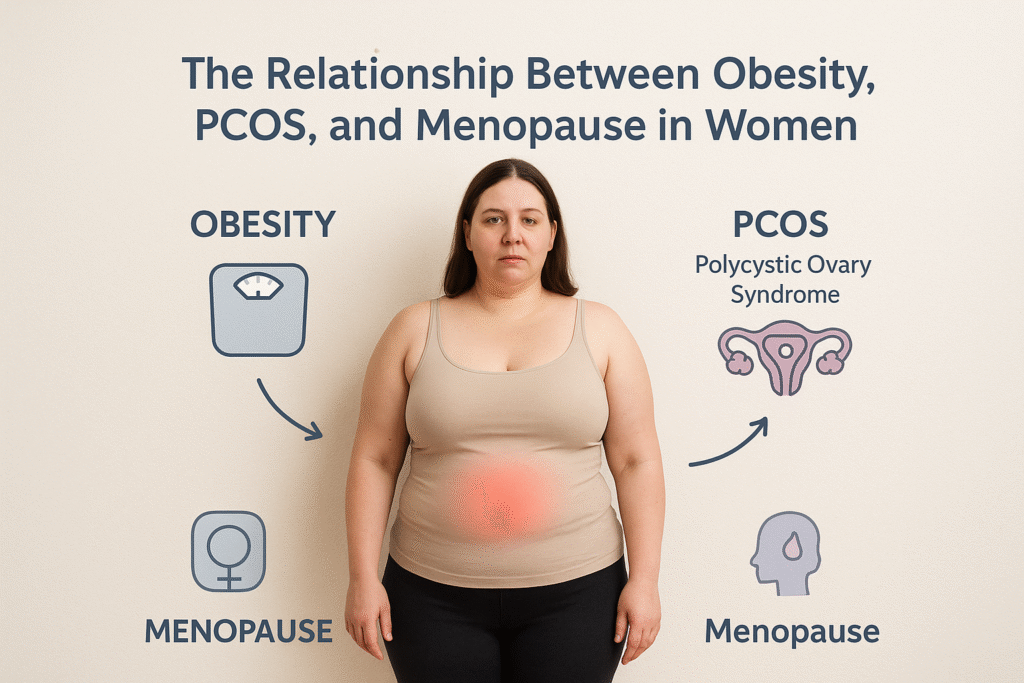
The Relationship Between Obesity, PCOS, and Menopause in Women Obesity is no longer just a cosmetic concern—it has become one of the most significant global health challenges of the 21st century. According to the World Health Organization (WHO), worldwide obesity rates have nearly tripled since 1975. Today, more than 1 billion people are obese, including 650 million adults, 340 million adolescents, and 39 million children. These numbers continue to rise at an alarming rate. While genetics and environment play a role, most obesity cases are preventable. Understanding the causes of obesity can help you make informed lifestyle choices, improve your health, and even reduce your risk of chronic diseases such as diabetes, heart disease, hypertension, and certain cancers. In this article, we’ll explore the top 10 most common causes of obesity, along with practical prevention strategies, weight loss tips, and treatment options—including bariatric surgery for severe cases. Let’s dive deeper into the root causes and find out how to overcome them. 1. Poor Dietary Habits One of the most obvious yet most overlooked causes of obesity is an unhealthy diet. Modern food culture encourages consumption of calorie-dense, nutrient-poor foods that contribute directly to weight gain. Foods and eating patterns that promote obesity: Fast food and fried items: Burgers, fries, and pizzas are packed with unhealthy fats and refined carbs. Sugary drinks: Sodas, energy drinks, and packaged juices often contain more sugar than a dessert. Processed snacks: Chips, biscuits, instant noodles, and packaged sweets provide empty calories. Large portion sizes: Supersized meals condition people to eat more than their body needs. Over time, these habits cause a calorie surplus, leading to fat storage, especially around the abdomen. Weight loss tips for diet improvement: Replace refined carbohydrates with whole grains such as oats, quinoa, and brown rice. Cut down on added sugars by avoiding packaged drinks and opting for water or unsweetened teas. Cook more meals at home to control ingredients and portion sizes. Follow the 80/20 rule: Eat nutrient-rich foods 80% of the time, and allow indulgence 20% of the time. A healthy diet isn’t about strict restrictions—it’s about balance and consistency. 2. Sedentary Lifestyle In today’s digital age, physical inactivity has become one of the biggest causes of obesity. Most people spend their day sitting—at desks, in cars, or in front of screens. When calories consumed are not burned, fat builds up quickly. Effects of inactivity on obesity: Reduces calorie expenditure → weight gain. Decreases muscle mass → slower metabolism. Increases risk of insulin resistance and fat storage. According to the Centers for Disease Control and Prevention (CDC), adults who engage in regular physical activity are less likely to become obese and face obesity-related conditions. Weight loss tips to fight inactivity: Engage in 150 minutes of moderate activity weekly (e.g., brisk walking, swimming, cycling). Take short breaks every 30–40 minutes when sitting at a desk. Choose stairs over elevators and walking over short drives. Try simple exercises at home such as squats, push-ups, or yoga. Even small daily movements, when consistent, add up to significant calorie burn. 3. Genetics and Family History While lifestyle is a major factor, genetics also contribute to obesity risk. Research suggests that 40–70% of body weight variation can be linked to inherited factors. How genetics influence obesity: Appetite regulation: Genes affect hunger hormones like leptin (fullness) and ghrelin (hunger). Fat distribution: Some people naturally store more fat in the abdomen or hips. Metabolic rate: Genetics can influence how quickly calories are burned. Children with obese parents are at a significantly higher risk of becoming obese themselves—not only because of genetics, but also shared eating and activity habits. Weight loss management tips for genetic predisposition: Monitor food intake closely with apps or journals. Practice portion control regardless of hunger levels. Focus on strength training to boost metabolism. Seek guidance from a doctor if obesity runs strongly in your family. While you can’t change your genes, you can change your habits—and that makes all the difference. 4. Emotional Eating and Stress Food is often used as comfort during times of stress, sadness, or boredom. This behavior, known as emotional eating, is one of the underestimated causes of obesity. The stress–weight connection: Stress elevates cortisol, a hormone that promotes fat storage (especially belly fat). Emotional eating often involves high-calorie comfort foods such as sweets, fried snacks, or fast food. Over time, this leads to habitual overeating, regardless of physical hunger. Studies suggest that chronic stress increases the risk of obesity by up to 25–30%. Weight loss tips for emotional eating: Practice mindful eating: Pause before reaching for food and ask, “Am I truly hungry?” Engage in stress-relief activities such as deep breathing, meditation, or journaling. Replace stress-snacking with healthier alternatives like nuts or herbal tea. Talk to a counselor if emotional eating becomes a regular coping mechanism. Learning to separate emotional hunger from physical hunger is key to better weight control. 5. Lack of Sleep Poor sleep patterns are often overlooked as a cause of obesity. Research consistently shows that people who sleep less than 6 hours per night are more likely to gain weight. How sleep affects weight: Hormonal disruption: Sleep loss increases ghrelin (hunger) and decreases leptin (satiety). Late-night cravings: Sleep-deprived individuals crave high-carb, high-sugar foods. Metabolism slowdown: Chronic lack of sleep lowers energy expenditure. A study published in the journal Sleep found that people sleeping 5 hours or less were 55% more likely to be obese than those getting 7–8 hours. Weight loss management through sleep hygiene: Maintain a consistent sleep schedule (go to bed and wake up at the same time). Limit caffeine and heavy meals before bedtime. Create a screen-free wind-down routine (reading, meditation, dim lights). Aim for 7–8 hours of quality sleep each night. Good sleep is as important as diet and exercise for long-term weight control. 6. Medications and Medical Conditions Some people experience weight gain as a side effect of medical issues or treatments. These hidden causes of obesity are often overlooked. Health conditions linked to obesity: Hypothyroidism: Low