Digestive Health Institute
by Dr. Muffi
|
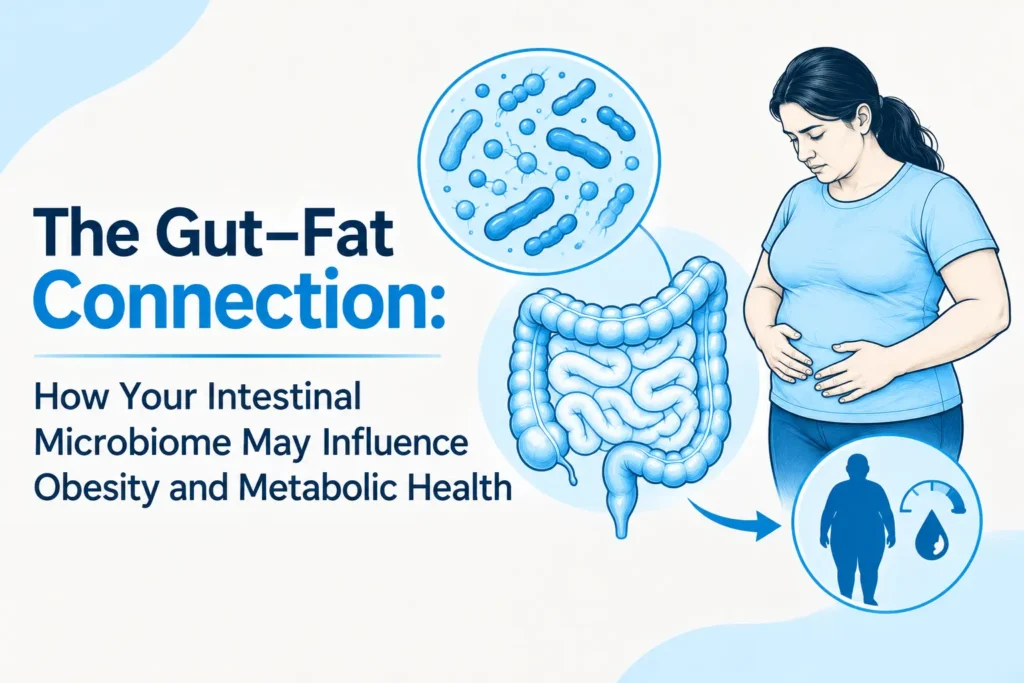
The Gut–Fat Connection: How Your Intestinal Microbiome May Influence Obesity and Metabolic Health
Your digestive tract is home to trillions of microorganisms, collectively called the gut microbiome. They help digest food, train the immune system and produce chemicals that act far beyond the gut. Research increasingly suggests that this community may also influence how the body handles energy, which is why gut health and weight are now studied together.
The science is promising but still developing. This article covers what is known, what is not, and what you can sensibly do about it.
Understanding the gut–fat connection
What is the microbiome? It is the community of bacteria, fungi and other microbes living mainly in the large intestine. A diverse, balanced microbiome is generally associated with better health. A less diverse one, sometimes called dysbiosis, is more often seen in people with obesity, type 2 diabetes and fatty liver.
Why might it influence weight and metabolism? Studies point to several mechanisms:
- Short-chain fatty acids (SCFAs): when gut bacteria ferment fibre, they produce compounds like butyrate. These support the gut lining, reduce inflammation and help release hormones such as GLP-1 that signal fullness and regulate blood sugar.
- Gut barrier and inflammation: a disturbed microbiome and weakened gut lining may allow bacterial fragments to enter the bloodstream, triggering low-grade inflammation linked to insulin resistance.
- Energy extraction: some microbial patterns appear to extract more calories from the same food.
- Bile acid metabolism: gut bacteria alter bile acids, which act as signalling molecules for fat and sugar metabolism.
- The gut–brain axis: microbes influence appetite signals, cravings and mood via nerves and hormones.
What disturbs the microbiome?
- Diets low in fibre and high in ultra-processed foods, refined sugar and some additives
- Repeated or unnecessary antibiotic use
- Chronic stress and poor sleep
- Sedentary lifestyle
- Excess alcohol
- Gut infections, and some medicines
An honest caveat: most evidence shows an association between the microbiome and obesity. It is still being worked out whether microbiome changes cause weight gain, result from it, or both. The microbiome is one piece of the picture, not the sole cause of obesity, and it does not replace genetics, diet, activity, sleep and hormones.
Signs your gut may need attention: bloating, gas, irregular or loose stools, constipation, abdominal discomfort, food intolerance, frequent acidity, or unexplained fatigue. Many people with gut imbalance have no obvious symptoms.
How is it identified?
There is currently no single, validated test that diagnoses an “unhealthy microbiome” or tells you how to treat obesity. Commercial stool microbiome kits can be interesting but are not yet reliable enough to guide treatment on their own. Doctors instead assess your gut and metabolic health together.
Clinical assessment: history of digestive symptoms, bowel habits, diet, antibiotic use, stress and sleep, along with weight pattern, waist circumference and blood pressure.
Tests a doctor may consider, depending on your situation
- Blood tests: blood sugar and HbA1c, lipid profile, liver enzymes, inflammation markers, thyroid function, vitamin B12, iron and vitamin D
- Coeliac disease screening if symptoms or risk suggest it
- Stool tests to rule out infection or inflammation, such as calprotectin where inflammatory bowel disease is suspected
- H. pylori testing if acidity or upper abdominal symptoms are present
- Breath tests for small intestinal bacterial overgrowth (SIBO) or lactose intolerance, where relevant
- Abdominal ultrasound or FibroScan to look for fatty liver
- Endoscopy or colonoscopy if there are alarm features such as bleeding, unexplained weight loss, anaemia or persistent change in bowel habits
Important: investigations are recommended based on your symptoms and clinical situation, and are not one-size-fits-all.
What does this mean for you?
If your assessment suggests gut imbalance alongside weight or metabolic concerns, it does not mean your gut is “to blame” for your weight. It means:
- Gut health and metabolic health are connected, so treating one can support the other
- Weight management that ignores digestion, such as constant bloating, poor protein tolerance or irregular bowel habits, is often harder to sustain
- Improving gut health may help with appetite regulation, inflammation and blood sugar, as part of a broader plan
Think of the gut as a contributing factor and a treatment opportunity, not a magic switch.
Treatment and management
Nutrition (the strongest lever)
- Increase fibre gradually from vegetables, fruit, pulses, oats, whole grains, nuts and seeds. Most adults benefit from reaching roughly 25-35 g a day
- Eat a wide variety of plant foods across the week, since diversity feeds diverse bacteria
- Include fermented foods such as curd, buttermilk, kefir, idli/dosa batter and kimchi, if tolerated
- Reduce ultra-processed foods, sugary drinks and excess refined carbohydrates
- Keep protein adequate to protect muscle during weight loss
- Drink enough water, and limit alcohol
Lifestyle
- Regular activity, including walking and resistance training, is associated with a healthier gut environment
- Sleep 7-9 hours and manage stress, since both affect the gut–brain axis
- Avoid unnecessary antibiotics, and use them only when prescribed
Probiotics and supplements: evidence is mixed. Some strains help certain conditions, but probiotics are not a proven weight-loss treatment. They should be chosen with medical advice, not used as a shortcut.
Medical management: conditions such as SIBO, coeliac disease, H. pylori infection, reflux or constipation should be diagnosed and treated specifically. Medications for weight or diabetes may also be considered, with supervision.
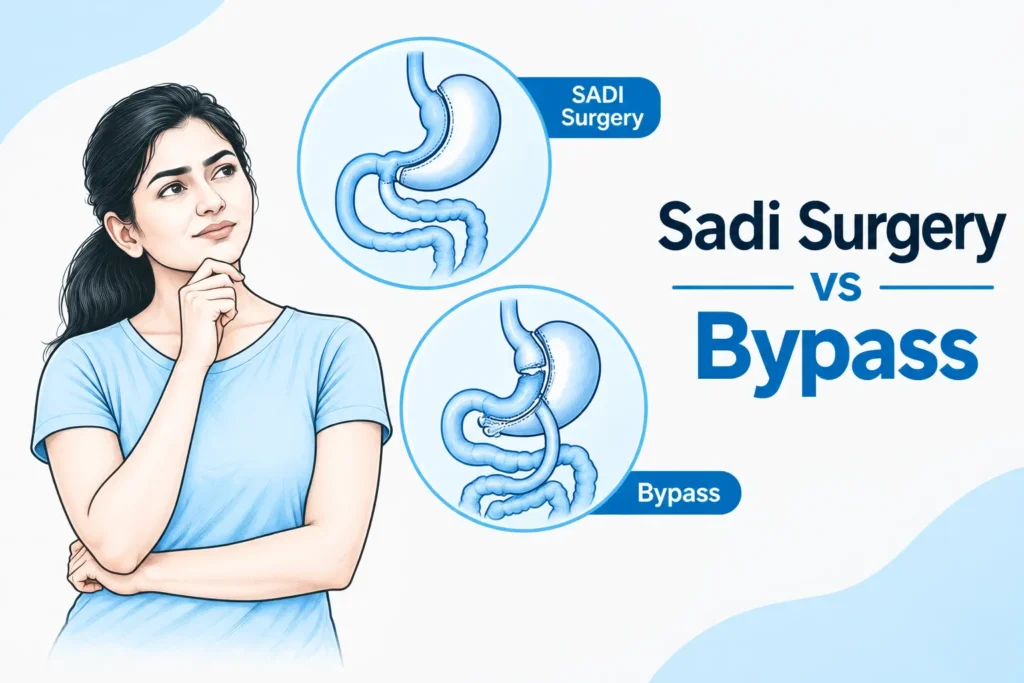
Surgical and interventional options: for significant obesity, metabolic and bariatric surgery changes more than stomach size. It also alters gut hormones, bile acid flow and the microbiome, which is part of why it improves diabetes so effectively. Fecal microbiota transplant is still experimental for obesity and is not a standard treatment.
Treatment depends on your health profile, severity and clinical needs.
What should you do next?
- Start with food quality, not a gut “detox” or cleanse. Detoxes have no solid evidence and can disrupt the gut.
- Seek assessment if you have persistent bloating, bowel changes, acidity, or digestive symptoms alongside weight gain or rising blood sugar.
- See a doctor promptly for blood in stool, black stools, unexplained weight loss, persistent vomiting, difficulty swallowing or anaemia.
- Be cautious with expensive microbiome tests and supplements that promise weight loss.
- Stay consistent. Gut changes from diet take weeks to months, not days.
How OG Health fits into your journey
At OG Health, gut health and weight are managed together, not in separate boxes. A personalised plan can bring together:
- Assessment of digestive, metabolic and liver health
- Clinical nutrition that supports gut tolerance, fibre diversity and adequate protein
- Lifestyle support for activity, sleep and stress
- Medical management of gut and metabolic conditions where needed
- Specialist and surgical care, with long-term follow-up for those who need it
If digestive symptoms and weight concerns go hand in hand for you, a joined-up assessment can show what is driving them. Book a consultation.
FAQs
Can gut bacteria cause obesity? Research shows microbiome differences in people with obesity, and animal studies suggest a role. In humans, it is still unclear how much is cause and how much is effect. It is one factor among many.
Do probiotics help with weight loss? Evidence is inconsistent. Some strains may have small metabolic effects, but probiotics are not a proven treatment for obesity.
Is a gut microbiome test worth it? Current consumer tests are not reliable enough to guide treatment. Standard medical tests for specific conditions are more useful.
How long does it take to improve gut health? Dietary changes can shift the microbiome within days, but lasting benefits usually take weeks to months of consistent habits.
Medical disclaimer: This article is for educational purposes only and does not replace individual medical advice, diagnosis or treatment. Bariatric surgery eligibility and procedure selection require assessment by a qualified healthcare professional.