Digestive Health Institute
by Dr. Muffi

|
Why Does Weight Come Back After Losing It? The Science of Metabolic Adaptation and Long-Term Obesity Management
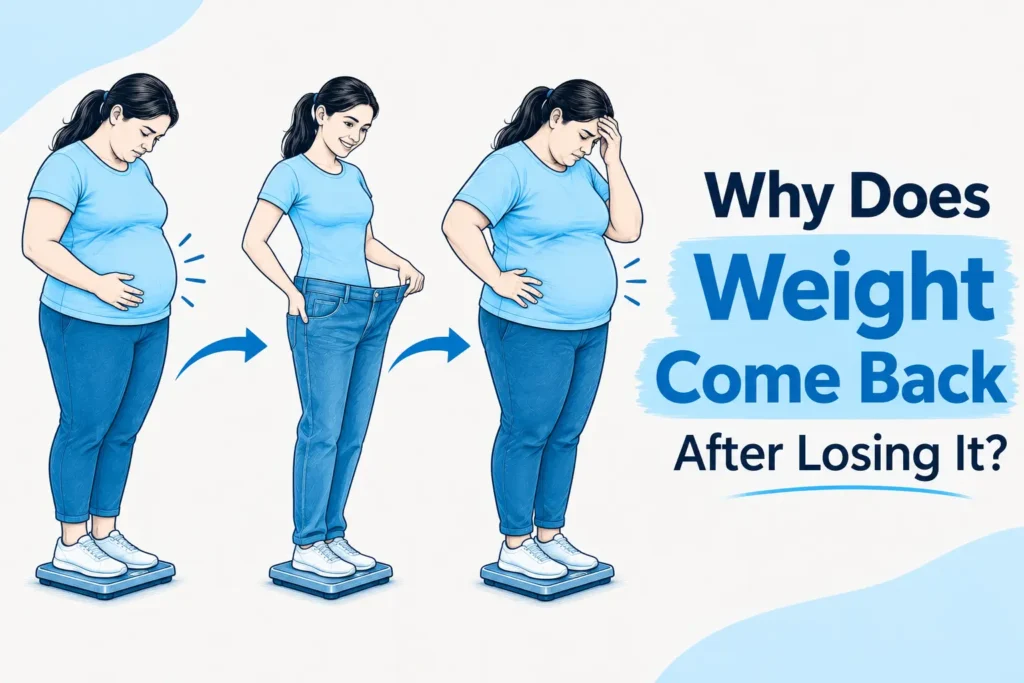
You follow a plan, lose the weight, and feel proud. Then, slowly, the weight returns, sometimes with a few extra kilos. Many people blame themselves. The science tells a different story: the body actively defends its higher weight, and that is a biological response, not a character flaw.
Understanding weight regain
What is it? Weight regain is the return of lost weight over weeks, months or years. It is extremely common. Studies consistently show that most people who lose weight through diet alone regain a large part of it over several years. This is why obesity is now recognised as a chronic, relapsing condition rather than a short-term problem.
Why does it happen? After weight loss, several changes work together to push weight back up. This is often called metabolic adaptation:
- Lower energy expenditure: as you lose weight, your body needs fewer calories. In many people the drop goes beyond what the smaller body size alone would explain (called adaptive thermogenesis). The body becomes more energy-efficient, so the same food intake that once maintained your weight now causes regain.
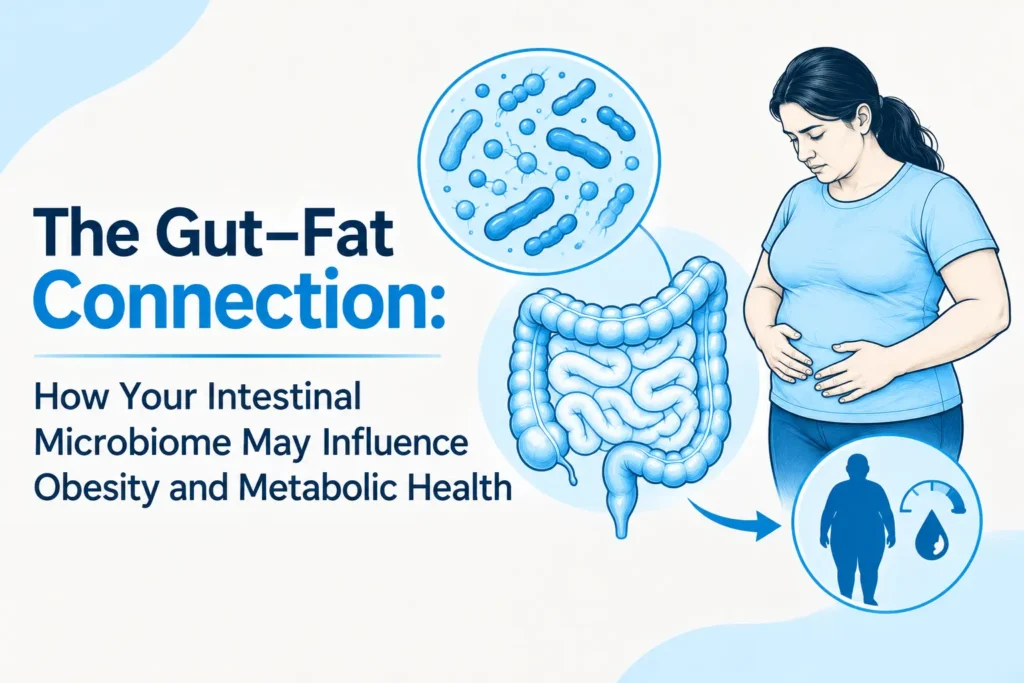
- Hormonal shifts toward hunger: levels of leptin (the fullness hormone from fat cells) fall, and ghrelin (the hunger hormone) rises. Gut hormones that signal fullness, such as GLP-1 and PYY, can also decline. Studies have found these changes can persist for a year or longer after weight loss.
- Muscle loss: rapid or protein-poor dieting reduces muscle along with fat. Less muscle means a lower resting metabolic rate.
- The brain’s “defended weight”: the brain appears to treat the higher weight as a set range and works to restore it through increased appetite and food reward.
- Behavioural and emotional factors: stress, poor sleep, emotional eating, restrictive dieting cycles and a return to old routines all add to the biological pull.
Risk factors for regain
- Very low-calorie or crash diets
- Rapid weight loss with low protein and no strength training
- Stopping treatment, support or follow-up after the “active” phase
- Poor sleep and chronic stress
- Medicines that promote weight gain (some steroids, antidepressants, antipsychotics, insulin and others)
- Undiagnosed conditions such as thyroid problems, PCOS or sleep apnoea
- Emotional or binge-type eating
Signs of regain to watch for: increasing hunger and cravings, a loose-fitting wardrobe getting tighter, slow upward drift on the scale (even 2-3 kg), waist measurement creeping up, and fatigue or low energy.
How is it assessed?
If weight keeps returning, the question for a doctor is why, not just “how much.”
Clinical assessment
- Weight history: past diets, peak weight, how fast it was lost, and when regain started
- Eating patterns, hunger, cravings and emotional triggers
- Sleep, stress, alcohol and activity levels
- All medications, including supplements
- Waist circumference, blood pressure and body composition
Tests a doctor may consider
- Body composition analysis (such as bioimpedance or DEXA) to separate fat from muscle
- Resting metabolic rate measurement (indirect calorimetry) in selected cases
- Blood tests: blood sugar, HbA1c, lipid profile, liver enzymes, thyroid function, vitamin D and B12
- Hormonal tests if conditions like PCOS, Cushing’s syndrome or low testosterone are suspected
- Sleep study if sleep apnoea is likely
- Screening for disordered eating or mood disorders, where relevant
Important: there is no single test for “metabolic adaptation.” Investigations depend on your individual history and clinical situation, and are not one-size-fits-all.
What does this mean for you?
- Regain does not mean you failed. It means your biology is resisting, and your plan needs to account for that.
- Weight is only one outcome. Even when some weight returns, many people keep part of the benefit in blood sugar, blood pressure and cholesterol. Track health markers as well as the scale.
- Repeated crash diets can make it harder. Losing muscle each time and cycling quickly can worsen the pattern.
- Obesity needs long-term care, in the same way diabetes or hypertension does. The goal shifts from “losing weight” to “managing weight and health for life.”
Treatment and management
Treatment depends on your health profile, severity and how your body has responded in the past.
Nutrition
- Aim for gradual, sustainable weight loss rather than extreme deficits
- Keep protein adequate at every meal to protect muscle and help control hunger
- Choose high-fibre, minimally processed foods that keep you full
- Build a maintenance phase into the plan, rather than going back to old habits when the target is reached
- Avoid diets you cannot imagine following in a year
Physical activity
- Resistance training two or three times a week to preserve and build muscle
- Regular movement every day. People who successfully maintain weight loss typically report high levels of activity, often around an hour a day of walking or similar movement
- Reduce long periods of sitting
Sleep, stress and mindset
- 7-9 hours of sleep supports hunger hormones
- Stress management and help for emotional eating, including counselling or behavioural therapy
- Regular self-monitoring, such as weekly weigh-ins, food awareness and waist measurement, so small gains are caught early
Medical management
Anti-obesity medications work by acting on the same appetite and gut-hormone pathways that adapt after weight loss. They can help many people reduce regain, but research shows weight often returns if the medicine is stopped without a plan. They need medical supervision, side-effect monitoring and a long-term strategy.
Surgical and interventional options
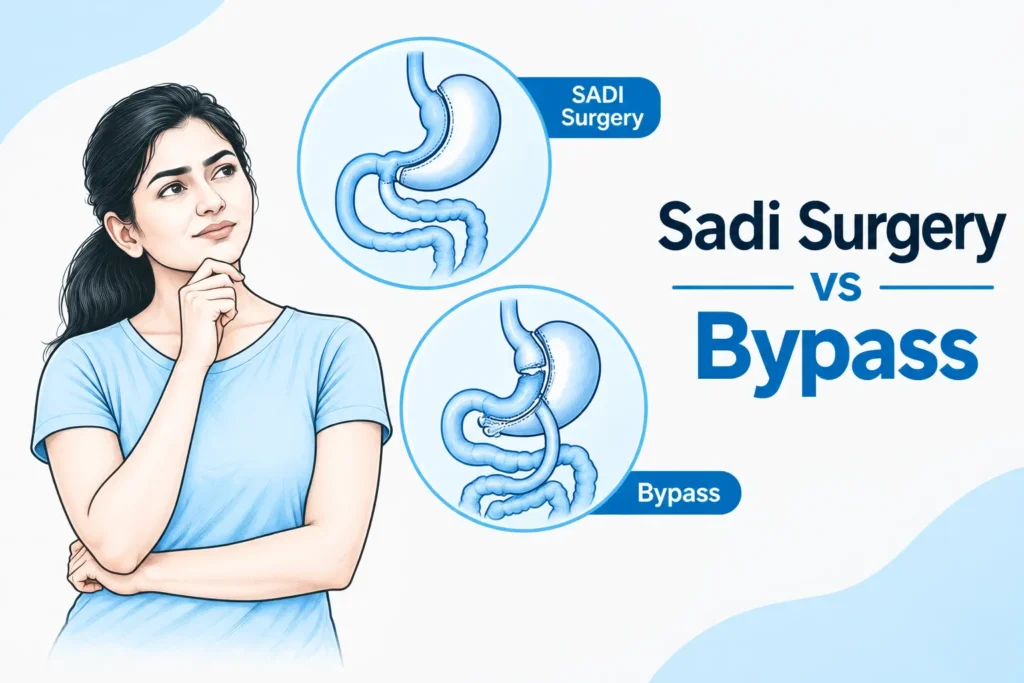
Metabolic and bariatric surgery (such as sleeve gastrectomy or gastric bypass) is the most durable treatment for significant obesity. It reduces hunger and changes gut hormones, which counteracts some of the adaptation described above. Some regain can still happen over time, so lifelong follow-up and nutrition support matter. For selected patients, revisional procedures or endoscopic options may be considered. Suitability depends on a specialist assessment.
What should you do next?
- Act early on regain. A few kilos is far easier to address than twenty. Don’t wait.
- Avoid another crash diet. A structured plan with medical or nutritional guidance works better.
- Get assessed if you are regaining despite effort, have gained weight after starting a new medication, or notice symptoms such as fatigue, irregular periods or snoring.
- Reframe the goal from a number on the scale to long-term health, energy and lab markers.
- Keep follow-up going. People who stay in contact with a care team tend to maintain results better.
How OG Health fits into your journey
At OG Health, obesity is managed as a long-term metabolic and gut health condition, not a one-time weight-loss event. Support doesn’t stop when the target weight is reached. A personalised plan can bring together:
- Assessment of why weight regain happened, including metabolic, hormonal, gut and behavioural factors
- Clinical nutrition focused on protein, muscle preservation and a realistic maintenance phase
- Lifestyle and behavioural support for activity, sleep, stress and eating patterns
- Medical management where appropriate, with monitoring
- Specialist and surgical care, including revisional options, with long-term follow-up
If you’ve lost weight before and found it coming back, a structured assessment can identify what your body needs this time. Book a consultation.
FAQs
Is metabolic adaptation permanent? Research suggests some of the hormonal and energy changes can persist for a long time after weight loss, which is why maintenance needs ongoing effort and support.
Does a very low-calorie diet cause more regain? Extreme deficits tend to cause more muscle loss and stronger hunger signals, which can increase the risk of regain. Moderate, protein-rich plans with strength training are usually more sustainable.
Will I regain weight if I stop my weight-loss medication? Many people do, because the appetite effects wear off. Any decision to stop should be made with your doctor, with a maintenance plan in place.
Can weight regain happen after bariatric surgery? Some regain is possible over the years. Nutrition, activity, follow-up and, if needed, revisional options can help.
Medical disclaimer: This article is for educational purposes only and does not replace individual medical advice, diagnosis or treatment. Bariatric surgery eligibility and procedure selection require assessment by a qualified healthcare professional.