Digestive Health Institute
by Dr. Muffi
Digestive Health Institute
by Dr. Muffi
Early Signs of Gastrointestinal Disease: Symptoms You Should Not Ignore
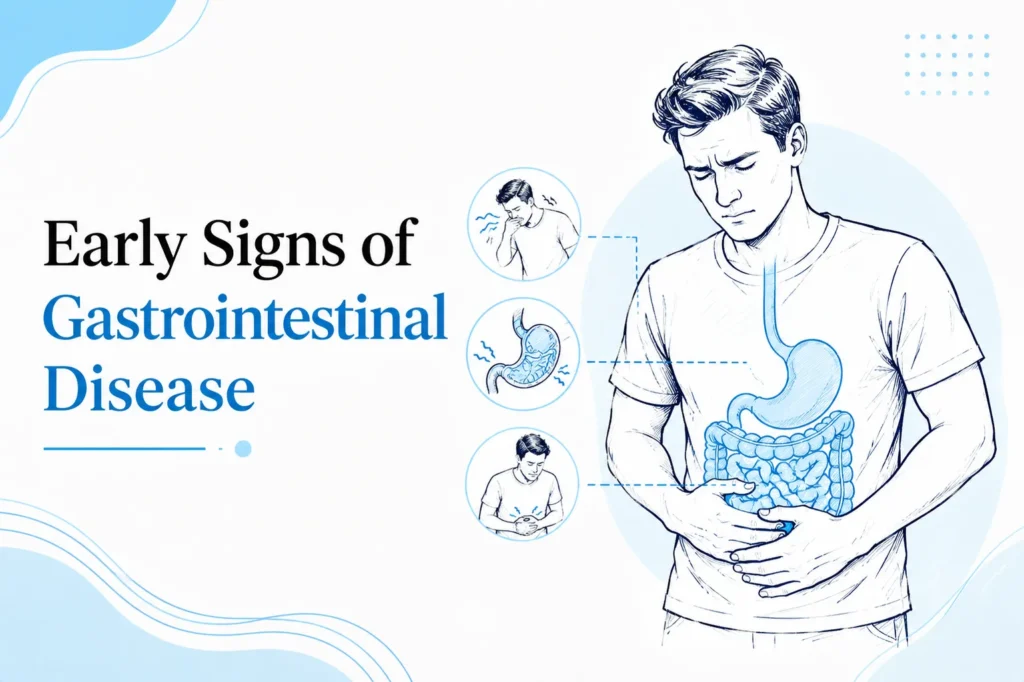
Digestive problems are common, but some symptoms may sometimes point toward an underlying gastrointestinal condition. Recognizing the early signs of gastrointestinal disease may help patients seek medical advice before symptoms become severe.
The gastrointestinal (GI) system includes:
- Food pipe (oesophagus)
- Stomach
- Small intestine
- Large intestine (colon)
- Rectum
- Liver
- Pancreas
- Gallbladder
When these organs do not function properly, patients may experience digestive symptoms that affect daily life.
This guide explains the common early symptoms, possible causes, and when to consult a healthcare professional.
What Is Gastrointestinal Disease?
Gastrointestinal disease refers to conditions affecting the digestive tract.
Some common GI disorders include:
- Acid reflux (GERD)
- Gastritis
- Peptic ulcer disease
- Irritable bowel syndrome (IBS)
- Inflammatory bowel disease (IBD)
- Gallbladder problems
- Fatty liver disease
- Constipation
- Gastrointestinal infections
Early Signs of Gastrointestinal Disease
The early signs of gastrointestinal disease can sometimes be mild in the beginning. Many people ignore these symptoms thinking they are temporary digestive problems.
Common early signs include:
- Frequent acidity
- Bloating
- Stomach pain
- Constipation
- Loose stools
- Excess gas
- Nausea
- Loss of appetite
- Feeling full quickly
- Unexplained weight changes
1. Frequent Acidity or Heartburn
Occasional acidity is common, but repeated heartburn may indicate:
- Acid reflux
- Gastritis
- GERD
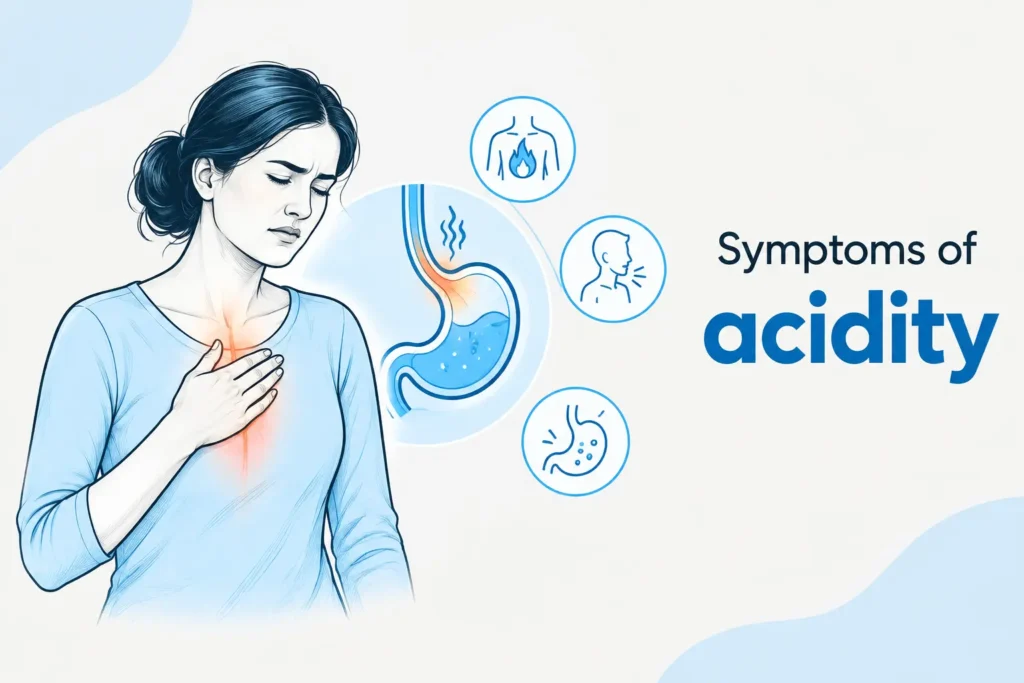
Symptoms may include:
- Burning sensation in the chest
- Sour taste in the mouth
- Throat irritation
- Discomfort after meals
2. Ongoing Bloating
Bloating may happen after overeating, but regular bloating could be linked to digestive disorders.
Possible causes include:
- IBS
- Food intolerance
- Constipation
- Gastritis
- Gut imbalance
Some people may also feel abdominal tightness or swelling.
3. Changes in Bowel Habits
Changes in stool pattern can sometimes signal gastrointestinal problems.
Warning signs include:
- Chronic constipation
- Frequent diarrhea
- Alternating constipation and diarrhea
- Narrow stools
- Urgency to pass stool
Changes lasting several weeks may require medical evaluation.
4. Stomach Pain or Abdominal Discomfort
Repeated abdominal pain is another important early symptom.
Pain may occur:
- Before meals
- After eating
- During bowel movements
- In the upper or lower abdomen
The severity and location may help doctors identify the possible cause.
5. Excessive Gas or Burping
Excess gas may develop due to:
- Indigestion
- Food intolerance
- Gut infection
- Poor digestion
Occasional gas is normal, but frequent discomfort may suggest a digestive imbalance.
6. Nausea or Vomiting
Nausea may occur with:
- Gastritis
- Ulcers
- Gallbladder disease
- Liver disorders
- Intestinal infection
Persistent nausea should not be ignored, especially if associated with pain or weight loss.
7. Feeling Full Quickly
Some patients feel full after eating very small amounts of food.
This symptom may be associated with:
- Gastric inflammation
- Delayed stomach emptying
- Digestive disorders
It can affect appetite and nutrition over time.
8. Unexplained Weight Changes
Sudden weight loss or gain may sometimes be linked to gastrointestinal problems.
Possible reasons include:
- Poor nutrient absorption
- Reduced appetite
- Chronic digestive disease
- Metabolic changes
Unintentional weight loss should always be medically assessed.
9. Blood in Stool
Blood in stool is an important warning sign and requires prompt medical attention.
It may appear as:
- Bright red blood
- Dark black stools
- Blood mixed with stool
Possible causes include:
- Hemorrhoids
- Ulcers
- Colon inflammation
- Intestinal bleeding
10. Fatigue and Weakness
Digestive diseases may sometimes affect nutrient absorption and overall energy levels.
Some patients experience:
- Weakness
- Low energy
- Iron deficiency
- Poor appetite
Chronic GI problems can impact daily activities.
Common Causes of Gastrointestinal Diseases
Cause | Possible Effect |
Poor eating habits | Indigestion and acidity |
Excess oily or spicy food | Gastric irritation |
Stress | May worsen IBS and acidity |
Obesity | Increased reflux risk |
Smoking and alcohol | Digestive tract irritation |
Infections | Stomach and intestinal inflammation |
Sedentary lifestyle | Constipation and bloating |
Tips for Better Digestive Health
- Eating balanced meals
- Drinking enough water
- Limiting processed foods
- Avoiding overeating
- Staying physically active
- Managing stress
- Sleeping well
Conclusion
The early signs of gastrointestinal disease may include acid reflux, bloating, abdominal pain, changes in bowel habits, nausea, and fatigue. While occasional digestive discomfort is common, persistent symptoms should not be ignored.
Early evaluation may help identify digestive disorders before complications develop. If symptoms continue or interfere with daily life, consulting a qualified healthcare professional is recommended.