
Digestive Health Institute
by Dr. Muffi

Digestive Health Institute
by Dr. Muffi
How to start weight loss journey
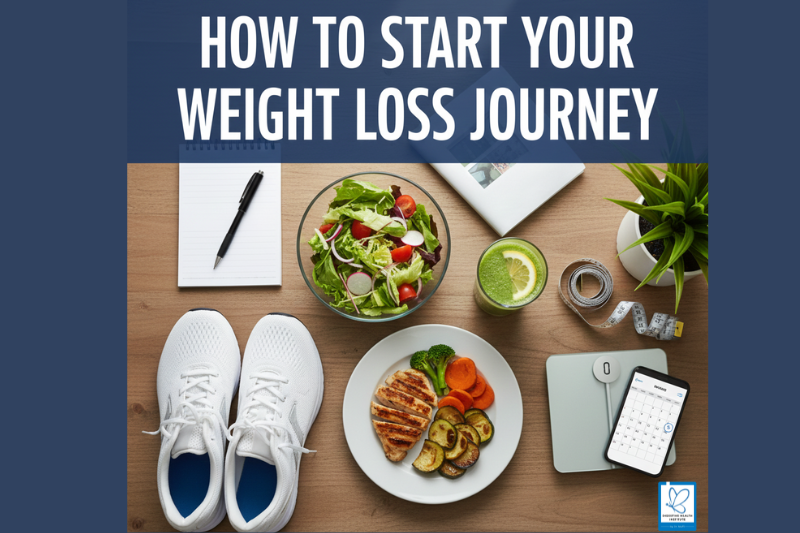
Navigating Weight Loss Journeys: A Comprehensive Guide to Lasting Success
Embarking on a path toward better health is a significant decision that impacts nearly every aspect of physical and mental well-being. Weight Loss Journeys are not merely about a number on a scale; they represent a fundamental shift in lifestyle, habits, and mindset. Whether motivated by the desire to increase energy levels, improve mobility, or manage chronic health conditions, understanding the foundational principles of sustainable weight management is the first step toward success.
In this guide, we will explore the scientific and practical strategies for beginning your transformation, with a specific focus on how to start weight loss journey at home effectively.
Understanding the Foundations of Weight Loss Journeys
The most successful Weight Loss Journeys are built on consistency rather than intensity. Many people fall into the trap of “fad diets” or extreme exercise regimens that are difficult to maintain. Factual evidence suggests that a gradual approach, losing approximately 0.5 to 1 kilogram per week, is the most effective way to ensure Weight Loss Journeys lead to permanent results.
The Role of Caloric Balance
At its core, Weight Loss Journeys are governed by the principle of energy balance. To lose weight, the body must enter a caloric deficit, meaning it burns more energy than it consumes. This is achieved through a combination of nutritional adjustments and increased physical activity. However, in all Weight Loss Journeys, a deficit should be moderate; extreme restriction can lead to muscle loss and a slowed metabolism.
How to Start Weight Loss Journey at Home
Many individuals believe they need an expensive gym membership or a personal trainer to see results. On the contrary, learning how to start weight loss journey at home can be more convenient and sustainable. By modifying your home environment and daily routines, you can create a space that supports your goals naturally. Many successful Weight Loss Journeys begin right in the living room or kitchen.
1. Kitchen Environment and Meal Prepping
The “home” part of the process starts with knowing how to start weight loss journey at home through food organization.
- Clear the Pantry: Remove highly processed snacks and replace them with whole-food alternatives. This is a vital step for how to start weight loss journey at home.
- Portion Control: Use smaller plates to help with portion sizes. Successful Weight Loss Journeys often rely on these small environmental “nudges.”
- Plan Ahead: Dedicate time to meal prepping. Knowing how to start weight loss journey at home means having healthy, pre-portioned meals ready to go.
2. Strategic Hydration
Water is a fundamental tool for those on Weight Loss Journeys. Often, the brain confuses thirst signals for hunger. Drinking a glass of water before a meal is a simple trick for how to start weight loss journey at home. Replacing sugary sodas with water is a key pillar for anyone wondering how to start weight loss journey at home
3. Bodyweight Exercises and Daily NEAT
You don’t need heavy weights to build strength when considering how to start a weight loss journey at home.
- Bodyweight Circuits: Squats, lunges, and planks can be done in any room. These are the Weight Loss Journeys essentials that build lean muscle mass.
- Maximise NEAT: Increase your daily step count within your home. If you want to know how to start weight loss journey at home effectively, focus on moving more during chores or phone calls.
Nutritional Pillars for Sustainable Results
Nutrition is arguably the most critical component of any of the many Weight Loss Journeys individuals undertake. Focusing on “satiety”—the feeling of being full—helps prevent the hunger pangs that lead to overeating.
Prioritize Protein and Fiber : Protein has a higher thermic effect than fats or carbohydrates, which is why it is featured so heavily in professional Weight Loss Journeys. Furthermore, protein is essential for preserving muscle tissue. Fiber, found in vegetables and whole grains, is a staple for those learning how to start weight loss journey at home, as it adds bulk to meals without excessive calories.
The 80/20 Rule : Restrictive diets often fail because they create a sense of deprivation. A factual, balanced approach often follows the 80/20 rule, which is a common strategy in long-term Weight Loss Journeys. This prevents the “all-or-nothing” mindset that can derail Weight Loss Journeys after a single slip-up.
The Importance of Sleep and Stress Management
Successful Weight Loss Journeys are also biologically influenced by hormones. Two specific hormones—ghrelin and leptin—are directly impacted by sleep quality.
- Sleep: Lack of sleep increases hunger. Aiming for 7–9 hours is as important to Weight Loss Journeys as the workouts themselves.
- Stress: High stress levels produce cortisol, which can hinder Weight Loss Journeys. Incorporating relaxation is a great way for how to start weight loss journey at home.
Tracking Progress Beyond the Scale
The scale is only one way to measure the success of Weight Loss Journeys. Because muscle is denser than fat, your weight might stay the same even as your body composition improves. Other ways to track your progress while learning how to start weight loss journey at home include:
- Measurements: Tracking inches lost around the waist and hips.
- Clothing Fit: Noticing how your favorite clothes feel.
- Energy Levels: Observing if you feel more alert during your daily tasks.
Conclusion
Starting a transformation is a marathon, not a sprint. By focusing on sustainable habits, prioritizing whole foods, and understanding how to start weight loss journey at home, you set yourself up for a lifetime of health rather than a temporary fix. Weight Loss Journeys are most successful when they are built on a foundation of education and gradual change. Success lies in the small, daily decisions , choosing water over soda and being consistent with your efforts.
FAQs: How to start weight loss journey
Can I lose weight without exercise?
How do I stay motivated at home?
How much water should I drink?
How much weight should I aim to lose per week?
Do I need to exercise to lose weight?
What foods should I eat when starting weight loss?
-
 Difference Between Weight Loss and Fat Loss
 -
 Can I Go Back to Work 2 Weeks After a Hysterectomy?
 -
 why am i bleeding 10 years after a hysterectomy
 -
 Pain in Right Side 2 Years After Gallbladder Removal
 -
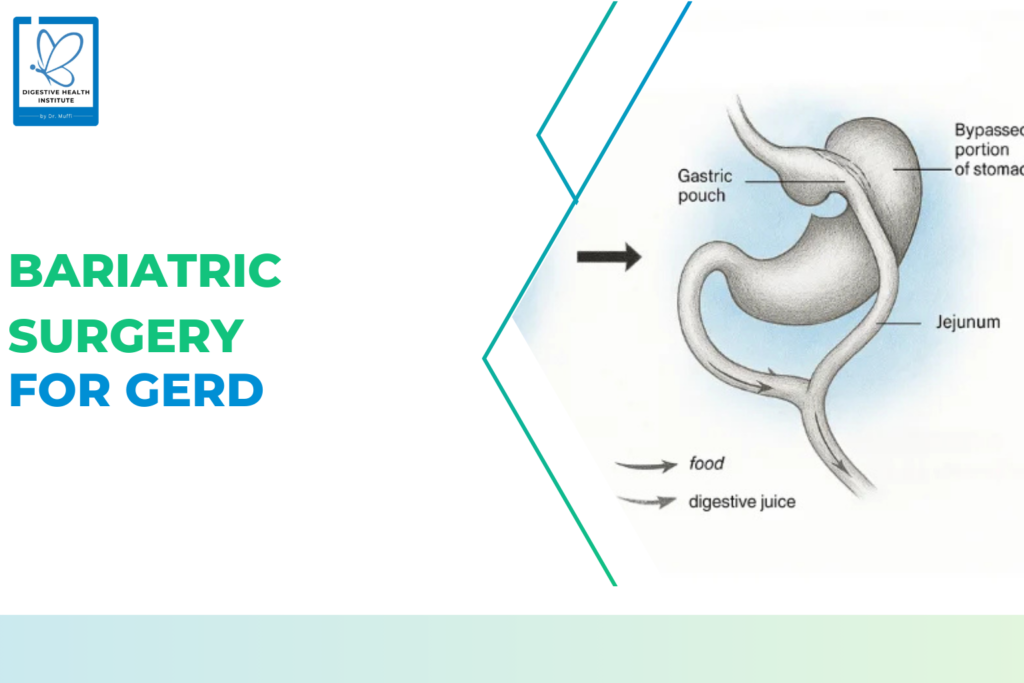 Bariatric Surgery for GERD
 -
 Does Diarrhea Cause Weight Loss
 -
 How Many Steps to Lose 1kg?
 -
 Weight Loss ICD-10