Digestive Health Institute
by Dr. Muffi

Digestive Health Institute
by Dr. Muffi
Antral Gastritis Symptoms: Early Signs, Causes, Diagnosis & Treatment
If you’ve been experiencing persistent upper stomach discomfort, indigestion, or nausea, you may have come across the term antral gastritis. Understanding antral gastritis symptoms is important because the condition affects the lower portion of the stomach, known as the antrum, and may range from mild irritation to more persistent digestive symptoms.
Antral gastritis refers to inflammation of the stomach lining in the antrum. The inflammation may develop suddenly (acute gastritis) or gradually over time (chronic gastritis). While some people have few or no symptoms, others experience recurring abdominal discomfort that affects eating and daily activities.
This guide explains the common antral gastritis symptoms, possible causes, how the condition is diagnosed, available treatment options, dietary considerations, and when medical evaluation is recommended.
What Is Antral Gastritis?
Antral gastritis is inflammation that affects the antrum, which is the lower section of the stomach located just before the stomach connects to the small intestine.
The antrum plays an important role in digestion by:
- Grinding food into smaller particles
- Helping regulate stomach emptying
- Producing hormones involved in digestive function
When the lining of the antrum becomes inflamed, normal stomach function may be affected, leading to a variety of digestive symptoms.
Acute vs. Chronic Antral Gastritis
Healthcare professionals generally classify gastritis into two main types.
Acute Antral Gastritis
Acute gastritis develops suddenly and may produce symptoms over a short period.
Possible causes include:
- Certain medications
- Alcohol
- Infections
- Severe physical stress related to illness
Chronic Antral Gastritis
Chronic gastritis develops gradually and may persist for months or years.
Common causes include:
- Helicobacter pylori (H. pylori) infection
- Autoimmune conditions
- Long-term irritation of the stomach lining
Some people with chronic gastritis have minimal symptoms, while others experience recurring digestive discomfort.
Common Antral Gastritis Symptoms
The severity of antral gastritis symptoms varies between individuals. Some experience only occasional indigestion, while others notice persistent discomfort.
The most common symptoms include the following.
1. Upper Abdominal Pain
Pain or discomfort in the upper abdomen is one of the most frequently reported antral gastritis symptoms.
The pain may be described as:
- Dull
- Burning
- Aching
- Gnawing
- Pressure-like
The intensity differs from person to person.
2. Burning Sensation in the Stomach
Some individuals describe a burning feeling in the upper abdomen, particularly between meals or after eating certain foods.
Although burning discomfort may occur with gastritis, similar symptoms are also seen in other digestive conditions, making proper evaluation important.
3. Indigestion (Dyspepsia)
Indigestion is another common complaint.
Symptoms may include:
- Discomfort after meals
- Feeling overly full
- Difficulty finishing normal-sized meals
- Mild upper abdominal pressure
Persistent indigestion should be discussed with a healthcare professional, particularly if symptoms recur.
4. Bloating
Inflammation of the stomach lining may be associated with a sensation of abdominal fullness or bloating.
People often describe:
- Tightness in the upper abdomen
- Fullness after eating
- Increased abdominal pressure
Because bloating has many possible causes, it should be interpreted along with other symptoms.
5. Nausea
Nausea is among the common antral gastritis symptoms, especially when inflammation is more active.
Some people experience nausea:
- Before meals
- After eating
- Early in the morning
- Throughout the day
The pattern varies from one individual to another.
6. Vomiting
Vomiting is less common than nausea but may occur in some cases.
Persistent vomiting requires medical assessment because it may also indicate conditions other than gastritis.
7. Feeling Full Quickly
Early satiety, or feeling full after eating a small amount of food, is another symptom reported by some people with antral gastritis.
This may lead to:
- Smaller meal sizes
- Reduced appetite
- Changes in eating habits
8. Loss of Appetite
Inflammation of the stomach lining may reduce the desire to eat.
Loss of appetite may occur together with:
- Nausea
- Fullness
- Upper abdominal discomfort
If appetite loss is persistent or accompanied by unintentional weight loss, medical evaluation is recommended.
9. Frequent Belching
Some individuals experience increased belching or burping.
Belching may occur along with:
- Bloating
- Indigestion
- Upper abdominal pressure
Since belching is common in many digestive conditions, it is not specific to antral gastritis.
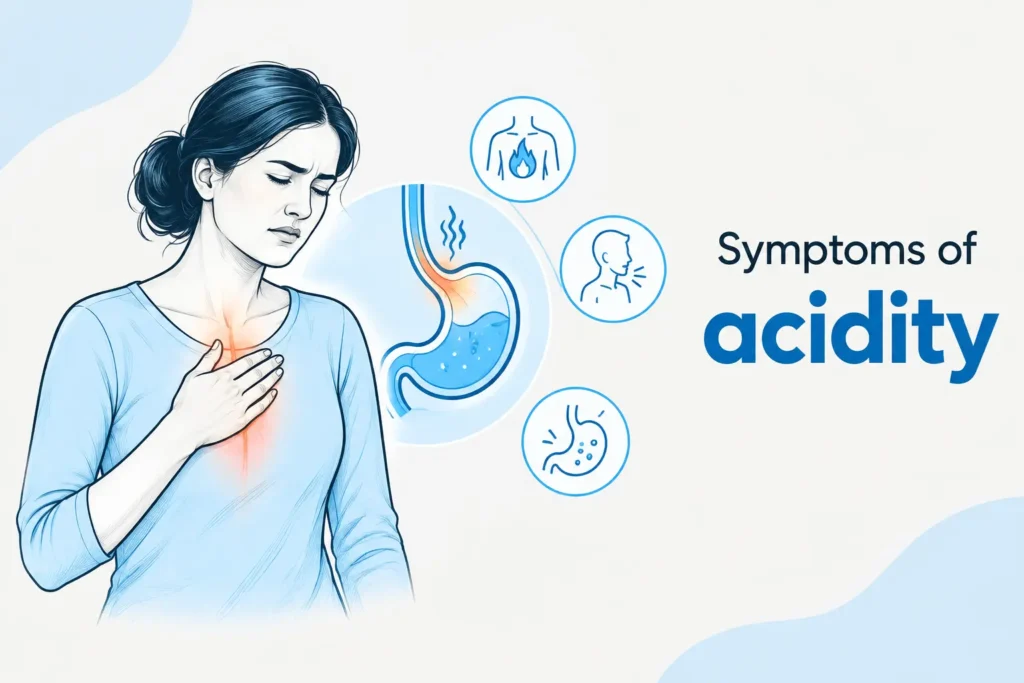
10. Acid Reflux or Heartburn
Some people with antral gastritis also report heartburn or acid reflux symptoms.
These include:
- Burning behind the breastbone
- Sour taste in the mouth
- Regurgitation of stomach contents
However, acid reflux and gastritis are separate conditions, and one does not necessarily indicate the presence of the other.
Where Is the Pain Located?
Pain associated with antral gastritis is commonly felt in the upper middle part of the abdomen, just below the breastbone.
The discomfort may:
- Occur after meals
- Be more noticeable on an empty stomach in some people
- Come and go
- Vary in intensity
Because many digestive disorders produce similar symptoms, the location of pain alone is not enough to establish the diagnosis.
People experiencing ongoing upper abdominal discomfort sometimes also report symptoms such as heaviness after meals. Our article on why my stomach feels heavy discusses other possible causes of this common digestive complaint.
Can Antral Gastritis Cause Symptoms Without Pain?
Yes.
Not everyone with antral gastritis experiences abdominal pain.
Some individuals notice only:
- Indigestion
- Nausea
- Bloating
- Early fullness
- Reduced appetite
Others may have no symptoms at all, with gastritis identified during investigations performed for another reason.
Conditions That May Cause Similar Symptoms
Several digestive disorders share symptoms with antral gastritis.
These include:
- Functional dyspepsia
- Gastroesophageal reflux disease (GERD)
- Peptic ulcers
- Gallbladder disorders
- Irritable bowel syndrome
- Certain stomach conditions
Because symptoms overlap, medical evaluation helps determine the underlying cause.
Persistent digestive symptoms may also occur in other gastrointestinal conditions. Our guide on early signs of gastrointestinal disease explains symptoms that should prompt further assessment.
Several digestive disorders share symptoms with antral gastritis.
These include:
- Functional dyspepsia
- Gastroesophageal reflux disease (GERD)
- Peptic ulcers
- Gallbladder disorders
- Irritable bowel syndrome
- Certain stomach conditions
Because symptoms overlap, medical evaluation helps determine the underlying cause.
Persistent digestive symptoms may also occur in other gastrointestinal conditions. Our guide on early signs of gastrointestinal disease explains symptoms that should prompt further assessment.
What Causes Antral Gastritis?
Several conditions may lead to inflammation of the antrum. Identifying the underlying cause helps guide treatment.
The most common causes of antral gastritis symptoms include the following.
1. Helicobacter pylori (H. pylori) Infection
One of the most common causes of chronic gastritis worldwide is infection with Helicobacter pylori, often called H. pylori.
This bacterium lives in the stomach lining and may contribute to inflammation in some individuals. Not everyone with H. pylori develops symptoms, but when symptoms occur they may include:
- Upper abdominal discomfort
- Nausea
- Bloating
- Indigestion
- Loss of appetite
If H. pylori is identified, the healthcare provider may recommend treatment based on current clinical guidelines.
2. Long-Term Use of NSAIDs
Non-steroidal anti-inflammatory drugs (NSAIDs), such as ibuprofen and naproxen, may irritate the stomach lining when used regularly or over long periods.
The risk varies depending on factors such as:
- Dose
- Duration of use
- Age
- Other medical conditions
- Concurrent medications
People who take these medicines regularly should discuss ongoing use with their healthcare provider.
3. Alcohol
Alcohol may irritate the stomach lining in some individuals and contribute to gastritis symptoms.
The effect depends on several factors, including the amount consumed, frequency of use, and individual susceptibility.
4. Smoking
Smoking has been associated with changes in the stomach lining and may influence healing of gastric inflammation.
Stopping smoking benefits overall digestive health as well as general health.
5. Autoimmune Gastritis
In autoimmune gastritis, the immune system mistakenly attacks cells within the stomach lining.
This is less common than H. pylori-related gastritis but may require additional evaluation and long-term follow-up.
6. Bile Reflux
In some people, bile flows backward from the small intestine into the stomach.
This may irritate the stomach lining and contribute to persistent upper abdominal symptoms.
7. Severe Physical Stress
Serious illness, major surgery, burns, or significant trauma may contribute to gastritis in hospitalized patients.
This differs from everyday emotional stress and occurs in specific medical situations.
Treatment for Antral Gastritis
Treatment depends on the underlying cause identified during evaluation.
Common approaches include the following.
Acid-Reducing Medicines
Healthcare providers may prescribe medicines that reduce stomach acid.
Examples include:
Proton pump inhibitors (PPIs)
H2 receptor blockers
The choice of medication depends on the individual’s symptoms, diagnosis, and medical history.
Treatment for H. pylori
If H. pylori infection is confirmed, treatment commonly includes a combination of antibiotics together with acid-reducing medication, following current medical guidelines.
Completing the prescribed treatment and follow-up testing, when recommended, is important.
Reviewing NSAID Use
For people whose symptoms may be related to long-term NSAID use, the healthcare provider may review current medications and discuss whether alternatives are appropriate.
Medication changes should always be made under medical supervision.
Lifestyle and Dietary Measures
Lifestyle changes may also form part of the treatment plan.
Examples include:
Eating smaller meals
Avoiding foods that consistently trigger symptoms
Limiting alcohol if advised
Stopping smoking
Following prescribed medications as directed
Recommendations are individualized based on the underlying cause and symptom pattern.
Foods That May Worsen Antral Gastritis Symptoms
Some people notice that certain foods aggravate antral gastritis symptoms.
These may include:
- Fried foods
- Highly spicy meals
- Alcohol
- Excess coffee or caffeinated drinks
- Carbonated beverages
- Highly acidic foods such as citrus fruits or tomatoes in some individuals
Keeping a food diary may help identify personal triggers.
When Should You See a Doctor?
Occasional indigestion or mild stomach discomfort does not always indicate an underlying medical condition. However, persistent or worsening antral gastritis symptoms should be evaluated by a healthcare professional to determine the cause.
Medical advice is recommended if you experience:
- Upper abdominal pain lasting more than a few weeks
- Frequent nausea or vomiting
- Difficulty eating because of stomach discomfort
- Loss of appetite that persists
- Unexplained weight loss
- Symptoms that continue despite dietary changes
- Recurring indigestion or bloating
Early evaluation helps identify the underlying cause and determine whether further testing is appropriate.
Can Antral Gastritis Lead to Other Stomach Problems?
Antral gastritis is inflammation of the stomach lining, but other stomach conditions may produce similar symptoms.
Persistent inflammation may require follow-up depending on its cause, particularly when associated with H. pylori infection or other underlying conditions. Your healthcare provider may recommend repeat evaluation based on endoscopy findings, biopsy results, and your medical history.
Because stomach discomfort may also occur with peptic ulcers, readers often ask whether ulcers are linked with more serious conditions. Our article on can stomach ulcers cause cancer explains the relationship between stomach ulcers and cancer based on current medical evidence.
Living With Antral Gastritis
Many people with antral gastritis work with their healthcare provider to manage symptoms and address the underlying cause.
General measures that are often discussed include:
- Taking prescribed medicines as directed
- Avoiding medications that may irritate the stomach unless medically necessary
- Identifying foods that consistently trigger symptoms
- Eating regular, balanced meals
- Limiting alcohol if advised
- Avoiding smoking
- Attending follow-up appointments when recommended
The management plan varies depending on the diagnosis and individual health needs.
Frequently Asked Questions
1. What are the first antral gastritis symptoms?
The earliest antral gastritis symptoms often include upper abdominal discomfort, indigestion, bloating, nausea, or a burning sensation in the upper stomach. Some people experience only mild symptoms, while others notice recurring digestive discomfort.
2. Does antral gastritis cause back pain?
Back pain is not considered a typical symptom of antral gastritis. Persistent back pain together with stomach symptoms should be evaluated to determine the underlying cause.
3. Is antral gastritis permanent?
Not necessarily. The duration depends on the underlying cause, such as H. pylori infection, medication use, or other medical conditions. Your healthcare provider can explain the expected course based on your diagnosis.
4. Does stress cause antral gastritis?
Severe physical stress associated with major illness or injury may contribute to gastritis in certain situations. Everyday emotional stress may influence digestive symptoms in some individuals, but it is not considered the sole cause of antral gastritis.
5. Can antral gastritis lead to stomach ulcers?
Gastritis and stomach ulcers are different conditions, although they may share similar causes and symptoms. Your healthcare provider determines whether additional investigations are needed to evaluate for an ulcer.
6. What foods are easier to eat with gastritis?
Many people tolerate foods such as oatmeal, rice, bananas, cooked vegetables, and lean proteins well. However, food tolerance varies, and dietary recommendations should be individualized.
7. Is coffee allowed if I have antral gastritis?
Some people notice that coffee worsens their symptoms, while others do not. If coffee consistently triggers discomfort, your healthcare provider may advise reducing or avoiding it.
8. How is H. pylori related to antral gastritis?
pylori is one of the most common causes of chronic gastritis. Testing may be recommended when symptoms or endoscopy findings suggest infection.
9. Is an endoscopy always necessary?
Not always. Whether an endoscopy is recommended depends on your age, symptoms, medical history, and the presence of warning signs. Your healthcare provider will determine if it is appropriate.
10. How long do antral gastritis symptoms last?
The duration varies according to the underlying cause, severity of inflammation, and treatment plan. Some people experience short-term symptoms, while others require ongoing evaluation and management.
Conclusion
Recognizing antral gastritis symptoms early helps you seek appropriate medical evaluation and identify the underlying cause of persistent stomach discomfort. Common symptoms include upper abdominal pain, indigestion, bloating, nausea, early fullness, and loss of appetite, although the pattern varies from one person to another.
Because these symptoms overlap with several other digestive conditions, a proper diagnosis may involve a medical history, physical examination, H. pylori testing, endoscopy, or other investigations. Treatment depends on the underlying cause and may include medications, dietary adjustments, and lifestyle changes recommended by your healthcare provider.
If your symptoms persist, become more severe, or are accompanied by warning signs such as vomiting blood, black stools, or unexplained weight loss, timely medical assessment is important.
Medical Disclaimer
This article is for educational purposes only and should not replace professional medical advice, diagnosis, or treatment. Symptoms and treatment approaches may vary between individuals. Please consult a qualified healthcare professional for personalized medical guidance.