Digestive Health Institute
by Dr. Muffi

Digestive Health Institute
by Dr. Muffi
Uterus removal side effects

A Comprehensive Guide to Uterus Removal Side Effects
Uterus removal, medically known as a hysterectomy, is one of the most common surgical procedures performed globally for women’s health. Whether it is recommended to treat fibroids, endometriosis, chronic pelvic pain, or certain types of cancer, it is a life-altering surgery that requires a thorough understanding of the recovery process.
While the surgery can provide significant relief from painful symptoms, it is essential to be aware of the uterus removal side effects to ensure a smooth transition into your post-operative life. This guide explores what to expect during recovery and the long-term changes your body may undergo.
What to Expect Immediately After Surgery
The first few days and weeks following the procedure are focused on physical healing. During this time, the most common uterus removal side effects are related to the surgical process itself.
1. Pain and Physical Discomfort
It is normal to experience pain in the lower abdomen and pelvic region. Depending on whether you had a vaginal, laparoscopic, or abdominal hysterectomy, the level of discomfort will vary. Managing these uterus removal side effects typically involves prescribed pain relief and plenty of rest.
2. Vaginal Discharge and Bleeding
Post-surgical spotting or light vaginal discharge is a common occurrence. This can last for several weeks as the internal incisions heal. However, if you notice heavy bleeding, it is vital to contact your healthcare provider immediately.
3. Digestive Changes
Many women experience temporary constipation or bloating after the procedure. These uterus removal side effects are often due to the effects of anesthesia and the temporary slowing of the digestive system during surgery.
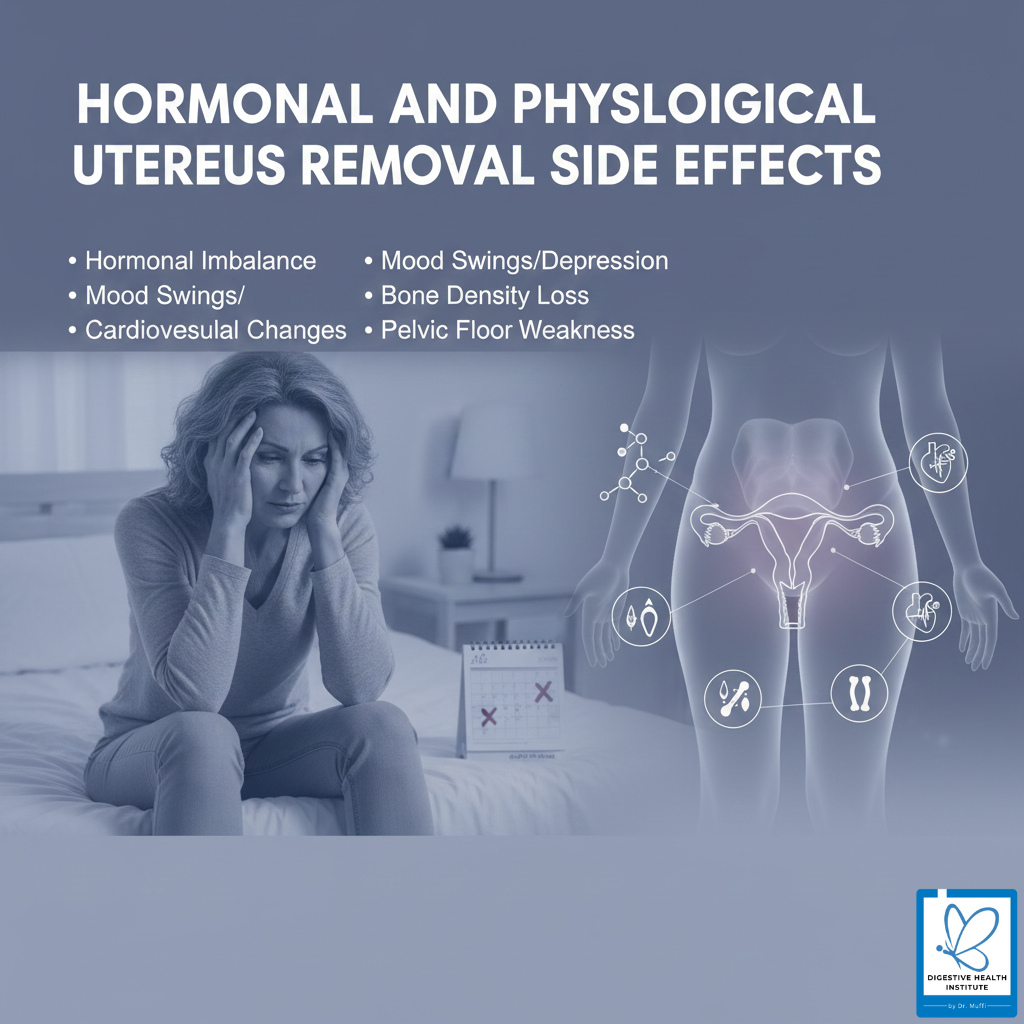
Hormonal and Physiological Uterus Removal Side Effects
A hysterectomy can have different effects on your hormonal balance depending on whether the ovaries were removed (oophorectomy) along with the uterus.
Impact on Menopause
If your ovaries are removed during the surgery, you will enter “surgical menopause” immediately, regardless of your age. The resulting uterus removal side effects include hot flashes, night sweats, and vaginal dryness. If the ovaries are kept, you may still experience menopause a few years earlier than expected due to changes in blood flow to the pelvic region.
Changes in Bone Density
The drop in estrogen levels following the removal of ovaries is one of the more significant long-term uterus removal side effects. Lower estrogen can lead to a decrease in bone density, increasing the risk of osteoporosis. Doctors often recommend calcium supplements and weight-bearing exercises to mitigate these uterus removal side effects.
Tips for a Healthy Recovery
To minimize the impact of uterus removal side effects, following a structured recovery plan is essential:
- Avoid Heavy Lifting: For at least six weeks, avoid lifting anything heavy to prevent strain on your internal stitches.
- Stay Active Gently: Short walks help prevent blood clots and aid digestion, reducing common uterus removal side effects like bloating.
- Prioritize Nutrition: A diet rich in fiber and protein supports tissue repair and helps manage digestive uterus removal side effects.
Attend Follow-ups: Regular check-ups allow your doctor to monitor how your body is adjusting to the hormonal changes.
Conclusion
Understanding the various uterus removal side effects is the first step in taking control of your health journey. While the recovery period requires patience and care, many women find that the long-term benefits—such as the cessation of chronic pain and heavy bleeding—greatly outweigh the temporary discomforts. By staying informed about uterus removal side effects and working closely with your medical team, you can look forward to a healthier, more comfortable future .