
Digestive Health Institute
by Dr. Muffi

Digestive Health Institute
by Dr. Muffi
Juice for diabetes control
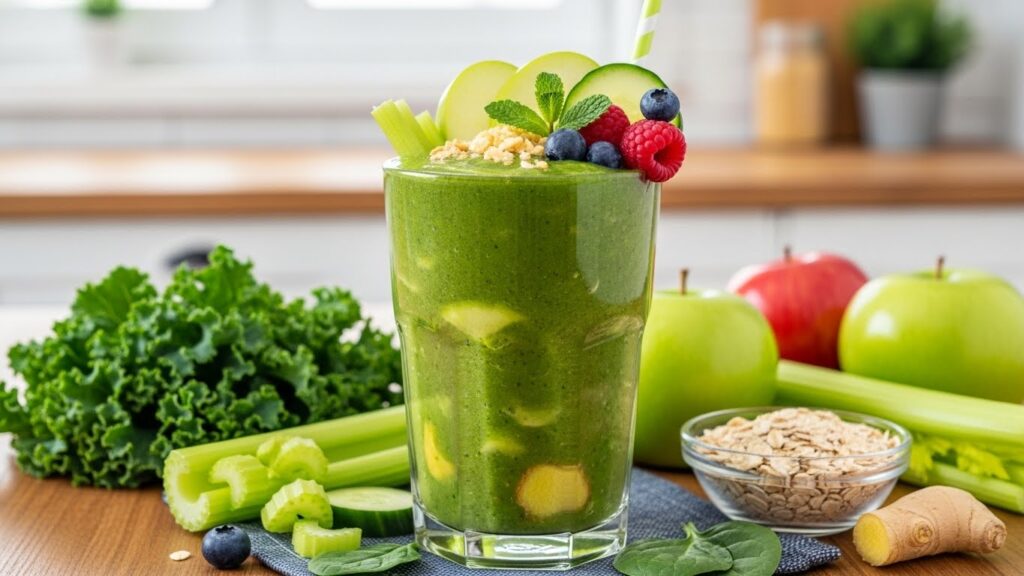
Juice for Diabetes Control: What to Know for Better Blood Sugar Management
Managing diabetes involves a combination of medication, diet, physical activity, and lifestyle habits. While many people associate fruit juices with high sugar content, certain juices — when chosen carefully can support stable blood sugar levels and contribute to overall diabetes care.
This article explores the concept of juice for diabetes control, the best options to consider, how they affect blood glucose, and practical tips for incorporating them into a diabetes-friendly diet.
Understanding Juices and Their Effect on Blood Sugar
Fruit juices are often rich in vitamins, minerals, and antioxidants, but they can also contain concentrated natural sugars. For people with diabetes, this means juice choices should be made with caution.
When considering juice for diabetes control, it’s important to understand:
- Glycemic impact: How quickly the juice can raise blood glucose levels
- Fiber content: Whole fruits contain fiber that slows sugar absorption; juices typically lack fiber
- Portion control: Small servings can help prevent rapid blood sugar spikes
Choosing the right types of juice, and consuming them in moderation, can help maintain more stable blood sugar levels.
Why Some Juices May Help with Diabetes Management
Certain juices contain nutrients that may support metabolic health and insulin function. Components like antioxidants, vitamins, and phytonutrients can contribute to overall well-being though juice alone is not a treatment for diabetes.
When used appropriately within a balanced meal plan, juice for diabetes control can:
- Provide hydration
- Supply essential micronutrients
- Add low-calorie, nutrient-dense choices to the diet
- Support antioxidant intake
Always consult a healthcare provider or dietitian before making changes to your meal plan.
Top Juices to Consider for Diabetes Control
Below are some juice options that may be more compatible with blood glucose management due to their nutrient profile and lower glycemic effect.

1. Bitter Gourd (Karela) Juice
Bitter gourd contains compounds that may help improve glucose uptake and insulin sensitivity. While its taste is strong, many people incorporate small amounts into blended drinks with other low-sugar vegetables.
- May support insulin function
- Low in calories and carbohydrates
- Best consumed in small, diluted amounts
2. Tomato Juice
Tomato juice is low in carbohydrates and calories, and it provides vitamins A and C. It can be seasoned subtly with herbs to improve taste without adding sugar.
- Low glycemic impact
- Rich in antioxidants
- Good source of hydration
3. Lemon Water / Lemon Juice
Lemon juice diluted in water adds vitamin C and flavor without significant sugar. It can be enjoyed before meals or with breakfast.
- Very low in sugar
- Supports hydration and digestion
- Ideal as a daily addition
4. Cucumber Juice
Cucumber juice is hydrating and low in calories. It delivers some vitamins and minerals while having minimal carbohydrate content.
- Great for hydration
- Mild, easy-to-combine taste
Suitable for everyday use
5. Spinach or Green Leafy Vegetable Juice
Juices made from spinach or other dark leafy greens provide iron, magnesium, and antioxidants. These nutrients may support metabolic processes and reduce oxidative stress.
- Nutrient-rich
- Minimal impact on blood glucose
- Best blended with other vegetables
Juices to Avoid or Limit
Not all juices are suitable for people with diabetes. Strong caution is advised with the following:
- Sweetened fruit juices (packaged or homemade with added sugar)
- High-GI fruit juices like mango, pineapple, lychee, and sweet grape juice
- Large serving sizes, even of low-GI juices
These can cause rapid spikes in blood glucose levels and should be avoided or strictly limited.
How to Use Juices Safely in a Diabetes Diet
1. Control Portion Size
Even diabetes-friendly juices should be consumed in Small servings (e.g., 100–120 ml) to prevent unexpected blood sugar increases.
2. Combine with Fiber or Protein
Drinking juice with a source of protein or fiber (such as nuts, seeds, or whole grains) can help slow glucose absorption and support more stable blood sugar.
3. Drink Fresh, Not Processed
Freshly prepared juices with no added sugar are preferable. Packaged juices often contain added sweeteners or concentrate that can be high in sugar.
4. Monitor Blood Glucose
Whenever you introduce a new juice into your diet, monitor your blood glucose response. This helps you understand how your body reacts and adjust portions accordingly.
Juice for Diabetes Control Not a Standalone Treatment
While certain juices may support healthy nutrition in diabetes, they are not a substitute for medical care, prescribed medications, or a tailored meal plan designed by a healthcare professional.
Juice for diabetes control is most effective when:
- Part of a balanced diet
- Complemented by regular physical activity
- Used under medical or dietitian guidance
Always consult your endocrinologist or registered dietitian before adding juice to your diabetes management plan.
Conclusion
Choosing the right juice for diabetes control involves focusing on nutrient-rich, low-sugar options that support hydration and overall metabolic health. Juices such as bitter gourd, tomato, lemon water, cucumber, and leafy greens may offer benefits when consumed in moderation and as part of a balanced meal plan.
Remember that juice is a complementary nutritional choice, not a replacement for medical treatment or structured diabetes management plans. Talk to your healthcare provider before making significant changes to your diet.
FAQs: Juice for diabetes control
How much juice is safe for someone with diabetes?
Does blending vegetables help with blood sugar control?
Can diabetic patients drink juice daily?
Is fruit juice safe for people with diabetes?
What is the best time to drink juice for diabetes?
How much juice should a diabetic person drink?
-
 Difference Between Weight Loss and Fat Loss
 -
 Can I Go Back to Work 2 Weeks After a Hysterectomy?
 -
 why am i bleeding 10 years after a hysterectomy
 -
 Pain in Right Side 2 Years After Gallbladder Removal
 -
 Bariatric Surgery for GERD
 -
 Does Diarrhea Cause Weight Loss
 -
 How Many Steps to Lose 1kg?
 -
 Weight Loss ICD-10