
Digestive Health Institute
by Dr. Muffi

Digestive Health Institute
by Dr. Muffi
Does hunger and dehydration cause migraines?

Dehydration and Hunger: Symptoms, Causes, and How to Tell the Difference
Many people confuse dehydration with hunger, and for good reason.
Both conditions share similar symptoms, and your body’s signals can be misleading.
Understanding the difference can improve your energy, focus, digestion, and overall health.
What Is Dehydration?
Dehydration happens when your body loses more fluids than it takes in.
Water is essential for circulation, digestion, temperature control, and brain function.
Even mild dehydration can trigger uncomfortable symptoms.
Common Signs of Dehydration
- Dry mouth and lips
- Dark yellow urine
- Headache
- Fatigue or dizziness
- Dry skin
- Muscle cramps
- Difficulty concentrating
What Is Hunger?
Hunger is your body’s signal that it needs fuel (food) to maintain energy, blood sugar, and organ function.
Common Signs of Hunger
Stomach growling
Low energy
Irritability or mood changes
Headache
Lightheadedness
Trouble focusing
Weakness
Dehydration and Hunger: Why They Feel the Same
Your brain uses similar pathways to signal thirst and hunger.
As a result, dehydration is often mistaken for hunger.
When you’re dehydrated, your body may send hunger-like signals even though what you truly need is water.
This is why many people snack when they should hydrate.
Dehydration and Hunger Symptoms Compared
| Symptom | Hunger | Dehydration |
|---|---|---|
| Headache | ✔️ | ✔️ |
| Fatigue | ✔️ | ✔️ |
| Dizziness | ✔️ | ✔️ |
| Difficulty focusing | ✔️ | ✔️ |
| Dry mouth | ❌ | ✔️ |
| Stomach growling | ✔️ | ❌ |
| Dark urine | ❌ | ✔️ |
| Dry skin | ❌ | ✔️ |
Does Hunger and Dehydration Cause Migraines?
Yes.
Both hunger and dehydration are major migraine triggers.
Low fluid levels reduce blood volume, limiting oxygen to the brain.
Low blood sugar from hunger stresses the nervous system.
Together they can cause:
Severe headaches
Light sensitivity
Nausea
Brain fog
Can Dehydration Cause Chest Pain?
Yes, in some cases.
Dehydration can cause:
Low blood pressure
Increased heart rate
Muscle cramping
Reduced blood flow
These changes can create tightness or pain in the chest, especially during exertion or anxiety.
Important: Always seek medical care for chest pain to rule out serious conditions.
Can Dehydration Cause Loss of Appetite?
Yes.
Dehydration slows digestion and affects stomach acid production.
This can cause:
Nausea
Bloating
Reduced appetite
Feeling full quickly
Many people stop eating when dehydrated, which worsens fatigue and weakness.
Can Dehydration Cause Chills?
Yes.
When dehydrated, your body struggles to regulate temperature.
This can lead to:
Chills
Cold sensitivity
Shivering even in warm environments
How to Know If You’re Dehydrated
Ask yourself:
Have I had enough water today?
Is my urine dark?
Is my mouth dry?
Am I tired without a clear reason?
Do I feel hungry but not satisfied after eating?
If yes, drink water first.
How to Fix Dehydration and Hunger Together
Step 1: Hydrate First
Drink 1–2 glasses of water and wait 10 minutes.
Step 2: Eat Balanced Meals
Include:
Protein
Healthy fats
Complex carbohydrates
Fruits and vegetables
Step 3: Maintain Hydration Daily
Aim for consistent water intake throughout the day.
Final Thoughts
Hunger and dehydration are closely connected.
When ignored, they can cause headaches, fatigue, chest discomfort, mood swings, and poor focus.
Before you reach for a snack, reach for water.
Before you ignore fatigue, check hydration.
Your body will thank you.
FAQs About Dehydration and Hunger
1. How can I tell if I’m hungry or just thirsty?
Try the “Water First” rule: drink one full glass of water and wait 10–15 minutes.
If the hunger goes away, you were dehydrated. If it remains, your body truly needs food.
2. What are the main signs of dehydration and hunger?
Both share symptoms like headache, fatigue, dizziness, and irritability.
Dehydration-specific signs include dark urine, dry mouth, dry skin, and reduced urination.
Hunger-specific signs include stomach growling, low blood sugar, and weakness.
3. Does dehydration make you feel more hungry?
Yes. Mild dehydration is one of the most common causes of false
Your brain often interprets thirst as hunger, especially cravings for salty or sweet foods.
4. Can dehydration cause headaches and migraines?
Yes. Both dehydration and hunger are major migraine triggers.
Low fluid levels reduce oxygen flow to the brain, increasing headache risk.
5. Can dehydration cause chest pain?
Dehydration can increase heart rate and strain the cardiovascular system, which may cause chest tightness or palpitations.
However, chest pain should never be self-diagnosed — seek medical attention if it occurs.
6. Why do I lose my appetite when I’m dehydrated?
Severe dehydration slows digestion and can cause nausea, bloating, and loss of appetite.
This is often accompanied by chills, weakness, and fatigue.
7. How much water should I drink to avoid dehydration?
While needs vary, a general guideline is 8–10 cups per day, more with exercise, heat, or illness.
Urine color is the easiest indicator: aim for pale yellow.
8. Can being dehydrated cause chills?
Yes. Dehydration interferes with your body’s temperature regulation, which may cause chills or shivering.
9. Why do headaches improve after drinking water?
Hydration restores blood volume and oxygen delivery to the brain, relieving pressure and reducing headache pain.
10. Is thirst sometimes mistaken for sugar cravings?
Very often. Dehydration frequently triggers cravings for sugar or salt because your body is seeking quick energy and electrolyte balance.
-
 Difference Between Weight Loss and Fat Loss
 -
 Can I Go Back to Work 2 Weeks After a Hysterectomy?
 -
 why am i bleeding 10 years after a hysterectomy
 -
 Pain in Right Side 2 Years After Gallbladder Removal
 -
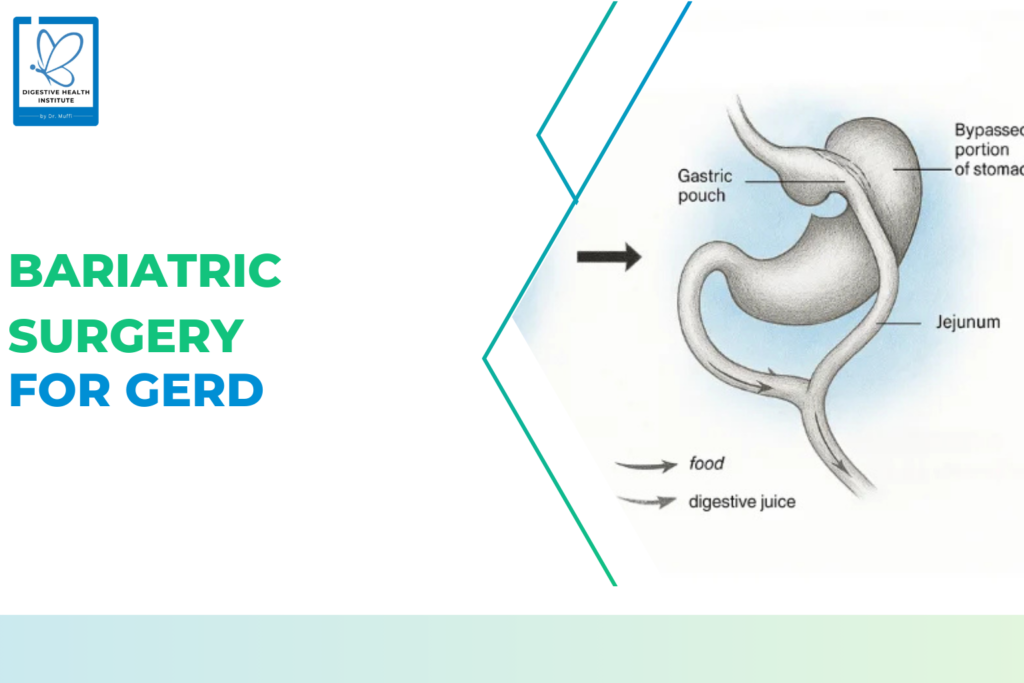 Bariatric Surgery for GERD
 -
 Does Diarrhea Cause Weight Loss
 -
 How Many Steps to Lose 1kg?
 -
 Weight Loss ICD-10