Is Hernia Surgery Dangerous?

BMI Calculator +91 9820062040 | +91 8356977265 enquiry@thedigestive.in Digestive Health Institute by Dr. Muffi Home About us Dr. Muffazal Lakdawala, Founder Our Team Outreach OPD Training & Workshops Science & Magic of DHI Global Patient Program Work with DHI Eat Right Prescription Weight Management Support Emotional Wellness Rehabilitation Therapy Restorative Plastic Surgery Nutritional Supplements Obesity Support Group Test & Investigations Common FAQ’S Obesity Surgery Endoscopic-Gastric Balloon Endoscopic-Gastric Sleeve Revisional Bariatric Surgery Roux En Y Gastric Bypass SADI (malabsorptive) Sleeve Gastrectomy Sleeve + Optimal Weight Child Nutrition Lifestyle Nutrition Weight Management Gut Care Gut Reset Expert Care Diabetes Control Menopause Wellness PCOS Management Post Surgery Nutrition General Surgery General Surgery Adrenalectomy (Adrenal gland Removal) Appendectomy (Appendix Surgery) Cholecystectomy (Gallbladder Surgery) Hernia Surgery Hysterectomy (Uterus Removal Surgery) Splenectomy (Spleen Removal) VATS (Video-Assisted Thoracoscopy – Key hole Chest Surgery) GI Surgery Hydatid Cyst Removal (Liver Cyst Removal) Puestow’s Procedure (Chronic Pancreatitis Drainage Surgery) GI Oncology Gastric (Stomach) Cancer GEJ (Gastroesophageal Junction) Cancer Large Intestine Cancer (Colon & Rectum) Small Intestine Cancer (Small Bowel) Whipple’s Surgery (Pancreatic Cancer) Media & Stories Testimonials Our Health Partners Press Blogs Journal & Publication Connect Contact Us Locations Home About us Dr. Muffazal Lakdawala, Founder Our Team Outreach OPD Training & Workshops Science & Magic of DHI Global Patient Program Work with DHI Eat Right Prescription Weight Management Support Emotional Wellness Rehabilitation Therapy Restorative Plastic Surgery Nutritional Supplements Obesity Support Group Test & Investigations Common FAQ’S Obesity Surgery Endoscopic-Gastric Balloon Endoscopic-Gastric Sleeve Revisional Bariatric Surgery Roux En Y Gastric Bypass SADI (malabsorptive) Sleeve Gastrectomy Sleeve + Optimal Weight Child Nutrition Lifestyle Nutrition Weight Management Gut Care Gut Reset Expert Care Diabetes Control Menopause Wellness PCOS Management Post Surgery Nutrition General Surgery General Surgery Adrenalectomy (Adrenal gland Removal) Appendectomy (Appendix Surgery) Cholecystectomy (Gallbladder Surgery) Hernia Surgery Hysterectomy (Uterus Removal Surgery) Splenectomy (Spleen Removal) VATS (Video-Assisted Thoracoscopy – Key hole Chest Surgery) GI Surgery Hydatid Cyst Removal (Liver Cyst Removal) Puestow’s Procedure (Chronic Pancreatitis Drainage Surgery) GI Oncology Gastric (Stomach) Cancer GEJ (Gastroesophageal Junction) Cancer Large Intestine Cancer (Colon & Rectum) Small Intestine Cancer (Small Bowel) Whipple’s Surgery (Pancreatic Cancer) Media & Stories Testimonials Our Health Partners Press Blogs Journal & Publication Connect Contact Us Locations Digestive Health Institute by Dr. Muffi Home About us Dr. Muffazal Lakdawala Our Team Outreach OPD’s Training & Workshops Science & Magic of DHI Global Patient Program Work with DHI Eat Right Prescription Weight Management Optimal Weight Child Nutrition Lifestyle Nutrition Weight Management Gut Care Gut Reset Expert Care Diabetes Control Menopause Wellness PCOS Management Post Surgery Nutrition Obesity surgery Endoscopic- Gastric Balloon Endoscopic- Gastric Sleeve Revisional Bariatric Surgeries Roux En Y Gastric Bypass SADI Procedure Sleeve Gastrectomy Sleeve + Support Emotional Wellness Rehabilitation Therapy Restorative Plastic Surgery Nutritional Supplements Obesity Support Group Test & Investigations Common FAQ’S General Surgery General Surgery Adrenalectomy Appendectomy Cholecystectomy Hernia Surgery Hysterectomy Splenectomy Video-Assissted Thoracoscopy (VATS) GI Surgery Hydatid Cyst Removal Puestow’s Procedure GI Oncology Stomach Cancers GEJ (Gastroesophageal Junction) Cancer Large Intestine Cancer Small Intestine Cancer Whipple’s Surgery Media & Stories Testimonials Our Partners Press Blogs Journal & Publications Connect Contact Us Locations Home About us Dr. Muffazal Lakdawala Our Team Outreach OPD’s Training & Workshops Science & Magic of DHI Global Patient Program Work with DHI Eat Right Prescription Weight Management Optimal Weight Child Nutrition Lifestyle Nutrition Weight Management Gut Care Gut Reset Expert Care Diabetes Control Menopause Wellness PCOS Management Post Surgery Nutrition Obesity surgery Endoscopic- Gastric Balloon Endoscopic- Gastric Sleeve Revisional Bariatric Surgeries Roux En Y Gastric Bypass SADI Procedure Sleeve Gastrectomy Sleeve + Support Emotional Wellness Rehabilitation Therapy Restorative Plastic Surgery Nutritional Supplements Obesity Support Group Test & Investigations Common FAQ’S General Surgery General Surgery Adrenalectomy Appendectomy Cholecystectomy Hernia Surgery Hysterectomy Splenectomy Video-Assissted Thoracoscopy (VATS) GI Surgery Hydatid Cyst Removal Puestow’s Procedure GI Oncology Stomach Cancers GEJ (Gastroesophageal Junction) Cancer Large Intestine Cancer Small Intestine Cancer Whipple’s Surgery Media & Stories Testimonials Our Partners Press Blogs Journal & Publications Connect Contact Us Locations Is Hernia Surgery Dangerous? Is Hernia Surgery Dangerous? What You Should Really Know If your doctor has recommended hernia surgery, it’s normal to feel worried. One of the most common questions patients ask is: “Is hernia surgery dangerous?” The short, honest answer is: No. Hernia surgery is generally safe, especially when performed early by an experienced surgeon. Serious complications are rare, and planned surgery is much safer than emergency surgery. Let’s explain this clearly without medical jargon. Why People Think Hernia Surgery Is Dangerous Most fears come from: Hearing negative stories online Confusing hernia surgery with major abdominal surgery Worrying about anesthesia, pain, or complications In reality, modern hernia surgery is one of the most commonly performed and safest surgeries worldwide. How Safe Is Hernia Surgery? Hernia surgery has a very high success rate and a low complication risk. Reasons it’s considered safe: Short surgery time (often 30–60 minutes) Minimally invasive techniques (laparoscopic surgery) Same-day discharge in many cases Quick recovery compared to major surgeries For most healthy patients, serious complications are rare. Possible Risks (Being Honest) No surgery is 100% risk-free, but hernia surgery risks are usually minor and manageable. Possible risks include: Temporary pain or swelling Infection at the incision site Bleeding or bruising Recurrence (rare with proper repair) Your surgeon reduces these risks by: Using mesh when required Following sterile techniques Giving clear recovery instructions When Can Hernia Surgery Be Risky? Hernia surgery may carry higher risk if: Surgery is delayed for a long time The hernia becomes strangulated or obstructed The patient has uncontrolled diabetes, heart disease, or lung issues This is why doctors often recommend early planned surgery instead of waiting. Is Not Doing Hernia Surgery More Dangerous? In many cases, yes. Delaying hernia surgery can lead to: Increased pain Enlargement of the hernia Emergency surgery Risk of trapped intestine (strangulation), which can be life-threatening Planned surgery is always safer than emergency surgery. Laparoscopic vs Open Hernia Surgery: Safety Comparison Laparoscopic surgery:– Smaller cuts– Less pain– Faster recovery Open surgery:– Safe and effective– Used for large or
1000 steps calories

BMI Calculator +91 9820062040 | +91 8356977265 enquiry@thedigestive.in Digestive Health Institute by Dr. Muffi Home About us Dr. Muffazal Lakdawala, Founder Our Team Outreach OPD Training & Workshops Science & Magic of DHI Global Patient Program Work with DHI Eat Right Prescription Weight Management Support Emotional Wellness Rehabilitation Therapy Restorative Plastic Surgery Nutritional Supplements Obesity Support Group Test & Investigations Common FAQ’S Obesity Surgery Endoscopic-Gastric Balloon Endoscopic-Gastric Sleeve Revisional Bariatric Surgery Roux En Y Gastric Bypass SADI (malabsorptive) Sleeve Gastrectomy Sleeve + Optimal Weight Child Nutrition Lifestyle Nutrition Weight Management Gut Care Gut Reset Expert Care Diabetes Control Menopause Wellness PCOS Management Post Surgery Nutrition General Surgery General Surgery Adrenalectomy (Adrenal gland Removal) Appendectomy (Appendix Surgery) Cholecystectomy (Gallbladder Surgery) Hernia Surgery Hysterectomy (Uterus Removal Surgery) Splenectomy (Spleen Removal) VATS (Video-Assisted Thoracoscopy – Key hole Chest Surgery) GI Surgery Hydatid Cyst Removal (Liver Cyst Removal) Puestow’s Procedure (Chronic Pancreatitis Drainage Surgery) GI Oncology Gastric (Stomach) Cancer GEJ (Gastroesophageal Junction) Cancer Large Intestine Cancer (Colon & Rectum) Small Intestine Cancer (Small Bowel) Whipple’s Surgery (Pancreatic Cancer) Media & Stories Testimonials Our Health Partners Press Blogs Journal & Publication Connect Contact Us Locations Home About us Dr. Muffazal Lakdawala, Founder Our Team Outreach OPD Training & Workshops Science & Magic of DHI Global Patient Program Work with DHI Eat Right Prescription Weight Management Support Emotional Wellness Rehabilitation Therapy Restorative Plastic Surgery Nutritional Supplements Obesity Support Group Test & Investigations Common FAQ’S Obesity Surgery Endoscopic-Gastric Balloon Endoscopic-Gastric Sleeve Revisional Bariatric Surgery Roux En Y Gastric Bypass SADI (malabsorptive) Sleeve Gastrectomy Sleeve + Optimal Weight Child Nutrition Lifestyle Nutrition Weight Management Gut Care Gut Reset Expert Care Diabetes Control Menopause Wellness PCOS Management Post Surgery Nutrition General Surgery General Surgery Adrenalectomy (Adrenal gland Removal) Appendectomy (Appendix Surgery) Cholecystectomy (Gallbladder Surgery) Hernia Surgery Hysterectomy (Uterus Removal Surgery) Splenectomy (Spleen Removal) VATS (Video-Assisted Thoracoscopy – Key hole Chest Surgery) GI Surgery Hydatid Cyst Removal (Liver Cyst Removal) Puestow’s Procedure (Chronic Pancreatitis Drainage Surgery) GI Oncology Gastric (Stomach) Cancer GEJ (Gastroesophageal Junction) Cancer Large Intestine Cancer (Colon & Rectum) Small Intestine Cancer (Small Bowel) Whipple’s Surgery (Pancreatic Cancer) Media & Stories Testimonials Our Health Partners Press Blogs Journal & Publication Connect Contact Us Locations Digestive Health Institute by Dr. Muffi Home About us Dr. Muffazal Lakdawala Our Team Outreach OPD’s Training & Workshops Science & Magic of DHI Global Patient Program Work with DHI Eat Right Prescription Weight Management Optimal Weight Child Nutrition Lifestyle Nutrition Weight Management Gut Care Gut Reset Expert Care Diabetes Control Menopause Wellness PCOS Management Post Surgery Nutrition Obesity surgery Endoscopic- Gastric Balloon Endoscopic- Gastric Sleeve Revisional Bariatric Surgeries Roux En Y Gastric Bypass SADI Procedure Sleeve Gastrectomy Sleeve + Support Emotional Wellness Rehabilitation Therapy Restorative Plastic Surgery Nutritional Supplements Obesity Support Group Test & Investigations Common FAQ’S General Surgery General Surgery Adrenalectomy Appendectomy Cholecystectomy Hernia Surgery Hysterectomy Splenectomy Video-Assissted Thoracoscopy (VATS) GI Surgery Hydatid Cyst Removal Puestow’s Procedure GI Oncology Stomach Cancers GEJ (Gastroesophageal Junction) Cancer Large Intestine Cancer Small Intestine Cancer Whipple’s Surgery Media & Stories Testimonials Our Partners Press Blogs Journal & Publications Connect Contact Us Locations Home About us Dr. Muffazal Lakdawala Our Team Outreach OPD’s Training & Workshops Science & Magic of DHI Global Patient Program Work with DHI Eat Right Prescription Weight Management Optimal Weight Child Nutrition Lifestyle Nutrition Weight Management Gut Care Gut Reset Expert Care Diabetes Control Menopause Wellness PCOS Management Post Surgery Nutrition Obesity surgery Endoscopic- Gastric Balloon Endoscopic- Gastric Sleeve Revisional Bariatric Surgeries Roux En Y Gastric Bypass SADI Procedure Sleeve Gastrectomy Sleeve + Support Emotional Wellness Rehabilitation Therapy Restorative Plastic Surgery Nutritional Supplements Obesity Support Group Test & Investigations Common FAQ’S General Surgery General Surgery Adrenalectomy Appendectomy Cholecystectomy Hernia Surgery Hysterectomy Splenectomy Video-Assissted Thoracoscopy (VATS) GI Surgery Hydatid Cyst Removal Puestow’s Procedure GI Oncology Stomach Cancers GEJ (Gastroesophageal Junction) Cancer Large Intestine Cancer Small Intestine Cancer Whipple’s Surgery Media & Stories Testimonials Our Partners Press Blogs Journal & Publications Connect Contact Us Locations 1000 steps calories How Many Calories Do 1,000 Steps Burn? (Exact Numbers + Doctor’s Explanation) Walking is one of the simplest and safest ways to stay active. Many people track their steps using a smartwatch or phone, but the big question remains: How many calories do 1,000 steps burn? If you’re specifically searching for accurate estimates of 1000 steps calories, the answer depends on factors such as your body weight, walking speed, stride length, and terrain. In this article, we’ll break down realistic calorie calculations for 1,000 steps and explain what it truly means for fat loss and long-term weight management. How Many Calories Does 1,000 Steps Burn? On average, walking 1,000 steps burns about 30 to 60 calories. The calorie range depends mainly on your body weight and walking speed. Heavier individuals burn more calories because moving a larger body requires more energy. Here is a simple estimate: Body Weight Calories Burned in 1,000 Steps 50 kg 28–32 calories 60 kg 32–38 calories 70 kg 38–45 calories 80 kg 45–52 calories 90 kg 50–60 calories 100 kg 55–65 calories Check your BMI here Important: These are estimates. The actual number can vary depending on your walking speed, age, fitness level, and metabolism. How Far Is 1,000 Steps? Understanding the distance helps you plan your walking routine better. 1,000 steps is approximately: 0.7–0.8 km 0.4–0.5 miles About 8–10 minutes of walking (moderate pace) So if you walk 10,000 steps daily, you’re walking about 7–8 km, which is an excellent amount for general fitness. What Factors Affect Calories Burned in 1,000 Steps? Several factors affect how many calories you burn in 1,000 steps: Body Weight A heavier body burns more calories for the same number of steps. Walking Speed Brisk walking burns more calories than slow walking. Terrain Walking uphill or on uneven surfaces increases calorie burn. Age & Metabolism Younger people may burn more calories due to a faster metabolism. Walking Form A long stride and swinging arms can slightly increase calorie burn. Is 1,000 Steps Enough for Weight Loss? Walking 1,000 steps is a good
SADI Bariatric Surgery
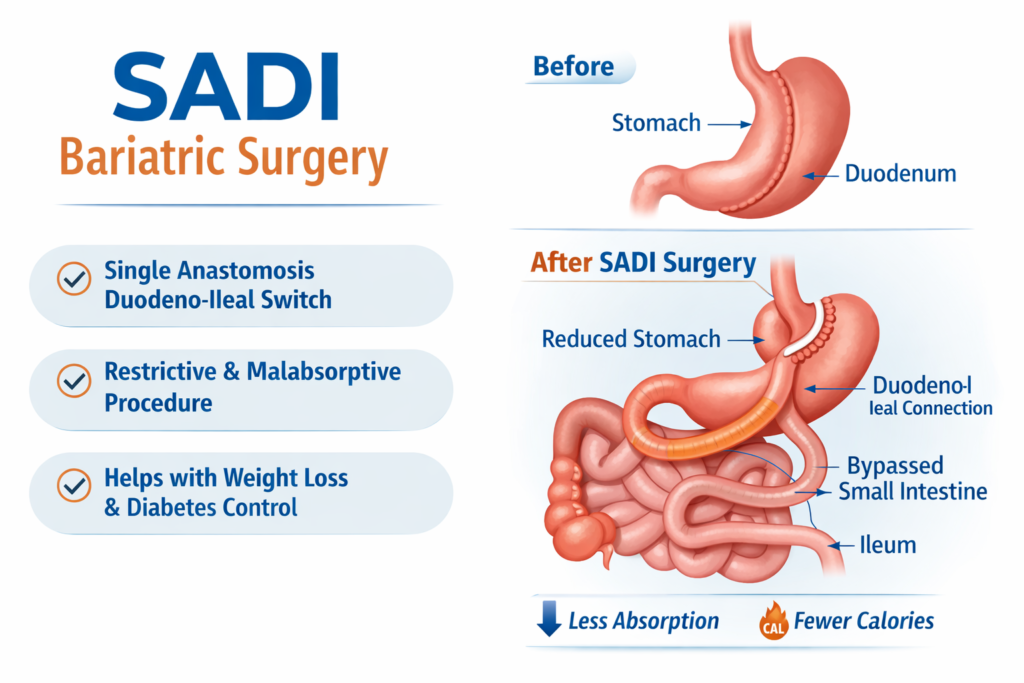
BMI Calculator +91 9820062040 | +91 8356977265 enquiry@thedigestive.in Digestive Health Institute by Dr. Muffi Home About us Dr. Muffazal Lakdawala, Founder Our Team Outreach OPD Training & Workshops Science & Magic of DHI Global Patient Program Work with DHI Eat Right Prescription Weight Management Support Emotional Wellness Rehabilitation Therapy Restorative Plastic Surgery Nutritional Supplements Obesity Support Group Test & Investigations Common FAQ’S Obesity Surgery Endoscopic-Gastric Balloon Endoscopic-Gastric Sleeve Revisional Bariatric Surgery Roux En Y Gastric Bypass SADI (malabsorptive) Sleeve Gastrectomy Sleeve + Optimal Weight Child Nutrition Lifestyle Nutrition Weight Management Gut Care Gut Reset Expert Care Diabetes Control Menopause Wellness PCOS Management Post Surgery Nutrition General Surgery General Surgery Adrenalectomy (Adrenal gland Removal) Appendectomy (Appendix Surgery) Cholecystectomy (Gallbladder Surgery) Hernia Surgery Hysterectomy (Uterus Removal Surgery) Splenectomy (Spleen Removal) VATS (Video-Assisted Thoracoscopy – Key hole Chest Surgery) GI Surgery Hydatid Cyst Removal (Liver Cyst Removal) Puestow’s Procedure (Chronic Pancreatitis Drainage Surgery) GI Oncology Gastric (Stomach) Cancer GEJ (Gastroesophageal Junction) Cancer Large Intestine Cancer (Colon & Rectum) Small Intestine Cancer (Small Bowel) Whipple’s Surgery (Pancreatic Cancer) Media & Stories Testimonials Our Health Partners Press Blogs Journal & Publication Connect Contact Us Locations Home About us Dr. Muffazal Lakdawala, Founder Our Team Outreach OPD Training & Workshops Science & Magic of DHI Global Patient Program Work with DHI Eat Right Prescription Weight Management Support Emotional Wellness Rehabilitation Therapy Restorative Plastic Surgery Nutritional Supplements Obesity Support Group Test & Investigations Common FAQ’S Obesity Surgery Endoscopic-Gastric Balloon Endoscopic-Gastric Sleeve Revisional Bariatric Surgery Roux En Y Gastric Bypass SADI (malabsorptive) Sleeve Gastrectomy Sleeve + Optimal Weight Child Nutrition Lifestyle Nutrition Weight Management Gut Care Gut Reset Expert Care Diabetes Control Menopause Wellness PCOS Management Post Surgery Nutrition General Surgery General Surgery Adrenalectomy (Adrenal gland Removal) Appendectomy (Appendix Surgery) Cholecystectomy (Gallbladder Surgery) Hernia Surgery Hysterectomy (Uterus Removal Surgery) Splenectomy (Spleen Removal) VATS (Video-Assisted Thoracoscopy – Key hole Chest Surgery) GI Surgery Hydatid Cyst Removal (Liver Cyst Removal) Puestow’s Procedure (Chronic Pancreatitis Drainage Surgery) GI Oncology Gastric (Stomach) Cancer GEJ (Gastroesophageal Junction) Cancer Large Intestine Cancer (Colon & Rectum) Small Intestine Cancer (Small Bowel) Whipple’s Surgery (Pancreatic Cancer) Media & Stories Testimonials Our Health Partners Press Blogs Journal & Publication Connect Contact Us Locations Digestive Health Institute by Dr. Muffi Home About us Dr. Muffazal Lakdawala Our Team Outreach OPD’s Training & Workshops Science & Magic of DHI Global Patient Program Work with DHI Eat Right Prescription Weight Management Optimal Weight Child Nutrition Lifestyle Nutrition Weight Management Gut Care Gut Reset Expert Care Diabetes Control Menopause Wellness PCOS Management Post Surgery Nutrition Obesity surgery Endoscopic- Gastric Balloon Endoscopic- Gastric Sleeve Revisional Bariatric Surgeries Roux En Y Gastric Bypass SADI Procedure Sleeve Gastrectomy Sleeve + Support Emotional Wellness Rehabilitation Therapy Restorative Plastic Surgery Nutritional Supplements Obesity Support Group Test & Investigations Common FAQ’S General Surgery General Surgery Adrenalectomy Appendectomy Cholecystectomy Hernia Surgery Hysterectomy Splenectomy Video-Assissted Thoracoscopy (VATS) GI Surgery Hydatid Cyst Removal Puestow’s Procedure GI Oncology Stomach Cancers GEJ (Gastroesophageal Junction) Cancer Large Intestine Cancer Small Intestine Cancer Whipple’s Surgery Media & Stories Testimonials Our Partners Press Blogs Journal & Publications Connect Contact Us Locations Home About us Dr. Muffazal Lakdawala Our Team Outreach OPD’s Training & Workshops Science & Magic of DHI Global Patient Program Work with DHI Eat Right Prescription Weight Management Optimal Weight Child Nutrition Lifestyle Nutrition Weight Management Gut Care Gut Reset Expert Care Diabetes Control Menopause Wellness PCOS Management Post Surgery Nutrition Obesity surgery Endoscopic- Gastric Balloon Endoscopic- Gastric Sleeve Revisional Bariatric Surgeries Roux En Y Gastric Bypass SADI Procedure Sleeve Gastrectomy Sleeve + Support Emotional Wellness Rehabilitation Therapy Restorative Plastic Surgery Nutritional Supplements Obesity Support Group Test & Investigations Common FAQ’S General Surgery General Surgery Adrenalectomy Appendectomy Cholecystectomy Hernia Surgery Hysterectomy Splenectomy Video-Assissted Thoracoscopy (VATS) GI Surgery Hydatid Cyst Removal Puestow’s Procedure GI Oncology Stomach Cancers GEJ (Gastroesophageal Junction) Cancer Large Intestine Cancer Small Intestine Cancer Whipple’s Surgery Media & Stories Testimonials Our Partners Press Blogs Journal & Publications Connect Contact Us Locations SADI Bariatric Surgery SADI Bariatric Surgery: A Complete Guide to Single Anastomosis Duodeno-Ileal Bypass SADI bariatric surgery (Single Anastomosis Duodeno-Ileal Bypass with Sleeve Gastrectomy) is an advanced metabolic and weight-loss surgery designed for people with severe obesity who need significant and long-term weight reduction. It is considered a simplified and safer evolution of the traditional duodenal switch procedure, offering powerful weight loss with fewer surgical connections. In this guide, you’ll learn what SADI surgery is, how it works, who it’s best for, benefits, risks, recovery, diet, and expected weight-loss results. Patients comparing advanced options may also want to explore robotic bariatric surgery, which uses robotic precision for selected weight-loss procedures. What Is SADI Bariatric Surgery? SADI bariatric surgery is a combined restrictive and malabsorptive procedure. It involves two main steps: Sleeve gastrectomy – About 70–80% of the stomach is removed, reducing hunger and food intake. Single intestinal bypass – The duodenum is connected to the ileum with one surgical connection (single anastomosis), reducing calorie and fat absorption. Because SADI uses only one intestinal connection, it is less complex than traditional duodenal switch surgery while maintaining excellent metabolic results. How Does SADI Surgery Work? SADI works through three powerful mechanisms: Stomach restriction – Smaller stomach means you feel full faster Hormonal changes – Reduced hunger hormones and improved insulin sensitivity Malabsorption – Shorter intestine length limits calorie and fat absorption This combination makes SADI highly effective for morbid obesity and type 2 diabetes remission. Who Is a Good Candidate for SADI Surgery? You may be a good candidate for SADI bariatric surgery if: Your BMI is over 40, or Your BMI is over 35 with obesity-related conditions (diabetes, sleep apnea, hypertension) You have severe or long-standing type 2 diabetes You failed to achieve results with other bariatric surgeries You can commit to lifelong follow-up and nutritional supplements Many patients reach this stage after trying structured exercise plans such as daily walking programs and calorie-restricted diets without achieving sustainable results. A bariatric surgeon will evaluate your medical history, lifestyle, and goals before recommending SADI. Benefits
Robotic Bariatric Surgery
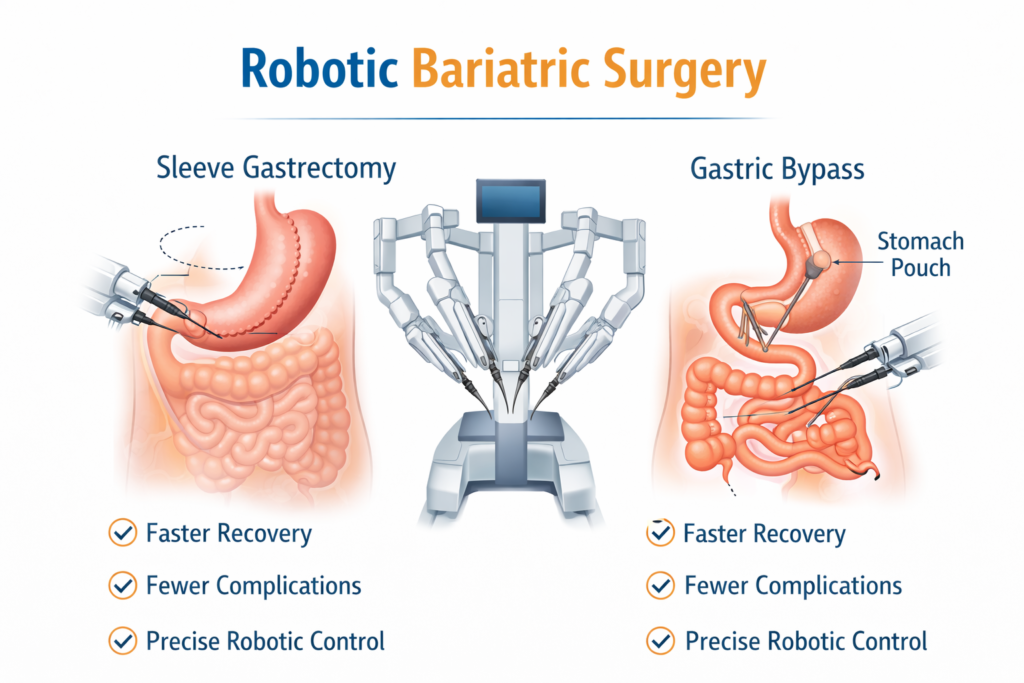
BMI Calculator +91 9820062040 | +91 8356977265 enquiry@thedigestive.in Digestive Health Institute by Dr. Muffi Home About us Dr. Muffazal Lakdawala, Founder Our Team Outreach OPD Training & Workshops Science & Magic of DHI Global Patient Program Work with DHI Eat Right Prescription Weight Management Support Emotional Wellness Rehabilitation Therapy Restorative Plastic Surgery Nutritional Supplements Obesity Support Group Test & Investigations Common FAQ’S Obesity Surgery Endoscopic-Gastric Balloon Endoscopic-Gastric Sleeve Revisional Bariatric Surgery Roux En Y Gastric Bypass SADI (malabsorptive) Sleeve Gastrectomy Sleeve + Optimal Weight Child Nutrition Lifestyle Nutrition Weight Management Gut Care Gut Reset Expert Care Diabetes Control Menopause Wellness PCOS Management Post Surgery Nutrition General Surgery General Surgery Adrenalectomy (Adrenal gland Removal) Appendectomy (Appendix Surgery) Cholecystectomy (Gallbladder Surgery) Hernia Surgery Hysterectomy (Uterus Removal Surgery) Splenectomy (Spleen Removal) VATS (Video-Assisted Thoracoscopy – Key hole Chest Surgery) GI Surgery Hydatid Cyst Removal (Liver Cyst Removal) Puestow’s Procedure (Chronic Pancreatitis Drainage Surgery) GI Oncology Gastric (Stomach) Cancer GEJ (Gastroesophageal Junction) Cancer Large Intestine Cancer (Colon & Rectum) Small Intestine Cancer (Small Bowel) Whipple’s Surgery (Pancreatic Cancer) Media & Stories Testimonials Our Health Partners Press Blogs Journal & Publication Connect Contact Us Locations Home About us Dr. Muffazal Lakdawala, Founder Our Team Outreach OPD Training & Workshops Science & Magic of DHI Global Patient Program Work with DHI Eat Right Prescription Weight Management Support Emotional Wellness Rehabilitation Therapy Restorative Plastic Surgery Nutritional Supplements Obesity Support Group Test & Investigations Common FAQ’S Obesity Surgery Endoscopic-Gastric Balloon Endoscopic-Gastric Sleeve Revisional Bariatric Surgery Roux En Y Gastric Bypass SADI (malabsorptive) Sleeve Gastrectomy Sleeve + Optimal Weight Child Nutrition Lifestyle Nutrition Weight Management Gut Care Gut Reset Expert Care Diabetes Control Menopause Wellness PCOS Management Post Surgery Nutrition General Surgery General Surgery Adrenalectomy (Adrenal gland Removal) Appendectomy (Appendix Surgery) Cholecystectomy (Gallbladder Surgery) Hernia Surgery Hysterectomy (Uterus Removal Surgery) Splenectomy (Spleen Removal) VATS (Video-Assisted Thoracoscopy – Key hole Chest Surgery) GI Surgery Hydatid Cyst Removal (Liver Cyst Removal) Puestow’s Procedure (Chronic Pancreatitis Drainage Surgery) GI Oncology Gastric (Stomach) Cancer GEJ (Gastroesophageal Junction) Cancer Large Intestine Cancer (Colon & Rectum) Small Intestine Cancer (Small Bowel) Whipple’s Surgery (Pancreatic Cancer) Media & Stories Testimonials Our Health Partners Press Blogs Journal & Publication Connect Contact Us Locations Digestive Health Institute by Dr. Muffi Home About us Dr. Muffazal Lakdawala Our Team Outreach OPD’s Training & Workshops Science & Magic of DHI Global Patient Program Work with DHI Eat Right Prescription Weight Management Optimal Weight Child Nutrition Lifestyle Nutrition Weight Management Gut Care Gut Reset Expert Care Diabetes Control Menopause Wellness PCOS Management Post Surgery Nutrition Obesity surgery Endoscopic- Gastric Balloon Endoscopic- Gastric Sleeve Revisional Bariatric Surgeries Roux En Y Gastric Bypass SADI Procedure Sleeve Gastrectomy Sleeve + Support Emotional Wellness Rehabilitation Therapy Restorative Plastic Surgery Nutritional Supplements Obesity Support Group Test & Investigations Common FAQ’S General Surgery General Surgery Adrenalectomy Appendectomy Cholecystectomy Hernia Surgery Hysterectomy Splenectomy Video-Assissted Thoracoscopy (VATS) GI Surgery Hydatid Cyst Removal Puestow’s Procedure GI Oncology Stomach Cancers GEJ (Gastroesophageal Junction) Cancer Large Intestine Cancer Small Intestine Cancer Whipple’s Surgery Media & Stories Testimonials Our Partners Press Blogs Journal & Publications Connect Contact Us Locations Home About us Dr. Muffazal Lakdawala Our Team Outreach OPD’s Training & Workshops Science & Magic of DHI Global Patient Program Work with DHI Eat Right Prescription Weight Management Optimal Weight Child Nutrition Lifestyle Nutrition Weight Management Gut Care Gut Reset Expert Care Diabetes Control Menopause Wellness PCOS Management Post Surgery Nutrition Obesity surgery Endoscopic- Gastric Balloon Endoscopic- Gastric Sleeve Revisional Bariatric Surgeries Roux En Y Gastric Bypass SADI Procedure Sleeve Gastrectomy Sleeve + Support Emotional Wellness Rehabilitation Therapy Restorative Plastic Surgery Nutritional Supplements Obesity Support Group Test & Investigations Common FAQ’S General Surgery General Surgery Adrenalectomy Appendectomy Cholecystectomy Hernia Surgery Hysterectomy Splenectomy Video-Assissted Thoracoscopy (VATS) GI Surgery Hydatid Cyst Removal Puestow’s Procedure GI Oncology Stomach Cancers GEJ (Gastroesophageal Junction) Cancer Large Intestine Cancer Small Intestine Cancer Whipple’s Surgery Media & Stories Testimonials Our Partners Press Blogs Journal & Publications Connect Contact Us Locations Robotic Bariatric Surgery Robotic Bariatric Surgery: A Complete Guide to Advanced Weight Loss Surgery Robotic bariatric surgery is a modern, minimally invasive approach to weight loss surgery that uses robotic-assisted technology to improve precision, safety, and recovery. It is increasingly used for procedures like gastric sleeve, gastric bypass, and duodenal switch, especially in patients with severe obesity or complex medical conditions. In this comprehensive guide, you’ll learn what robotic bariatric surgery is, how it works, benefits, risks, recovery, who is eligible, and how it compares to traditional laparoscopic bariatric surgery. What Is Robotic Bariatric Surgery? Robotic bariatric surgery is performed using a robotic surgical system controlled entirely by a trained bariatric surgeon. The robot does not operate on its own; instead, it translates the surgeon’s hand movements into highly precise, controlled actions using tiny surgical instruments. The surgery is done through small incisions, making it a minimally invasive procedure. Common bariatric surgeries performed robotically include: Robotic gastric sleeve surgery Robotic gastric bypass surgery Robotic SADI or duodenal switch surgery How Does Robotic Bariatric Surgery Work? During robotic bariatric surgery: Small incisions are made in the abdomen A high-definition 3D camera provides a magnified view Robotic arms hold surgical instruments with enhanced range of motion The surgeon controls the robot from a console for precise movements This technology allows for greater accuracy in suturing, cutting, and reconstruction compared to conventional laparoscopic surgery. Types of Bariatric Surgery Performed Robotically Robotic technology can be used for several weight loss procedures: Robotic Sleeve Gastrectomy Reduces stomach size by removing about 70–80% of the stomach, limiting food intake and reducing hunger hormones. Robotic Gastric Bypass Creates a small stomach pouch and reroutes part of the small intestine to reduce calorie absorption and improve metabolism. Robotic Duodenal Switch / SADI Combines sleeve gastrectomy with intestinal bypass for maximum weight loss and diabetes control. Benefits of Robotic Bariatric Surgery Robotic-assisted bariatric surgery offers several advantages: Greater surgical precision Enhanced 3D visualization Improved control in complex cases Reduced risk of complications Less blood loss Smaller incisions and less scarring Faster recovery and shorter hospital stay
Types of Hysterectomy
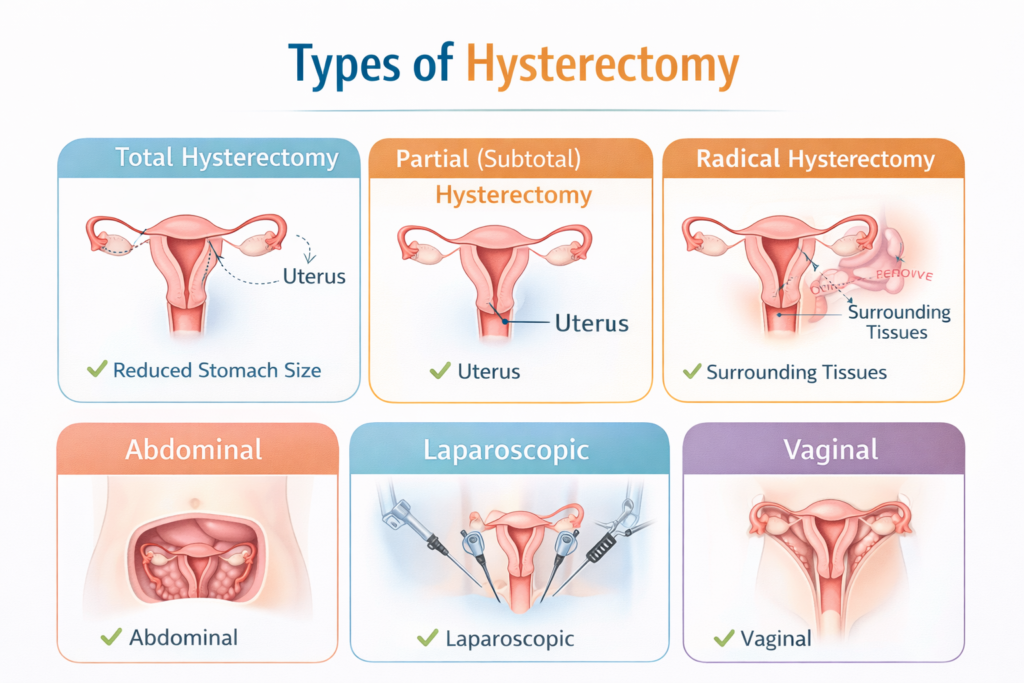
BMI Calculator +91 9820062040 | +91 8356977265 enquiry@thedigestive.in Digestive Health Institute by Dr. Muffi Home About us Dr. Muffazal Lakdawala, Founder Our Team Outreach OPD Training & Workshops Science & Magic of DHI Global Patient Program Work with DHI Eat Right Prescription Weight Management Support Emotional Wellness Rehabilitation Therapy Restorative Plastic Surgery Nutritional Supplements Obesity Support Group Test & Investigations Common FAQ’S Obesity Surgery Endoscopic-Gastric Balloon Endoscopic-Gastric Sleeve Revisional Bariatric Surgery Roux En Y Gastric Bypass SADI (malabsorptive) Sleeve Gastrectomy Sleeve + Optimal Weight Child Nutrition Lifestyle Nutrition Weight Management Gut Care Gut Reset Expert Care Diabetes Control Menopause Wellness PCOS Management Post Surgery Nutrition General Surgery General Surgery Adrenalectomy (Adrenal gland Removal) Appendectomy (Appendix Surgery) Cholecystectomy (Gallbladder Surgery) Hernia Surgery Hysterectomy (Uterus Removal Surgery) Splenectomy (Spleen Removal) VATS (Video-Assisted Thoracoscopy – Key hole Chest Surgery) GI Surgery Hydatid Cyst Removal (Liver Cyst Removal) Puestow’s Procedure (Chronic Pancreatitis Drainage Surgery) GI Oncology Gastric (Stomach) Cancer GEJ (Gastroesophageal Junction) Cancer Large Intestine Cancer (Colon & Rectum) Small Intestine Cancer (Small Bowel) Whipple’s Surgery (Pancreatic Cancer) Media & Stories Testimonials Our Health Partners Press Blogs Journal & Publication Connect Contact Us Locations Home About us Dr. Muffazal Lakdawala, Founder Our Team Outreach OPD Training & Workshops Science & Magic of DHI Global Patient Program Work with DHI Eat Right Prescription Weight Management Support Emotional Wellness Rehabilitation Therapy Restorative Plastic Surgery Nutritional Supplements Obesity Support Group Test & Investigations Common FAQ’S Obesity Surgery Endoscopic-Gastric Balloon Endoscopic-Gastric Sleeve Revisional Bariatric Surgery Roux En Y Gastric Bypass SADI (malabsorptive) Sleeve Gastrectomy Sleeve + Optimal Weight Child Nutrition Lifestyle Nutrition Weight Management Gut Care Gut Reset Expert Care Diabetes Control Menopause Wellness PCOS Management Post Surgery Nutrition General Surgery General Surgery Adrenalectomy (Adrenal gland Removal) Appendectomy (Appendix Surgery) Cholecystectomy (Gallbladder Surgery) Hernia Surgery Hysterectomy (Uterus Removal Surgery) Splenectomy (Spleen Removal) VATS (Video-Assisted Thoracoscopy – Key hole Chest Surgery) GI Surgery Hydatid Cyst Removal (Liver Cyst Removal) Puestow’s Procedure (Chronic Pancreatitis Drainage Surgery) GI Oncology Gastric (Stomach) Cancer GEJ (Gastroesophageal Junction) Cancer Large Intestine Cancer (Colon & Rectum) Small Intestine Cancer (Small Bowel) Whipple’s Surgery (Pancreatic Cancer) Media & Stories Testimonials Our Health Partners Press Blogs Journal & Publication Connect Contact Us Locations Digestive Health Institute by Dr. Muffi Home About us Dr. Muffazal Lakdawala Our Team Outreach OPD’s Training & Workshops Science & Magic of DHI Global Patient Program Work with DHI Eat Right Prescription Weight Management Optimal Weight Child Nutrition Lifestyle Nutrition Weight Management Gut Care Gut Reset Expert Care Diabetes Control Menopause Wellness PCOS Management Post Surgery Nutrition Obesity surgery Endoscopic- Gastric Balloon Endoscopic- Gastric Sleeve Revisional Bariatric Surgeries Roux En Y Gastric Bypass SADI Procedure Sleeve Gastrectomy Sleeve + Support Emotional Wellness Rehabilitation Therapy Restorative Plastic Surgery Nutritional Supplements Obesity Support Group Test & Investigations Common FAQ’S General Surgery General Surgery Adrenalectomy Appendectomy Cholecystectomy Hernia Surgery Hysterectomy Splenectomy Video-Assissted Thoracoscopy (VATS) GI Surgery Hydatid Cyst Removal Puestow’s Procedure GI Oncology Stomach Cancers GEJ (Gastroesophageal Junction) Cancer Large Intestine Cancer Small Intestine Cancer Whipple’s Surgery Media & Stories Testimonials Our Partners Press Blogs Journal & Publications Connect Contact Us Locations Home About us Dr. Muffazal Lakdawala Our Team Outreach OPD’s Training & Workshops Science & Magic of DHI Global Patient Program Work with DHI Eat Right Prescription Weight Management Optimal Weight Child Nutrition Lifestyle Nutrition Weight Management Gut Care Gut Reset Expert Care Diabetes Control Menopause Wellness PCOS Management Post Surgery Nutrition Obesity surgery Endoscopic- Gastric Balloon Endoscopic- Gastric Sleeve Revisional Bariatric Surgeries Roux En Y Gastric Bypass SADI Procedure Sleeve Gastrectomy Sleeve + Support Emotional Wellness Rehabilitation Therapy Restorative Plastic Surgery Nutritional Supplements Obesity Support Group Test & Investigations Common FAQ’S General Surgery General Surgery Adrenalectomy Appendectomy Cholecystectomy Hernia Surgery Hysterectomy Splenectomy Video-Assissted Thoracoscopy (VATS) GI Surgery Hydatid Cyst Removal Puestow’s Procedure GI Oncology Stomach Cancers GEJ (Gastroesophageal Junction) Cancer Large Intestine Cancer Small Intestine Cancer Whipple’s Surgery Media & Stories Testimonials Our Partners Press Blogs Journal & Publications Connect Contact Us Locations Types of Hysterectomy Types of Hysterectomy: Complete Guide for Patients Hysterectomy is one of the most common surgeries performed in gynecology, yet many patients are unsure which type is right for them. Choosing the right procedure depends on your health, symptoms, age, and whether you want to preserve your ovaries. In this guide, we’ll explain all types of hysterectomy, surgical approaches, recovery, and what to expect after surgery. What is a Hysterectomy? A hysterectomy is a surgical procedure to remove your uterus. Depending on your condition, your surgeon may also remove: Cervix Ovaries (oophorectomy) Fallopian tubes (salpingectomy) Part of the vagina or surrounding tissues After a hysterectomy, you will no longer get your period and cannot become pregnant. If your ovaries are removed, menopause begins immediately. Why Do People Get a Hysterectomy? Hysterectomies are often recommended for: Abnormal or heavy bleeding Uterine fibroids or noncancerous tumors Endometriosis or severe pelvic pain Uterine prolapse causing urinary/fecal incontinence Cancer (uterine, cervical, ovarian) High risk of cancer (preventive hysterectomy) Complications after childbirth, like uterine rupture Before recommending surgery, your doctor may try medications, hormone therapy, or minimally invasive procedures. Types of Hysterectomy by Organs Removed Type Organs Removed Menopause Impact Who It’s For Total Hysterectomy Uterus + Cervix No, if ovaries preserved Common benign conditions Supracervical (Partial) Hysterectomy Upper uterus only No Preserve cervix, avoid Pap changes Total + Bilateral Salpingo-Oophorectomy Uterus + Cervix + Ovaries + Fallopian tubes Yes, immediate Cancer risk, endometriosis, severe symptoms Radical Hysterectomy Uterus + Cervix + Ovaries + Fallopian tubes + upper vagina + surrounding tissue Yes Usually for cancer Surgical Variations See below N/A Based on approach Types of Hysterectomy by Surgical Approach 1️ Vaginal Hysterectomy Uterus removed through the vagina No abdominal incision Shortest recovery: ~2–4 weeks Often outpatient surgery Low complication rate 2️ Laparoscopic Hysterectomy Small abdominal incisions with a camera and instruments Surgeon removes uterus in pieces through incisions or vagina Recovery: 2–4 weeks Less pain than open surgery 3️ Robotic-Assisted Laparoscopic Hysterectomy Surgeon uses robotic arms
Body changes after uterus removal
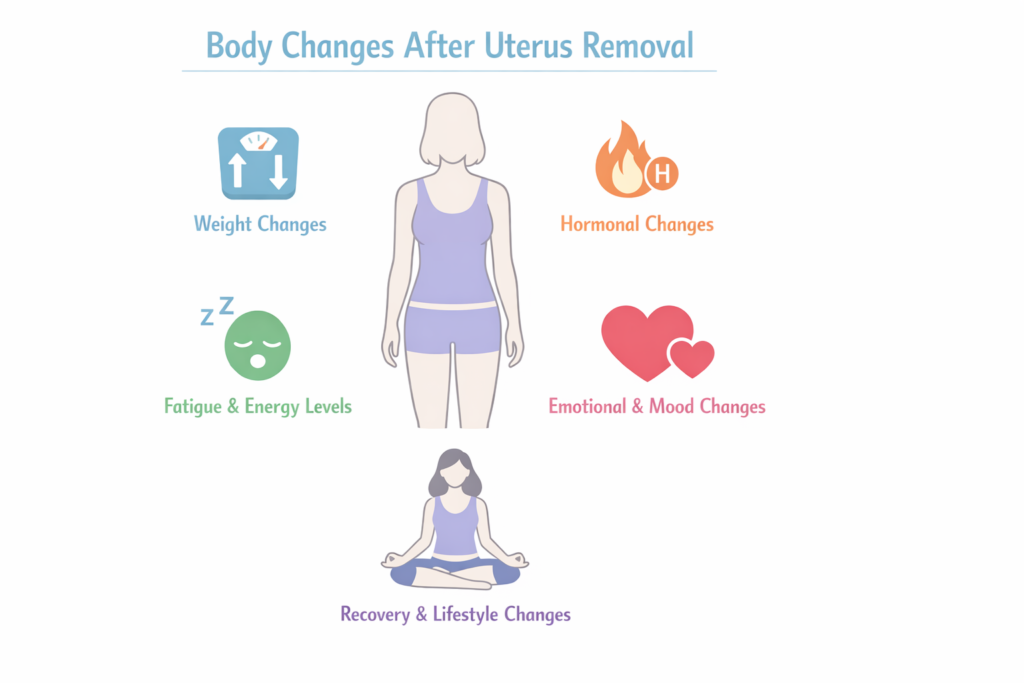
BMI Calculator +91 9820062040 | +91 8356977265 enquiry@thedigestive.in Digestive Health Institute by Dr. Muffi Home About us Dr. Muffazal Lakdawala, Founder Our Team Outreach OPD Training & Workshops Science & Magic of DHI Global Patient Program Work with DHI Eat Right Prescription Weight Management Support Emotional Wellness Rehabilitation Therapy Restorative Plastic Surgery Nutritional Supplements Obesity Support Group Test & Investigations Common FAQ’S Obesity Surgery Endoscopic-Gastric Balloon Endoscopic-Gastric Sleeve Revisional Bariatric Surgery Roux En Y Gastric Bypass SADI (malabsorptive) Sleeve Gastrectomy Sleeve + Optimal Weight Child Nutrition Lifestyle Nutrition Weight Management Gut Care Gut Reset Expert Care Diabetes Control Menopause Wellness PCOS Management Post Surgery Nutrition General Surgery General Surgery Adrenalectomy (Adrenal gland Removal) Appendectomy (Appendix Surgery) Cholecystectomy (Gallbladder Surgery) Hernia Surgery Hysterectomy (Uterus Removal Surgery) Splenectomy (Spleen Removal) VATS (Video-Assisted Thoracoscopy – Key hole Chest Surgery) GI Surgery Hydatid Cyst Removal (Liver Cyst Removal) Puestow’s Procedure (Chronic Pancreatitis Drainage Surgery) GI Oncology Gastric (Stomach) Cancer GEJ (Gastroesophageal Junction) Cancer Large Intestine Cancer (Colon & Rectum) Small Intestine Cancer (Small Bowel) Whipple’s Surgery (Pancreatic Cancer) Media & Stories Testimonials Our Health Partners Press Blogs Journal & Publication Connect Contact Us Locations Home About us Dr. Muffazal Lakdawala, Founder Our Team Outreach OPD Training & Workshops Science & Magic of DHI Global Patient Program Work with DHI Eat Right Prescription Weight Management Support Emotional Wellness Rehabilitation Therapy Restorative Plastic Surgery Nutritional Supplements Obesity Support Group Test & Investigations Common FAQ’S Obesity Surgery Endoscopic-Gastric Balloon Endoscopic-Gastric Sleeve Revisional Bariatric Surgery Roux En Y Gastric Bypass SADI (malabsorptive) Sleeve Gastrectomy Sleeve + Optimal Weight Child Nutrition Lifestyle Nutrition Weight Management Gut Care Gut Reset Expert Care Diabetes Control Menopause Wellness PCOS Management Post Surgery Nutrition General Surgery General Surgery Adrenalectomy (Adrenal gland Removal) Appendectomy (Appendix Surgery) Cholecystectomy (Gallbladder Surgery) Hernia Surgery Hysterectomy (Uterus Removal Surgery) Splenectomy (Spleen Removal) VATS (Video-Assisted Thoracoscopy – Key hole Chest Surgery) GI Surgery Hydatid Cyst Removal (Liver Cyst Removal) Puestow’s Procedure (Chronic Pancreatitis Drainage Surgery) GI Oncology Gastric (Stomach) Cancer GEJ (Gastroesophageal Junction) Cancer Large Intestine Cancer (Colon & Rectum) Small Intestine Cancer (Small Bowel) Whipple’s Surgery (Pancreatic Cancer) Media & Stories Testimonials Our Health Partners Press Blogs Journal & Publication Connect Contact Us Locations Digestive Health Institute by Dr. Muffi Home About us Dr. Muffazal Lakdawala Our Team Outreach OPD’s Training & Workshops Science & Magic of DHI Global Patient Program Work with DHI Eat Right Prescription Weight Management Optimal Weight Child Nutrition Lifestyle Nutrition Weight Management Gut Care Gut Reset Expert Care Diabetes Control Menopause Wellness PCOS Management Post Surgery Nutrition Obesity surgery Endoscopic- Gastric Balloon Endoscopic- Gastric Sleeve Revisional Bariatric Surgeries Roux En Y Gastric Bypass SADI Procedure Sleeve Gastrectomy Sleeve + Support Emotional Wellness Rehabilitation Therapy Restorative Plastic Surgery Nutritional Supplements Obesity Support Group Test & Investigations Common FAQ’S General Surgery General Surgery Adrenalectomy Appendectomy Cholecystectomy Hernia Surgery Hysterectomy Splenectomy Video-Assissted Thoracoscopy (VATS) GI Surgery Hydatid Cyst Removal Puestow’s Procedure GI Oncology Stomach Cancers GEJ (Gastroesophageal Junction) Cancer Large Intestine Cancer Small Intestine Cancer Whipple’s Surgery Media & Stories Testimonials Our Partners Press Blogs Journal & Publications Connect Contact Us Locations Home About us Dr. Muffazal Lakdawala Our Team Outreach OPD’s Training & Workshops Science & Magic of DHI Global Patient Program Work with DHI Eat Right Prescription Weight Management Optimal Weight Child Nutrition Lifestyle Nutrition Weight Management Gut Care Gut Reset Expert Care Diabetes Control Menopause Wellness PCOS Management Post Surgery Nutrition Obesity surgery Endoscopic- Gastric Balloon Endoscopic- Gastric Sleeve Revisional Bariatric Surgeries Roux En Y Gastric Bypass SADI Procedure Sleeve Gastrectomy Sleeve + Support Emotional Wellness Rehabilitation Therapy Restorative Plastic Surgery Nutritional Supplements Obesity Support Group Test & Investigations Common FAQ’S General Surgery General Surgery Adrenalectomy Appendectomy Cholecystectomy Hernia Surgery Hysterectomy Splenectomy Video-Assissted Thoracoscopy (VATS) GI Surgery Hydatid Cyst Removal Puestow’s Procedure GI Oncology Stomach Cancers GEJ (Gastroesophageal Junction) Cancer Large Intestine Cancer Small Intestine Cancer Whipple’s Surgery Media & Stories Testimonials Our Partners Press Blogs Journal & Publications Connect Contact Us Locations Body changes after uterus removal Body Changes After Uterus Removal (Hysterectomy): What to Expect A hysterectomy is a surgical procedure to remove the uterus. If you are planning or considering hysterectomy surgery in Mumbai, understanding the physical, hormonal, and emotional changes after surgery can help you prepare better and recover confidently. What is a Hysterectomy? There are several different types of hysterectomy procedures, and the body changes may vary depending on which surgery is performed. A hysterectomy is the surgical removal of the uterus, and it may include: Cervix – the lower part of the uterus. Ovaries – produce estrogen and progesterone. Fallopian tubes – carry eggs from ovaries to the uterus. Why is it performed? Fibroids or uterine growths Severe endometriosis Abnormal or heavy bleeding Uterine prolapse Certain cancers (uterus, cervix, or ovaries) Complications from childbirth Types of Hysterectomy and How They Affect the Body Type of Hysterectomy What is Removed Body Changes to Expect Total Hysterectomy Uterus + cervix Menstruation stops; mild pelvic changes; if ovaries are retained, hormonal balance is maintained. Partial / Subtotal Hysterectomy Upper uterus only Menstruation stops; cervix remains, so Pap tests may still be needed. Radical Hysterectomy Uterus + cervix + surrounding tissues ± part of vagina Used for cancer; longer recovery; more extensive physical changes. Hysterectomy with Bilateral Salpingo-Oophorectomy Uterus + cervix + ovaries + fallopian tubes Immediate menopause; hot flashes; weight fluctuations; possible emotional changes. Body Changes After Uterus Removal 1️ Immediate Physical Changes No menstrual periods Soreness or swelling in pelvic/abdominal area Temporary urinary or bowel changes Mild bloating or digestive discomfort 2️ Hormonal Changes (If Ovaries Are Removed) Sudden menopause (hot flashes, night sweats, mood swings) Vaginal dryness Decreased libido Possible weight gain or changes in fat distribution Increased risk of osteoporosis 3️ Long-Term Changes Shift in pelvic organs (bladder, intestines) Changes in sexual function (lubrication, vaginal length) Emotional impact (feelings of loss, anxiety, depression) Potential core muscle weakness Recovery Timeline Phase What to Expect First 1–2 weeks Rest, manage pain, monitor incisions, avoid heavy lifting Weeks
Types of Bariatric Weight Loss Surgery
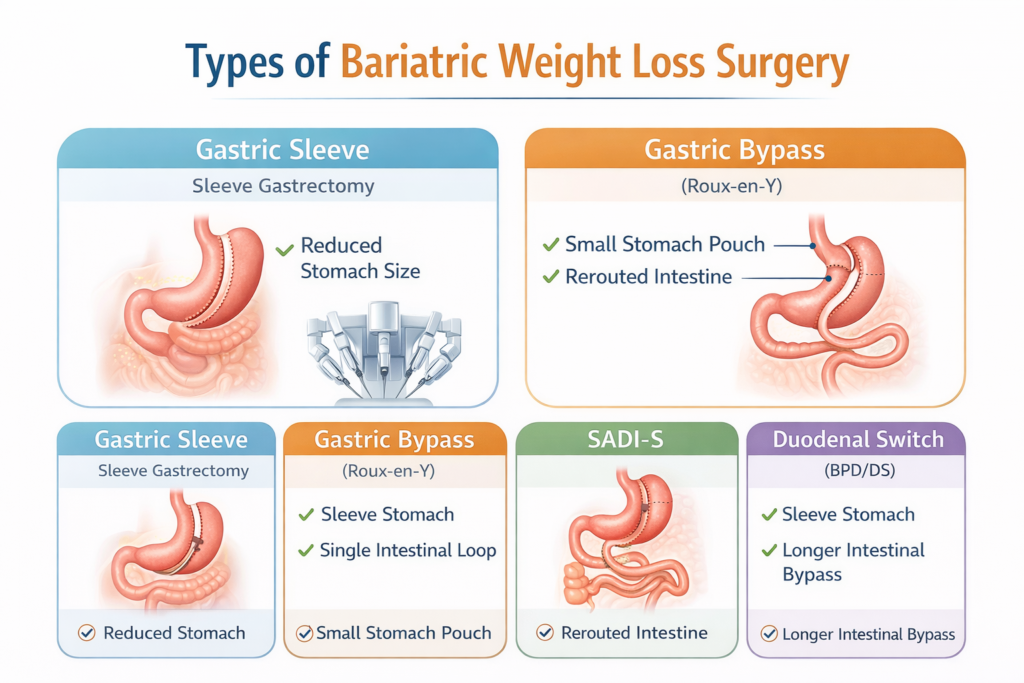
BMI Calculator +91 9820062040 | +91 8356977265 enquiry@thedigestive.in Digestive Health Institute by Dr. Muffi Home About us Dr. Muffazal Lakdawala, Founder Our Team Outreach OPD Training & Workshops Science & Magic of DHI Global Patient Program Work with DHI Eat Right Prescription Weight Management Support Emotional Wellness Rehabilitation Therapy Restorative Plastic Surgery Nutritional Supplements Obesity Support Group Test & Investigations Common FAQ’S Obesity Surgery Endoscopic-Gastric Balloon Endoscopic-Gastric Sleeve Revisional Bariatric Surgery Roux En Y Gastric Bypass SADI (malabsorptive) Sleeve Gastrectomy Sleeve + Optimal Weight Child Nutrition Lifestyle Nutrition Weight Management Gut Care Gut Reset Expert Care Diabetes Control Menopause Wellness PCOS Management Post Surgery Nutrition General Surgery General Surgery Adrenalectomy (Adrenal gland Removal) Appendectomy (Appendix Surgery) Cholecystectomy (Gallbladder Surgery) Hernia Surgery Hysterectomy (Uterus Removal Surgery) Splenectomy (Spleen Removal) VATS (Video-Assisted Thoracoscopy – Key hole Chest Surgery) GI Surgery Hydatid Cyst Removal (Liver Cyst Removal) Puestow’s Procedure (Chronic Pancreatitis Drainage Surgery) GI Oncology Gastric (Stomach) Cancer GEJ (Gastroesophageal Junction) Cancer Large Intestine Cancer (Colon & Rectum) Small Intestine Cancer (Small Bowel) Whipple’s Surgery (Pancreatic Cancer) Media & Stories Testimonials Our Health Partners Press Blogs Journal & Publication Connect Contact Us Locations Home About us Dr. Muffazal Lakdawala, Founder Our Team Outreach OPD Training & Workshops Science & Magic of DHI Global Patient Program Work with DHI Eat Right Prescription Weight Management Support Emotional Wellness Rehabilitation Therapy Restorative Plastic Surgery Nutritional Supplements Obesity Support Group Test & Investigations Common FAQ’S Obesity Surgery Endoscopic-Gastric Balloon Endoscopic-Gastric Sleeve Revisional Bariatric Surgery Roux En Y Gastric Bypass SADI (malabsorptive) Sleeve Gastrectomy Sleeve + Optimal Weight Child Nutrition Lifestyle Nutrition Weight Management Gut Care Gut Reset Expert Care Diabetes Control Menopause Wellness PCOS Management Post Surgery Nutrition General Surgery General Surgery Adrenalectomy (Adrenal gland Removal) Appendectomy (Appendix Surgery) Cholecystectomy (Gallbladder Surgery) Hernia Surgery Hysterectomy (Uterus Removal Surgery) Splenectomy (Spleen Removal) VATS (Video-Assisted Thoracoscopy – Key hole Chest Surgery) GI Surgery Hydatid Cyst Removal (Liver Cyst Removal) Puestow’s Procedure (Chronic Pancreatitis Drainage Surgery) GI Oncology Gastric (Stomach) Cancer GEJ (Gastroesophageal Junction) Cancer Large Intestine Cancer (Colon & Rectum) Small Intestine Cancer (Small Bowel) Whipple’s Surgery (Pancreatic Cancer) Media & Stories Testimonials Our Health Partners Press Blogs Journal & Publication Connect Contact Us Locations Digestive Health Institute by Dr. Muffi Home About us Dr. Muffazal Lakdawala Our Team Outreach OPD’s Training & Workshops Science & Magic of DHI Global Patient Program Work with DHI Eat Right Prescription Weight Management Optimal Weight Child Nutrition Lifestyle Nutrition Weight Management Gut Care Gut Reset Expert Care Diabetes Control Menopause Wellness PCOS Management Post Surgery Nutrition Obesity surgery Endoscopic- Gastric Balloon Endoscopic- Gastric Sleeve Revisional Bariatric Surgeries Roux En Y Gastric Bypass SADI Procedure Sleeve Gastrectomy Sleeve + Support Emotional Wellness Rehabilitation Therapy Restorative Plastic Surgery Nutritional Supplements Obesity Support Group Test & Investigations Common FAQ’S General Surgery General Surgery Adrenalectomy Appendectomy Cholecystectomy Hernia Surgery Hysterectomy Splenectomy Video-Assissted Thoracoscopy (VATS) GI Surgery Hydatid Cyst Removal Puestow’s Procedure GI Oncology Stomach Cancers GEJ (Gastroesophageal Junction) Cancer Large Intestine Cancer Small Intestine Cancer Whipple’s Surgery Media & Stories Testimonials Our Partners Press Blogs Journal & Publications Connect Contact Us Locations Home About us Dr. Muffazal Lakdawala Our Team Outreach OPD’s Training & Workshops Science & Magic of DHI Global Patient Program Work with DHI Eat Right Prescription Weight Management Optimal Weight Child Nutrition Lifestyle Nutrition Weight Management Gut Care Gut Reset Expert Care Diabetes Control Menopause Wellness PCOS Management Post Surgery Nutrition Obesity surgery Endoscopic- Gastric Balloon Endoscopic- Gastric Sleeve Revisional Bariatric Surgeries Roux En Y Gastric Bypass SADI Procedure Sleeve Gastrectomy Sleeve + Support Emotional Wellness Rehabilitation Therapy Restorative Plastic Surgery Nutritional Supplements Obesity Support Group Test & Investigations Common FAQ’S General Surgery General Surgery Adrenalectomy Appendectomy Cholecystectomy Hernia Surgery Hysterectomy Splenectomy Video-Assissted Thoracoscopy (VATS) GI Surgery Hydatid Cyst Removal Puestow’s Procedure GI Oncology Stomach Cancers GEJ (Gastroesophageal Junction) Cancer Large Intestine Cancer Small Intestine Cancer Whipple’s Surgery Media & Stories Testimonials Our Partners Press Blogs Journal & Publications Connect Contact Us Locations Types of Bariatric Weight Loss Surgery Types of Bariatric Weight Loss Surgery: Complete & Updated Patient Guide Bariatric surgery, also called metabolic or weight loss surgery, includes several advanced procedures offered as part of our comprehensive bariatric surgery in Mumbai program for long-term obesity management. It includes a group of medically proven procedures designed to help people with obesity achieve significant and long-term weight loss. These surgeries do more than reduce stomach size they positively change gut hormones, appetite regulation, metabolism, and blood sugar control. Today, bariatric surgery is one of the most effective treatments for obesity and obesity-related conditions such as type 2 diabetes, high blood pressure, sleep apnea, joint pain, fatty liver disease, and high cholesterol. With modern laparoscopic and robotic techniques, these procedures are safer than ever, with faster recovery and excellent long-term outcomes. This guide explains all major types of bariatric weight loss surgery, how each works, who it is best for, and the key pros and cons helping you make an informed decision with your surgeon. Bariatric surgery includes several advanced procedures performed at our bariatric center in Mumbai. What Is Bariatric Weight Loss Surgery? Bariatric surgery works by: Reducing how much food the stomach can hold Changing hunger and fullness hormones In some procedures, reducing calorie absorption These changes help patients eat less, feel full sooner, reduce cravings, and maintain sustainable weight loss. Most procedures also lead to rapid improvement in diabetes and metabolic health, often before major weight loss occurs. Main Types of Bariatric Weight Loss Surgery SADI works through three powerful mechanisms: Stomach restriction – Smaller stomach means you feel full faster Hormonal changes – Reduced hunger hormones and improved insulin sensitivity Malabsorption – Shorter intestine length limits calorie and fat absorption This combination makes SADI highly effective for morbid obesity and type 2 diabetes remission. Main Types of Bariatric Weight Loss Surgery The American Society for Metabolic and Bariatric Surgery (ASMBS) recognizes the following procedures as safe and effective when performed at accredited centers. 1. Sleeve Gastrectomy (Gastric Sleeve) Sleeve gastrectomy is the most commonly performed
bariatric surgery icd 10

BMI Calculator +91 9820062040 | +91 8356977265 enquiry@thedigestive.in Digestive Health Institute by Dr. Muffi Home About us Dr. Muffazal Lakdawala, Founder Our Team Outreach OPD Training & Workshops Science & Magic of DHI Global Patient Program Work with DHI Eat Right Prescription Weight Management Support Emotional Wellness Rehabilitation Therapy Restorative Plastic Surgery Nutritional Supplements Obesity Support Group Test & Investigations Common FAQ’S Obesity Surgery Endoscopic-Gastric Balloon Endoscopic-Gastric Sleeve Revisional Bariatric Surgery Roux En Y Gastric Bypass SADI (malabsorptive) Sleeve Gastrectomy Sleeve + Optimal Weight Child Nutrition Lifestyle Nutrition Weight Management Gut Care Gut Reset Expert Care Diabetes Control Menopause Wellness PCOS Management Post Surgery Nutrition General Surgery General Surgery Adrenalectomy (Adrenal gland Removal) Appendectomy (Appendix Surgery) Cholecystectomy (Gallbladder Surgery) Hernia Surgery Hysterectomy (Uterus Removal Surgery) Splenectomy (Spleen Removal) VATS (Video-Assisted Thoracoscopy – Key hole Chest Surgery) GI Surgery Hydatid Cyst Removal (Liver Cyst Removal) Puestow’s Procedure (Chronic Pancreatitis Drainage Surgery) GI Oncology Gastric (Stomach) Cancer GEJ (Gastroesophageal Junction) Cancer Large Intestine Cancer (Colon & Rectum) Small Intestine Cancer (Small Bowel) Whipple’s Surgery (Pancreatic Cancer) Media & Stories Testimonials Our Health Partners Press Blogs Journal & Publication Connect Contact Us Locations Home About us Dr. Muffazal Lakdawala, Founder Our Team Outreach OPD Training & Workshops Science & Magic of DHI Global Patient Program Work with DHI Eat Right Prescription Weight Management Support Emotional Wellness Rehabilitation Therapy Restorative Plastic Surgery Nutritional Supplements Obesity Support Group Test & Investigations Common FAQ’S Obesity Surgery Endoscopic-Gastric Balloon Endoscopic-Gastric Sleeve Revisional Bariatric Surgery Roux En Y Gastric Bypass SADI (malabsorptive) Sleeve Gastrectomy Sleeve + Optimal Weight Child Nutrition Lifestyle Nutrition Weight Management Gut Care Gut Reset Expert Care Diabetes Control Menopause Wellness PCOS Management Post Surgery Nutrition General Surgery General Surgery Adrenalectomy (Adrenal gland Removal) Appendectomy (Appendix Surgery) Cholecystectomy (Gallbladder Surgery) Hernia Surgery Hysterectomy (Uterus Removal Surgery) Splenectomy (Spleen Removal) VATS (Video-Assisted Thoracoscopy – Key hole Chest Surgery) GI Surgery Hydatid Cyst Removal (Liver Cyst Removal) Puestow’s Procedure (Chronic Pancreatitis Drainage Surgery) GI Oncology Gastric (Stomach) Cancer GEJ (Gastroesophageal Junction) Cancer Large Intestine Cancer (Colon & Rectum) Small Intestine Cancer (Small Bowel) Whipple’s Surgery (Pancreatic Cancer) Media & Stories Testimonials Our Health Partners Press Blogs Journal & Publication Connect Contact Us Locations Digestive Health Institute by Dr. Muffi Home About us Dr. Muffazal Lakdawala Our Team Outreach OPD’s Training & Workshops Science & Magic of DHI Global Patient Program Work with DHI Eat Right Prescription Weight Management Optimal Weight Child Nutrition Lifestyle Nutrition Weight Management Gut Care Gut Reset Expert Care Diabetes Control Menopause Wellness PCOS Management Post Surgery Nutrition Obesity surgery Endoscopic- Gastric Balloon Endoscopic- Gastric Sleeve Revisional Bariatric Surgeries Roux En Y Gastric Bypass SADI Procedure Sleeve Gastrectomy Sleeve + Support Emotional Wellness Rehabilitation Therapy Restorative Plastic Surgery Nutritional Supplements Obesity Support Group Test & Investigations Common FAQ’S General Surgery General Surgery Adrenalectomy Appendectomy Cholecystectomy Hernia Surgery Hysterectomy Splenectomy Video-Assissted Thoracoscopy (VATS) GI Surgery Hydatid Cyst Removal Puestow’s Procedure GI Oncology Stomach Cancers GEJ (Gastroesophageal Junction) Cancer Large Intestine Cancer Small Intestine Cancer Whipple’s Surgery Media & Stories Testimonials Our Partners Press Blogs Journal & Publications Connect Contact Us Locations Home About us Dr. Muffazal Lakdawala Our Team Outreach OPD’s Training & Workshops Science & Magic of DHI Global Patient Program Work with DHI Eat Right Prescription Weight Management Optimal Weight Child Nutrition Lifestyle Nutrition Weight Management Gut Care Gut Reset Expert Care Diabetes Control Menopause Wellness PCOS Management Post Surgery Nutrition Obesity surgery Endoscopic- Gastric Balloon Endoscopic- Gastric Sleeve Revisional Bariatric Surgeries Roux En Y Gastric Bypass SADI Procedure Sleeve Gastrectomy Sleeve + Support Emotional Wellness Rehabilitation Therapy Restorative Plastic Surgery Nutritional Supplements Obesity Support Group Test & Investigations Common FAQ’S General Surgery General Surgery Adrenalectomy Appendectomy Cholecystectomy Hernia Surgery Hysterectomy Splenectomy Video-Assissted Thoracoscopy (VATS) GI Surgery Hydatid Cyst Removal Puestow’s Procedure GI Oncology Stomach Cancers GEJ (Gastroesophageal Junction) Cancer Large Intestine Cancer Small Intestine Cancer Whipple’s Surgery Media & Stories Testimonials Our Partners Press Blogs Journal & Publications Connect Contact Us Locations Bariatric Surgery ICD10 Bariatric Surgery ICD 10 Codes: A Complete Guide for Patients and Healthcare Providers Bariatric surgery has become one of the most effective treatments for severe obesity and obesity-related health conditions. Whether you are a patient researching weight-loss surgery or a healthcare provider handling medical documentation and billing, understanding Bariatric Surgery ICD 10 codes is essential. In this blog, we will explain: What bariatric surgery is What ICD-10 codes mean Common ICD-10 codes related to bariatric surgery Why these codes are important Frequently asked questions Whether you’re exploring a 2-week pre bariatric surgery diet, a 3-month pre bariatric surgery diet, or a bariatric surgery pre-op diet, understanding what to eat, when, and how much is essential. This guide will help you navigate pre-op nutrition, improve your surgical outcomes, and set you up for long-term weight loss success. What Is Bariatric Surgery? Bariatric surgery refers to surgical procedures designed to help with weight loss by changing the digestive system. These surgeries are usually recommended for individuals with severe obesity who have not achieved long-term success with diet, exercise, or medications. Common Types of Bariatric Surgery Gastric Bypass (Roux-en-Y) Sleeve Gastrectomy Adjustable Gastric Band Biliopancreatic Diversion with Duodenal Switch (BPD/DS) Bariatric surgery not only helps with weight loss but also improves or resolves conditions such as: Type 2 diabetes High blood pressure Sleep apnea Heart disease What Is ICD-10? ICD-10 (International Classification of Diseases, 10th Revision) is a globally used medical coding system. It is used to: Document diagnoses Process insurance claims Track health statistics Ensure standardized medical records For bariatric surgery, ICD-10 codes help describe: Obesity diagnosis Body Mass Index (BMI) Post-surgical status Complications, if any Bariatric Surgery ICD-10 Codes Explained 1. Obesity ICD-10 Codes (Primary Diagnosis) These codes describe the medical reason for bariatric surgery. ICD-10 Code Description E66.01 Morbid (severe) obesity due to excess calories E66.09 Other obesity due to excess calories E66.2 Morbid obesity with alveolar hypoventilation E66.8 Other obesity E66.9 Obesity, unspecified E66.01 is the most commonly used code for bariatric surgery eligibility. 2. BMI ICD-10 Codes (Z68 Category) BMI codes are
Pre Bariatric Surgery Diet
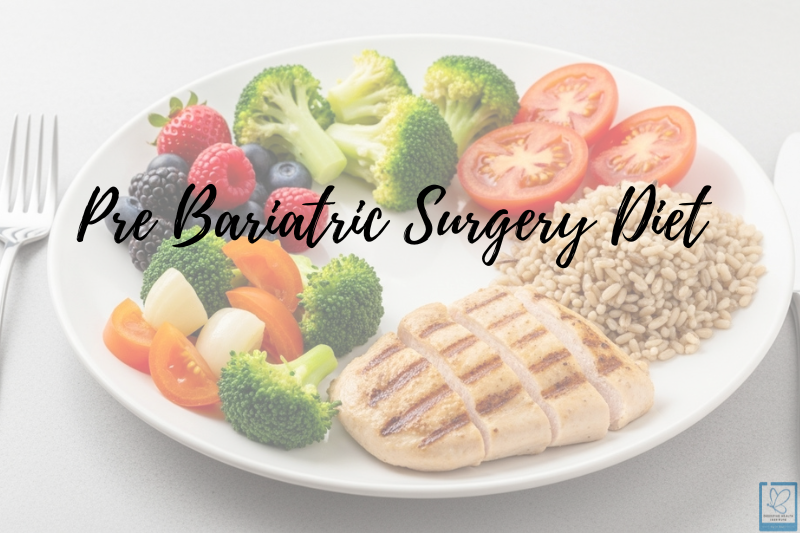
BMI Calculator +91 9820062040 | +91 8356977265 enquiry@thedigestive.in Digestive Health Institute by Dr. Muffi Home About us Dr. Muffazal Lakdawala, Founder Our Team Outreach OPD Training & Workshops Science & Magic of DHI Global Patient Program Work with DHI Eat Right Prescription Weight Management Support Emotional Wellness Rehabilitation Therapy Restorative Plastic Surgery Nutritional Supplements Obesity Support Group Test & Investigations Common FAQ’S Obesity Surgery Endoscopic-Gastric Balloon Endoscopic-Gastric Sleeve Revisional Bariatric Surgery Roux En Y Gastric Bypass SADI (malabsorptive) Sleeve Gastrectomy Sleeve + Optimal Weight Child Nutrition Lifestyle Nutrition Weight Management Gut Care Gut Reset Expert Care Diabetes Control Menopause Wellness PCOS Management Post Surgery Nutrition General Surgery General Surgery Adrenalectomy (Adrenal gland Removal) Appendectomy (Appendix Surgery) Cholecystectomy (Gallbladder Surgery) Hernia Surgery Hysterectomy (Uterus Removal Surgery) Splenectomy (Spleen Removal) VATS (Video-Assisted Thoracoscopy – Key hole Chest Surgery) GI Surgery Hydatid Cyst Removal (Liver Cyst Removal) Puestow’s Procedure (Chronic Pancreatitis Drainage Surgery) GI Oncology Gastric (Stomach) Cancer GEJ (Gastroesophageal Junction) Cancer Large Intestine Cancer (Colon & Rectum) Small Intestine Cancer (Small Bowel) Whipple’s Surgery (Pancreatic Cancer) Media & Stories Testimonials Our Health Partners Press Blogs Journal & Publication Connect Contact Us Locations Home About us Dr. Muffazal Lakdawala, Founder Our Team Outreach OPD Training & Workshops Science & Magic of DHI Global Patient Program Work with DHI Eat Right Prescription Weight Management Support Emotional Wellness Rehabilitation Therapy Restorative Plastic Surgery Nutritional Supplements Obesity Support Group Test & Investigations Common FAQ’S Obesity Surgery Endoscopic-Gastric Balloon Endoscopic-Gastric Sleeve Revisional Bariatric Surgery Roux En Y Gastric Bypass SADI (malabsorptive) Sleeve Gastrectomy Sleeve + Optimal Weight Child Nutrition Lifestyle Nutrition Weight Management Gut Care Gut Reset Expert Care Diabetes Control Menopause Wellness PCOS Management Post Surgery Nutrition General Surgery General Surgery Adrenalectomy (Adrenal gland Removal) Appendectomy (Appendix Surgery) Cholecystectomy (Gallbladder Surgery) Hernia Surgery Hysterectomy (Uterus Removal Surgery) Splenectomy (Spleen Removal) VATS (Video-Assisted Thoracoscopy – Key hole Chest Surgery) GI Surgery Hydatid Cyst Removal (Liver Cyst Removal) Puestow’s Procedure (Chronic Pancreatitis Drainage Surgery) GI Oncology Gastric (Stomach) Cancer GEJ (Gastroesophageal Junction) Cancer Large Intestine Cancer (Colon & Rectum) Small Intestine Cancer (Small Bowel) Whipple’s Surgery (Pancreatic Cancer) Media & Stories Testimonials Our Health Partners Press Blogs Journal & Publication Connect Contact Us Locations Digestive Health Institute by Dr. Muffi Home About us Dr. Muffazal Lakdawala Our Team Outreach OPD’s Training & Workshops Science & Magic of DHI Global Patient Program Work with DHI Eat Right Prescription Weight Management Optimal Weight Child Nutrition Lifestyle Nutrition Weight Management Gut Care Gut Reset Expert Care Diabetes Control Menopause Wellness PCOS Management Post Surgery Nutrition Obesity surgery Endoscopic- Gastric Balloon Endoscopic- Gastric Sleeve Revisional Bariatric Surgeries Roux En Y Gastric Bypass SADI Procedure Sleeve Gastrectomy Sleeve + Support Emotional Wellness Rehabilitation Therapy Restorative Plastic Surgery Nutritional Supplements Obesity Support Group Test & Investigations Common FAQ’S General Surgery General Surgery Adrenalectomy Appendectomy Cholecystectomy Hernia Surgery Hysterectomy Splenectomy Video-Assissted Thoracoscopy (VATS) GI Surgery Hydatid Cyst Removal Puestow’s Procedure GI Oncology Stomach Cancers GEJ (Gastroesophageal Junction) Cancer Large Intestine Cancer Small Intestine Cancer Whipple’s Surgery Media & Stories Testimonials Our Partners Press Blogs Journal & Publications Connect Contact Us Locations Home About us Dr. Muffazal Lakdawala Our Team Outreach OPD’s Training & Workshops Science & Magic of DHI Global Patient Program Work with DHI Eat Right Prescription Weight Management Optimal Weight Child Nutrition Lifestyle Nutrition Weight Management Gut Care Gut Reset Expert Care Diabetes Control Menopause Wellness PCOS Management Post Surgery Nutrition Obesity surgery Endoscopic- Gastric Balloon Endoscopic- Gastric Sleeve Revisional Bariatric Surgeries Roux En Y Gastric Bypass SADI Procedure Sleeve Gastrectomy Sleeve + Support Emotional Wellness Rehabilitation Therapy Restorative Plastic Surgery Nutritional Supplements Obesity Support Group Test & Investigations Common FAQ’S General Surgery General Surgery Adrenalectomy Appendectomy Cholecystectomy Hernia Surgery Hysterectomy Splenectomy Video-Assissted Thoracoscopy (VATS) GI Surgery Hydatid Cyst Removal Puestow’s Procedure GI Oncology Stomach Cancers GEJ (Gastroesophageal Junction) Cancer Large Intestine Cancer Small Intestine Cancer Whipple’s Surgery Media & Stories Testimonials Our Partners Press Blogs Journal & Publications Connect Contact Us Locations Pre Bariatric Surgery Diet Pre Bariatric Surgery Diet: Your Ultimate Guide for a Successful Surgery Preparing for bariatric surgery isn’t just about scheduling the procedure it’s about getting your body ready for a safe and effective surgery. One of the most critical steps is following a pre bariatric surgery diet. Whether you’re exploring a 2-week pre bariatric surgery diet, a 3-month pre bariatric surgery diet, or a bariatric surgery pre-op diet, understanding what to eat, when, and how much is essential. This guide will help you navigate pre-op nutrition, improve your surgical outcomes, and set you up for long-term weight loss success. Why a Pre Bariatric Surgery Diet Matters A bariatric pre surgery diet is more than just a weight loss plan. It prepares your body for surgery in multiple ways: Reduces Liver Size: Excess fat around the liver can make surgery more difficult. A proper diet can shrink the liver and create a safer operating environment. Promotes Weight Loss: Even losing 5–10 pounds before surgery can reduce complications. Prepares the Digestive System: Helps your stomach adjust to smaller portions and protein-focused meals. Improves Recovery: Better nutrition before surgery supports healing and reduces risks of nutrient deficiencies. Key Principles of a Pre Bariatric Surgery Diet Before diving into specific plans, keep these principles in mind: High Protein: Protein helps preserve muscle mass during weight loss and supports healing. Low Carb / Low Sugar: Reducing refined carbs and sugar helps in shrinking the liver and controlling blood sugar. Hydration: Drink plenty of water—avoid sugary drinks and sodas. Avoid Processed Foods: Cut out fried foods, baked goods, and fast foods to reduce inflammation. Portion Control: Practicing smaller portions now prepares you for post-surgery eating habits. 3-Month Pre Bariatric Surgery Diet Plan A 3-month pre bariatric surgery diet is ideal for gradual, sustainable changes. It allows your body to adjust to new habits, reduces surgical risk, and ensures nutrient sufficiency. Focus Areas Protein: Include lean meats, eggs, fish, tofu, or Greek yogurt. Aim for at least 60–80 grams of protein per day. Vegetables and Fiber: Non-starchy vegetables like broccoli, spinach,
Is Your Desk Job Hurting Your Gut?

BMI Calculator +91 9820062040 | +91 8356977265 enquiry@thedigestive.in Digestive Health Institute by Dr. Muffi Home About us Dr. Muffazal Lakdawala, Founder Our Team Outreach OPD Training & Workshops Science & Magic of DHI Global Patient Program Work with DHI Eat Right Prescription Weight Management Support Emotional Wellness Rehabilitation Therapy Restorative Plastic Surgery Nutritional Supplements Obesity Support Group Test & Investigations Common FAQ’S Obesity Surgery Endoscopic-Gastric Balloon Endoscopic-Gastric Sleeve Revisional Bariatric Surgery Roux En Y Gastric Bypass SADI (malabsorptive) Sleeve Gastrectomy Sleeve + Optimal Weight Child Nutrition Lifestyle Nutrition Weight Management Gut Care Gut Reset Expert Care Diabetes Control Menopause Wellness PCOS Management Post Surgery Nutrition General Surgery General Surgery Adrenalectomy (Adrenal gland Removal) Appendectomy (Appendix Surgery) Cholecystectomy (Gallbladder Surgery) Hernia Surgery Hysterectomy (Uterus Removal Surgery) Splenectomy (Spleen Removal) VATS (Video-Assisted Thoracoscopy – Key hole Chest Surgery) GI Surgery Hydatid Cyst Removal (Liver Cyst Removal) Puestow’s Procedure (Chronic Pancreatitis Drainage Surgery) GI Oncology Gastric (Stomach) Cancer GEJ (Gastroesophageal Junction) Cancer Large Intestine Cancer (Colon & Rectum) Small Intestine Cancer (Small Bowel) Whipple’s Surgery (Pancreatic Cancer) Media & Stories Testimonials Our Health Partners Press Blogs Journal & Publication Connect Contact Us Locations Home About us Dr. Muffazal Lakdawala, Founder Our Team Outreach OPD Training & Workshops Science & Magic of DHI Global Patient Program Work with DHI Eat Right Prescription Weight Management Support Emotional Wellness Rehabilitation Therapy Restorative Plastic Surgery Nutritional Supplements Obesity Support Group Test & Investigations Common FAQ’S Obesity Surgery Endoscopic-Gastric Balloon Endoscopic-Gastric Sleeve Revisional Bariatric Surgery Roux En Y Gastric Bypass SADI (malabsorptive) Sleeve Gastrectomy Sleeve + Optimal Weight Child Nutrition Lifestyle Nutrition Weight Management Gut Care Gut Reset Expert Care Diabetes Control Menopause Wellness PCOS Management Post Surgery Nutrition General Surgery General Surgery Adrenalectomy (Adrenal gland Removal) Appendectomy (Appendix Surgery) Cholecystectomy (Gallbladder Surgery) Hernia Surgery Hysterectomy (Uterus Removal Surgery) Splenectomy (Spleen Removal) VATS (Video-Assisted Thoracoscopy – Key hole Chest Surgery) GI Surgery Hydatid Cyst Removal (Liver Cyst Removal) Puestow’s Procedure (Chronic Pancreatitis Drainage Surgery) GI Oncology Gastric (Stomach) Cancer GEJ (Gastroesophageal Junction) Cancer Large Intestine Cancer (Colon & Rectum) Small Intestine Cancer (Small Bowel) Whipple’s Surgery (Pancreatic Cancer) Media & Stories Testimonials Our Health Partners Press Blogs Journal & Publication Connect Contact Us Locations Digestive Health Institute by Dr. Muffi Home About us Dr. Muffazal Lakdawala Our Team Outreach OPD’s Training & Workshops Science & Magic of DHI Global Patient Program Work with DHI Eat Right Prescription Weight Management Optimal Weight Child Nutrition Lifestyle Nutrition Weight Management Gut Care Gut Reset Expert Care Diabetes Control Menopause Wellness PCOS Management Post Surgery Nutrition Obesity surgery Endoscopic- Gastric Balloon Endoscopic- Gastric Sleeve Revisional Bariatric Surgeries Roux En Y Gastric Bypass SADI Procedure Sleeve Gastrectomy Sleeve + Support Emotional Wellness Rehabilitation Therapy Restorative Plastic Surgery Nutritional Supplements Obesity Support Group Test & Investigations Common FAQ’S General Surgery General Surgery Adrenalectomy Appendectomy Cholecystectomy Hernia Surgery Hysterectomy Splenectomy Video-Assissted Thoracoscopy (VATS) GI Surgery Hydatid Cyst Removal Puestow’s Procedure GI Oncology Stomach Cancers GEJ (Gastroesophageal Junction) Cancer Large Intestine Cancer Small Intestine Cancer Whipple’s Surgery Media & Stories Testimonials Our Partners Press Blogs Journal & Publications Connect Contact Us Locations Home About us Dr. Muffazal Lakdawala Our Team Outreach OPD’s Training & Workshops Science & Magic of DHI Global Patient Program Work with DHI Eat Right Prescription Weight Management Optimal Weight Child Nutrition Lifestyle Nutrition Weight Management Gut Care Gut Reset Expert Care Diabetes Control Menopause Wellness PCOS Management Post Surgery Nutrition Obesity surgery Endoscopic- Gastric Balloon Endoscopic- Gastric Sleeve Revisional Bariatric Surgeries Roux En Y Gastric Bypass SADI Procedure Sleeve Gastrectomy Sleeve + Support Emotional Wellness Rehabilitation Therapy Restorative Plastic Surgery Nutritional Supplements Obesity Support Group Test & Investigations Common FAQ’S General Surgery General Surgery Adrenalectomy Appendectomy Cholecystectomy Hernia Surgery Hysterectomy Splenectomy Video-Assissted Thoracoscopy (VATS) GI Surgery Hydatid Cyst Removal Puestow’s Procedure GI Oncology Stomach Cancers GEJ (Gastroesophageal Junction) Cancer Large Intestine Cancer Small Intestine Cancer Whipple’s Surgery Media & Stories Testimonials Our Partners Press Blogs Journal & Publications Connect Contact Us Locations Is your desk job hurting your gut Is your desk job hurting your gut? 5 hidden colon cancer risks. Most of us spend at least eight hours a day tethered to a chair. We worry about our backs and our posture, but we rarely consider what all that sitting is doing to our internal health. While doctors always tell us to “eat more fiber,” there are several other hidden factors—from your office habits to your bedtime routine—that play a massive role in your colorectal cancer risk. If you want to protect your gut, it’s time to look beyond the salad bowl. Here are 5 surprising, science-backed ways to lower your risk that have nothing to do with your fiber intake. 1. Optimize Your Vitamin D Levels We often associate Vitamin D with bone health or “the sunshine vitamin,” but research suggests it plays a massive role in colon health. Low levels of Vitamin D have been linked to an increased risk of colorectal tumors. The Surprise: It’s not just about being outside; many of us are chronically deficient due to indoor lifestyles. Action Step: Ask your doctor for a simple blood test to check your levels. You might need a supplement, especially during winter months. 2. Prioritize “Sleep Hygiene” It sounds strange—how does sleep affect your colon? It comes down to melatonin. Melatonin is a powerful antioxidant that helps regulate cell regeneration. Chronic sleep deprivation or working night shifts can disrupt your circadian rhythm, which has been linked to higher rates of digestive cancers. The Surprise: A dark room and 7–8 hours of shut-eye act as a nightly “repair shop” for your DNA. 3. Reach for the Turmeric (and Black Pepper) Your spice rack might be your best defense. Curcumin, the active compound in turmeric, has been studied extensively for its ability to reduce inflammation in the digestive tract and potentially shrink precancerous polyps. The Surprise: Curcumin is hard for the body to absorb on its own. Pairing it with black pepper increases its absorption by up to 2,000%. 4. Watch Your “Sitting Time” You might hit