
Digestive Health Institute
by Dr. Muffi

Digestive Health Institute
by Dr. Muffi
Yoga for diabetes control

Yoga for Diabetes Control: A Natural Approach to Better Blood Sugar Management
Living with diabetes requires consistent lifestyle management, including proper nutrition, physical activity, stress control, and medical supervision. Among complementary approaches, yoga for diabetes control has gained increasing attention for its role in supporting blood sugar regulation, improving insulin sensitivity, and enhancing overall metabolic health.
This article explains how yoga for diabetes control works, its physiological benefits, recommended practices, and how it fits into a structured diabetes management plan. The information is intended to raise awareness and support informed decision-making, not replace medical treatment.
Understanding Diabetes and Blood Sugar Regulation
Diabetes mellitus is a chronic metabolic condition characterized by elevated blood glucose levels. It occurs due to inadequate insulin production, impaired insulin action, or both. Over time, uncontrolled blood sugar can affect the heart, kidneys, eyes, nerves, and blood vessels.
Effective diabetes management focuses on:
- Maintaining stable blood glucose levels
- Improving insulin sensitivity
- Reducing inflammation
- Managing body weight
- Minimizing long-term complications
Alongside medical care, lifestyle-based strategies such as yoga for diabetes control can play a supportive role.
How Yoga for Diabetes Control Supports Metabolic Health
1. Improves Insulin Sensitivity
Regular yoga practice helps muscles utilize glucose more efficiently. This improved glucose uptake can reduce insulin resistance, particularly in individuals with type 2 diabetes. Over time, yoga for diabetes control may help stabilize fasting and post-meal blood sugar levels.
2. Reduces Stress-Related Blood Sugar Spikes
3. Supports Weight Management
Excess body weight is a key contributor to insulin resistance. When combined with dietary guidance, diabetes management yoga supports gradual, sustainable weight control, which directly improves blood sugar regulation.
Scientific Basis of Yoga for Blood Sugar Control
Several clinical studies suggest that yoga for blood sugar control can:
- Lower fasting blood glucose
- Improve HbA1c levels
- Enhance lipid profiles
- Reduce oxidative stress
These effects are attributed to improved pancreatic function, better muscle glucose uptake, reduced inflammation, and improved autonomic nervous system balance. While yoga is not a cure, its role in diabetes management yoga is increasingly supported by evidence.
Best Yoga Practices for Diabetes Control
Yoga Poses for Diabetes
Certain asanas are traditionally associated with metabolic stimulation and abdominal organ activation. Commonly recommended yoga poses for diabetes include:
Seated forward bends
Gentle spinal twists
Supine relaxation postures
Controlled standing poses
These poses support digestion, circulation, and insulin action when practiced consistently.
Breathing Techniques (Pranayama)
Breath regulation is a key component of yoga for diabetes control. Practices such as slow, rhythmic breathing help reduce stress hormones and improve oxygen delivery to tissues, indirectly supporting glucose metabolism.
Meditation and Mindfulness
Mindfulness-based practices included in diabetes management yoga improve emotional regulation and reduce stress-induced eating behaviors, which can otherwise worsen blood sugar fluctuations.
Yoga for Diabetes Control in Type 1 vs Type 2 Diabetes
Type 2 Diabetes
The strongest evidence for yoga for diabetes control exists in type 2 diabetes. Improvements are often seen in insulin sensitivity, body composition, and long-term glucose markers when yoga is practiced regularly.
Type 1 Diabetes
In type 1 diabetes, yoga for blood sugar control primarily supports stress management, flexibility, circulation, and emotional well-being. Blood glucose monitoring remains essential, especially around physical activity.
How Often Should Yoga Be Practiced for Diabetes Management?
For measurable benefits, most studies recommend:
- 30–45 minutes per session
- At least 4–5 days per week
- A combination of postures, breathing, and relaxation
Consistency is more important than intensity. Long-term adherence to yoga for diabetes control leads to better metabolic outcomes than sporadic practice.
Safety Considerations Before Starting Yoga
While yoga for diabetes control is generally safe, certain precautions are important:
- Monitor blood sugar before and after sessions
- Avoid strenuous poses if experiencing neuropathy or joint problems
- Stay hydrated
- Practice under professional guidance if complications exist
Yoga should complement, not replace, medical treatment, medications, or dietary plans prescribed by healthcare professionals.
Yoga for Diabetes Control as Part of a Holistic Plan
Effective diabetes management involves a multi-dimensional approach. Yoga for diabetes control works best when combined with:
- Medical supervision
- Balanced nutrition
- Regular physical activity
- Adequate sleep
- Stress management
This integrated strategy improves long-term outcomes and reduces the risk of diabetes-related complications.
Common Myths About Yoga and Diabetes
Myth 1: Yoga Can Replace Medication
Yoga supports metabolic health but does not replace prescribed diabetes medications.
Myth 2: Only Advanced Yoga Is Effective
Simple, consistent practices are sufficient for diabetes management yoga benefits.
Myth 3: Yoga Works Instantly
Like any lifestyle intervention, yoga for diabetes control requires time, consistency, and monitoring.
Conclusion
Yoga for diabetes control is a scientifically supported, low-impact lifestyle intervention that complements conventional diabetes management. Through improved insulin sensitivity, stress reduction, and metabolic balance, yoga contributes to better blood sugar regulation and overall well-being.
While yoga is not a standalone treatment, its integration into a structured care plan empowers individuals to take an active role in managing diabetes safely and sustainably.
FAQs: Yoga for diabetes control
How long does it take to see results with yoga for diabetes control?
Is yoga suitable for elderly diabetic patients?
Can yoga prevent diabetes complications?
Should I check blood sugar before and after yoga?
Does yoga help with diabetes-related stress and anxiety?
-
 Difference Between Weight Loss and Fat Loss
 -
 Can I Go Back to Work 2 Weeks After a Hysterectomy?
 -
 why am i bleeding 10 years after a hysterectomy
 -
 Pain in Right Side 2 Years After Gallbladder Removal
 -
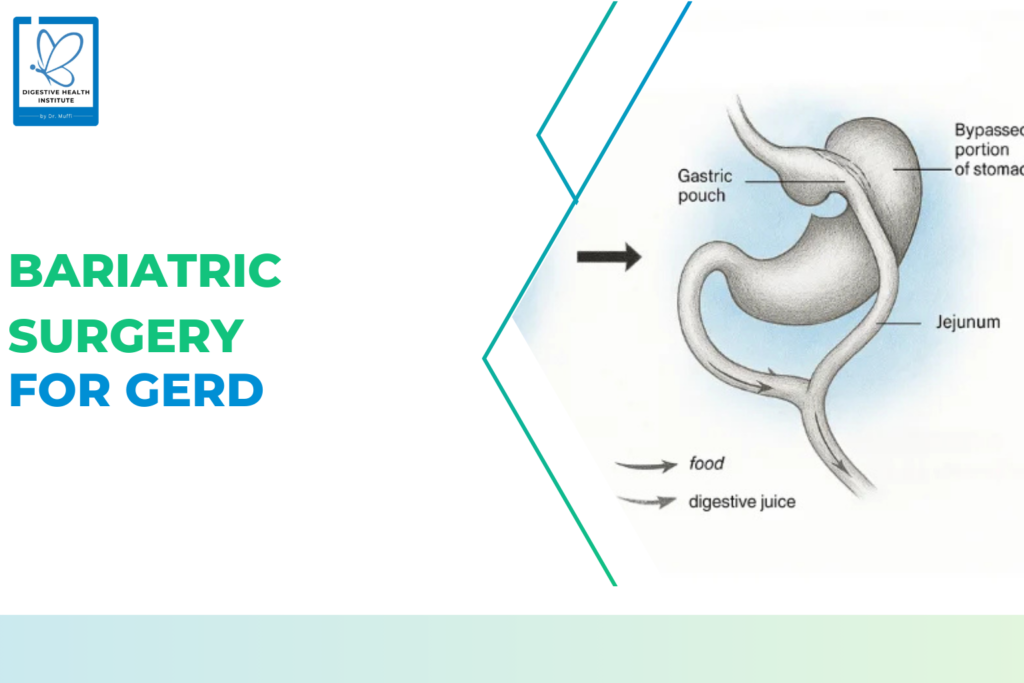 Bariatric Surgery for GERD
 -
 Does Diarrhea Cause Weight Loss
 -
 How Many Steps to Lose 1kg?
 -
 Weight Loss ICD-10