Digestive Health Institute
by Dr. Muffi
Digestive Health Institute
by Dr. Muffi
Pre Bariatric Surgery Diet
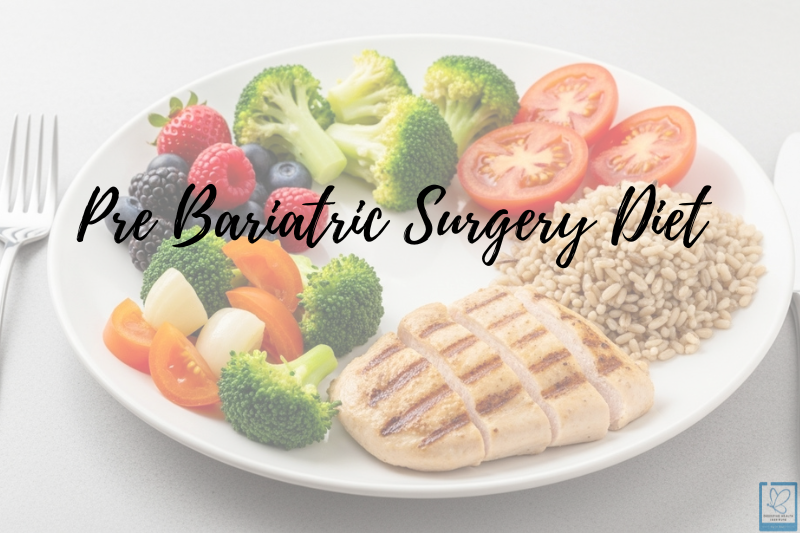
Pre Bariatric Surgery Diet: Your Ultimate Guide for a Successful Surgery
Preparing for bariatric surgery isn’t just about scheduling the procedure it’s about getting your body ready for a safe and effective surgery. One of the most critical steps is following a pre bariatric surgery diet.
Whether you’re exploring a 2-week pre bariatric surgery diet, a 3-month pre bariatric surgery diet, or a bariatric surgery pre-op diet, understanding what to eat, when, and how much is essential. This guide will help you navigate pre-op nutrition, improve your surgical outcomes, and set you up for long-term weight loss success.
Why a Pre Bariatric Surgery Diet Matters
A bariatric pre surgery diet is more than just a weight loss plan. It prepares your body for surgery in multiple ways:
Reduces Liver Size: Excess fat around the liver can make surgery more difficult. A proper diet can shrink the liver and create a safer operating environment.
Promotes Weight Loss: Even losing 5–10 pounds before surgery can reduce complications.
Prepares the Digestive System: Helps your stomach adjust to smaller portions and protein-focused meals.
Improves Recovery: Better nutrition before surgery supports healing and reduces risks of nutrient deficiencies.
Key Principles of a Pre Bariatric Surgery Diet
Before diving into specific plans, keep these principles in mind:
High Protein: Protein helps preserve muscle mass during weight loss and supports healing.
Low Carb / Low Sugar: Reducing refined carbs and sugar helps in shrinking the liver and controlling blood sugar.
Hydration: Drink plenty of water—avoid sugary drinks and sodas.
Avoid Processed Foods: Cut out fried foods, baked goods, and fast foods to reduce inflammation.
Portion Control: Practicing smaller portions now prepares you for post-surgery eating habits.
3-Month Pre Bariatric Surgery Diet Plan
A 3-month pre bariatric surgery diet is ideal for gradual, sustainable changes. It allows your body to adjust to new habits, reduces surgical risk, and ensures nutrient sufficiency.
Focus Areas
Protein: Include lean meats, eggs, fish, tofu, or Greek yogurt. Aim for at least 60–80 grams of protein per day.
Vegetables and Fiber: Non-starchy vegetables like broccoli, spinach, zucchini, and cauliflower improve digestion and keep you full.
Healthy Fats: Avocado, nuts, olive oil, and fatty fish support overall health.
Avoid Added Sugars: Sugary drinks, desserts, and candies can stall weight loss and affect blood sugar.
Sample 3-Month Pre-Op Daily Plan
Breakfast: Veggie omelet with a slice of whole-grain toast
Morning Snack: Greek yogurt with a handful of almonds
Lunch: Grilled chicken salad with olive oil dressing
Afternoon Snack: Protein shake or cottage cheese
Dinner: Baked salmon with steamed vegetables
Tips
Track calories and protein intake using apps like MyFitnessPal.
Gradually reduce portion sizes to practice pre-surgery eating habits.
Include at least 30 minutes of light exercise daily to boost metabolism.
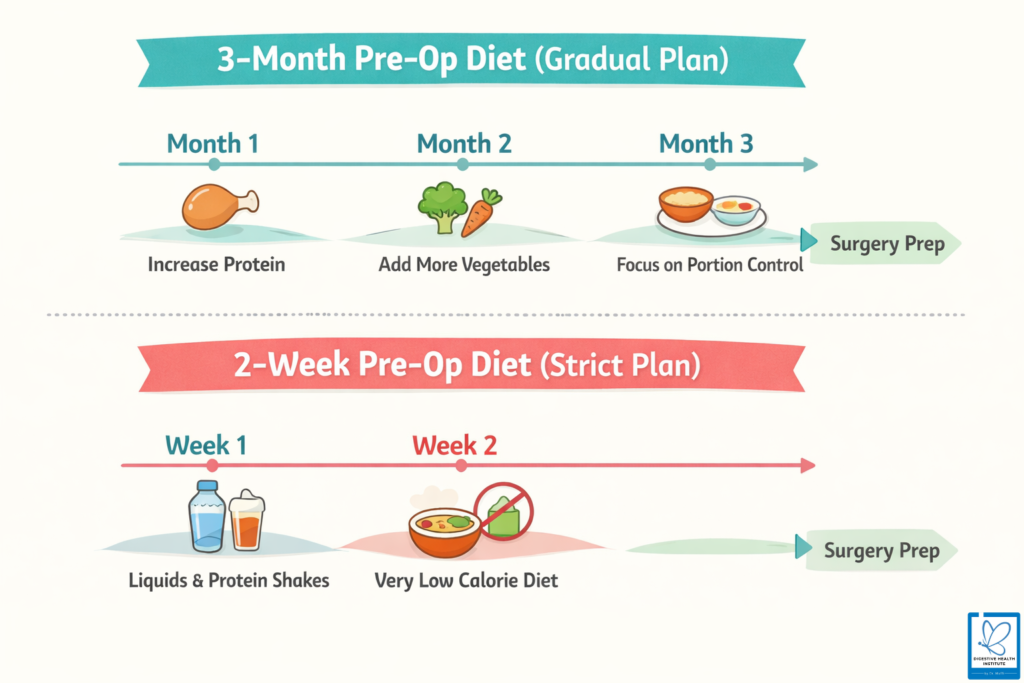
2-Week Pre Bariatric Surgery Diet
In the 2-week pre bariatric surgery diet, your focus shifts to liver shrinkage and . Many surgeons recommend a very low-calorie, high-protein, low-carb plan.
What to Include
Lean Proteins: Chicken, turkey, fish, eggs, and protein shakes.
Non-Starchy Vegetables: Broccoli, spinach, kale, zucchini.
Liquids and Soups: Clear broths, low-sugar protein shakes, and smoothies.
Foods to Avoid
Starchy foods: Bread, pasta, rice, and potatoes
Sugary drinks and desserts
Fried or fatty foods
Carbonated beverages that cause bloating
Sample 2-Week Pre-Op Daily Plan
Week 1:
Breakfast: Scrambled eggs with spinach
Snack: Greek yogurt
Lunch: Grilled fish and steamed vegetables
Snack: Protein shake
Dinner: Chicken breast with green salad
Week 2:
Breakfast: Clear broth or sugar-free protein shake
Snack: Soft boiled egg or smoothie
Lunch: Blended vegetable soup
Snack: Low-fat Greek yogurt
Dinner: Protein shake or steamed fish
Always follow your surgeon or dietitian’s guidance. Some patients may require a stricter liquid diet in the final days before surgery.
Lifestyle Tips Alongside Pre Bariatric Surgery Diet
Hydration: Drink at least 8–10 glasses of water daily.
Exercise: Engage in light activities like walking or stretching to maintain muscle and circulation.
Sleep: Adequate rest supports weight loss and recovery.
Avoid Alcohol and Smoking: Both can increase surgical risk and hinder recovery.
Plan Ahead: Stock up on pre-op friendly foods and plan meals to avoid temptation.
Conclusion
A pre bariatric surgery diet is a crucial step in your weight loss journey. Following a 3-month plan allows gradual adaptation and nutrient sufficiency, while a 2-week pre-op diet prepares your body for surgery and reduces complications.
Consistency, high-protein meals, hydration, and professional guidance are key to achieving the best results. Your pre-op diet not only supports a safe surgical procedure but also sets the foundation for long-term success after bariatric surgery.
Preparing your body today can make your weight loss journey smoother, safer, and more effective tomorrow. Start your pre bariatric diet with guidance and confidence!
FAQs About Pre Bariatric Surgery Diet
Q1: Can I drink coffee or tea before surgery?
Yes, but without high-calorie creamers or sugar. Green tea or black coffee is preferred.
Q2: How much protein should I consume daily?
Aim for 60–80 grams per day, adjusted by your dietitian based on weight and surgery type.
Q3: Do I need a liquid diet before surgery?
Many patients follow a liquid diet in the final days to shrink the liver and reduce surgical complications.
Q4: Can I exercise while on the pre-op diet?
Yes, light exercise like walking is encouraged. Avoid intense workouts unless cleared by your doctor.
Q5: How long should I follow the pre-op diet?
Depending on your plan, it may range from 2 weeks to 3 months. Longer plans allow safer, gradual changes.
Q6: Can I take vitamins or supplements before bariatric surgery?
Yes, but only those approved by your surgeon or dietitian. Pre-surgery supplements often include multivitamins, iron, calcium, and vitamin D, which help prevent deficiencies before and after surgery. Avoid any unapproved weight loss or herbal supplements.
Q7: What if I struggle to stick to the pre bariatric surgery diet?
It’s common to face challenges, especially with cravings or portion control. Strategies include:
Meal prepping to avoid unhealthy choices
Using protein shakes as convenient meal replacements
Seeking support from a dietitian or support group
Remember, even partial compliance improves surgical safety and results.
-
 Difference Between Weight Loss and Fat Loss
 -
 Can I Go Back to Work 2 Weeks After a Hysterectomy?
 -
 why am i bleeding 10 years after a hysterectomy
 -
 Pain in Right Side 2 Years After Gallbladder Removal
 -
 Bariatric Surgery for GERD
 -
 Does Diarrhea Cause Weight Loss
 -
 How Many Steps to Lose 1kg?
 -
 Weight Loss ICD-10