Thirst vs Hunger: How Dehydration Leads to Overeating
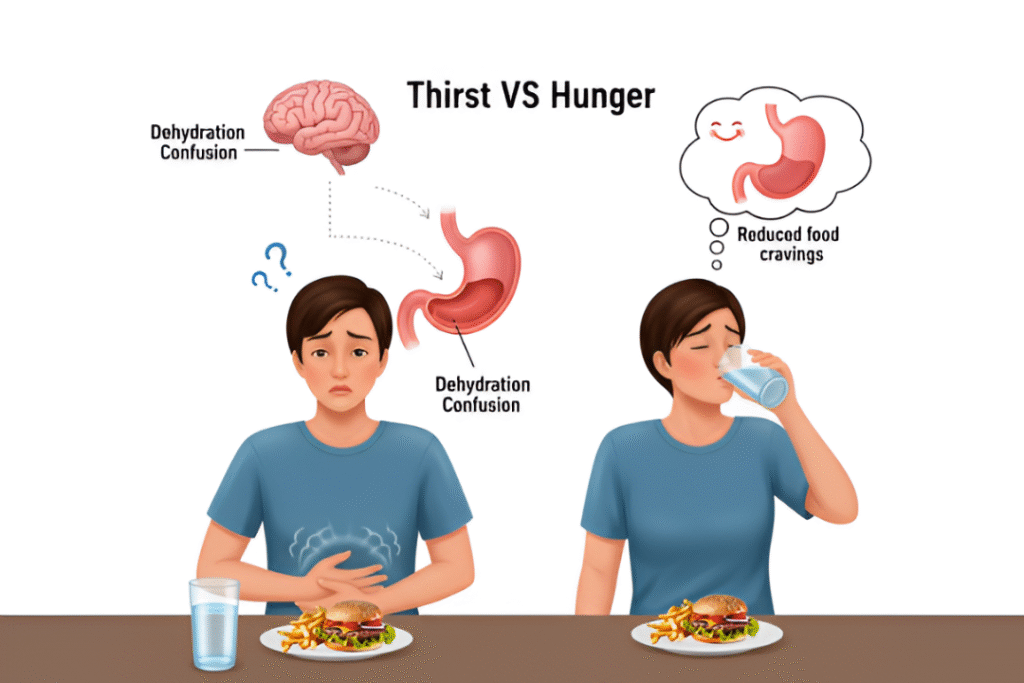
BMI Calculator +91 9820062040 | +91 8356977265 enquiry@thedigestive.in Digestive Health Institute by Dr. Muffi Home About us Dr. Muffazal Lakdawala, Founder Our Team Outreach OPD Training & Workshops Science & Magic of DHI Global Patient Program Work with DHI Eat Right Prescription Weight Management Support Emotional Wellness Rehabilitation Therapy Restorative Plastic Surgery Nutritional Supplements Obesity Support Group Test & Investigations Common FAQ’S Obesity Surgery Endoscopic-Gastric Balloon Endoscopic-Gastric Sleeve Revisional Bariatric Surgery Roux En Y Gastric Bypass SADI (malabsorptive) Sleeve Gastrectomy Sleeve + Optimal Weight Child Nutrition Lifestyle Nutrition Weight Management Gut Care Gut Reset Expert Care Diabetes Control Menopause Wellness PCOS Management Post Surgery Nutrition General Surgery General Surgery Adrenalectomy (Adrenal gland Removal) Appendectomy (Appendix Surgery) Cholecystectomy (Gallbladder Surgery) Hernia Surgery Hysterectomy (Uterus Removal Surgery) Splenectomy (Spleen Removal) VATS (Video-Assisted Thoracoscopy – Key hole Chest Surgery) GI Surgery Hydatid Cyst Removal (Liver Cyst Removal) Puestow’s Procedure (Chronic Pancreatitis Drainage Surgery) GI Oncology Gastric (Stomach) Cancer GEJ (Gastroesophageal Junction) Cancer Large Intestine Cancer (Colon & Rectum) Small Intestine Cancer (Small Bowel) Whipple’s Surgery (Pancreatic Cancer) Media & Stories Testimonials Our Health Partners Press Blogs Journal & Publication Connect Contact Us Locations Home About us Dr. Muffazal Lakdawala, Founder Our Team Outreach OPD Training & Workshops Science & Magic of DHI Global Patient Program Work with DHI Eat Right Prescription Weight Management Support Emotional Wellness Rehabilitation Therapy Restorative Plastic Surgery Nutritional Supplements Obesity Support Group Test & Investigations Common FAQ’S Obesity Surgery Endoscopic-Gastric Balloon Endoscopic-Gastric Sleeve Revisional Bariatric Surgery Roux En Y Gastric Bypass SADI (malabsorptive) Sleeve Gastrectomy Sleeve + Optimal Weight Child Nutrition Lifestyle Nutrition Weight Management Gut Care Gut Reset Expert Care Diabetes Control Menopause Wellness PCOS Management Post Surgery Nutrition General Surgery General Surgery Adrenalectomy (Adrenal gland Removal) Appendectomy (Appendix Surgery) Cholecystectomy (Gallbladder Surgery) Hernia Surgery Hysterectomy (Uterus Removal Surgery) Splenectomy (Spleen Removal) VATS (Video-Assisted Thoracoscopy – Key hole Chest Surgery) GI Surgery Hydatid Cyst Removal (Liver Cyst Removal) Puestow’s Procedure (Chronic Pancreatitis Drainage Surgery) GI Oncology Gastric (Stomach) Cancer GEJ (Gastroesophageal Junction) Cancer Large Intestine Cancer (Colon & Rectum) Small Intestine Cancer (Small Bowel) Whipple’s Surgery (Pancreatic Cancer) Media & Stories Testimonials Our Health Partners Press Blogs Journal & Publication Connect Contact Us Locations Digestive Health Institute by Dr. Muffi Home About us Dr. Muffazal Lakdawala Our Team Outreach OPD’s Training & Workshops Science & Magic of DHI Global Patient Program Work with DHI Eat Right Prescription Weight Management Optimal Weight Child Nutrition Lifestyle Nutrition Weight Management Gut Care Gut Reset Expert Care Diabetes Control Menopause Wellness PCOS Management Post Surgery Nutrition Obesity surgery Endoscopic- Gastric Balloon Endoscopic- Gastric Sleeve Revisional Bariatric Surgeries Roux En Y Gastric Bypass SADI Procedure Sleeve Gastrectomy Sleeve + Support Emotional Wellness Rehabilitation Therapy Restorative Plastic Surgery Nutritional Supplements Obesity Support Group Test & Investigations Common FAQ’S General Surgery General Surgery Adrenalectomy Appendectomy Cholecystectomy Hernia Surgery Hysterectomy Splenectomy Video-Assissted Thoracoscopy (VATS) GI Surgery Hydatid Cyst Removal Puestow’s Procedure GI Oncology Stomach Cancers GEJ (Gastroesophageal Junction) Cancer Large Intestine Cancer Small Intestine Cancer Whipple’s Surgery Media & Stories Testimonials Our Partners Press Blogs Journal & Publications Connect Contact Us Locations Home About us Dr. Muffazal Lakdawala Our Team Outreach OPD’s Training & Workshops Science & Magic of DHI Global Patient Program Work with DHI Eat Right Prescription Weight Management Optimal Weight Child Nutrition Lifestyle Nutrition Weight Management Gut Care Gut Reset Expert Care Diabetes Control Menopause Wellness PCOS Management Post Surgery Nutrition Obesity surgery Endoscopic- Gastric Balloon Endoscopic- Gastric Sleeve Revisional Bariatric Surgeries Roux En Y Gastric Bypass SADI Procedure Sleeve Gastrectomy Sleeve + Support Emotional Wellness Rehabilitation Therapy Restorative Plastic Surgery Nutritional Supplements Obesity Support Group Test & Investigations Common FAQ’S General Surgery General Surgery Adrenalectomy Appendectomy Cholecystectomy Hernia Surgery Hysterectomy Splenectomy Video-Assissted Thoracoscopy (VATS) GI Surgery Hydatid Cyst Removal Puestow’s Procedure GI Oncology Stomach Cancers GEJ (Gastroesophageal Junction) Cancer Large Intestine Cancer Small Intestine Cancer Whipple’s Surgery Media & Stories Testimonials Our Partners Press Blogs Journal & Publications Connect Contact Us Locations Thirst vs Hunger: How Dehydration Leads to Overeating Thirst vs. Hunger – A Costly Confusion Many people start their health journey focusing on calories, carbs, and workout routines — but forget to check something much more basic: hydration. Believe it or not, a simple glass of water might be the key to unlocking your weight loss potential. Confusing thirst for hunger is a common mistake that can lead to unnecessary snacking, excess calorie intake, and ultimately — obesity. This confusion is more than a bad habit; it’s a physiological trap that even the most health-conscious individuals can fall into. In this blog, we’ll explore: Why dehydration is often mistaken for hunger How this leads to weight gain The science behind hydration and metabolism The benefits of protein water (like Soulfuel Orange) Why this matters before and after bariatric surgery Let’s dive in. The Science: Why We Mistake Thirst for Hunger Your body’s thirst and hunger signals are both controlled by a part of the brain called the hypothalamus. When you’re even mildly dehydrated, the hypothalamus can misinterpret thirst cues as hunger, making you reach for a snack when what your body really needs is fluids. – What Happens When You’re Dehydrated: Your body craves something to replenish energy → food is the easiest go-to. Brain fog and irritability rise → leading to emotional eating. Your mouth feels dry → and chewing sounds like a fix, so you eat. You feel tired → but instead of drinking water, you reach for sugar-laden snacks or caffeine. This chain reaction creates a caloric surplus over time, leading to weight gain and even obesity — especially when combined with a sedentary lifestyle. Dehydration and Obesity: The Hidden Connection The relationship between dehydration and obesity isn’t just anecdotal. Research has shown that: People who are well-hydrated have better control over their appetite. Mild dehydration can reduce cognitive performance, leading to emotional eating. Irritability and stress eating increase when the body is dehydrated. – A Dangerous Cycle: You feel hungry — but it’s thirst. You snack unnecessarily. You gain weight. Obesity increases your
The Role of High-Fiber Foods in Managing Hunger and Preventing Overeating
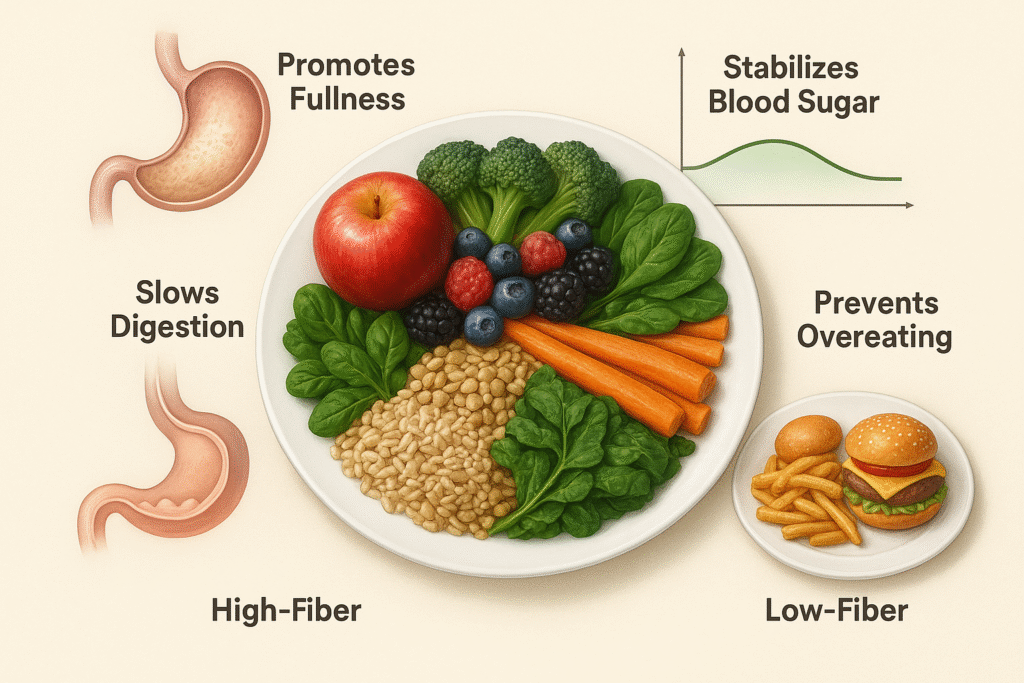
BMI Calculator +91 9820062040 | +91 8356977265 enquiry@thedigestive.in Digestive Health Institute by Dr. Muffi Home About us Dr. Muffazal Lakdawala, Founder Our Team Outreach OPD Training & Workshops Science & Magic of DHI Global Patient Program Work with DHI Eat Right Prescription Weight Management Support Emotional Wellness Rehabilitation Therapy Restorative Plastic Surgery Nutritional Supplements Obesity Support Group Test & Investigations Common FAQ’S Obesity Surgery Endoscopic-Gastric Balloon Endoscopic-Gastric Sleeve Revisional Bariatric Surgery Roux En Y Gastric Bypass SADI (malabsorptive) Sleeve Gastrectomy Sleeve + Optimal Weight Child Nutrition Lifestyle Nutrition Weight Management Gut Care Gut Reset Expert Care Diabetes Control Menopause Wellness PCOS Management Post Surgery Nutrition General Surgery General Surgery Adrenalectomy (Adrenal gland Removal) Appendectomy (Appendix Surgery) Cholecystectomy (Gallbladder Surgery) Hernia Surgery Hysterectomy (Uterus Removal Surgery) Splenectomy (Spleen Removal) VATS (Video-Assisted Thoracoscopy – Key hole Chest Surgery) GI Surgery Hydatid Cyst Removal (Liver Cyst Removal) Puestow’s Procedure (Chronic Pancreatitis Drainage Surgery) GI Oncology Gastric (Stomach) Cancer GEJ (Gastroesophageal Junction) Cancer Large Intestine Cancer (Colon & Rectum) Small Intestine Cancer (Small Bowel) Whipple’s Surgery (Pancreatic Cancer) Media & Stories Testimonials Our Health Partners Press Blogs Journal & Publication Connect Contact Us Locations Home About us Dr. Muffazal Lakdawala, Founder Our Team Outreach OPD Training & Workshops Science & Magic of DHI Global Patient Program Work with DHI Eat Right Prescription Weight Management Support Emotional Wellness Rehabilitation Therapy Restorative Plastic Surgery Nutritional Supplements Obesity Support Group Test & Investigations Common FAQ’S Obesity Surgery Endoscopic-Gastric Balloon Endoscopic-Gastric Sleeve Revisional Bariatric Surgery Roux En Y Gastric Bypass SADI (malabsorptive) Sleeve Gastrectomy Sleeve + Optimal Weight Child Nutrition Lifestyle Nutrition Weight Management Gut Care Gut Reset Expert Care Diabetes Control Menopause Wellness PCOS Management Post Surgery Nutrition General Surgery General Surgery Adrenalectomy (Adrenal gland Removal) Appendectomy (Appendix Surgery) Cholecystectomy (Gallbladder Surgery) Hernia Surgery Hysterectomy (Uterus Removal Surgery) Splenectomy (Spleen Removal) VATS (Video-Assisted Thoracoscopy – Key hole Chest Surgery) GI Surgery Hydatid Cyst Removal (Liver Cyst Removal) Puestow’s Procedure (Chronic Pancreatitis Drainage Surgery) GI Oncology Gastric (Stomach) Cancer GEJ (Gastroesophageal Junction) Cancer Large Intestine Cancer (Colon & Rectum) Small Intestine Cancer (Small Bowel) Whipple’s Surgery (Pancreatic Cancer) Media & Stories Testimonials Our Health Partners Press Blogs Journal & Publication Connect Contact Us Locations Digestive Health Institute by Dr. Muffi Home About us Dr. Muffazal Lakdawala Our Team Outreach OPD’s Training & Workshops Science & Magic of DHI Global Patient Program Work with DHI Eat Right Prescription Weight Management Optimal Weight Child Nutrition Lifestyle Nutrition Weight Management Gut Care Gut Reset Expert Care Diabetes Control Menopause Wellness PCOS Management Post Surgery Nutrition Obesity surgery Endoscopic- Gastric Balloon Endoscopic- Gastric Sleeve Revisional Bariatric Surgeries Roux En Y Gastric Bypass SADI Procedure Sleeve Gastrectomy Sleeve + Support Emotional Wellness Rehabilitation Therapy Restorative Plastic Surgery Nutritional Supplements Obesity Support Group Test & Investigations Common FAQ’S General Surgery General Surgery Adrenalectomy Appendectomy Cholecystectomy Hernia Surgery Hysterectomy Splenectomy Video-Assissted Thoracoscopy (VATS) GI Surgery Hydatid Cyst Removal Puestow’s Procedure GI Oncology Stomach Cancers GEJ (Gastroesophageal Junction) Cancer Large Intestine Cancer Small Intestine Cancer Whipple’s Surgery Media & Stories Testimonials Our Partners Press Blogs Journal & Publications Connect Contact Us Locations Home About us Dr. Muffazal Lakdawala Our Team Outreach OPD’s Training & Workshops Science & Magic of DHI Global Patient Program Work with DHI Eat Right Prescription Weight Management Optimal Weight Child Nutrition Lifestyle Nutrition Weight Management Gut Care Gut Reset Expert Care Diabetes Control Menopause Wellness PCOS Management Post Surgery Nutrition Obesity surgery Endoscopic- Gastric Balloon Endoscopic- Gastric Sleeve Revisional Bariatric Surgeries Roux En Y Gastric Bypass SADI Procedure Sleeve Gastrectomy Sleeve + Support Emotional Wellness Rehabilitation Therapy Restorative Plastic Surgery Nutritional Supplements Obesity Support Group Test & Investigations Common FAQ’S General Surgery General Surgery Adrenalectomy Appendectomy Cholecystectomy Hernia Surgery Hysterectomy Splenectomy Video-Assissted Thoracoscopy (VATS) GI Surgery Hydatid Cyst Removal Puestow’s Procedure GI Oncology Stomach Cancers GEJ (Gastroesophageal Junction) Cancer Large Intestine Cancer Small Intestine Cancer Whipple’s Surgery Media & Stories Testimonials Our Partners Press Blogs Journal & Publications Connect Contact Us Locations The Role of High-Fiber Foods in Managing Hunger and Preventing Overeating In the age of fast food, fad diets, and ultra-processed meals, one simple yet powerful dietary component often gets overlooked—fiber. While it’s not glamorous or trending on social media, fiber plays a crucial role in managing hunger, promoting satiety, and preventing overeating. For individuals trying to lose weight, regulate blood sugar, or simply eat more mindfully, increasing dietary fiber can be a sustainable strategy. This blog dives deep into the science, benefits, and practical ways to integrate high-fiber foods into everyday meals. What is Dietary Fiber? Dietary fiber is a type of carbohydrate found in plant-based foods. Unlike other carbs, fiber isn’t digested or absorbed by the body. Instead, it passes relatively intact through your stomach, small intestine, and colon. – Types of Fiber Soluble Fiber – Dissolves in water to form a gel-like substance. Helps slow digestion and is excellent for blood sugar control. Found in: Oats, legumes, apples, berries, carrots, citrus fruits. Insoluble Fiber – Adds bulk to stool and helps food pass more quickly through the stomach and intestines. Found in: Whole grains, wheat bran, nuts, seeds, and vegetables like cauliflower and green beans. How Fiber Helps Manage Hunger – Slows Down Digestion Soluble fiber forms a viscous gel in the gut, which slows the digestion of food and the absorption of nutrients. This leads to a prolonged feeling of fullness, reducing the urge to eat frequently. – Reduces Appetite Hormones Several studies show that a high-fiber meal can reduce levels of ghrelin, the hormone that signals hunger to the brain, and increase peptide YY and GLP-1, which signal satiety. – Increases Chewing Time High-fiber foods often require more chewing, which can: Promote mindfulness during eating Allow time for satiety signals to reach the brain Reduce the likelihood of overeating – Adds Volume Without Calories Fiber-rich foods are generally lower in energy density (calories per gram). You can eat larger volumes without consuming too many calories. Scientific Evidence Supporting Fiber’s Role in Satiety – Clinical Studies In dietary counseling, patients
Why Do People Regain Weight After Weight Loss Surgery?
BMI Calculator +91 9820062040 | +91 8356977265 enquiry@thedigestive.in Digestive Health Institute by Dr. Muffi Home About us Dr. Muffazal Lakdawala, Founder Our Team Outreach OPD Training & Workshops Science & Magic of DHI Global Patient Program Work with DHI Eat Right Prescription Weight Management Support Emotional Wellness Rehabilitation Therapy Restorative Plastic Surgery Nutritional Supplements Obesity Support Group Test & Investigations Common FAQ’S Obesity Surgery Endoscopic-Gastric Balloon Endoscopic-Gastric Sleeve Revisional Bariatric Surgery Roux En Y Gastric Bypass SADI (malabsorptive) Sleeve Gastrectomy Sleeve + Optimal Weight Child Nutrition Lifestyle Nutrition Weight Management Gut Care Gut Reset Expert Care Diabetes Control Menopause Wellness PCOS Management Post Surgery Nutrition General Surgery General Surgery Adrenalectomy (Adrenal gland Removal) Appendectomy (Appendix Surgery) Cholecystectomy (Gallbladder Surgery) Hernia Surgery Hysterectomy (Uterus Removal Surgery) Splenectomy (Spleen Removal) VATS (Video-Assisted Thoracoscopy – Key hole Chest Surgery) GI Surgery Hydatid Cyst Removal (Liver Cyst Removal) Puestow’s Procedure (Chronic Pancreatitis Drainage Surgery) GI Oncology Gastric (Stomach) Cancer GEJ (Gastroesophageal Junction) Cancer Large Intestine Cancer (Colon & Rectum) Small Intestine Cancer (Small Bowel) Whipple’s Surgery (Pancreatic Cancer) Media & Stories Testimonials Our Health Partners Press Blogs Journal & Publication Connect Contact Us Locations Home About us Dr. Muffazal Lakdawala, Founder Our Team Outreach OPD Training & Workshops Science & Magic of DHI Global Patient Program Work with DHI Eat Right Prescription Weight Management Support Emotional Wellness Rehabilitation Therapy Restorative Plastic Surgery Nutritional Supplements Obesity Support Group Test & Investigations Common FAQ’S Obesity Surgery Endoscopic-Gastric Balloon Endoscopic-Gastric Sleeve Revisional Bariatric Surgery Roux En Y Gastric Bypass SADI (malabsorptive) Sleeve Gastrectomy Sleeve + Optimal Weight Child Nutrition Lifestyle Nutrition Weight Management Gut Care Gut Reset Expert Care Diabetes Control Menopause Wellness PCOS Management Post Surgery Nutrition General Surgery General Surgery Adrenalectomy (Adrenal gland Removal) Appendectomy (Appendix Surgery) Cholecystectomy (Gallbladder Surgery) Hernia Surgery Hysterectomy (Uterus Removal Surgery) Splenectomy (Spleen Removal) VATS (Video-Assisted Thoracoscopy – Key hole Chest Surgery) GI Surgery Hydatid Cyst Removal (Liver Cyst Removal) Puestow’s Procedure (Chronic Pancreatitis Drainage Surgery) GI Oncology Gastric (Stomach) Cancer GEJ (Gastroesophageal Junction) Cancer Large Intestine Cancer (Colon & Rectum) Small Intestine Cancer (Small Bowel) Whipple’s Surgery (Pancreatic Cancer) Media & Stories Testimonials Our Health Partners Press Blogs Journal & Publication Connect Contact Us Locations Digestive Health Institute by Dr. Muffi Home About us Dr. Muffazal Lakdawala Our Team Outreach OPD’s Training & Workshops Science & Magic of DHI Global Patient Program Work with DHI Eat Right Prescription Weight Management Optimal Weight Child Nutrition Lifestyle Nutrition Weight Management Gut Care Gut Reset Expert Care Diabetes Control Menopause Wellness PCOS Management Post Surgery Nutrition Obesity surgery Endoscopic- Gastric Balloon Endoscopic- Gastric Sleeve Revisional Bariatric Surgeries Roux En Y Gastric Bypass SADI Procedure Sleeve Gastrectomy Sleeve + Support Emotional Wellness Rehabilitation Therapy Restorative Plastic Surgery Nutritional Supplements Obesity Support Group Test & Investigations Common FAQ’S General Surgery General Surgery Adrenalectomy Appendectomy Cholecystectomy Hernia Surgery Hysterectomy Splenectomy Video-Assissted Thoracoscopy (VATS) GI Surgery Hydatid Cyst Removal Puestow’s Procedure GI Oncology Stomach Cancers GEJ (Gastroesophageal Junction) Cancer Large Intestine Cancer Small Intestine Cancer Whipple’s Surgery Media & Stories Testimonials Our Partners Press Blogs Journal & Publications Connect Contact Us Locations Home About us Dr. Muffazal Lakdawala Our Team Outreach OPD’s Training & Workshops Science & Magic of DHI Global Patient Program Work with DHI Eat Right Prescription Weight Management Optimal Weight Child Nutrition Lifestyle Nutrition Weight Management Gut Care Gut Reset Expert Care Diabetes Control Menopause Wellness PCOS Management Post Surgery Nutrition Obesity surgery Endoscopic- Gastric Balloon Endoscopic- Gastric Sleeve Revisional Bariatric Surgeries Roux En Y Gastric Bypass SADI Procedure Sleeve Gastrectomy Sleeve + Support Emotional Wellness Rehabilitation Therapy Restorative Plastic Surgery Nutritional Supplements Obesity Support Group Test & Investigations Common FAQ’S General Surgery General Surgery Adrenalectomy Appendectomy Cholecystectomy Hernia Surgery Hysterectomy Splenectomy Video-Assissted Thoracoscopy (VATS) GI Surgery Hydatid Cyst Removal Puestow’s Procedure GI Oncology Stomach Cancers GEJ (Gastroesophageal Junction) Cancer Large Intestine Cancer Small Intestine Cancer Whipple’s Surgery Media & Stories Testimonials Our Partners Press Blogs Journal & Publications Connect Contact Us Locations Why Do People Regain Weight After Weight Loss Surgery? Weight loss surgery, also known as bariatric surgery, has helped thousands achieve healthier lives, especially when traditional methods like dieting and exercise fall short. However, many people are surprised to learn that some weight regain is not uncommon after a few years. This doesn’t mean surgery has failed—it just means that long-term success depends on lifestyle, support, and understanding the changes the body goes through. In this blog, we’ll explore the real reasons why some people regain weight after surgery—and more importantly, how to prevent it. If you’re considering or recovering from weight loss surgery, this guide will help you set realistic expectations and stay on track. 1. Understanding How Weight Loss Surgery Works Before exploring the reasons behind post-surgical weight regain, it’s essential to understand how bariatric surgery actually facilitates weight loss. There are several types of surgeries, including: Roux-en-Y Gastric Bypass (RYGB): Reduces stomach size and bypasses part of the small intestine. Sleeve Gastrectomy (VSG): Removes a large portion of the stomach, creating a “sleeve” shape. Mini-Gastric Bypass (MGB): Similar to RYGB but with a simplified design. Adjustable Gastric Banding (Lap-Band): Uses a band to restrict stomach size. These surgeries reduce the stomach’s capacity, lower calorie absorption, and affect gut hormones like ghrelin, which suppress hunger. Patients typically experience significant weight loss within the first year, often accompanied by better control over comorbidities like high blood pressure and sleep apnea.But surgery is only the beginning of a lifelong journey. 2. How Common Is Weight Regain After Bariatric Surgery? It’s important to normalize the conversation around weight regain—it’s not uncommon. Studies indicate: 30–50% of patients regain some or most of the lost weight within 2–5 years after surgery. 10–20% of patients may regain nearly all the weight they initially lost. It’s not always a full reversal, but the partial gain is enough to bring back obesity-related health concerns, impact mental well-being, and undo years of progress if not addressed. 3. Top Reasons Why People Regain Weight Post-Surgery -Stretching of the Stomach Pouch After procedures like sleeve gastrectomy
What is Robotic surgery?
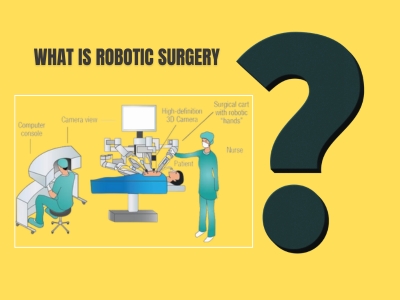
BMI Calculator +91 9820062040 | +91 8356977265 enquiry@thedigestive.in Digestive Health Institute by Dr. Muffi Home About us Dr. Muffazal Lakdawala, Founder Our Team Outreach OPD Training & Workshops Science & Magic of DHI Global Patient Program Work with DHI Eat Right Prescription Weight Management Support Emotional Wellness Rehabilitation Therapy Restorative Plastic Surgery Nutritional Supplements Obesity Support Group Test & Investigations Common FAQ’S Obesity Surgery Endoscopic-Gastric Balloon Endoscopic-Gastric Sleeve Revisional Bariatric Surgery Roux En Y Gastric Bypass SADI (malabsorptive) Sleeve Gastrectomy Sleeve + Optimal Weight Child Nutrition Lifestyle Nutrition Weight Management Gut Care Gut Reset Expert Care Diabetes Control Menopause Wellness PCOS Management Post Surgery Nutrition General Surgery General Surgery Adrenalectomy (Adrenal gland Removal) Appendectomy (Appendix Surgery) Cholecystectomy (Gallbladder Surgery) Hernia Surgery Hysterectomy (Uterus Removal Surgery) Splenectomy (Spleen Removal) VATS (Video-Assisted Thoracoscopy – Key hole Chest Surgery) GI Surgery Hydatid Cyst Removal (Liver Cyst Removal) Puestow’s Procedure (Chronic Pancreatitis Drainage Surgery) GI Oncology Gastric (Stomach) Cancer GEJ (Gastroesophageal Junction) Cancer Large Intestine Cancer (Colon & Rectum) Small Intestine Cancer (Small Bowel) Whipple’s Surgery (Pancreatic Cancer) Media & Stories Testimonials Our Health Partners Press Blogs Journal & Publication Connect Contact Us Locations Home About us Dr. Muffazal Lakdawala, Founder Our Team Outreach OPD Training & Workshops Science & Magic of DHI Global Patient Program Work with DHI Eat Right Prescription Weight Management Support Emotional Wellness Rehabilitation Therapy Restorative Plastic Surgery Nutritional Supplements Obesity Support Group Test & Investigations Common FAQ’S Obesity Surgery Endoscopic-Gastric Balloon Endoscopic-Gastric Sleeve Revisional Bariatric Surgery Roux En Y Gastric Bypass SADI (malabsorptive) Sleeve Gastrectomy Sleeve + Optimal Weight Child Nutrition Lifestyle Nutrition Weight Management Gut Care Gut Reset Expert Care Diabetes Control Menopause Wellness PCOS Management Post Surgery Nutrition General Surgery General Surgery Adrenalectomy (Adrenal gland Removal) Appendectomy (Appendix Surgery) Cholecystectomy (Gallbladder Surgery) Hernia Surgery Hysterectomy (Uterus Removal Surgery) Splenectomy (Spleen Removal) VATS (Video-Assisted Thoracoscopy – Key hole Chest Surgery) GI Surgery Hydatid Cyst Removal (Liver Cyst Removal) Puestow’s Procedure (Chronic Pancreatitis Drainage Surgery) GI Oncology Gastric (Stomach) Cancer GEJ (Gastroesophageal Junction) Cancer Large Intestine Cancer (Colon & Rectum) Small Intestine Cancer (Small Bowel) Whipple’s Surgery (Pancreatic Cancer) Media & Stories Testimonials Our Health Partners Press Blogs Journal & Publication Connect Contact Us Locations Digestive Health Institute by Dr. Muffi Home About us Dr. Muffazal Lakdawala Our Team Outreach OPD’s Training & Workshops Science & Magic of DHI Global Patient Program Work with DHI Eat Right Prescription Weight Management Optimal Weight Child Nutrition Lifestyle Nutrition Weight Management Gut Care Gut Reset Expert Care Diabetes Control Menopause Wellness PCOS Management Post Surgery Nutrition Obesity surgery Endoscopic- Gastric Balloon Endoscopic- Gastric Sleeve Revisional Bariatric Surgeries Roux En Y Gastric Bypass SADI Procedure Sleeve Gastrectomy Sleeve + Support Emotional Wellness Rehabilitation Therapy Restorative Plastic Surgery Nutritional Supplements Obesity Support Group Test & Investigations Common FAQ’S General Surgery General Surgery Adrenalectomy Appendectomy Cholecystectomy Hernia Surgery Hysterectomy Splenectomy Video-Assissted Thoracoscopy (VATS) GI Surgery Hydatid Cyst Removal Puestow’s Procedure GI Oncology Stomach Cancers GEJ (Gastroesophageal Junction) Cancer Large Intestine Cancer Small Intestine Cancer Whipple’s Surgery Media & Stories Testimonials Our Partners Press Blogs Journal & Publications Connect Contact Us Locations Home About us Dr. Muffazal Lakdawala Our Team Outreach OPD’s Training & Workshops Science & Magic of DHI Global Patient Program Work with DHI Eat Right Prescription Weight Management Optimal Weight Child Nutrition Lifestyle Nutrition Weight Management Gut Care Gut Reset Expert Care Diabetes Control Menopause Wellness PCOS Management Post Surgery Nutrition Obesity surgery Endoscopic- Gastric Balloon Endoscopic- Gastric Sleeve Revisional Bariatric Surgeries Roux En Y Gastric Bypass SADI Procedure Sleeve Gastrectomy Sleeve + Support Emotional Wellness Rehabilitation Therapy Restorative Plastic Surgery Nutritional Supplements Obesity Support Group Test & Investigations Common FAQ’S General Surgery General Surgery Adrenalectomy Appendectomy Cholecystectomy Hernia Surgery Hysterectomy Splenectomy Video-Assissted Thoracoscopy (VATS) GI Surgery Hydatid Cyst Removal Puestow’s Procedure GI Oncology Stomach Cancers GEJ (Gastroesophageal Junction) Cancer Large Intestine Cancer Small Intestine Cancer Whipple’s Surgery Media & Stories Testimonials Our Partners Press Blogs Journal & Publications Connect Contact Us Locations What is Robotic surgery? Surgical care has evolved dramatically over the past century—from the era of large, invasive incisions and prolonged hospital stays to today’s highly advanced, minimally invasive procedures. What once required open surgery with significant recovery time can now be accomplished through keyhole incisions with unmatched precision, thanks to the advent of robotic-assisted surgery. In the early days, surgery was often seen as a last resort. The tools were basic, the procedures were lengthy, and outcomes carried considerable risk. The introduction of laparoscopic surgery in the late 20th century marked a major breakthrough. It allowed surgeons to operate using small incisions, guided by cameras and long instruments. This approach reduced pain, minimized complications, and helped patients recover faster. However, even laparoscopy had its limitations—restricted range of motion, reduced visibility, and physical strain on surgeons during long operations. The next leap forward came with the development of robotic surgical systems—a technological evolution that has redefined what modern surgery can achieve. These systems combine a surgeon’s expertise with the precision of robotic arms, offering three-dimensional high-definition views and a level of control that exceeds the human hand. Robotic surgery enhances safety, accuracy, and outcomes, especially in complex procedures involving the digestive system and internal organs. What is Robotic Surgery? Robotic surgery is a cutting-edge surgical technique that uses computer-assisted robotic systems to perform complex procedures with enhanced precision, flexibility, and control. Unlike traditional open surgery, where a surgeon operates directly with their hands, or even standard laparoscopy which relies on rigid instruments, robotic surgery allows the surgeon to operate from a specialized console, where every movement of their hands is translated into real-time, fine-tuned actions by robotic arms inside the patient’s body. The most well-known system used globally is the da Vinci Surgical System, which has transformed the landscape of minimally invasive surgery. This system comprises three main components: Surgeon Console: Here, the surgeon sits comfortably and views the surgical site in high-definition 3D, magnified up to 10 times. Using master controls and foot pedals, the surgeon manipulates the robotic arms with precision. Patient-side Robotic Arms: These robotic arms are attached to tiny instruments
How Obesity Affects Fertility in Women
BMI Calculator +91 9820062040 | +91 8356977265 enquiry@thedigestive.in Digestive Health Institute by Dr. Muffi Home About us Dr. Muffazal Lakdawala, Founder Our Team Outreach OPD Training & Workshops Science & Magic of DHI Global Patient Program Work with DHI Eat Right Prescription Weight Management Support Emotional Wellness Rehabilitation Therapy Restorative Plastic Surgery Nutritional Supplements Obesity Support Group Test & Investigations Common FAQ’S Obesity Surgery Endoscopic-Gastric Balloon Endoscopic-Gastric Sleeve Revisional Bariatric Surgery Roux En Y Gastric Bypass SADI (malabsorptive) Sleeve Gastrectomy Sleeve + Optimal Weight Child Nutrition Lifestyle Nutrition Weight Management Gut Care Gut Reset Expert Care Diabetes Control Menopause Wellness PCOS Management Post Surgery Nutrition General Surgery General Surgery Adrenalectomy (Adrenal gland Removal) Appendectomy (Appendix Surgery) Cholecystectomy (Gallbladder Surgery) Hernia Surgery Hysterectomy (Uterus Removal Surgery) Splenectomy (Spleen Removal) VATS (Video-Assisted Thoracoscopy – Key hole Chest Surgery) GI Surgery Hydatid Cyst Removal (Liver Cyst Removal) Puestow’s Procedure (Chronic Pancreatitis Drainage Surgery) GI Oncology Gastric (Stomach) Cancer GEJ (Gastroesophageal Junction) Cancer Large Intestine Cancer (Colon & Rectum) Small Intestine Cancer (Small Bowel) Whipple’s Surgery (Pancreatic Cancer) Media & Stories Testimonials Our Health Partners Press Blogs Journal & Publication Connect Contact Us Locations Home About us Dr. Muffazal Lakdawala, Founder Our Team Outreach OPD Training & Workshops Science & Magic of DHI Global Patient Program Work with DHI Eat Right Prescription Weight Management Support Emotional Wellness Rehabilitation Therapy Restorative Plastic Surgery Nutritional Supplements Obesity Support Group Test & Investigations Common FAQ’S Obesity Surgery Endoscopic-Gastric Balloon Endoscopic-Gastric Sleeve Revisional Bariatric Surgery Roux En Y Gastric Bypass SADI (malabsorptive) Sleeve Gastrectomy Sleeve + Optimal Weight Child Nutrition Lifestyle Nutrition Weight Management Gut Care Gut Reset Expert Care Diabetes Control Menopause Wellness PCOS Management Post Surgery Nutrition General Surgery General Surgery Adrenalectomy (Adrenal gland Removal) Appendectomy (Appendix Surgery) Cholecystectomy (Gallbladder Surgery) Hernia Surgery Hysterectomy (Uterus Removal Surgery) Splenectomy (Spleen Removal) VATS (Video-Assisted Thoracoscopy – Key hole Chest Surgery) GI Surgery Hydatid Cyst Removal (Liver Cyst Removal) Puestow’s Procedure (Chronic Pancreatitis Drainage Surgery) GI Oncology Gastric (Stomach) Cancer GEJ (Gastroesophageal Junction) Cancer Large Intestine Cancer (Colon & Rectum) Small Intestine Cancer (Small Bowel) Whipple’s Surgery (Pancreatic Cancer) Media & Stories Testimonials Our Health Partners Press Blogs Journal & Publication Connect Contact Us Locations Digestive Health Institute by Dr. Muffi Home About us Dr. Muffazal Lakdawala Our Team Outreach OPD’s Training & Workshops Science & Magic of DHI Global Patient Program Work with DHI Eat Right Prescription Weight Management Optimal Weight Child Nutrition Lifestyle Nutrition Weight Management Gut Care Gut Reset Expert Care Diabetes Control Menopause Wellness PCOS Management Post Surgery Nutrition Obesity surgery Endoscopic- Gastric Balloon Endoscopic- Gastric Sleeve Revisional Bariatric Surgeries Roux En Y Gastric Bypass SADI Procedure Sleeve Gastrectomy Sleeve + Support Emotional Wellness Rehabilitation Therapy Restorative Plastic Surgery Nutritional Supplements Obesity Support Group Test & Investigations Common FAQ’S General Surgery General Surgery Adrenalectomy Appendectomy Cholecystectomy Hernia Surgery Hysterectomy Splenectomy Video-Assissted Thoracoscopy (VATS) GI Surgery Hydatid Cyst Removal Puestow’s Procedure GI Oncology Stomach Cancers GEJ (Gastroesophageal Junction) Cancer Large Intestine Cancer Small Intestine Cancer Whipple’s Surgery Media & Stories Testimonials Our Partners Press Blogs Journal & Publications Connect Contact Us Locations Home About us Dr. Muffazal Lakdawala Our Team Outreach OPD’s Training & Workshops Science & Magic of DHI Global Patient Program Work with DHI Eat Right Prescription Weight Management Optimal Weight Child Nutrition Lifestyle Nutrition Weight Management Gut Care Gut Reset Expert Care Diabetes Control Menopause Wellness PCOS Management Post Surgery Nutrition Obesity surgery Endoscopic- Gastric Balloon Endoscopic- Gastric Sleeve Revisional Bariatric Surgeries Roux En Y Gastric Bypass SADI Procedure Sleeve Gastrectomy Sleeve + Support Emotional Wellness Rehabilitation Therapy Restorative Plastic Surgery Nutritional Supplements Obesity Support Group Test & Investigations Common FAQ’S General Surgery General Surgery Adrenalectomy Appendectomy Cholecystectomy Hernia Surgery Hysterectomy Splenectomy Video-Assissted Thoracoscopy (VATS) GI Surgery Hydatid Cyst Removal Puestow’s Procedure GI Oncology Stomach Cancers GEJ (Gastroesophageal Junction) Cancer Large Intestine Cancer Small Intestine Cancer Whipple’s Surgery Media & Stories Testimonials Our Partners Press Blogs Journal & Publications Connect Contact Us Locations How Obesity Affects Fertility in Women Fertility is influenced by many factors, but one that often goes overlooked is weight. Obesity can disrupt the body’s delicate hormonal balance, interfere with ovulation, and increase the risk of reproductive disorders. It’s not just a health concern—it’s a fertility issue. Globally, obesity rates among women have nearly tripled since 1975, with over 15% of women aged 18 and older classified as obese (World Health Organization). In women trying to conceive, a high Body Mass Index (BMI over 30) has been linked to a 50% reduction in the chances of natural conception. Obese women are also more likely to experience irregular menstrual cycles, anovulation (absence of ovulation), and lower success rates with fertility treatments like IVF. Moreover, conditions such as Polycystic Ovary Syndrome (PCOS)—a leading cause of infertility—are closely tied to excess weight and insulin resistance. Up to 70% of women with PCOS are overweight or obese, creating a cycle that makes conception even more difficult. This blog explores the science behind how obesity impacts fertility—from hormonal disruptions to PCOS, ovulation issues, and pregnancy complications—along with actionable steps women can take to reclaim control over their reproductive health. Understanding the Link Between Obesity and Hormones Fat tissue isn’t just a passive store of energy—it’s hormonally active. It produces estrogen, a crucial hormone for female fertility. However, when estrogen levels are excessively high—as is often the case in women with obesity—the body’s delicate hormonal balance gets disrupted. High estrogen can trick the brain into thinking the body is already ovulating, which suppresses the release of hormones like FSH (follicle-stimulating hormone) and LH (luteinizing hormone)—both essential for egg development and release. Moreover, obesity often leads to insulin resistance, where the body’s cells don’t respond effectively to insulin. To compensate, the pancreas produces more insulin, but this excess insulin stimulates the ovaries to produce androgens(male hormones such as testosterone). Elevated androgen levels interfere with the maturation of ovarian follicles, leading to poor egg development and lower chances of successful ovulation. This hormonal chaos ultimately results in irregular cycles, missed periods, and infertility. In short, obesity throws a wrench into the hormonal machinery required for conception. Ovulation Problems Caused
Am I eligible for bariatric surgery?
BMI Calculator +91 9820062040 | +91 8356977265 enquiry@thedigestive.in Digestive Health Institute by Dr. Muffi Home About us Dr. Muffazal Lakdawala, Founder Our Team Outreach OPD Training & Workshops Science & Magic of DHI Global Patient Program Work with DHI Eat Right Prescription Weight Management Support Emotional Wellness Rehabilitation Therapy Restorative Plastic Surgery Nutritional Supplements Obesity Support Group Test & Investigations Common FAQ’S Obesity Surgery Endoscopic-Gastric Balloon Endoscopic-Gastric Sleeve Revisional Bariatric Surgery Roux En Y Gastric Bypass SADI (malabsorptive) Sleeve Gastrectomy Sleeve + Optimal Weight Child Nutrition Lifestyle Nutrition Weight Management Gut Care Gut Reset Expert Care Diabetes Control Menopause Wellness PCOS Management Post Surgery Nutrition General Surgery General Surgery Adrenalectomy (Adrenal gland Removal) Appendectomy (Appendix Surgery) Cholecystectomy (Gallbladder Surgery) Hernia Surgery Hysterectomy (Uterus Removal Surgery) Splenectomy (Spleen Removal) VATS (Video-Assisted Thoracoscopy – Key hole Chest Surgery) GI Surgery Hydatid Cyst Removal (Liver Cyst Removal) Puestow’s Procedure (Chronic Pancreatitis Drainage Surgery) GI Oncology Gastric (Stomach) Cancer GEJ (Gastroesophageal Junction) Cancer Large Intestine Cancer (Colon & Rectum) Small Intestine Cancer (Small Bowel) Whipple’s Surgery (Pancreatic Cancer) Media & Stories Testimonials Our Health Partners Press Blogs Journal & Publication Connect Contact Us Locations Home About us Dr. Muffazal Lakdawala, Founder Our Team Outreach OPD Training & Workshops Science & Magic of DHI Global Patient Program Work with DHI Eat Right Prescription Weight Management Support Emotional Wellness Rehabilitation Therapy Restorative Plastic Surgery Nutritional Supplements Obesity Support Group Test & Investigations Common FAQ’S Obesity Surgery Endoscopic-Gastric Balloon Endoscopic-Gastric Sleeve Revisional Bariatric Surgery Roux En Y Gastric Bypass SADI (malabsorptive) Sleeve Gastrectomy Sleeve + Optimal Weight Child Nutrition Lifestyle Nutrition Weight Management Gut Care Gut Reset Expert Care Diabetes Control Menopause Wellness PCOS Management Post Surgery Nutrition General Surgery General Surgery Adrenalectomy (Adrenal gland Removal) Appendectomy (Appendix Surgery) Cholecystectomy (Gallbladder Surgery) Hernia Surgery Hysterectomy (Uterus Removal Surgery) Splenectomy (Spleen Removal) VATS (Video-Assisted Thoracoscopy – Key hole Chest Surgery) GI Surgery Hydatid Cyst Removal (Liver Cyst Removal) Puestow’s Procedure (Chronic Pancreatitis Drainage Surgery) GI Oncology Gastric (Stomach) Cancer GEJ (Gastroesophageal Junction) Cancer Large Intestine Cancer (Colon & Rectum) Small Intestine Cancer (Small Bowel) Whipple’s Surgery (Pancreatic Cancer) Media & Stories Testimonials Our Health Partners Press Blogs Journal & Publication Connect Contact Us Locations Digestive Health Institute by Dr. Muffi Home About us Dr. Muffazal Lakdawala Our Team Outreach OPD’s Training & Workshops Science & Magic of DHI Global Patient Program Work with DHI Eat Right Prescription Weight Management Optimal Weight Child Nutrition Lifestyle Nutrition Weight Management Gut Care Gut Reset Expert Care Diabetes Control Menopause Wellness PCOS Management Post Surgery Nutrition Obesity surgery Endoscopic- Gastric Balloon Endoscopic- Gastric Sleeve Revisional Bariatric Surgeries Roux En Y Gastric Bypass SADI Procedure Sleeve Gastrectomy Sleeve + Support Emotional Wellness Rehabilitation Therapy Restorative Plastic Surgery Nutritional Supplements Obesity Support Group Test & Investigations Common FAQ’S General Surgery General Surgery Adrenalectomy Appendectomy Cholecystectomy Hernia Surgery Hysterectomy Splenectomy Video-Assissted Thoracoscopy (VATS) GI Surgery Hydatid Cyst Removal Puestow’s Procedure GI Oncology Stomach Cancers GEJ (Gastroesophageal Junction) Cancer Large Intestine Cancer Small Intestine Cancer Whipple’s Surgery Media & Stories Testimonials Our Partners Press Blogs Journal & Publications Connect Contact Us Locations Home About us Dr. Muffazal Lakdawala Our Team Outreach OPD’s Training & Workshops Science & Magic of DHI Global Patient Program Work with DHI Eat Right Prescription Weight Management Optimal Weight Child Nutrition Lifestyle Nutrition Weight Management Gut Care Gut Reset Expert Care Diabetes Control Menopause Wellness PCOS Management Post Surgery Nutrition Obesity surgery Endoscopic- Gastric Balloon Endoscopic- Gastric Sleeve Revisional Bariatric Surgeries Roux En Y Gastric Bypass SADI Procedure Sleeve Gastrectomy Sleeve + Support Emotional Wellness Rehabilitation Therapy Restorative Plastic Surgery Nutritional Supplements Obesity Support Group Test & Investigations Common FAQ’S General Surgery General Surgery Adrenalectomy Appendectomy Cholecystectomy Hernia Surgery Hysterectomy Splenectomy Video-Assissted Thoracoscopy (VATS) GI Surgery Hydatid Cyst Removal Puestow’s Procedure GI Oncology Stomach Cancers GEJ (Gastroesophageal Junction) Cancer Large Intestine Cancer Small Intestine Cancer Whipple’s Surgery Media & Stories Testimonials Our Partners Press Blogs Journal & Publications Connect Contact Us Locations Am I eligible for bariatric surgery? In an age where obesity has become a global health epidemic, many individuals find themselves struggling to lose weight despite countless attempts at dieting and exercise. For those facing severe obesity or obesity-related health issues, bariatric surgery presents a potential solution to help manage weight and improve overall health. However, bariatric surgery is not a one-size-fits-all treatment, and eligibility is determined based on various factors including body mass index (BMI), medical history, and psychological readiness. Bariatric surgery can offer life-changing results for people with severe obesity (BMI ≥ 40) or those who have struggled to manage obesity-related health conditions like type 2 diabetes, sleep apnea, and heart disease. But it’s not an automatic decision. The path to bariatric surgery is a complex one, involving comprehensive medical evaluations and lifestyle assessments to ensure that the individual is physically and mentally prepared for the challenges that come with such a major procedure. This guide will take you through the eligibility criteria for bariatric surgery, helping you understand the key factors that determine if this treatment is right for you. From BMI thresholds and health conditions to psychological readiness and lifestyle commitment, you’ll gain insight into the factors that influence whether you are a candidate for bariatric surgery. Understanding Bariatric Surgery Bariatric surgery is a term used to describe a range of surgical procedures designed to help individuals with severe obesity lose weight and improve their overall health. These surgeries are typically recommended for those who have not been successful in losing weight through traditional methods like diet and exercise and who suffer from obesity-related health issues. The primary goal of bariatric surgery is to alter the digestive system in a way that limits food intake, reduces nutrient absorption, or both, leading to significant weight loss. There are several types of bariatric surgeries, each with its own approach to helping patients lose weight. Here are the most common procedures: 1. Gastric Bypass (Roux-en-Y) Gastric bypass surgery creates a small stomach pouch and connects it directly to the small intestine, bypassing part of the stomach and the duodenum (the first part of the intestine). This limits
Childhood obesity and MASH

BMI Calculator +91 9820062040 | +91 8356977265 enquiry@thedigestive.in Digestive Health Institute by Dr. Muffi Home About us Dr. Muffazal Lakdawala, Founder Our Team Outreach OPD Training & Workshops Science & Magic of DHI Global Patient Program Work with DHI Eat Right Prescription Weight Management Support Emotional Wellness Rehabilitation Therapy Restorative Plastic Surgery Nutritional Supplements Obesity Support Group Test & Investigations Common FAQ’S Obesity Surgery Endoscopic-Gastric Balloon Endoscopic-Gastric Sleeve Revisional Bariatric Surgery Roux En Y Gastric Bypass SADI (malabsorptive) Sleeve Gastrectomy Sleeve + Optimal Weight Child Nutrition Lifestyle Nutrition Weight Management Gut Care Gut Reset Expert Care Diabetes Control Menopause Wellness PCOS Management Post Surgery Nutrition General Surgery General Surgery Adrenalectomy (Adrenal gland Removal) Appendectomy (Appendix Surgery) Cholecystectomy (Gallbladder Surgery) Hernia Surgery Hysterectomy (Uterus Removal Surgery) Splenectomy (Spleen Removal) VATS (Video-Assisted Thoracoscopy – Key hole Chest Surgery) GI Surgery Hydatid Cyst Removal (Liver Cyst Removal) Puestow’s Procedure (Chronic Pancreatitis Drainage Surgery) GI Oncology Gastric (Stomach) Cancer GEJ (Gastroesophageal Junction) Cancer Large Intestine Cancer (Colon & Rectum) Small Intestine Cancer (Small Bowel) Whipple’s Surgery (Pancreatic Cancer) Media & Stories Testimonials Our Health Partners Press Blogs Journal & Publication Connect Contact Us Locations Home About us Dr. Muffazal Lakdawala, Founder Our Team Outreach OPD Training & Workshops Science & Magic of DHI Global Patient Program Work with DHI Eat Right Prescription Weight Management Support Emotional Wellness Rehabilitation Therapy Restorative Plastic Surgery Nutritional Supplements Obesity Support Group Test & Investigations Common FAQ’S Obesity Surgery Endoscopic-Gastric Balloon Endoscopic-Gastric Sleeve Revisional Bariatric Surgery Roux En Y Gastric Bypass SADI (malabsorptive) Sleeve Gastrectomy Sleeve + Optimal Weight Child Nutrition Lifestyle Nutrition Weight Management Gut Care Gut Reset Expert Care Diabetes Control Menopause Wellness PCOS Management Post Surgery Nutrition General Surgery General Surgery Adrenalectomy (Adrenal gland Removal) Appendectomy (Appendix Surgery) Cholecystectomy (Gallbladder Surgery) Hernia Surgery Hysterectomy (Uterus Removal Surgery) Splenectomy (Spleen Removal) VATS (Video-Assisted Thoracoscopy – Key hole Chest Surgery) GI Surgery Hydatid Cyst Removal (Liver Cyst Removal) Puestow’s Procedure (Chronic Pancreatitis Drainage Surgery) GI Oncology Gastric (Stomach) Cancer GEJ (Gastroesophageal Junction) Cancer Large Intestine Cancer (Colon & Rectum) Small Intestine Cancer (Small Bowel) Whipple’s Surgery (Pancreatic Cancer) Media & Stories Testimonials Our Health Partners Press Blogs Journal & Publication Connect Contact Us Locations Digestive Health Institute by Dr. Muffi Home About us Dr. Muffazal Lakdawala Our Team Outreach OPD’s Training & Workshops Science & Magic of DHI Global Patient Program Work with DHI Eat Right Prescription Weight Management Optimal Weight Child Nutrition Lifestyle Nutrition Weight Management Gut Care Gut Reset Expert Care Diabetes Control Menopause Wellness PCOS Management Post Surgery Nutrition Obesity surgery Endoscopic- Gastric Balloon Endoscopic- Gastric Sleeve Revisional Bariatric Surgeries Roux En Y Gastric Bypass SADI Procedure Sleeve Gastrectomy Sleeve + Support Emotional Wellness Rehabilitation Therapy Restorative Plastic Surgery Nutritional Supplements Obesity Support Group Test & Investigations Common FAQ’S General Surgery General Surgery Adrenalectomy Appendectomy Cholecystectomy Hernia Surgery Hysterectomy Splenectomy Video-Assissted Thoracoscopy (VATS) GI Surgery Hydatid Cyst Removal Puestow’s Procedure GI Oncology Stomach Cancers GEJ (Gastroesophageal Junction) Cancer Large Intestine Cancer Small Intestine Cancer Whipple’s Surgery Media & Stories Testimonials Our Partners Press Blogs Journal & Publications Connect Contact Us Locations Home About us Dr. Muffazal Lakdawala Our Team Outreach OPD’s Training & Workshops Science & Magic of DHI Global Patient Program Work with DHI Eat Right Prescription Weight Management Optimal Weight Child Nutrition Lifestyle Nutrition Weight Management Gut Care Gut Reset Expert Care Diabetes Control Menopause Wellness PCOS Management Post Surgery Nutrition Obesity surgery Endoscopic- Gastric Balloon Endoscopic- Gastric Sleeve Revisional Bariatric Surgeries Roux En Y Gastric Bypass SADI Procedure Sleeve Gastrectomy Sleeve + Support Emotional Wellness Rehabilitation Therapy Restorative Plastic Surgery Nutritional Supplements Obesity Support Group Test & Investigations Common FAQ’S General Surgery General Surgery Adrenalectomy Appendectomy Cholecystectomy Hernia Surgery Hysterectomy Splenectomy Video-Assissted Thoracoscopy (VATS) GI Surgery Hydatid Cyst Removal Puestow’s Procedure GI Oncology Stomach Cancers GEJ (Gastroesophageal Junction) Cancer Large Intestine Cancer Small Intestine Cancer Whipple’s Surgery Media & Stories Testimonials Our Partners Press Blogs Journal & Publications Connect Contact Us Locations Childhood obesity and MASH Childhood obesity has emerged as one of the most pressing global health challenges of the 21st century. It not only affects physical appearance but also brings with it a host of medical complications — some of which begin as early as adolescence. Among the most alarming consequences is the development of MASH (Metabolic Syndrome in Adolescents and Schoolchildren), a paediatric form of metabolic syndrome. This cluster of risk factors — including abdominal obesity, high blood pressure, insulin resistance, abnormal cholesterol levels, and elevated blood glucose — can predispose children to type 2 diabetes, cardiovascular disease, and other chronic conditions as they grow older. According to the World Health Organization (WHO), over 39 million children under the age of 5 were overweight or obese in 2022. In India, studies estimate that 14.4 million children are obese, making it the country with the second-highest number of obese children globally. The increasing prevalence of childhood obesity has elevated the risk of early-onset metabolic disorders, shifting the burden of adult diseases to paediatric populations. What is Childhood Obesity? Childhood obesity is a medical condition in which a child has excessive body fat, which can negatively affect their health. It is determined by a child’s body mass index (BMI), a measure of body fat based on height and weight. When a child’s BMI is above the 95th percentile for their age and sex, they are considered obese. Causes of Childhood Obesity: Childhood obesity is influenced by a combination of genetic, behavioural, and environmental factors, such as: Unhealthy Diet: Diets high in calories, sugars, fats, and processed foods contribute significantly to obesity. Consuming sugary drinks, fast food, and snacks that are high in fat can lead to weight gain. Lack of Physical Activity: A sedentary lifestyle, with little or no physical activity, is a significant contributor. Many children spend extended hours on screens (TV, computers, smartphones), which decreases time spent being active. Genetics: Genetics can play a role in obesity, as children with obese parents are more likely to become obese themselves. However, genetic factors alone do not cause obesity; environmental factors are typically at play as well.
Sleeve Gastrectomy vs. Gastric Bypass: Which Is Right for You?
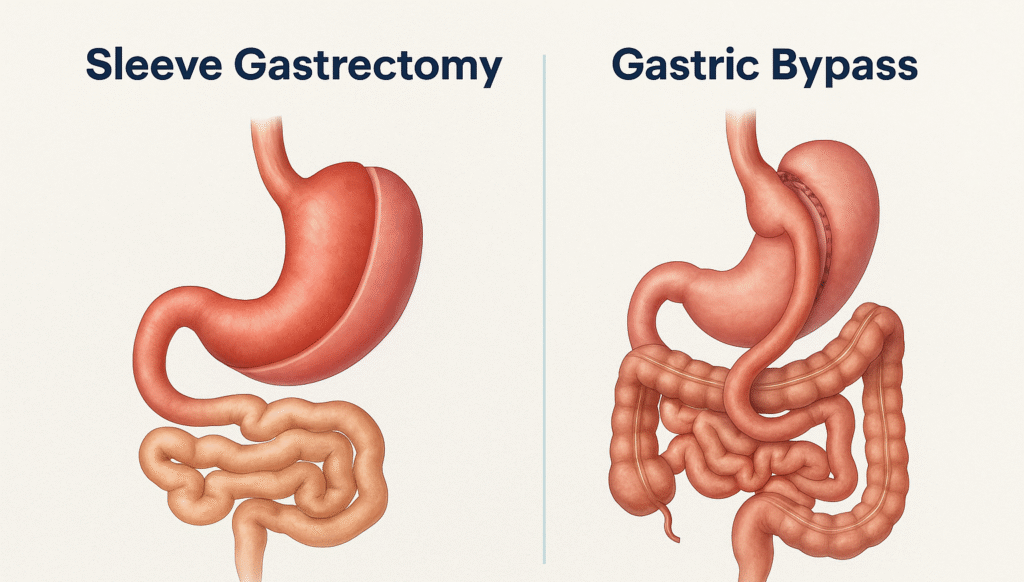
BMI Calculator +91 9820062040 | +91 8356977265 enquiry@thedigestive.in Digestive Health Institute by Dr. Muffi Home About us Dr. Muffazal Lakdawala, Founder Our Team Outreach OPD Training & Workshops Science & Magic of DHI Global Patient Program Work with DHI Eat Right Prescription Weight Management Support Emotional Wellness Rehabilitation Therapy Restorative Plastic Surgery Nutritional Supplements Obesity Support Group Test & Investigations Common FAQ’S Obesity Surgery Endoscopic-Gastric Balloon Endoscopic-Gastric Sleeve Revisional Bariatric Surgery Roux En Y Gastric Bypass SADI (malabsorptive) Sleeve Gastrectomy Sleeve + Optimal Weight Child Nutrition Lifestyle Nutrition Weight Management Gut Care Gut Reset Expert Care Diabetes Control Menopause Wellness PCOS Management Post Surgery Nutrition General Surgery General Surgery Adrenalectomy (Adrenal gland Removal) Appendectomy (Appendix Surgery) Cholecystectomy (Gallbladder Surgery) Hernia Surgery Hysterectomy (Uterus Removal Surgery) Splenectomy (Spleen Removal) VATS (Video-Assisted Thoracoscopy – Key hole Chest Surgery) GI Surgery Hydatid Cyst Removal (Liver Cyst Removal) Puestow’s Procedure (Chronic Pancreatitis Drainage Surgery) GI Oncology Gastric (Stomach) Cancer GEJ (Gastroesophageal Junction) Cancer Large Intestine Cancer (Colon & Rectum) Small Intestine Cancer (Small Bowel) Whipple’s Surgery (Pancreatic Cancer) Media & Stories Testimonials Our Health Partners Press Blogs Journal & Publication Connect Contact Us Locations Home About us Dr. Muffazal Lakdawala, Founder Our Team Outreach OPD Training & Workshops Science & Magic of DHI Global Patient Program Work with DHI Eat Right Prescription Weight Management Support Emotional Wellness Rehabilitation Therapy Restorative Plastic Surgery Nutritional Supplements Obesity Support Group Test & Investigations Common FAQ’S Obesity Surgery Endoscopic-Gastric Balloon Endoscopic-Gastric Sleeve Revisional Bariatric Surgery Roux En Y Gastric Bypass SADI (malabsorptive) Sleeve Gastrectomy Sleeve + Optimal Weight Child Nutrition Lifestyle Nutrition Weight Management Gut Care Gut Reset Expert Care Diabetes Control Menopause Wellness PCOS Management Post Surgery Nutrition General Surgery General Surgery Adrenalectomy (Adrenal gland Removal) Appendectomy (Appendix Surgery) Cholecystectomy (Gallbladder Surgery) Hernia Surgery Hysterectomy (Uterus Removal Surgery) Splenectomy (Spleen Removal) VATS (Video-Assisted Thoracoscopy – Key hole Chest Surgery) GI Surgery Hydatid Cyst Removal (Liver Cyst Removal) Puestow’s Procedure (Chronic Pancreatitis Drainage Surgery) GI Oncology Gastric (Stomach) Cancer GEJ (Gastroesophageal Junction) Cancer Large Intestine Cancer (Colon & Rectum) Small Intestine Cancer (Small Bowel) Whipple’s Surgery (Pancreatic Cancer) Media & Stories Testimonials Our Health Partners Press Blogs Journal & Publication Connect Contact Us Locations Digestive Health Institute by Dr. Muffi Home About us Dr. Muffazal Lakdawala Our Team Outreach OPD’s Training & Workshops Science & Magic of DHI Global Patient Program Work with DHI Eat Right Prescription Weight Management Optimal Weight Child Nutrition Lifestyle Nutrition Weight Management Gut Care Gut Reset Expert Care Diabetes Control Menopause Wellness PCOS Management Post Surgery Nutrition Obesity surgery Endoscopic- Gastric Balloon Endoscopic- Gastric Sleeve Revisional Bariatric Surgeries Roux En Y Gastric Bypass SADI Procedure Sleeve Gastrectomy Sleeve + Support Emotional Wellness Rehabilitation Therapy Restorative Plastic Surgery Nutritional Supplements Obesity Support Group Test & Investigations Common FAQ’S General Surgery General Surgery Adrenalectomy Appendectomy Cholecystectomy Hernia Surgery Hysterectomy Splenectomy Video-Assissted Thoracoscopy (VATS) GI Surgery Hydatid Cyst Removal Puestow’s Procedure GI Oncology Stomach Cancers GEJ (Gastroesophageal Junction) Cancer Large Intestine Cancer Small Intestine Cancer Whipple’s Surgery Media & Stories Testimonials Our Partners Press Blogs Journal & Publications Connect Contact Us Locations Home About us Dr. Muffazal Lakdawala Our Team Outreach OPD’s Training & Workshops Science & Magic of DHI Global Patient Program Work with DHI Eat Right Prescription Weight Management Optimal Weight Child Nutrition Lifestyle Nutrition Weight Management Gut Care Gut Reset Expert Care Diabetes Control Menopause Wellness PCOS Management Post Surgery Nutrition Obesity surgery Endoscopic- Gastric Balloon Endoscopic- Gastric Sleeve Revisional Bariatric Surgeries Roux En Y Gastric Bypass SADI Procedure Sleeve Gastrectomy Sleeve + Support Emotional Wellness Rehabilitation Therapy Restorative Plastic Surgery Nutritional Supplements Obesity Support Group Test & Investigations Common FAQ’S General Surgery General Surgery Adrenalectomy Appendectomy Cholecystectomy Hernia Surgery Hysterectomy Splenectomy Video-Assissted Thoracoscopy (VATS) GI Surgery Hydatid Cyst Removal Puestow’s Procedure GI Oncology Stomach Cancers GEJ (Gastroesophageal Junction) Cancer Large Intestine Cancer Small Intestine Cancer Whipple’s Surgery Media & Stories Testimonials Our Partners Press Blogs Journal & Publications Connect Contact Us Locations Sleeve Gastrectomy vs. Gastric Bypass: Which Is Right for You? Choosing to undergo weight loss surgery is a life-changing decision—one that goes far beyond shedding pounds. For many individuals struggling with obesity and related health issues like diabetes, high blood pressure, and sleep apnea, bariatric surgery offers a path to not only a healthier body but a fuller, more active life. Among the most commonly performed procedures worldwide are Sleeve Gastrectomy and Gastric Bypass. Though both are effective tools for significant and sustained weight loss, they differ greatly in how they’re performed, how they affect your digestive system, and what they require in terms of long-term lifestyle changes. Understanding the unique benefits, risks, and outcomes of each can help you make an informed decision in consultation with your healthcare team. In this blog, we’ll break down how each surgery works, compare their effectiveness and side effects, and guide you in deciding which option may be better suited to your personal health goals. What Is Sleeve Gastrectomy? Sleeve Gastrectomy, also known as Vertical Sleeve Gastrectomy (VSG), is a restrictive weight loss surgery that significantly reduces the size of your stomach. During the procedure, the surgeon removes approximately 75–80% of the stomach, particularly the curved outer portion called the greater curvature. The remaining stomach is reshaped into a slender, banana-shaped tube—or “sleeve”—that holds much less food. – How It Works: The procedure doesn’t involve rerouting the intestines or changing the digestive process. Instead, it works in two main ways: Restricting Intake:The new, smaller stomach can only hold around 100 to 150 mL of food (about the size of a small cup), significantly less than the original capacity. This naturally leads to reduced food intake during meals and a feeling of fullness after eating smaller portions. Hormonal Changes:During the surgery, the part of the stomach that produces most of the hormone ghrelin (often called the “hunger hormone”) is removed. Ghrelin stimulates appetite, so with its levels greatly reduced, patients often feel less hungry between meals, making it easier to manage cravings and reduce overall calorie intake. – Key Features: Purely restrictive: No intestinal rerouting. Shorter operative time. Lower risk of nutritional deficiencies compared to bypass.
Bariatric Surgery: What You Need to Know Before Taking the Step
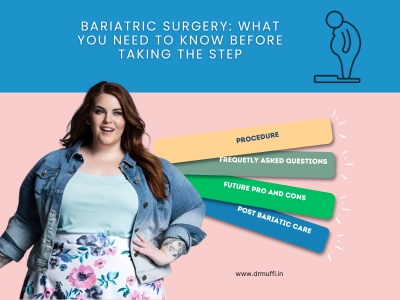
BMI Calculator +91 9820062040 | +91 8356977265 enquiry@thedigestive.in Digestive Health Institute by Dr. Muffi Home About us Dr. Muffazal Lakdawala, Founder Our Team Outreach OPD Training & Workshops Science & Magic of DHI Global Patient Program Work with DHI Eat Right Prescription Weight Management Support Emotional Wellness Rehabilitation Therapy Restorative Plastic Surgery Nutritional Supplements Obesity Support Group Test & Investigations Common FAQ’S Obesity Surgery Endoscopic-Gastric Balloon Endoscopic-Gastric Sleeve Revisional Bariatric Surgery Roux En Y Gastric Bypass SADI (malabsorptive) Sleeve Gastrectomy Sleeve + Optimal Weight Child Nutrition Lifestyle Nutrition Weight Management Gut Care Gut Reset Expert Care Diabetes Control Menopause Wellness PCOS Management Post Surgery Nutrition General Surgery General Surgery Adrenalectomy (Adrenal gland Removal) Appendectomy (Appendix Surgery) Cholecystectomy (Gallbladder Surgery) Hernia Surgery Hysterectomy (Uterus Removal Surgery) Splenectomy (Spleen Removal) VATS (Video-Assisted Thoracoscopy – Key hole Chest Surgery) GI Surgery Hydatid Cyst Removal (Liver Cyst Removal) Puestow’s Procedure (Chronic Pancreatitis Drainage Surgery) GI Oncology Gastric (Stomach) Cancer GEJ (Gastroesophageal Junction) Cancer Large Intestine Cancer (Colon & Rectum) Small Intestine Cancer (Small Bowel) Whipple’s Surgery (Pancreatic Cancer) Media & Stories Testimonials Our Health Partners Press Blogs Journal & Publication Connect Contact Us Locations Home About us Dr. Muffazal Lakdawala, Founder Our Team Outreach OPD Training & Workshops Science & Magic of DHI Global Patient Program Work with DHI Eat Right Prescription Weight Management Support Emotional Wellness Rehabilitation Therapy Restorative Plastic Surgery Nutritional Supplements Obesity Support Group Test & Investigations Common FAQ’S Obesity Surgery Endoscopic-Gastric Balloon Endoscopic-Gastric Sleeve Revisional Bariatric Surgery Roux En Y Gastric Bypass SADI (malabsorptive) Sleeve Gastrectomy Sleeve + Optimal Weight Child Nutrition Lifestyle Nutrition Weight Management Gut Care Gut Reset Expert Care Diabetes Control Menopause Wellness PCOS Management Post Surgery Nutrition General Surgery General Surgery Adrenalectomy (Adrenal gland Removal) Appendectomy (Appendix Surgery) Cholecystectomy (Gallbladder Surgery) Hernia Surgery Hysterectomy (Uterus Removal Surgery) Splenectomy (Spleen Removal) VATS (Video-Assisted Thoracoscopy – Key hole Chest Surgery) GI Surgery Hydatid Cyst Removal (Liver Cyst Removal) Puestow’s Procedure (Chronic Pancreatitis Drainage Surgery) GI Oncology Gastric (Stomach) Cancer GEJ (Gastroesophageal Junction) Cancer Large Intestine Cancer (Colon & Rectum) Small Intestine Cancer (Small Bowel) Whipple’s Surgery (Pancreatic Cancer) Media & Stories Testimonials Our Health Partners Press Blogs Journal & Publication Connect Contact Us Locations Digestive Health Institute by Dr. Muffi Home About us Dr. Muffazal Lakdawala Our Team Outreach OPD’s Training & Workshops Science & Magic of DHI Global Patient Program Work with DHI Eat Right Prescription Weight Management Optimal Weight Child Nutrition Lifestyle Nutrition Weight Management Gut Care Gut Reset Expert Care Diabetes Control Menopause Wellness PCOS Management Post Surgery Nutrition Obesity surgery Endoscopic- Gastric Balloon Endoscopic- Gastric Sleeve Revisional Bariatric Surgeries Roux En Y Gastric Bypass SADI Procedure Sleeve Gastrectomy Sleeve + Support Emotional Wellness Rehabilitation Therapy Restorative Plastic Surgery Nutritional Supplements Obesity Support Group Test & Investigations Common FAQ’S General Surgery General Surgery Adrenalectomy Appendectomy Cholecystectomy Hernia Surgery Hysterectomy Splenectomy Video-Assissted Thoracoscopy (VATS) GI Surgery Hydatid Cyst Removal Puestow’s Procedure GI Oncology Stomach Cancers GEJ (Gastroesophageal Junction) Cancer Large Intestine Cancer Small Intestine Cancer Whipple’s Surgery Media & Stories Testimonials Our Partners Press Blogs Journal & Publications Connect Contact Us Locations Home About us Dr. Muffazal Lakdawala Our Team Outreach OPD’s Training & Workshops Science & Magic of DHI Global Patient Program Work with DHI Eat Right Prescription Weight Management Optimal Weight Child Nutrition Lifestyle Nutrition Weight Management Gut Care Gut Reset Expert Care Diabetes Control Menopause Wellness PCOS Management Post Surgery Nutrition Obesity surgery Endoscopic- Gastric Balloon Endoscopic- Gastric Sleeve Revisional Bariatric Surgeries Roux En Y Gastric Bypass SADI Procedure Sleeve Gastrectomy Sleeve + Support Emotional Wellness Rehabilitation Therapy Restorative Plastic Surgery Nutritional Supplements Obesity Support Group Test & Investigations Common FAQ’S General Surgery General Surgery Adrenalectomy Appendectomy Cholecystectomy Hernia Surgery Hysterectomy Splenectomy Video-Assissted Thoracoscopy (VATS) GI Surgery Hydatid Cyst Removal Puestow’s Procedure GI Oncology Stomach Cancers GEJ (Gastroesophageal Junction) Cancer Large Intestine Cancer Small Intestine Cancer Whipple’s Surgery Media & Stories Testimonials Our Partners Press Blogs Journal & Publications Connect Contact Us Locations Bariatric Surgery: What You Need to Know Before Taking the Step Obesity isn’t just about appearance—it’s a serious health condition that can quietly take control of your life. From diabetes and hypertension to chronic joint pain and sleep apnea, excess weight can damage nearly every organ system. If you’ve tried dieting, exercise, and medications without lasting success, bariatric surgery may be the life-changing solution you’ve been searching for. This guide walks you through what bariatric surgery is, why it works, and why it could be your next, and final, step toward a healthier life. What Is Bariatric Surgery? Bariatric surgery is a medical procedure that helps people with obesity lose weight by changing how the stomach and sometimes the intestines work. It works in two main ways: Restrictive – By making your stomach smaller, it limits how much food you can eat at one time. Malabsorptive – By rerouting or shortening part of your intestine, it reduces how many calories and nutrients your body absorbs. It’s more than a weight-loss tool—it’s a health-restoring intervention for people with conditions like type 2 diabetes, high blood pressure, PCOS, sleep apnea, or joint pain caused by excess weight. Why Consider Bariatric Surgery? Bariatric surgery is not about taking the “easy way out.” It’s a scientifically proven, medically supported treatment for obesity that has helped millions of people reclaim their health and well-being. When performed by an experienced bariatric surgeon, the procedure can: Help you lose 50–70% of your excess weight in a safe, sustainable manner Improve or completely resolve type 2 diabetes, hypertension, cholesterol issues, and sleep apnea Reduce your long-term risk of heart disease, stroke, infertility, and even some cancers Boost your energy, mobility, and self-esteem This isn’t just about weight—it’s about life expectancy, mental health, and quality of life. Who Is Bariatric Surgery For? All bariatric procedures work by limiting the amount of food you can eat and/or reducing the absorption of calories. Your surgeon will help you choose the best option based on your health history, weight, and goals. Gastric Bypass (Roux-en-Y) How it Works: A small stomach pouch (about the size of an egg) is created by dividing the top of the