Does hunger and dehydration cause migraines?

BMI Calculator +91 9820062040 | +91 8356977265 enquiry@thedigestive.in Digestive Health Institute by Dr. Muffi Home About us Dr. Muffazal Lakdawala, Founder Our Team Outreach OPD Training & Workshops Science & Magic of DHI Global Patient Program Work with DHI Eat Right Prescription Weight Management Support Emotional Wellness Rehabilitation Therapy Restorative Plastic Surgery Nutritional Supplements Obesity Support Group Test & Investigations Common FAQ’S Obesity Surgery Endoscopic-Gastric Balloon Endoscopic-Gastric Sleeve Revisional Bariatric Surgery Roux En Y Gastric Bypass SADI (malabsorptive) Sleeve Gastrectomy Sleeve + Optimal Weight Child Nutrition Lifestyle Nutrition Weight Management Gut Care Gut Reset Expert Care Diabetes Control Menopause Wellness PCOS Management Post Surgery Nutrition General Surgery General Surgery Adrenalectomy (Adrenal gland Removal) Appendectomy (Appendix Surgery) Cholecystectomy (Gallbladder Surgery) Hernia Surgery Hysterectomy (Uterus Removal Surgery) Splenectomy (Spleen Removal) VATS (Video-Assisted Thoracoscopy – Key hole Chest Surgery) GI Surgery Hydatid Cyst Removal (Liver Cyst Removal) Puestow’s Procedure (Chronic Pancreatitis Drainage Surgery) GI Oncology Gastric (Stomach) Cancer GEJ (Gastroesophageal Junction) Cancer Large Intestine Cancer (Colon & Rectum) Small Intestine Cancer (Small Bowel) Whipple’s Surgery (Pancreatic Cancer) Media & Stories Testimonials Our Health Partners Press Blogs Journal & Publication Connect Contact Us Locations Home About us Dr. Muffazal Lakdawala, Founder Our Team Outreach OPD Training & Workshops Science & Magic of DHI Global Patient Program Work with DHI Eat Right Prescription Weight Management Support Emotional Wellness Rehabilitation Therapy Restorative Plastic Surgery Nutritional Supplements Obesity Support Group Test & Investigations Common FAQ’S Obesity Surgery Endoscopic-Gastric Balloon Endoscopic-Gastric Sleeve Revisional Bariatric Surgery Roux En Y Gastric Bypass SADI (malabsorptive) Sleeve Gastrectomy Sleeve + Optimal Weight Child Nutrition Lifestyle Nutrition Weight Management Gut Care Gut Reset Expert Care Diabetes Control Menopause Wellness PCOS Management Post Surgery Nutrition General Surgery General Surgery Adrenalectomy (Adrenal gland Removal) Appendectomy (Appendix Surgery) Cholecystectomy (Gallbladder Surgery) Hernia Surgery Hysterectomy (Uterus Removal Surgery) Splenectomy (Spleen Removal) VATS (Video-Assisted Thoracoscopy – Key hole Chest Surgery) GI Surgery Hydatid Cyst Removal (Liver Cyst Removal) Puestow’s Procedure (Chronic Pancreatitis Drainage Surgery) GI Oncology Gastric (Stomach) Cancer GEJ (Gastroesophageal Junction) Cancer Large Intestine Cancer (Colon & Rectum) Small Intestine Cancer (Small Bowel) Whipple’s Surgery (Pancreatic Cancer) Media & Stories Testimonials Our Health Partners Press Blogs Journal & Publication Connect Contact Us Locations Digestive Health Institute by Dr. Muffi Home About us Dr. Muffazal Lakdawala Our Team Outreach OPD’s Training & Workshops Science & Magic of DHI Global Patient Program Work with DHI Eat Right Prescription Weight Management Optimal Weight Child Nutrition Lifestyle Nutrition Weight Management Gut Care Gut Reset Expert Care Diabetes Control Menopause Wellness PCOS Management Post Surgery Nutrition Obesity surgery Endoscopic- Gastric Balloon Endoscopic- Gastric Sleeve Revisional Bariatric Surgeries Roux En Y Gastric Bypass SADI Procedure Sleeve Gastrectomy Sleeve + Support Emotional Wellness Rehabilitation Therapy Restorative Plastic Surgery Nutritional Supplements Obesity Support Group Test & Investigations Common FAQ’S General Surgery General Surgery Adrenalectomy Appendectomy Cholecystectomy Hernia Surgery Hysterectomy Splenectomy Video-Assissted Thoracoscopy (VATS) GI Surgery Hydatid Cyst Removal Puestow’s Procedure GI Oncology Stomach Cancers GEJ (Gastroesophageal Junction) Cancer Large Intestine Cancer Small Intestine Cancer Whipple’s Surgery Media & Stories Testimonials Our Partners Press Blogs Journal & Publications Connect Contact Us Locations Home About us Dr. Muffazal Lakdawala Our Team Outreach OPD’s Training & Workshops Science & Magic of DHI Global Patient Program Work with DHI Eat Right Prescription Weight Management Optimal Weight Child Nutrition Lifestyle Nutrition Weight Management Gut Care Gut Reset Expert Care Diabetes Control Menopause Wellness PCOS Management Post Surgery Nutrition Obesity surgery Endoscopic- Gastric Balloon Endoscopic- Gastric Sleeve Revisional Bariatric Surgeries Roux En Y Gastric Bypass SADI Procedure Sleeve Gastrectomy Sleeve + Support Emotional Wellness Rehabilitation Therapy Restorative Plastic Surgery Nutritional Supplements Obesity Support Group Test & Investigations Common FAQ’S General Surgery General Surgery Adrenalectomy Appendectomy Cholecystectomy Hernia Surgery Hysterectomy Splenectomy Video-Assissted Thoracoscopy (VATS) GI Surgery Hydatid Cyst Removal Puestow’s Procedure GI Oncology Stomach Cancers GEJ (Gastroesophageal Junction) Cancer Large Intestine Cancer Small Intestine Cancer Whipple’s Surgery Media & Stories Testimonials Our Partners Press Blogs Journal & Publications Connect Contact Us Locations Does hunger and dehydration cause migraines? Dehydration and Hunger: Symptoms, Causes, and How to Tell the Difference Many people confuse dehydration with hunger, and for good reason.Both conditions share similar symptoms, and your body’s signals can be misleading.Understanding the difference can improve your energy, focus, digestion, and overall health. What Is Dehydration? Dehydration happens when your body loses more fluids than it takes in.Water is essential for circulation, digestion, temperature control, and brain function. Even mild dehydration can trigger uncomfortable symptoms. Common Signs of Dehydration Dry mouth and lips Dark yellow urine Headache Fatigue or dizziness Dry skin Muscle cramps Difficulty concentrating What Is Hunger? Hunger is your body’s signal that it needs fuel (food) to maintain energy, blood sugar, and organ function. Common Signs of Hunger Stomach growling Low energy Irritability or mood changes Headache Lightheadedness Trouble focusing Weakness Dehydration and Hunger: Why They Feel the Same Your brain uses similar pathways to signal thirst and hunger.As a result, dehydration is often mistaken for hunger. When you’re dehydrated, your body may send hunger-like signals even though what you truly need is water. This is why many people snack when they should hydrate. Dehydration and Hunger Symptoms Compared Symptom Hunger Dehydration Headache ✔️ ✔️ Fatigue ✔️ ✔️ Dizziness ✔️ ✔️ Difficulty focusing ✔️ ✔️ Dry mouth ❌ ✔️ Stomach growling ✔️ ❌ Dark urine ❌ ✔️ Dry skin ❌ ✔️ Does Hunger and Dehydration Cause Migraines? Yes.Both hunger and dehydration are major migraine triggers. Low fluid levels reduce blood volume, limiting oxygen to the brain.Low blood sugar from hunger stresses the nervous system. Together they can cause: Severe headaches Migraines Light sensitivity Nausea Brain fog Can Dehydration Cause Chest Pain? Yes, in some cases. Dehydration can cause: Low blood pressure Increased heart rate Muscle cramping Reduced blood flow These changes can create tightness or pain in the chest, especially during exertion or anxiety. Important: Always seek medical care for chest pain to rule out serious conditions. Can Dehydration Cause Loss of Appetite? Yes. Dehydration slows digestion and affects stomach acid production.This can cause: Nausea Bloating Reduced appetite
The Weight Loss Option That Beats Ozempic by 5 Times
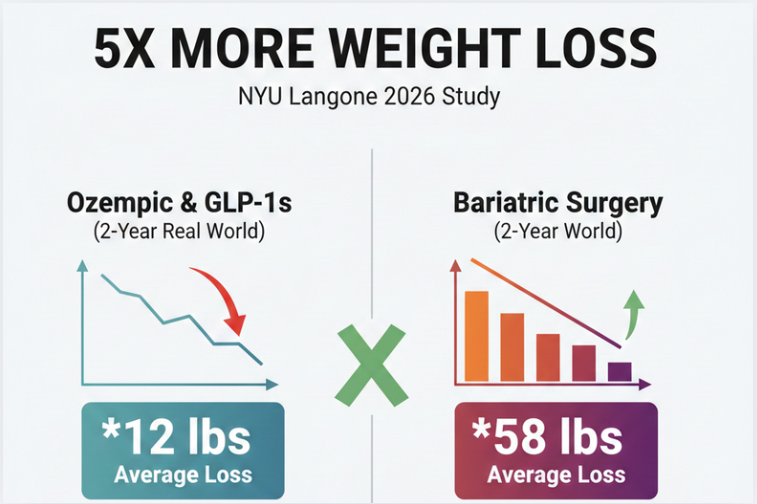
BMI Calculator +91 9820062040 | +91 8356977265 enquiry@thedigestive.in Digestive Health Institute by Dr. Muffi Home About us Dr. Muffazal Lakdawala, Founder Our Team Outreach OPD Training & Workshops Science & Magic of DHI Global Patient Program Work with DHI Eat Right Prescription Weight Management Support Emotional Wellness Rehabilitation Therapy Restorative Plastic Surgery Nutritional Supplements Obesity Support Group Test & Investigations Common FAQ’S Obesity Surgery Endoscopic-Gastric Balloon Endoscopic-Gastric Sleeve Revisional Bariatric Surgery Roux En Y Gastric Bypass SADI (malabsorptive) Sleeve Gastrectomy Sleeve + Optimal Weight Child Nutrition Lifestyle Nutrition Weight Management Gut Care Gut Reset Expert Care Diabetes Control Menopause Wellness PCOS Management Post Surgery Nutrition General Surgery General Surgery Adrenalectomy (Adrenal gland Removal) Appendectomy (Appendix Surgery) Cholecystectomy (Gallbladder Surgery) Hernia Surgery Hysterectomy (Uterus Removal Surgery) Splenectomy (Spleen Removal) VATS (Video-Assisted Thoracoscopy – Key hole Chest Surgery) GI Surgery Hydatid Cyst Removal (Liver Cyst Removal) Puestow’s Procedure (Chronic Pancreatitis Drainage Surgery) GI Oncology Gastric (Stomach) Cancer GEJ (Gastroesophageal Junction) Cancer Large Intestine Cancer (Colon & Rectum) Small Intestine Cancer (Small Bowel) Whipple’s Surgery (Pancreatic Cancer) Media & Stories Testimonials Our Health Partners Press Blogs Journal & Publication Connect Contact Us Locations Home About us Dr. Muffazal Lakdawala, Founder Our Team Outreach OPD Training & Workshops Science & Magic of DHI Global Patient Program Work with DHI Eat Right Prescription Weight Management Support Emotional Wellness Rehabilitation Therapy Restorative Plastic Surgery Nutritional Supplements Obesity Support Group Test & Investigations Common FAQ’S Obesity Surgery Endoscopic-Gastric Balloon Endoscopic-Gastric Sleeve Revisional Bariatric Surgery Roux En Y Gastric Bypass SADI (malabsorptive) Sleeve Gastrectomy Sleeve + Optimal Weight Child Nutrition Lifestyle Nutrition Weight Management Gut Care Gut Reset Expert Care Diabetes Control Menopause Wellness PCOS Management Post Surgery Nutrition General Surgery General Surgery Adrenalectomy (Adrenal gland Removal) Appendectomy (Appendix Surgery) Cholecystectomy (Gallbladder Surgery) Hernia Surgery Hysterectomy (Uterus Removal Surgery) Splenectomy (Spleen Removal) VATS (Video-Assisted Thoracoscopy – Key hole Chest Surgery) GI Surgery Hydatid Cyst Removal (Liver Cyst Removal) Puestow’s Procedure (Chronic Pancreatitis Drainage Surgery) GI Oncology Gastric (Stomach) Cancer GEJ (Gastroesophageal Junction) Cancer Large Intestine Cancer (Colon & Rectum) Small Intestine Cancer (Small Bowel) Whipple’s Surgery (Pancreatic Cancer) Media & Stories Testimonials Our Health Partners Press Blogs Journal & Publication Connect Contact Us Locations Digestive Health Institute by Dr. Muffi Home About us Dr. Muffazal Lakdawala Our Team Outreach OPD’s Training & Workshops Science & Magic of DHI Global Patient Program Work with DHI Eat Right Prescription Weight Management Optimal Weight Child Nutrition Lifestyle Nutrition Weight Management Gut Care Gut Reset Expert Care Diabetes Control Menopause Wellness PCOS Management Post Surgery Nutrition Obesity surgery Endoscopic- Gastric Balloon Endoscopic- Gastric Sleeve Revisional Bariatric Surgeries Roux En Y Gastric Bypass SADI Procedure Sleeve Gastrectomy Sleeve + Support Emotional Wellness Rehabilitation Therapy Restorative Plastic Surgery Nutritional Supplements Obesity Support Group Test & Investigations Common FAQ’S General Surgery General Surgery Adrenalectomy Appendectomy Cholecystectomy Hernia Surgery Hysterectomy Splenectomy Video-Assissted Thoracoscopy (VATS) GI Surgery Hydatid Cyst Removal Puestow’s Procedure GI Oncology Stomach Cancers GEJ (Gastroesophageal Junction) Cancer Large Intestine Cancer Small Intestine Cancer Whipple’s Surgery Media & Stories Testimonials Our Partners Press Blogs Journal & Publications Connect Contact Us Locations Home About us Dr. Muffazal Lakdawala Our Team Outreach OPD’s Training & Workshops Science & Magic of DHI Global Patient Program Work with DHI Eat Right Prescription Weight Management Optimal Weight Child Nutrition Lifestyle Nutrition Weight Management Gut Care Gut Reset Expert Care Diabetes Control Menopause Wellness PCOS Management Post Surgery Nutrition Obesity surgery Endoscopic- Gastric Balloon Endoscopic- Gastric Sleeve Revisional Bariatric Surgeries Roux En Y Gastric Bypass SADI Procedure Sleeve Gastrectomy Sleeve + Support Emotional Wellness Rehabilitation Therapy Restorative Plastic Surgery Nutritional Supplements Obesity Support Group Test & Investigations Common FAQ’S General Surgery General Surgery Adrenalectomy Appendectomy Cholecystectomy Hernia Surgery Hysterectomy Splenectomy Video-Assissted Thoracoscopy (VATS) GI Surgery Hydatid Cyst Removal Puestow’s Procedure GI Oncology Stomach Cancers GEJ (Gastroesophageal Junction) Cancer Large Intestine Cancer Small Intestine Cancer Whipple’s Surgery Media & Stories Testimonials Our Partners Press Blogs Journal & Publications Connect Contact Us Locations The Weight Loss Option That Beats Ozempic by 5 Times The Weight Loss Option That Beats Ozempic by 5 Times: Science’s 2026 Update The honeymoon phase with “the shot” is meeting a reality check. While Ozempic and Wegovy dominated headlines for years, a landmark 2025/2026 real-world study has finally revealed a clear winner for long-term results. If you are looking for the most effective way to lose weight and keep it off, there is one medical path that consistently beats Ozempic by a staggering 5 times in total weight loss: Bariatric (Metabolic) Surgery. Walking is one of the most natural and accessible forms of physical activity for adults and older teens. Unlike high-intensity workouts or medical interventions such as bariatric surgery, walking is low-impact, safe, and can be incorporated into daily routines without special equipment. Evidence shows that regular walking contributes significantly to weight loss, fat reduction, and obesity management. According to the Centers for Disease Control and Prevention (CDC), adults should aim for at least 150 minutes of moderate-intensity physical activity per week, and walking is a practical way to achieve this goal. The question many people ask is: How many steps per day are needed to see meaningful weight loss? The answer varies depending on factors such as body weight, age, metabolic rate, and diet. This blog provides evidence-based guidance on step goals, walking intensity, and practical tips for long-term weight management. The Study That Shook the Medical World Researchers at NYU Langone Health recently presented data from over 51,000 patients. Unlike clinical trials, which are “perfect world” scenarios, this study looked at how people actually lose weight in everyday life over a two-year period. The numbers were undeniable: Bariatric Surgery Patients: Lost an average of 58 pounds (24% of total body weight). Ozempic/GLP-1 Patients: Lost an average of 12 pounds (4.7% of total body weight). Mathematically, surgery led to 5.1 times more weight loss than the injections. But why is the gap so massive when Ozempic commercials promise 15% or more? Why “The Scalpel” Still Beats “The Needle” in 2026 1. The Adherence Gap
Yoga for Diabetes Control

BMI Calculator +91 9820062040 | +91 8356977265 enquiry@thedigestive.in Digestive Health Institute by Dr. Muffi Home About us Dr. Muffazal Lakdawala, Founder Our Team Outreach OPD Training & Workshops Science & Magic of DHI Global Patient Program Work with DHI Eat Right Prescription Weight Management Support Emotional Wellness Rehabilitation Therapy Restorative Plastic Surgery Nutritional Supplements Obesity Support Group Test & Investigations Common FAQ’S Obesity Surgery Endoscopic-Gastric Balloon Endoscopic-Gastric Sleeve Revisional Bariatric Surgery Roux En Y Gastric Bypass SADI (malabsorptive) Sleeve Gastrectomy Sleeve + Optimal Weight Child Nutrition Lifestyle Nutrition Weight Management Gut Care Gut Reset Expert Care Diabetes Control Menopause Wellness PCOS Management Post Surgery Nutrition General Surgery General Surgery Adrenalectomy (Adrenal gland Removal) Appendectomy (Appendix Surgery) Cholecystectomy (Gallbladder Surgery) Hernia Surgery Hysterectomy (Uterus Removal Surgery) Splenectomy (Spleen Removal) VATS (Video-Assisted Thoracoscopy – Key hole Chest Surgery) GI Surgery Hydatid Cyst Removal (Liver Cyst Removal) Puestow’s Procedure (Chronic Pancreatitis Drainage Surgery) GI Oncology Gastric (Stomach) Cancer GEJ (Gastroesophageal Junction) Cancer Large Intestine Cancer (Colon & Rectum) Small Intestine Cancer (Small Bowel) Whipple’s Surgery (Pancreatic Cancer) Media & Stories Testimonials Our Health Partners Press Blogs Journal & Publication Connect Contact Us Locations Home About us Dr. Muffazal Lakdawala, Founder Our Team Outreach OPD Training & Workshops Science & Magic of DHI Global Patient Program Work with DHI Eat Right Prescription Weight Management Support Emotional Wellness Rehabilitation Therapy Restorative Plastic Surgery Nutritional Supplements Obesity Support Group Test & Investigations Common FAQ’S Obesity Surgery Endoscopic-Gastric Balloon Endoscopic-Gastric Sleeve Revisional Bariatric Surgery Roux En Y Gastric Bypass SADI (malabsorptive) Sleeve Gastrectomy Sleeve + Optimal Weight Child Nutrition Lifestyle Nutrition Weight Management Gut Care Gut Reset Expert Care Diabetes Control Menopause Wellness PCOS Management Post Surgery Nutrition General Surgery General Surgery Adrenalectomy (Adrenal gland Removal) Appendectomy (Appendix Surgery) Cholecystectomy (Gallbladder Surgery) Hernia Surgery Hysterectomy (Uterus Removal Surgery) Splenectomy (Spleen Removal) VATS (Video-Assisted Thoracoscopy – Key hole Chest Surgery) GI Surgery Hydatid Cyst Removal (Liver Cyst Removal) Puestow’s Procedure (Chronic Pancreatitis Drainage Surgery) GI Oncology Gastric (Stomach) Cancer GEJ (Gastroesophageal Junction) Cancer Large Intestine Cancer (Colon & Rectum) Small Intestine Cancer (Small Bowel) Whipple’s Surgery (Pancreatic Cancer) Media & Stories Testimonials Our Health Partners Press Blogs Journal & Publication Connect Contact Us Locations Digestive Health Institute by Dr. Muffi Home About us Dr. Muffazal Lakdawala Our Team Outreach OPD’s Training & Workshops Science & Magic of DHI Global Patient Program Work with DHI Eat Right Prescription Weight Management Optimal Weight Child Nutrition Lifestyle Nutrition Weight Management Gut Care Gut Reset Expert Care Diabetes Control Menopause Wellness PCOS Management Post Surgery Nutrition Obesity surgery Endoscopic- Gastric Balloon Endoscopic- Gastric Sleeve Revisional Bariatric Surgeries Roux En Y Gastric Bypass SADI Procedure Sleeve Gastrectomy Sleeve + Support Emotional Wellness Rehabilitation Therapy Restorative Plastic Surgery Nutritional Supplements Obesity Support Group Test & Investigations Common FAQ’S General Surgery General Surgery Adrenalectomy Appendectomy Cholecystectomy Hernia Surgery Hysterectomy Splenectomy Video-Assissted Thoracoscopy (VATS) GI Surgery Hydatid Cyst Removal Puestow’s Procedure GI Oncology Stomach Cancers GEJ (Gastroesophageal Junction) Cancer Large Intestine Cancer Small Intestine Cancer Whipple’s Surgery Media & Stories Testimonials Our Partners Press Blogs Journal & Publications Connect Contact Us Locations Home About us Dr. Muffazal Lakdawala Our Team Outreach OPD’s Training & Workshops Science & Magic of DHI Global Patient Program Work with DHI Eat Right Prescription Weight Management Optimal Weight Child Nutrition Lifestyle Nutrition Weight Management Gut Care Gut Reset Expert Care Diabetes Control Menopause Wellness PCOS Management Post Surgery Nutrition Obesity surgery Endoscopic- Gastric Balloon Endoscopic- Gastric Sleeve Revisional Bariatric Surgeries Roux En Y Gastric Bypass SADI Procedure Sleeve Gastrectomy Sleeve + Support Emotional Wellness Rehabilitation Therapy Restorative Plastic Surgery Nutritional Supplements Obesity Support Group Test & Investigations Common FAQ’S General Surgery General Surgery Adrenalectomy Appendectomy Cholecystectomy Hernia Surgery Hysterectomy Splenectomy Video-Assissted Thoracoscopy (VATS) GI Surgery Hydatid Cyst Removal Puestow’s Procedure GI Oncology Stomach Cancers GEJ (Gastroesophageal Junction) Cancer Large Intestine Cancer Small Intestine Cancer Whipple’s Surgery Media & Stories Testimonials Our Partners Press Blogs Journal & Publications Connect Contact Us Locations Yoga for diabetes control Yoga for Diabetes Control: A Natural Approach to Better Blood Sugar Management Living with diabetes requires consistent lifestyle management, including proper nutrition, physical activity, stress control, and medical supervision. Among complementary approaches, yoga for diabetes control has gained increasing attention for its role in supporting blood sugar regulation, improving insulin sensitivity, and enhancing overall metabolic health. This article explains how yoga for diabetes control works, its physiological benefits, recommended practices, and how it fits into a structured diabetes management plan. The information is intended to raise awareness and support informed decision-making, not replace medical treatment. Understanding Diabetes and Blood Sugar Regulation Diabetes mellitus is a chronic metabolic condition characterized by elevated blood glucose levels. It occurs due to inadequate insulin production, impaired insulin action, or both. Over time, uncontrolled blood sugar can affect the heart, kidneys, eyes, nerves, and blood vessels. Effective diabetes management focuses on: Maintaining stable blood glucose levels Improving insulin sensitivity Reducing inflammation Managing body weight Minimizing long-term complications Alongside medical care, lifestyle-based strategies such as yoga for diabetes control can play a supportive role. How Yoga for Diabetes Control Supports Metabolic Health 1. Improves Insulin Sensitivity Regular yoga practice helps muscles utilize glucose more efficiently. This improved glucose uptake can reduce insulin resistance, particularly in individuals with type 2 diabetes. Over time, yoga for diabetes control may help stabilize fasting and post-meal blood sugar levels. 2. Reduces Stress-Related Blood Sugar Spikes Stress hormones such as cortisol can raise blood glucose levels. Breathing exercises and meditation included in yoga for diabetes control activate the parasympathetic nervous system, lowering stress and supporting hormonal balance. 3. Supports Weight Management Excess body weight is a key contributor to insulin resistance. When combined with dietary guidance, diabetes management yoga supports gradual, sustainable weight control, which directly improves blood sugar regulation. Scientific Basis of Yoga for Blood Sugar Control Several clinical studies suggest that yoga for blood sugar control can: Lower fasting blood glucose Improve HbA1c levels Enhance lipid profiles Reduce oxidative stress These effects are attributed to improved pancreatic function, better muscle glucose uptake,
Stomach Cancer Symptoms
Stomach Cancer Symptoms Stomach cancer (also called gastric cancer) often develops silently. In its early stages, symptoms are mild and easily mistaken for common digestive problems, which is why many cases are diagnosed late. Understanding stomach cancer symptoms by stage can help with early detection, timely treatment, and better survival outcomes. What Is Stomach Cancer? Stomach cancer occurs when abnormal cells grow uncontrollably in the lining of the stomach. Over time, these cancer cells can spread deeper into the stomach wall and to nearby organs. It is more common in people: Above 40 years of age With long-term acidity or H. pylori infection Who smoke or consume excess alcohol With a family history of gastric cancer Early Stomach Cancer Symptoms (Stage 1) In Stage 1 stomach cancer, symptoms are often vague or absent, which makes early diagnosis difficult. Common Stage 1 symptoms: Persistent indigestion or acidity Feeling full after eating small amounts Mild nausea Occasional stomach discomfort Loss of appetite Unexplained fatigue Important: These symptoms may look harmless, but if they persist for more than 2–3 weeks, medical evaluation is essential. Stage 2 Stomach Cancer Symptoms As the cancer grows deeper into the stomach wall, symptoms become more noticeable. Common Stage 2 symptoms: Ongoing stomach pain or burning sensation Persistent bloating after meals Nausea and vomiting Unintentional weight loss Difficulty digesting food Mild anemia causing weakness or dizziness At this stage, cancer is still treatable with good outcomes if diagnosed early. Late-Stage Stomach Cancer Symptoms (Stage 3 & 4) In advanced stages, stomach cancer symptoms become severe and systemic as the cancer spreads. Late-stage stomach cancer symptoms include: Severe and constant abdominal pain Vomiting blood Black or tarry stools Significant weight loss Difficulty swallowing Severe anemia Ascites (fluid buildup in the abdomen) Jaundice (yellowing of eyes and skin) Extreme fatigue These symptoms require immediate medical attention. Stage-Wise Summary of Stomach Cancer Symptoms When Should You Suspect Stomach Cancer? You should consult a doctor if you experience: Persistent indigestion not responding to treatment Appetite loss with unexplained weight loss Ongoing stomach pain Vomiting blood or black stools Anemia with digestive symptoms Early detection significantly improves survival rates. How Is Stomach Cancer Diagnosed? Doctors may recommend: Upper GI endoscopy Biopsy CT scan or PET scan Blood tests Endoscopic ultrasound Diagnosis at an early stage allows for less aggressive treatment and better recovery. Can Stomach Cancer Symptoms Be Misdiagnosed? Yes. Early stomach cancer is often confused with: Gastritis Acid reflux (GERD) Peptic ulcer disease Food intolerance That is why persistent symptoms should never be ignored, especially in high-risk individuals. Is Stomach Cancer Curable? Stomach cancer is highly treatable when detected early. Treatment options include: Surgery Chemotherapy Targeted therapy Immunotherapy (in selected cases) Early-stage patients have a much higher survival rate than those diagnosed late. Final Thoughts: Don’t Ignore Early Stomach Cancer Symptoms Stomach cancer symptoms often start subtly but worsen over time. Recognizing early warning signs and understanding stage-wise symptoms can save lives. If digestive symptoms persist or worsen, timely evaluation by a specialist can make a life-changing difference. FAQs: Stomach Cancer Symptoms 1.What are the first signs of stomach cancer? The earliest signs include indigestion, feeling full quickly, appetite loss, and mild stomach discomfort. 2.Can stomach cancer cause acidity symptoms? Yes, early stomach cancer can mimic acidity or gastritis, making diagnosis challenging. 3.Are stomach cancer symptoms different in men and women? Symptoms are generally similar in both men and women, though women may experience delayed diagnosis due to subtle early signs.4.Can stomach cancer symptoms come and go? Yes, early stomach cancer symptoms can come and go, which often causes delays in diagnosis. Mild indigestion, bloating, or discomfort may temporarily improve but return over time. Persistent or recurring symptoms should always be medically evaluated. 5.How long do stomach cancer symptoms take to appear? Stomach cancer symptoms may take months or even years to become noticeable. Early-stage cancer often has no clear symptoms, which is why regular checkups are important for high-risk individuals or those with long-term digestive issues. Share This Post Future of Weight Loss & Bariatric Care 2026 Difference Between Reconstructive and Cosmetic Diabetes Diet Chart Stomach Cancer Symptoms Life Expectancy After Total Hysterectomy What Causes Hernia in Women? The Relationship Between Obesity, PCOS, and Menopause in Women Top 10 Common Causes of Obesity You Should Know
What Causes Hernia in Women?
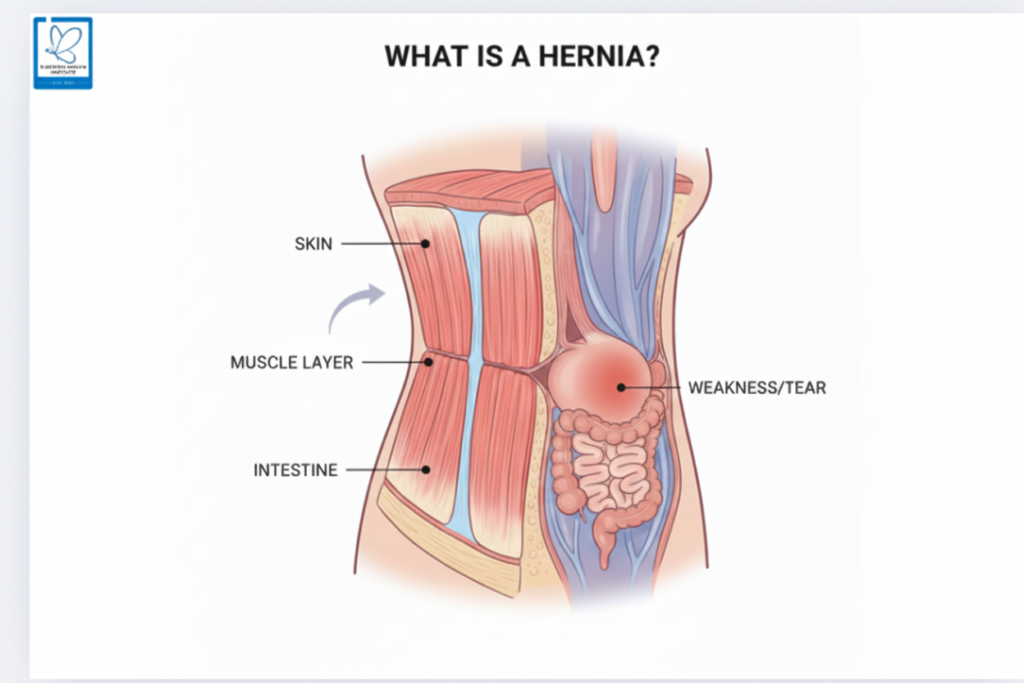
What Causes Hernia in Women? Understanding what causes hernia in women is important because these conditions are often missed or misdiagnosed. A hernia develops when internal tissue pushes through a weakened area of muscle or connective tissue. In women, hernias may present with subtle or deep-seated symptoms that are commonly mistaken for pelvic pain or gynecological issues. Recognizing the underlying causes early can help in timely diagnosis, effective treatment, and safer long-term management. Understanding Hernias in Women Unlike men, women may not always develop a visible bulge. Hernias in females frequently cause pressure, heaviness, or aching pain, especially during physical activity or prolonged standing. This makes clinical awareness especially important. Primary Causes of Hernia in Women Increased Pressure Inside the Abdomen Any condition that raises abdominal pressure over time can contribute to hernia formation. This includes: Pregnancy Excess body weight Persistent coughing Long-term constipation Repeated pressure weakens muscle fibers, allowing tissue to protrude. Muscle and Connective Tissue Weakness Some women have naturally weaker connective tissue. Hormonal changes, aging, and reduced collagen strength can further weaken the abdominal wall, increasing hernia risk even without heavy exertion. Pregnancy and Post-Delivery Changes During pregnancy, abdominal muscles stretch significantly. After childbirth, especially following multiple pregnancies or cesarean sections, muscles may not regain full strength, creating weak points. Previous Abdominal or Pelvic Surgery Surgical incisions can disrupt muscle integrity. Over time, scar tissue may weaken, leading to hernia development near the surgical site. Physical Strain and Improper Movement Sudden exertion, poor lifting techniques, or returning to intense exercise too quickly after pregnancy or surgery can strain abdominal muscles and contribute to hernia formation. Risk Factors More Common in Women Multiple pregnancies Cesarean deliveries Pelvic or uterine surgeries Obesity or rapid weight changes Menopause-related muscle changes Family history of hernia Types of Hernias Seen in Women Symptoms Women Should Not Ignore Hernia symptoms can vary, but commonly include: Persistent groin or abdominal pain Heaviness or pressure sensation Pain during lifting or coughing Swelling that reduces when lying down Unexplained pelvic discomfort Some women experience pain without swelling, which delays diagnosis. How Hernias Are Identified Diagnosis is based on: Clinical examination Ultrasound imaging CT or MRI scans for complex or hidden hernias Accurate diagnosis is essential to avoid serious complications. Treatment Approach Conservative Measures Lifestyle changes may reduce discomfort but do not correct the hernia. These include: Avoiding strain Managing constipation Activity modification Surgical Repair Surgery is the only definitive treatment. The method depends on hernia type, size, and patient factors. Modern techniques allow precise repair with faster recovery. Recovery Expectations Most women resume light activities within days. Full recovery depends on: Type of repair Overall health Adherence to post-operative guidance Can Hernias Be Prevented? Risk can be reduced by: Maintaining healthy weight Strengthening core muscles safely Using correct lifting techniques Allowing proper recovery after childbirth or surgery Treating chronic cough or constipation early When Medical Advice Is Needed Seek evaluation if: Pain increases over time A new swelling appears Daily activities become uncomfortable Symptoms worsen suddenly Prompt care lowers the risk of complications. Key Takeaway Hernias in women develop due to a combination of muscle weakness, physical strain, hormonal changes, and increased abdominal pressure. Understanding what causes hernia in women is essential because symptoms are often subtle and easily overlooked. Early awareness and timely medical evaluation play a crucial role in safe diagnosis and effective management. FAQs About the What Causes Hernia in Women Q1.What are the symptoms of a hernia in a woman? Symptoms of a hernia in a woman may include a dull or sharp pain in the abdomen or groin, a feeling of pressure or heaviness, discomfort while standing, lifting, or coughing, and swelling that may reduce when lying down. Some women experience pain without a visible bulge, especially with femoral or inguinal hernias. Q2. Is a hernia in a woman serious? A hernia can become serious if left untreated. While some hernias remain stable for a time, others can lead to complications such as trapped tissue or reduced blood supply, which may require urgent medical care. Early evaluation helps prevent these risks. Q3. How do they fix a hernia on a female? Hernias are usually repaired through surgery, where the weakened muscle area is strengthened and the protruding tissue is placed back in position. The repair can be done using open or minimally invasive techniques, depending on the type and size of the hernia. Q4. Can you fix a hernia without surgery? No. A hernia cannot be permanently fixed without surgery. Lifestyle changes may reduce discomfort, but they do not repair the muscle weakness causing the hernia. Q5. What are the early warning signs of a hernia? Early warning signs include mild discomfort in the abdomen or groin, pain that worsens with activity or coughing, a feeling of heaviness, or a small swelling that appears and disappears. In women, early signs may be subtle and are sometimes mistaken for pelvic or digestive issues. Share This Post Future of Weight Loss & Bariatric Care 2026 Difference Between Reconstructive and Cosmetic Diabetes Diet Chart Stomach Cancer Symptoms Life Expectancy After Total Hysterectomy What Causes Hernia in Women? The Relationship Between Obesity, PCOS, and Menopause in Women Top 10 Common Causes of Obesity You Should Know
Top 10 Common Causes of Obesity You Should Know
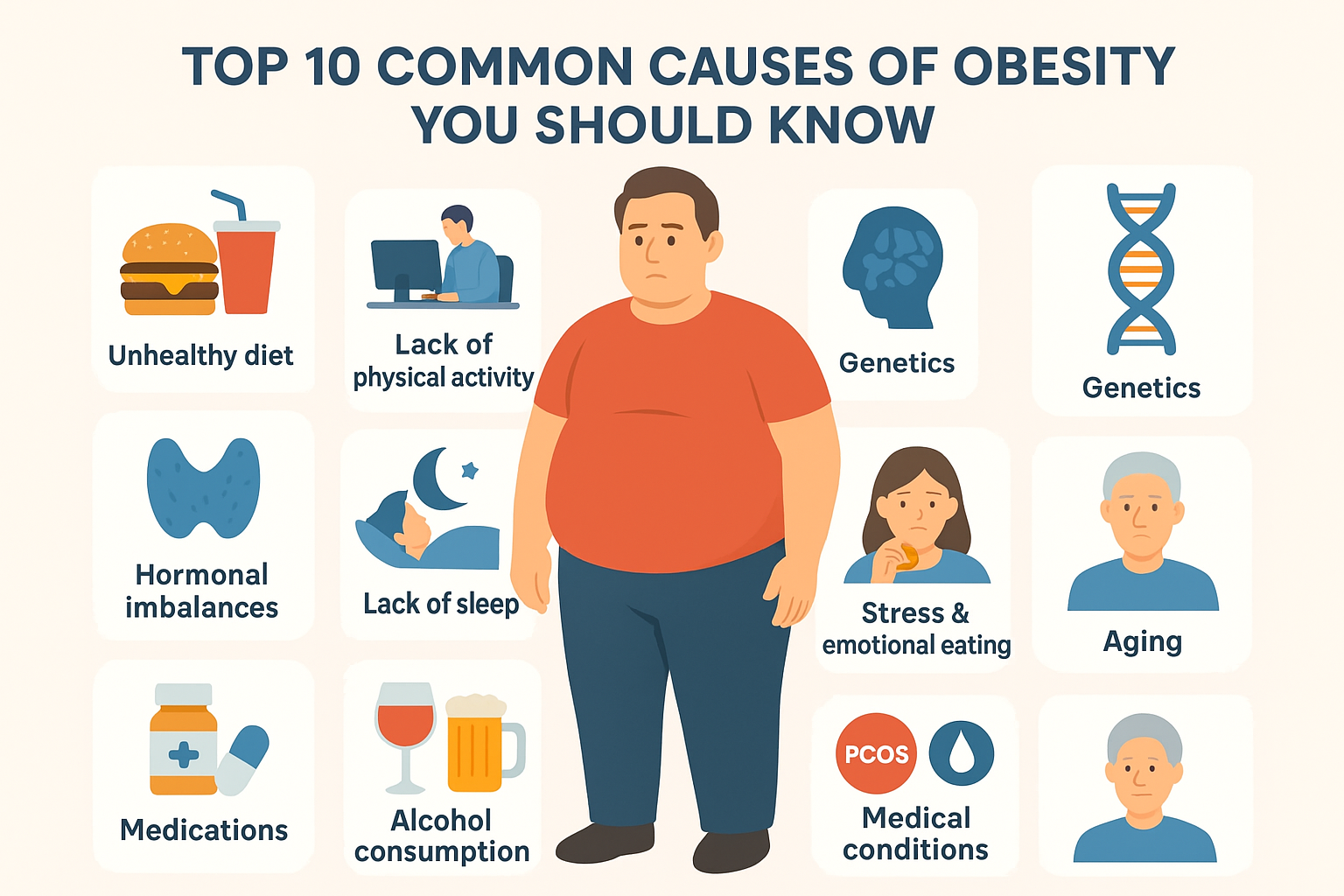
BMI Calculator +91 9820062040 | +91 8356977265 enquiry@thedigestive.in Digestive Health Institute by Dr. Muffi Home About us Dr. Muffazal Lakdawala, Founder Our Team Outreach OPD Training & Workshops Science & Magic of DHI Global Patient Program Work with DHI Eat Right Prescription Weight Management Support Emotional Wellness Rehabilitation Therapy Restorative Plastic Surgery Nutritional Supplements Obesity Support Group Test & Investigations Common FAQ’S Obesity Surgery Endoscopic-Gastric Balloon Endoscopic-Gastric Sleeve Revisional Bariatric Surgery Roux En Y Gastric Bypass SADI (malabsorptive) Sleeve Gastrectomy Sleeve + Optimal Weight Child Nutrition Lifestyle Nutrition Weight Management Gut Care Gut Reset Expert Care Diabetes Control Menopause Wellness PCOS Management Post Surgery Nutrition General Surgery General Surgery Adrenalectomy (Adrenal gland Removal) Appendectomy (Appendix Surgery) Cholecystectomy (Gallbladder Surgery) Hernia Surgery Hysterectomy (Uterus Removal Surgery) Splenectomy (Spleen Removal) VATS (Video-Assisted Thoracoscopy – Key hole Chest Surgery) GI Surgery Hydatid Cyst Removal (Liver Cyst Removal) Puestow’s Procedure (Chronic Pancreatitis Drainage Surgery) GI Oncology Gastric (Stomach) Cancer GEJ (Gastroesophageal Junction) Cancer Large Intestine Cancer (Colon & Rectum) Small Intestine Cancer (Small Bowel) Whipple’s Surgery (Pancreatic Cancer) Media & Stories Testimonials Our Health Partners Press Blogs Journal & Publication Connect Contact Us Locations Home About us Dr. Muffazal Lakdawala, Founder Our Team Outreach OPD Training & Workshops Science & Magic of DHI Global Patient Program Work with DHI Eat Right Prescription Weight Management Support Emotional Wellness Rehabilitation Therapy Restorative Plastic Surgery Nutritional Supplements Obesity Support Group Test & Investigations Common FAQ’S Obesity Surgery Endoscopic-Gastric Balloon Endoscopic-Gastric Sleeve Revisional Bariatric Surgery Roux En Y Gastric Bypass SADI (malabsorptive) Sleeve Gastrectomy Sleeve + Optimal Weight Child Nutrition Lifestyle Nutrition Weight Management Gut Care Gut Reset Expert Care Diabetes Control Menopause Wellness PCOS Management Post Surgery Nutrition General Surgery General Surgery Adrenalectomy (Adrenal gland Removal) Appendectomy (Appendix Surgery) Cholecystectomy (Gallbladder Surgery) Hernia Surgery Hysterectomy (Uterus Removal Surgery) Splenectomy (Spleen Removal) VATS (Video-Assisted Thoracoscopy – Key hole Chest Surgery) GI Surgery Hydatid Cyst Removal (Liver Cyst Removal) Puestow’s Procedure (Chronic Pancreatitis Drainage Surgery) GI Oncology Gastric (Stomach) Cancer GEJ (Gastroesophageal Junction) Cancer Large Intestine Cancer (Colon & Rectum) Small Intestine Cancer (Small Bowel) Whipple’s Surgery (Pancreatic Cancer) Media & Stories Testimonials Our Health Partners Press Blogs Journal & Publication Connect Contact Us Locations Digestive Health Institute by Dr. Muffi Home About us Dr. Muffazal Lakdawala Our Team Outreach OPD’s Training & Workshops Science & Magic of DHI Global Patient Program Work with DHI Eat Right Prescription Weight Management Optimal Weight Child Nutrition Lifestyle Nutrition Weight Management Gut Care Gut Reset Expert Care Diabetes Control Menopause Wellness PCOS Management Post Surgery Nutrition Obesity surgery Endoscopic- Gastric Balloon Endoscopic- Gastric Sleeve Revisional Bariatric Surgeries Roux En Y Gastric Bypass SADI Procedure Sleeve Gastrectomy Sleeve + Support Emotional Wellness Rehabilitation Therapy Restorative Plastic Surgery Nutritional Supplements Obesity Support Group Test & Investigations Common FAQ’S General Surgery General Surgery Adrenalectomy Appendectomy Cholecystectomy Hernia Surgery Hysterectomy Splenectomy Video-Assissted Thoracoscopy (VATS) GI Surgery Hydatid Cyst Removal Puestow’s Procedure GI Oncology Stomach Cancers GEJ (Gastroesophageal Junction) Cancer Large Intestine Cancer Small Intestine Cancer Whipple’s Surgery Media & Stories Testimonials Our Partners Press Blogs Journal & Publications Connect Contact Us Locations Home About us Dr. Muffazal Lakdawala Our Team Outreach OPD’s Training & Workshops Science & Magic of DHI Global Patient Program Work with DHI Eat Right Prescription Weight Management Optimal Weight Child Nutrition Lifestyle Nutrition Weight Management Gut Care Gut Reset Expert Care Diabetes Control Menopause Wellness PCOS Management Post Surgery Nutrition Obesity surgery Endoscopic- Gastric Balloon Endoscopic- Gastric Sleeve Revisional Bariatric Surgeries Roux En Y Gastric Bypass SADI Procedure Sleeve Gastrectomy Sleeve + Support Emotional Wellness Rehabilitation Therapy Restorative Plastic Surgery Nutritional Supplements Obesity Support Group Test & Investigations Common FAQ’S General Surgery General Surgery Adrenalectomy Appendectomy Cholecystectomy Hernia Surgery Hysterectomy Splenectomy Video-Assissted Thoracoscopy (VATS) GI Surgery Hydatid Cyst Removal Puestow’s Procedure GI Oncology Stomach Cancers GEJ (Gastroesophageal Junction) Cancer Large Intestine Cancer Small Intestine Cancer Whipple’s Surgery Media & Stories Testimonials Our Partners Press Blogs Journal & Publications Connect Contact Us Locations Top 10 Common Causes Of Obesity You Should Know Obesity is no longer just a cosmetic concern—it has become one of the most significant global health challenges of the 21st century. According to the World Health Organization (WHO), worldwide obesity rates have nearly tripled since 1975. Today, more than 1 billion people are obese, including 650 million adults, 340 million adolescents, and 39 million children. These numbers continue to rise at an alarming rate. While genetics and environment play a role, most obesity cases are preventable. Understanding the causes of obesity can help you make informed lifestyle choices, improve your health, and even reduce your risk of chronic diseases such as diabetes, heart disease, hypertension, and certain cancers. In this article, we’ll explore the top 10 most common causes of obesity, along with practical prevention strategies, weight loss tips, and treatment options—including bariatric surgery for severe cases. Let’s dive deeper into the root causes and find out how to overcome them. 1. Poor Dietary Habits One of the most obvious yet most overlooked causes of obesity is an unhealthy diet. Modern food culture encourages consumption of calorie-dense, nutrient-poor foods that contribute directly to weight gain. Foods and eating patterns that promote obesity: Fast food and fried items: Burgers, fries, and pizzas are packed with unhealthy fats and refined carbs. Sugary drinks: Sodas, energy drinks, and packaged juices often contain more sugar than a dessert. Processed snacks: Chips, biscuits, instant noodles, and packaged sweets provide empty calories. Large portion sizes: Supersized meals condition people to eat more than their body needs. Over time, these habits cause a calorie surplus, leading to fat storage, especially around the abdomen. Weight loss tips for diet improvement: Replace refined carbohydrates with whole grains such as oats, quinoa, and brown rice. Cut down on added sugars by avoiding packaged drinks and opting for water or unsweetened teas. Cook more meals at home to control ingredients and portion sizes. Follow the 80/20 rule: Eat nutrient-rich foods 80% of the time, and allow indulgence 20% of the time. A healthy diet isn’t about strict restrictions—it’s
Walking for Weight Loss: How Many Steps Do You Need Daily?
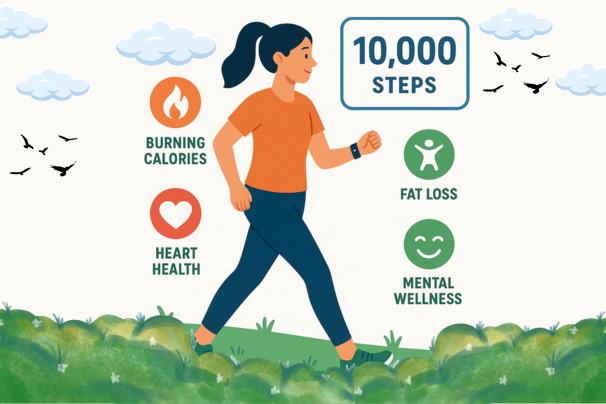
BMI Calculator +91 9820062040 | +91 8356977265 enquiry@thedigestive.in Digestive Health Institute by Dr. Muffi Home About us Dr. Muffazal Lakdawala, Founder Our Team Outreach OPD Training & Workshops Science & Magic of DHI Global Patient Program Work with DHI Eat Right Prescription Weight Management Support Emotional Wellness Rehabilitation Therapy Restorative Plastic Surgery Nutritional Supplements Obesity Support Group Test & Investigations Common FAQ’S Obesity Surgery Endoscopic-Gastric Balloon Endoscopic-Gastric Sleeve Revisional Bariatric Surgery Roux En Y Gastric Bypass SADI (malabsorptive) Sleeve Gastrectomy Sleeve + Optimal Weight Child Nutrition Lifestyle Nutrition Weight Management Gut Care Gut Reset Expert Care Diabetes Control Menopause Wellness PCOS Management Post Surgery Nutrition General Surgery General Surgery Adrenalectomy (Adrenal gland Removal) Appendectomy (Appendix Surgery) Cholecystectomy (Gallbladder Surgery) Hernia Surgery Hysterectomy (Uterus Removal Surgery) Splenectomy (Spleen Removal) VATS (Video-Assisted Thoracoscopy – Key hole Chest Surgery) GI Surgery Hydatid Cyst Removal (Liver Cyst Removal) Puestow’s Procedure (Chronic Pancreatitis Drainage Surgery) GI Oncology Gastric (Stomach) Cancer GEJ (Gastroesophageal Junction) Cancer Large Intestine Cancer (Colon & Rectum) Small Intestine Cancer (Small Bowel) Whipple’s Surgery (Pancreatic Cancer) Media & Stories Testimonials Our Health Partners Press Blogs Journal & Publication Connect Contact Us Locations Home About us Dr. Muffazal Lakdawala, Founder Our Team Outreach OPD Training & Workshops Science & Magic of DHI Global Patient Program Work with DHI Eat Right Prescription Weight Management Support Emotional Wellness Rehabilitation Therapy Restorative Plastic Surgery Nutritional Supplements Obesity Support Group Test & Investigations Common FAQ’S Obesity Surgery Endoscopic-Gastric Balloon Endoscopic-Gastric Sleeve Revisional Bariatric Surgery Roux En Y Gastric Bypass SADI (malabsorptive) Sleeve Gastrectomy Sleeve + Optimal Weight Child Nutrition Lifestyle Nutrition Weight Management Gut Care Gut Reset Expert Care Diabetes Control Menopause Wellness PCOS Management Post Surgery Nutrition General Surgery General Surgery Adrenalectomy (Adrenal gland Removal) Appendectomy (Appendix Surgery) Cholecystectomy (Gallbladder Surgery) Hernia Surgery Hysterectomy (Uterus Removal Surgery) Splenectomy (Spleen Removal) VATS (Video-Assisted Thoracoscopy – Key hole Chest Surgery) GI Surgery Hydatid Cyst Removal (Liver Cyst Removal) Puestow’s Procedure (Chronic Pancreatitis Drainage Surgery) GI Oncology Gastric (Stomach) Cancer GEJ (Gastroesophageal Junction) Cancer Large Intestine Cancer (Colon & Rectum) Small Intestine Cancer (Small Bowel) Whipple’s Surgery (Pancreatic Cancer) Media & Stories Testimonials Our Health Partners Press Blogs Journal & Publication Connect Contact Us Locations Digestive Health Institute by Dr. Muffi Home About us Dr. Muffazal Lakdawala Our Team Outreach OPD’s Training & Workshops Science & Magic of DHI Global Patient Program Work with DHI Eat Right Prescription Weight Management Optimal Weight Child Nutrition Lifestyle Nutrition Weight Management Gut Care Gut Reset Expert Care Diabetes Control Menopause Wellness PCOS Management Post Surgery Nutrition Obesity surgery Endoscopic- Gastric Balloon Endoscopic- Gastric Sleeve Revisional Bariatric Surgeries Roux En Y Gastric Bypass SADI Procedure Sleeve Gastrectomy Sleeve + Support Emotional Wellness Rehabilitation Therapy Restorative Plastic Surgery Nutritional Supplements Obesity Support Group Test & Investigations Common FAQ’S General Surgery General Surgery Adrenalectomy Appendectomy Cholecystectomy Hernia Surgery Hysterectomy Splenectomy Video-Assissted Thoracoscopy (VATS) GI Surgery Hydatid Cyst Removal Puestow’s Procedure GI Oncology Stomach Cancers GEJ (Gastroesophageal Junction) Cancer Large Intestine Cancer Small Intestine Cancer Whipple’s Surgery Media & Stories Testimonials Our Partners Press Blogs Journal & Publications Connect Contact Us Locations Home About us Dr. Muffazal Lakdawala Our Team Outreach OPD’s Training & Workshops Science & Magic of DHI Global Patient Program Work with DHI Eat Right Prescription Weight Management Optimal Weight Child Nutrition Lifestyle Nutrition Weight Management Gut Care Gut Reset Expert Care Diabetes Control Menopause Wellness PCOS Management Post Surgery Nutrition Obesity surgery Endoscopic- Gastric Balloon Endoscopic- Gastric Sleeve Revisional Bariatric Surgeries Roux En Y Gastric Bypass SADI Procedure Sleeve Gastrectomy Sleeve + Support Emotional Wellness Rehabilitation Therapy Restorative Plastic Surgery Nutritional Supplements Obesity Support Group Test & Investigations Common FAQ’S General Surgery General Surgery Adrenalectomy Appendectomy Cholecystectomy Hernia Surgery Hysterectomy Splenectomy Video-Assissted Thoracoscopy (VATS) GI Surgery Hydatid Cyst Removal Puestow’s Procedure GI Oncology Stomach Cancers GEJ (Gastroesophageal Junction) Cancer Large Intestine Cancer Small Intestine Cancer Whipple’s Surgery Media & Stories Testimonials Our Partners Press Blogs Journal & Publications Connect Contact Us Locations Walking for Weight Loss: How Many Steps Do You Need Daily? Walking as a Sustainable Weight Loss Tool Walking is one of the most natural and accessible forms of physical activity for adults and older teens. Unlike high-intensity workouts or medical interventions such as bariatric surgery, walking is low-impact, safe, and often recommended alongside a pre bariatric surgery diet. Evidence shows that regular walking contributes significantly to weight loss, fat reduction, and obesity management. According to the Centers for Disease Control and Prevention (CDC), adults should aim for at least 150 minutes of moderate-intensity physical activity per week, and walking is a practical way to achieve this goal. The question many people ask is: How many steps per day are needed to see meaningful weight loss? The answer varies depending on factors such as body weight, age, metabolic rate, and diet. This blog provides evidence-based guidance on step goals, walking intensity, and practical tips for long-term weight management. How Walking Supports Weight Loss Walking helps in multiple ways: Burns Calories: Walking increases total energy expenditure, creating a caloric deficit that is essential for weight loss. Boosts Metabolism: Brisk walking can elevate heart rate and stimulate fat metabolism, particularly when done consistently. Low Risk of Injury: Walking is gentle on the joints and suitable for overweight or obese individuals. Reduces Stress: Walking reduces cortisol levels, preventing stress-induced fat storage around the abdomen and helping people avoid confusing thirst and hunger. Improves Overall Health: Beyond weight loss, walking lowers the risk of cardiovascular disease, diabetes, and high blood pressure. A study published in the Journal of Physical Activity & Health found that walking 10,000 steps per day is associated with improved body composition and decreased waist circumference in adults. Walking vs Other Weight Loss Methods Method Pros Cons Walking Low-impact, sustainable, improves cardiovascular health Slower calorie burn than high-intensity exercise Running Burns more calories per minute, quick results Harder on joints, may be challenging for overweight individuals Gym Workouts Builds strength and tone muscles Requires time, money, and motivation Bariatric Surgery Rapid weight loss for severe obesity Invasive, costly,
Post-pregnancy Weight Loss: Safe and Effective Tips for New Mothers
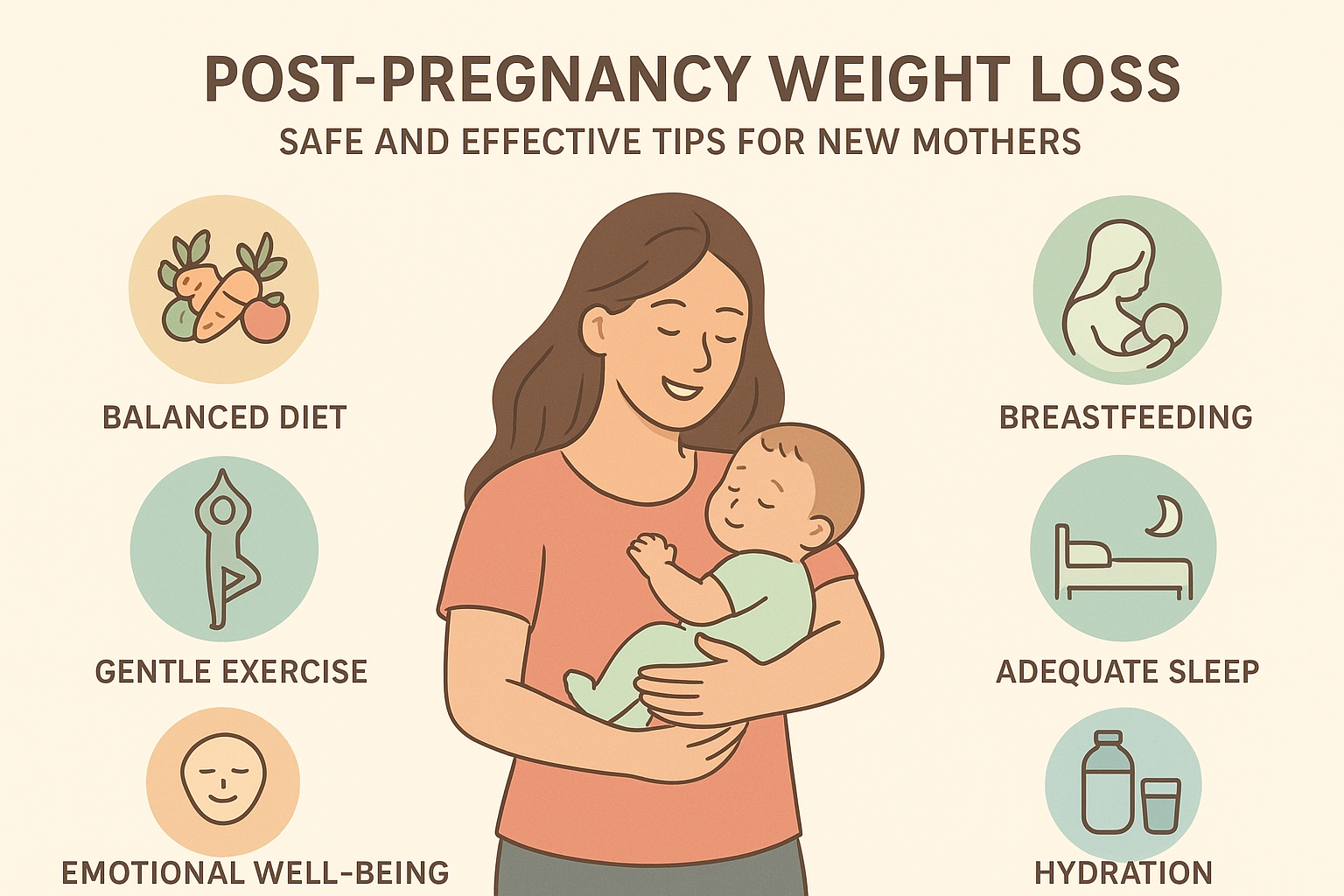
BMI Calculator +91 9820062040 | +91 8356977265 enquiry@thedigestive.in Digestive Health Institute by Dr. Muffi Home About us Dr. Muffazal Lakdawala, Founder Our Team Outreach OPD Training & Workshops Science & Magic of DHI Global Patient Program Work with DHI Eat Right Prescription Weight Management Support Emotional Wellness Rehabilitation Therapy Restorative Plastic Surgery Nutritional Supplements Obesity Support Group Test & Investigations Common FAQ’S Obesity Surgery Endoscopic-Gastric Balloon Endoscopic-Gastric Sleeve Revisional Bariatric Surgery Roux En Y Gastric Bypass SADI (malabsorptive) Sleeve Gastrectomy Sleeve + Optimal Weight Child Nutrition Lifestyle Nutrition Weight Management Gut Care Gut Reset Expert Care Diabetes Control Menopause Wellness PCOS Management Post Surgery Nutrition General Surgery General Surgery Adrenalectomy (Adrenal gland Removal) Appendectomy (Appendix Surgery) Cholecystectomy (Gallbladder Surgery) Hernia Surgery Hysterectomy (Uterus Removal Surgery) Splenectomy (Spleen Removal) VATS (Video-Assisted Thoracoscopy – Key hole Chest Surgery) GI Surgery Hydatid Cyst Removal (Liver Cyst Removal) Puestow’s Procedure (Chronic Pancreatitis Drainage Surgery) GI Oncology Gastric (Stomach) Cancer GEJ (Gastroesophageal Junction) Cancer Large Intestine Cancer (Colon & Rectum) Small Intestine Cancer (Small Bowel) Whipple’s Surgery (Pancreatic Cancer) Media & Stories Testimonials Our Health Partners Press Blogs Journal & Publication Connect Contact Us Locations Home About us Dr. Muffazal Lakdawala, Founder Our Team Outreach OPD Training & Workshops Science & Magic of DHI Global Patient Program Work with DHI Eat Right Prescription Weight Management Support Emotional Wellness Rehabilitation Therapy Restorative Plastic Surgery Nutritional Supplements Obesity Support Group Test & Investigations Common FAQ’S Obesity Surgery Endoscopic-Gastric Balloon Endoscopic-Gastric Sleeve Revisional Bariatric Surgery Roux En Y Gastric Bypass SADI (malabsorptive) Sleeve Gastrectomy Sleeve + Optimal Weight Child Nutrition Lifestyle Nutrition Weight Management Gut Care Gut Reset Expert Care Diabetes Control Menopause Wellness PCOS Management Post Surgery Nutrition General Surgery General Surgery Adrenalectomy (Adrenal gland Removal) Appendectomy (Appendix Surgery) Cholecystectomy (Gallbladder Surgery) Hernia Surgery Hysterectomy (Uterus Removal Surgery) Splenectomy (Spleen Removal) VATS (Video-Assisted Thoracoscopy – Key hole Chest Surgery) GI Surgery Hydatid Cyst Removal (Liver Cyst Removal) Puestow’s Procedure (Chronic Pancreatitis Drainage Surgery) GI Oncology Gastric (Stomach) Cancer GEJ (Gastroesophageal Junction) Cancer Large Intestine Cancer (Colon & Rectum) Small Intestine Cancer (Small Bowel) Whipple’s Surgery (Pancreatic Cancer) Media & Stories Testimonials Our Health Partners Press Blogs Journal & Publication Connect Contact Us Locations Digestive Health Institute by Dr. Muffi Home About us Dr. Muffazal Lakdawala Our Team Outreach OPD’s Training & Workshops Science & Magic of DHI Global Patient Program Work with DHI Eat Right Prescription Weight Management Optimal Weight Child Nutrition Lifestyle Nutrition Weight Management Gut Care Gut Reset Expert Care Diabetes Control Menopause Wellness PCOS Management Post Surgery Nutrition Obesity surgery Endoscopic- Gastric Balloon Endoscopic- Gastric Sleeve Revisional Bariatric Surgeries Roux En Y Gastric Bypass SADI Procedure Sleeve Gastrectomy Sleeve + Support Emotional Wellness Rehabilitation Therapy Restorative Plastic Surgery Nutritional Supplements Obesity Support Group Test & Investigations Common FAQ’S General Surgery General Surgery Adrenalectomy Appendectomy Cholecystectomy Hernia Surgery Hysterectomy Splenectomy Video-Assissted Thoracoscopy (VATS) GI Surgery Hydatid Cyst Removal Puestow’s Procedure GI Oncology Stomach Cancers GEJ (Gastroesophageal Junction) Cancer Large Intestine Cancer Small Intestine Cancer Whipple’s Surgery Media & Stories Testimonials Our Partners Press Blogs Journal & Publications Connect Contact Us Locations Home About us Dr. Muffazal Lakdawala Our Team Outreach OPD’s Training & Workshops Science & Magic of DHI Global Patient Program Work with DHI Eat Right Prescription Weight Management Optimal Weight Child Nutrition Lifestyle Nutrition Weight Management Gut Care Gut Reset Expert Care Diabetes Control Menopause Wellness PCOS Management Post Surgery Nutrition Obesity surgery Endoscopic- Gastric Balloon Endoscopic- Gastric Sleeve Revisional Bariatric Surgeries Roux En Y Gastric Bypass SADI Procedure Sleeve Gastrectomy Sleeve + Support Emotional Wellness Rehabilitation Therapy Restorative Plastic Surgery Nutritional Supplements Obesity Support Group Test & Investigations Common FAQ’S General Surgery General Surgery Adrenalectomy Appendectomy Cholecystectomy Hernia Surgery Hysterectomy Splenectomy Video-Assissted Thoracoscopy (VATS) GI Surgery Hydatid Cyst Removal Puestow’s Procedure GI Oncology Stomach Cancers GEJ (Gastroesophageal Junction) Cancer Large Intestine Cancer Small Intestine Cancer Whipple’s Surgery Media & Stories Testimonials Our Partners Press Blogs Journal & Publications Connect Contact Us Locations Post-pregnancy Weight Loss: Safe and Effective Tips for New Mothers Bringing a baby into the world is a beautiful experience, but for many mothers, the journey doesn’t end with childbirth. The postpartum period comes with physical, emotional, and lifestyle changes. One of the most common challenges new mothers face is post pregnancy weight gain. While it’s natural to gain weight during pregnancy, many women struggle to shed those extra kilos after delivery. If not managed carefully, weight issues after childbirth can lead to long-term health risks such as obesity, diabetes, and even postpartum depression. The good news is that with the right strategies, postpartum weight loss can be both safe and effective. This article dives deep into the causes of post-pregnancy weight gain, science-backed weight loss methods, lifestyle adjustments, and tips to ensure new mothers prioritize health without compromising their recovery. Why Post Pregnancy Weight Gain Happens Every woman’s body responds differently to pregnancy, but some common causes of postpartum weight gain include: Hormonal changes: Fluctuations in estrogen and progesterone can slow metabolism. Increased calorie intake during pregnancy: Many women continue pregnancy eating habits after delivery. Sedentary lifestyle: Recovery period reduces activity levels. Sleep deprivation: Lack of sleep increases cravings and stress hormones. Emotional eating: Stress, fatigue, and postpartum depression may trigger overeating. Understanding these factors is the first step toward achieving healthy postpartum weight loss. Postpartum Recovery: Why Weight Loss Should Be Gradual It’s important to remember that weight loss after childbirth is not about quick fixes. Doctors recommend waiting 6–8 weeks after delivery before starting any active weight loss plan. For mothers who have undergone C-section, recovery may take longer. Why gradual weight loss is essential: Prevents nutrient deficiency while breastfeeding. Allows the body to heal internally. Reduces the risk of postpartum depression triggered by extreme dieting. Helps build sustainable habits for long-term weight management. The goal should be health and well-being, not just numbers on the scale. Safe Postpartum Weight Loss Tips for New Mothers 1. Focus on Balanced Nutrition Your diet plays the biggest role in postpartum recovery and weight management. Eat whole
Childhood Obesity in India: Why It’s Rising and How to Control It
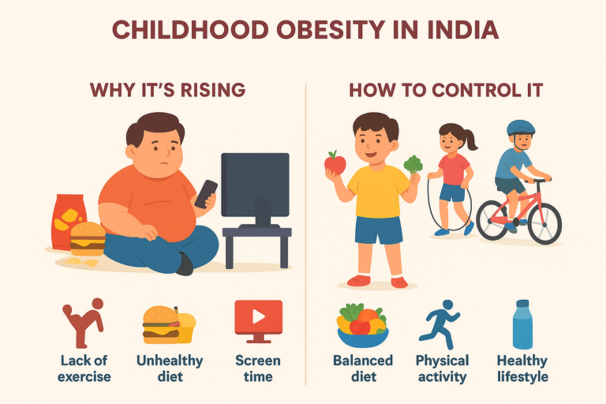
BMI Calculator +91 9820062040 | +91 8356977265 enquiry@thedigestive.in Digestive Health Institute by Dr. Muffi Home About us Dr. Muffazal Lakdawala, Founder Our Team Outreach OPD Training & Workshops Science & Magic of DHI Global Patient Program Work with DHI Eat Right Prescription Weight Management Support Emotional Wellness Rehabilitation Therapy Restorative Plastic Surgery Nutritional Supplements Obesity Support Group Test & Investigations Common FAQ’S Obesity Surgery Endoscopic-Gastric Balloon Endoscopic-Gastric Sleeve Revisional Bariatric Surgery Roux En Y Gastric Bypass SADI (malabsorptive) Sleeve Gastrectomy Sleeve + Optimal Weight Child Nutrition Lifestyle Nutrition Weight Management Gut Care Gut Reset Expert Care Diabetes Control Menopause Wellness PCOS Management Post Surgery Nutrition General Surgery General Surgery Adrenalectomy (Adrenal gland Removal) Appendectomy (Appendix Surgery) Cholecystectomy (Gallbladder Surgery) Hernia Surgery Hysterectomy (Uterus Removal Surgery) Splenectomy (Spleen Removal) VATS (Video-Assisted Thoracoscopy – Key hole Chest Surgery) GI Surgery Hydatid Cyst Removal (Liver Cyst Removal) Puestow’s Procedure (Chronic Pancreatitis Drainage Surgery) GI Oncology Gastric (Stomach) Cancer GEJ (Gastroesophageal Junction) Cancer Large Intestine Cancer (Colon & Rectum) Small Intestine Cancer (Small Bowel) Whipple’s Surgery (Pancreatic Cancer) Media & Stories Testimonials Our Health Partners Press Blogs Journal & Publication Connect Contact Us Locations Home About us Dr. Muffazal Lakdawala, Founder Our Team Outreach OPD Training & Workshops Science & Magic of DHI Global Patient Program Work with DHI Eat Right Prescription Weight Management Support Emotional Wellness Rehabilitation Therapy Restorative Plastic Surgery Nutritional Supplements Obesity Support Group Test & Investigations Common FAQ’S Obesity Surgery Endoscopic-Gastric Balloon Endoscopic-Gastric Sleeve Revisional Bariatric Surgery Roux En Y Gastric Bypass SADI (malabsorptive) Sleeve Gastrectomy Sleeve + Optimal Weight Child Nutrition Lifestyle Nutrition Weight Management Gut Care Gut Reset Expert Care Diabetes Control Menopause Wellness PCOS Management Post Surgery Nutrition General Surgery General Surgery Adrenalectomy (Adrenal gland Removal) Appendectomy (Appendix Surgery) Cholecystectomy (Gallbladder Surgery) Hernia Surgery Hysterectomy (Uterus Removal Surgery) Splenectomy (Spleen Removal) VATS (Video-Assisted Thoracoscopy – Key hole Chest Surgery) GI Surgery Hydatid Cyst Removal (Liver Cyst Removal) Puestow’s Procedure (Chronic Pancreatitis Drainage Surgery) GI Oncology Gastric (Stomach) Cancer GEJ (Gastroesophageal Junction) Cancer Large Intestine Cancer (Colon & Rectum) Small Intestine Cancer (Small Bowel) Whipple’s Surgery (Pancreatic Cancer) Media & Stories Testimonials Our Health Partners Press Blogs Journal & Publication Connect Contact Us Locations Digestive Health Institute by Dr. Muffi Home About us Dr. Muffazal Lakdawala Our Team Outreach OPD’s Training & Workshops Science & Magic of DHI Global Patient Program Work with DHI Eat Right Prescription Weight Management Optimal Weight Child Nutrition Lifestyle Nutrition Weight Management Gut Care Gut Reset Expert Care Diabetes Control Menopause Wellness PCOS Management Post Surgery Nutrition Obesity surgery Endoscopic- Gastric Balloon Endoscopic- Gastric Sleeve Revisional Bariatric Surgeries Roux En Y Gastric Bypass SADI Procedure Sleeve Gastrectomy Sleeve + Support Emotional Wellness Rehabilitation Therapy Restorative Plastic Surgery Nutritional Supplements Obesity Support Group Test & Investigations Common FAQ’S General Surgery General Surgery Adrenalectomy Appendectomy Cholecystectomy Hernia Surgery Hysterectomy Splenectomy Video-Assissted Thoracoscopy (VATS) GI Surgery Hydatid Cyst Removal Puestow’s Procedure GI Oncology Stomach Cancers GEJ (Gastroesophageal Junction) Cancer Large Intestine Cancer Small Intestine Cancer Whipple’s Surgery Media & Stories Testimonials Our Partners Press Blogs Journal & Publications Connect Contact Us Locations Home About us Dr. Muffazal Lakdawala Our Team Outreach OPD’s Training & Workshops Science & Magic of DHI Global Patient Program Work with DHI Eat Right Prescription Weight Management Optimal Weight Child Nutrition Lifestyle Nutrition Weight Management Gut Care Gut Reset Expert Care Diabetes Control Menopause Wellness PCOS Management Post Surgery Nutrition Obesity surgery Endoscopic- Gastric Balloon Endoscopic- Gastric Sleeve Revisional Bariatric Surgeries Roux En Y Gastric Bypass SADI Procedure Sleeve Gastrectomy Sleeve + Support Emotional Wellness Rehabilitation Therapy Restorative Plastic Surgery Nutritional Supplements Obesity Support Group Test & Investigations Common FAQ’S General Surgery General Surgery Adrenalectomy Appendectomy Cholecystectomy Hernia Surgery Hysterectomy Splenectomy Video-Assissted Thoracoscopy (VATS) GI Surgery Hydatid Cyst Removal Puestow’s Procedure GI Oncology Stomach Cancers GEJ (Gastroesophageal Junction) Cancer Large Intestine Cancer Small Intestine Cancer Whipple’s Surgery Media & Stories Testimonials Our Partners Press Blogs Journal & Publications Connect Contact Us Locations Childhood Obesity in India: Why It’s Rising and How to Control It Childhood obesity is emerging as one of India’s most pressing public health challenges. Once seen primarily in developed countries, it is now spreading rapidly across urban and even semi-urban India. According to the Indian Journal of Community Medicine, nearly 14.4 million children in India are obese, making it the second-largest country in terms of childhood obesity cases. Understanding the causes of obesity in children is crucial to reversing this trend. From poor diets and sedentary lifestyles to socioeconomic changes and lack of awareness, multiple factors are fueling the epidemic. If left unchecked, childhood obesity can lead to early onset of diabetes, heart disease, and lifelong health struggles. In this detailed blog, we’ll explore: Why childhood obesity in India is on the rise The key causes of obesity in children Long-term risks and complications Effective weight loss tips and obesity treatment options How families, schools, and healthcare providers can work together Let’s break down this growing crisis and see how it can be controlled. Why Childhood Obesity Is Rising in India Childhood obesity in India is increasing at an alarming rate, with both urbanization and lifestyle modernization playing major roles. Key factors behind the rise: Urban lifestyles: Children in cities have easy access to fast food and limited open spaces for physical activity. Dietary shifts: Traditional home-cooked meals are being replaced by processed foods and sugary drinks. Technology dependence: Screen time has increased dramatically, reducing outdoor play. Socioeconomic growth: With rising income levels, families are spending more on calorie-dense foods. In short, modernization has improved convenience but has also created an environment where children are more likely to consume excess calories and move less—two of the primary causes of obesity. Top Causes of Obesity in Indian Children To address the problem effectively, we must identify the root causes of obesity among children. 1. Unhealthy Dietary Habits The most direct cause is poor diet. Junk food is easily available, heavily marketed, and often considered “cool” by children. Processed snacks like chips, instant noodles, and biscuits dominate school
Obesity and Its Impact: How Bariatric Surgery Can Help Reverse Chronic Diseases
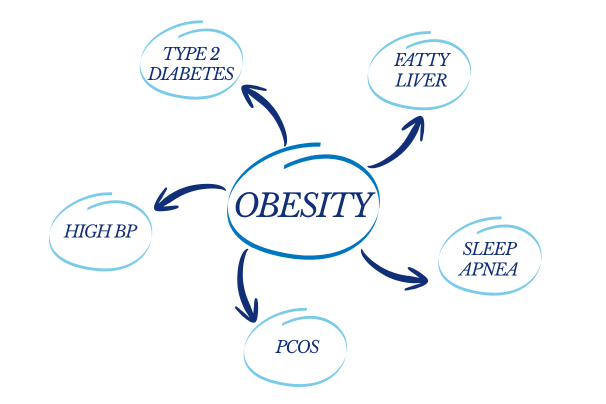
BMI Calculator +91 9820062040 | +91 8356977265 enquiry@thedigestive.in Digestive Health Institute by Dr. Muffi Home About us Dr. Muffazal Lakdawala, Founder Our Team Outreach OPD Training & Workshops Science & Magic of DHI Global Patient Program Work with DHI Eat Right Prescription Weight Management Support Emotional Wellness Rehabilitation Therapy Restorative Plastic Surgery Nutritional Supplements Obesity Support Group Test & Investigations Common FAQ’S Obesity Surgery Endoscopic-Gastric Balloon Endoscopic-Gastric Sleeve Revisional Bariatric Surgery Roux En Y Gastric Bypass SADI (malabsorptive) Sleeve Gastrectomy Sleeve + Optimal Weight Child Nutrition Lifestyle Nutrition Weight Management Gut Care Gut Reset Expert Care Diabetes Control Menopause Wellness PCOS Management Post Surgery Nutrition General Surgery General Surgery Adrenalectomy (Adrenal gland Removal) Appendectomy (Appendix Surgery) Cholecystectomy (Gallbladder Surgery) Hernia Surgery Hysterectomy (Uterus Removal Surgery) Splenectomy (Spleen Removal) VATS (Video-Assisted Thoracoscopy – Key hole Chest Surgery) GI Surgery Hydatid Cyst Removal (Liver Cyst Removal) Puestow’s Procedure (Chronic Pancreatitis Drainage Surgery) GI Oncology Gastric (Stomach) Cancer GEJ (Gastroesophageal Junction) Cancer Large Intestine Cancer (Colon & Rectum) Small Intestine Cancer (Small Bowel) Whipple’s Surgery (Pancreatic Cancer) Media & Stories Testimonials Our Health Partners Press Blogs Journal & Publication Connect Contact Us Locations Home About us Dr. Muffazal Lakdawala, Founder Our Team Outreach OPD Training & Workshops Science & Magic of DHI Global Patient Program Work with DHI Eat Right Prescription Weight Management Support Emotional Wellness Rehabilitation Therapy Restorative Plastic Surgery Nutritional Supplements Obesity Support Group Test & Investigations Common FAQ’S Obesity Surgery Endoscopic-Gastric Balloon Endoscopic-Gastric Sleeve Revisional Bariatric Surgery Roux En Y Gastric Bypass SADI (malabsorptive) Sleeve Gastrectomy Sleeve + Optimal Weight Child Nutrition Lifestyle Nutrition Weight Management Gut Care Gut Reset Expert Care Diabetes Control Menopause Wellness PCOS Management Post Surgery Nutrition General Surgery General Surgery Adrenalectomy (Adrenal gland Removal) Appendectomy (Appendix Surgery) Cholecystectomy (Gallbladder Surgery) Hernia Surgery Hysterectomy (Uterus Removal Surgery) Splenectomy (Spleen Removal) VATS (Video-Assisted Thoracoscopy – Key hole Chest Surgery) GI Surgery Hydatid Cyst Removal (Liver Cyst Removal) Puestow’s Procedure (Chronic Pancreatitis Drainage Surgery) GI Oncology Gastric (Stomach) Cancer GEJ (Gastroesophageal Junction) Cancer Large Intestine Cancer (Colon & Rectum) Small Intestine Cancer (Small Bowel) Whipple’s Surgery (Pancreatic Cancer) Media & Stories Testimonials Our Health Partners Press Blogs Journal & Publication Connect Contact Us Locations Digestive Health Institute by Dr. Muffi Home About us Dr. Muffazal Lakdawala Our Team Outreach OPD’s Training & Workshops Science & Magic of DHI Global Patient Program Work with DHI Eat Right Prescription Weight Management Optimal Weight Child Nutrition Lifestyle Nutrition Weight Management Gut Care Gut Reset Expert Care Diabetes Control Menopause Wellness PCOS Management Post Surgery Nutrition Obesity surgery Endoscopic- Gastric Balloon Endoscopic- Gastric Sleeve Revisional Bariatric Surgeries Roux En Y Gastric Bypass SADI Procedure Sleeve Gastrectomy Sleeve + Support Emotional Wellness Rehabilitation Therapy Restorative Plastic Surgery Nutritional Supplements Obesity Support Group Test & Investigations Common FAQ’S General Surgery General Surgery Adrenalectomy Appendectomy Cholecystectomy Hernia Surgery Hysterectomy Splenectomy Video-Assissted Thoracoscopy (VATS) GI Surgery Hydatid Cyst Removal Puestow’s Procedure GI Oncology Stomach Cancers GEJ (Gastroesophageal Junction) Cancer Large Intestine Cancer Small Intestine Cancer Whipple’s Surgery Media & Stories Testimonials Our Partners Press Blogs Journal & Publications Connect Contact Us Locations Home About us Dr. Muffazal Lakdawala Our Team Outreach OPD’s Training & Workshops Science & Magic of DHI Global Patient Program Work with DHI Eat Right Prescription Weight Management Optimal Weight Child Nutrition Lifestyle Nutrition Weight Management Gut Care Gut Reset Expert Care Diabetes Control Menopause Wellness PCOS Management Post Surgery Nutrition Obesity surgery Endoscopic- Gastric Balloon Endoscopic- Gastric Sleeve Revisional Bariatric Surgeries Roux En Y Gastric Bypass SADI Procedure Sleeve Gastrectomy Sleeve + Support Emotional Wellness Rehabilitation Therapy Restorative Plastic Surgery Nutritional Supplements Obesity Support Group Test & Investigations Common FAQ’S General Surgery General Surgery Adrenalectomy Appendectomy Cholecystectomy Hernia Surgery Hysterectomy Splenectomy Video-Assissted Thoracoscopy (VATS) GI Surgery Hydatid Cyst Removal Puestow’s Procedure GI Oncology Stomach Cancers GEJ (Gastroesophageal Junction) Cancer Large Intestine Cancer Small Intestine Cancer Whipple’s Surgery Media & Stories Testimonials Our Partners Press Blogs Journal & Publications Connect Contact Us Locations Obesity and Its Impact: How Bariatric Surgery Can Help Reverse Chronic Diseases Obesity is more than just a number on the weighing scale. It is a complex, chronic health condition that affects nearly every organ system in the body. Today, rising obesity rates are directly linked to the increased prevalence of life-altering diseases such as Type 2 diabetes, hypertension, PCOS, sleep apnea, and fatty liver disease. But there is hope. For those struggling with severe obesity and its related complications, bariatric surgery offers a powerful, scientifically backed intervention — not just for weight loss, but for reversing these chronic conditions. In this blog, we explore how obesity impacts the body, how these conditions are interconnected, and how procedures offered at the Digestive Health Institute by Dr. Muffi can help transform lives. 1. The Growing Burden of Obesity According to the World Health Organization (WHO), obesity has tripled worldwide since 1975. In India, more than 135 million people are affected by overweight and obesity — and the numbers are steadily rising. Obesity is not merely a cosmetic issue. It increases the risk of developing over 50 different health conditions. Even more concerning, it shortens life expectancy and impacts physical, emotional, and social well-being. 2. Diseases Linked to Obesity – Type 2 Diabetes Excess fat, especially abdominal fat, causes insulin resistance — where the body fails to respond to insulin properly. This leads to elevated blood sugar levels and ultimately results in Type 2 Diabetes. According to the International Diabetes Federation, more than 80% of people with Type 2 diabetes are overweight or obese. – Hypertension (High Blood Pressure) Obesity increases the workload on the heart. The excess fat tissue needs more oxygen and nutrients, which causes the heart to pump harder. This additional effort raises blood pressure levels, leading to chronic hypertension — a silent killer that significantly increases the risk of heart attacks and strokes. – PCOS (Polycystic Ovary Syndrome) In women, obesity aggravates hormonal imbalances and insulin resistance, both of which are key drivers of PCOS. Obese women with PCOS often experience irregular menstrual cycles, infertility,