Digestive Health Institute
by Dr. Muffi

Digestive Health Institute
by Dr. Muffi
Bariatric Surgery ICD10

Bariatric Surgery ICD 10 Codes: A Complete Guide for Patients and Healthcare Providers
Bariatric surgery has become one of the most effective treatments for severe obesity and obesity-related health conditions. Whether you are a patient researching weight-loss surgery or a healthcare provider handling medical documentation and billing, understanding Bariatric Surgery ICD 10 codes is essential.
In this blog, we will explain:
What bariatric surgery is
What ICD-10 codes mean
Common ICD-10 codes related to bariatric surgery
Why these codes are important
Frequently asked questions
Whether you’re exploring a 2-week pre bariatric surgery diet, a 3-month pre bariatric surgery diet, or a bariatric surgery pre-op diet, understanding what to eat, when, and how much is essential. This guide will help you navigate pre-op nutrition, improve your surgical outcomes, and set you up for long-term weight loss success.

What Is Bariatric Surgery?
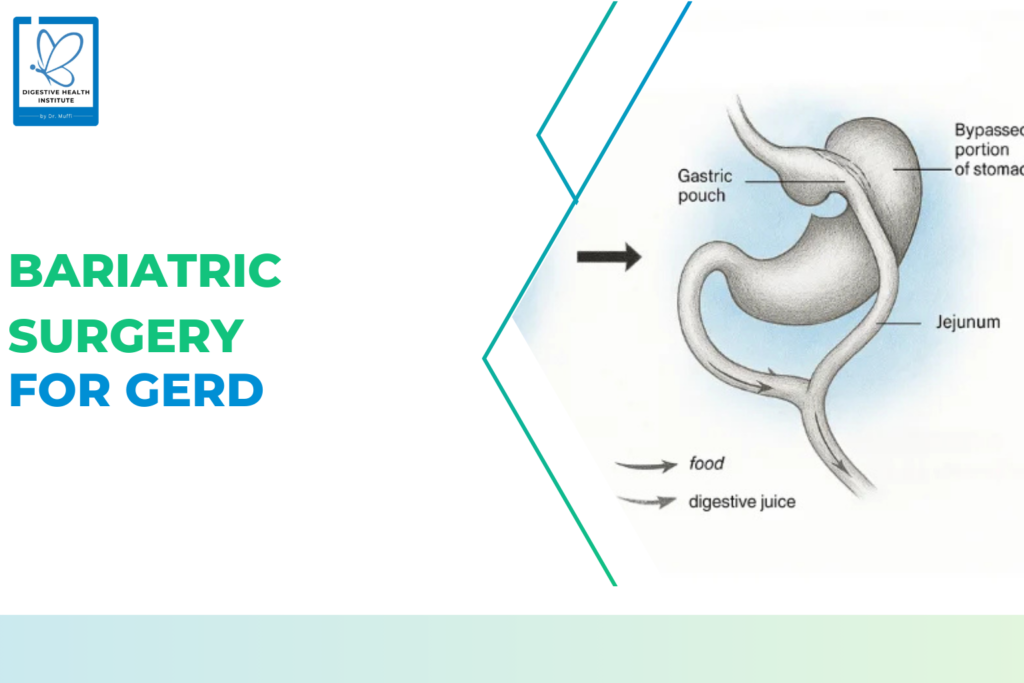
Bariatric surgery refers to surgical procedures designed to help with weight loss by changing the digestive system. These surgeries are usually recommended for individuals with severe obesity who have not achieved long-term success with diet, exercise, or medications.
Common Types of Bariatric Surgery
Gastric Bypass (Roux-en-Y)
Adjustable Gastric Band
Biliopancreatic Diversion with Duodenal Switch (BPD/DS)
Bariatric surgery not only helps with weight loss but also improves or resolves conditions such as:
Type 2 diabetes
High blood pressure
Sleep apnea
Heart disease
What Is ICD-10?
ICD-10 (International Classification of Diseases, 10th Revision) is a globally used medical coding system. It is used to:
Document diagnoses
Process insurance claims
Track health statistics
Ensure standardized medical records
For bariatric surgery, ICD-10 codes help describe:
Obesity diagnosis
Body Mass Index (BMI)
Post-surgical status
Complications, if any
Bariatric Surgery ICD-10 Codes Explained
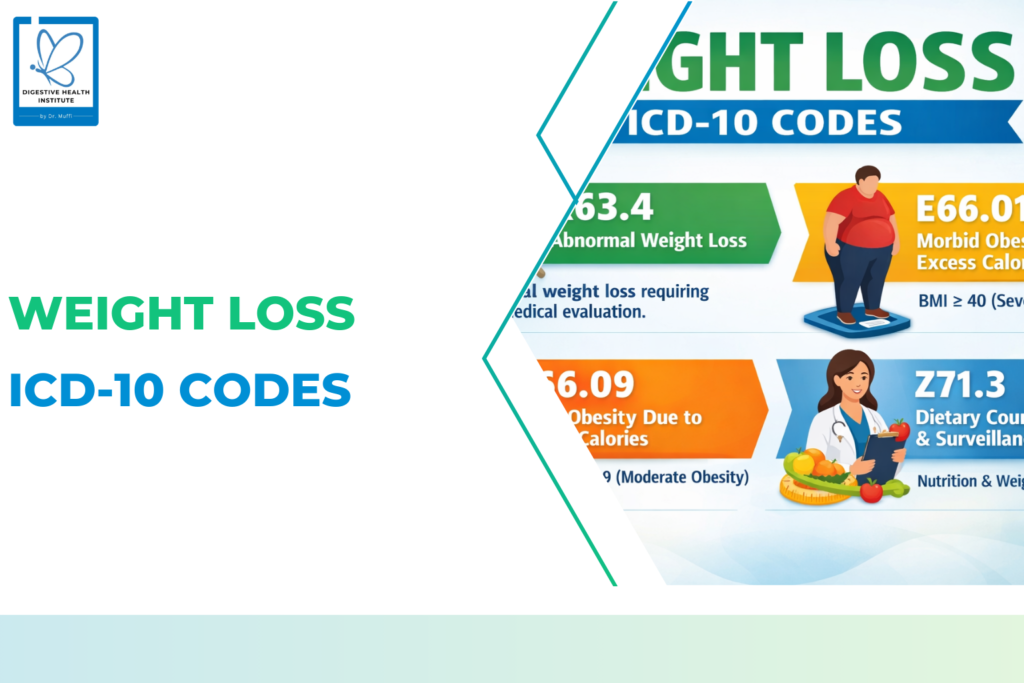
1. Obesity ICD-10 Codes (Primary Diagnosis)
These codes describe the medical reason for bariatric surgery.
| ICD-10 Code | Description |
|---|---|
| E66.01 | Morbid (severe) obesity due to excess calories |
| E66.09 | Other obesity due to excess calories |
| E66.2 | Morbid obesity with alveolar hypoventilation |
| E66.8 | Other obesity |
| E66.9 | Obesity, unspecified |
E66.01 is the most commonly used code for bariatric surgery eligibility.
2. BMI ICD-10 Codes (Z68 Category)
BMI codes are required by many insurance providers to approve bariatric surgery.
| ICD-10 Code | BMI Range |
|---|---|
| Z68.35 | BMI 35.0–35.9 |
| Z68.36 | BMI 36.0–36.9 |
| Z68.37 | BMI 37.0–37.9 |
| Z68.38 | BMI 38.0–38.9 |
| Z68.39 | BMI 39.0–39.9 |
| Z68.41–Z68.45 | BMI 40 and above |
Most bariatric surgeries are approved for patients with BMI ≥ 40, or BMI ≥ 35 with comorbid conditions.
3. Bariatric Surgery Status ICD-10 Code
After surgery, patients are assigned a status code.
| ICD-10 Code | Description |
|---|---|
| Z98.84 | Bariatric surgery status |
This code is used for:
Follow-up visits
Nutritional counseling
Monitoring long-term outcomes
4. Post-Bariatric Surgery Complication Codes
Complications, if they occur, must be coded correctly.
| ICD-10 Code | Description |
|---|---|
| K91.2 | Postsurgical malabsorption |
| E61.1 | Iron deficiency |
| E55.9 | Vitamin D deficiency |
| K95.89 | Other complications of bariatric procedure |

Why Are Bariatric Surgery ICD-10 Codes Important?
1. Insurance Approval
Accurate ICD-10 coding is critical for insurance coverage. Incorrect codes can lead to:
Claim denials
Delayed treatment
Financial burden on patients
2. Medical Documentation
ICD-10 codes ensure:
Clear communication between healthcare providers
Proper medical records
Legal and regulatory compliance
3. Long-Term Patient Care
Post-surgery status and complication codes help doctors:
Track patient progress
Prevent nutritional deficiencies
Manage long-term health risks
Who Uses Bariatric Surgery ICD-10 Codes?
Hospitals and surgical centers
Medical coders and billers
Insurance companies
Researchers and public health organizations
Final Thoughts
Understanding Bariatric Surgery ICD 10 codes is essential for both patients and healthcare professionals. These codes ensure accurate diagnosis, smoother insurance approval, proper documentation, and better long-term patient care.
If you are planning bariatric surgery or managing post-surgical care, always ensure that correct ICD 10 codes are used to avoid delays or claim denials.
FAQs About bariatric surgery icd 10
What is the most common ICD-10 code for bariatric surgery?
Z98.84 – Bariatric surgery status is the most commonly used ICD-10 code after bariatric surgery. It indicates that the patient has a history of a bariatric surgical procedure and is used during follow-up visits and long-term care.
Is ICD-10 coding mandatory for bariatric surgery?
Yes. ICD-10 coding is mandatory for bariatric surgery. These codes are required for accurate diagnosis documentation, insurance claims processing, compliance with healthcare regulations, and post-operative follow-up care.
Can bariatric surgery be coded without BMI?
In most cases, bariatric surgery cannot be coded without BMI. BMI codes from the Z68 series are usually required, especially for insurance approval, to confirm medical necessity based on obesity severity.
Does ICD-10 include procedure codes?
No. ICD-10 codes are used only for diagnoses, not procedures. Bariatric surgery procedures are coded using CPT codes (for outpatient and physician billing) or ICD-10-PCS codes (for inpatient hospital procedures).
What ICD-10 code is used for morbid obesity before bariatric surgery?
The most commonly used ICD-10 code is E66.01 – Morbid (severe) obesity due to excess calories. This code is often paired with a BMI code to establish eligibility for bariatric surgery.
Are ICD-10 codes needed for post-bariatric surgery follow-up visits?
Yes. During follow-up visits, ICD-10 codes such as Z98.84 (Bariatric surgery status) and any relevant nutritional deficiency or complication codes are necessary to document ongoing care and support insurance reimbursement.