Digestive Health Institute
by Dr. Muffi
Digestive Health Institute
by Dr. Muffi
What Is SADI-S Surgery? Everything You Need to Know Before Deciding
If you’re exploring advanced options for weight loss, you may have come across SADI-S Surgery. While the name sounds complex, the concept is straightforward: It’s a powerful bariatric procedure designed to
support significant, long-term weight loss and metabolic improvement.
Here’s everything you need to know before considering it.
What is SADI-S Surgery?
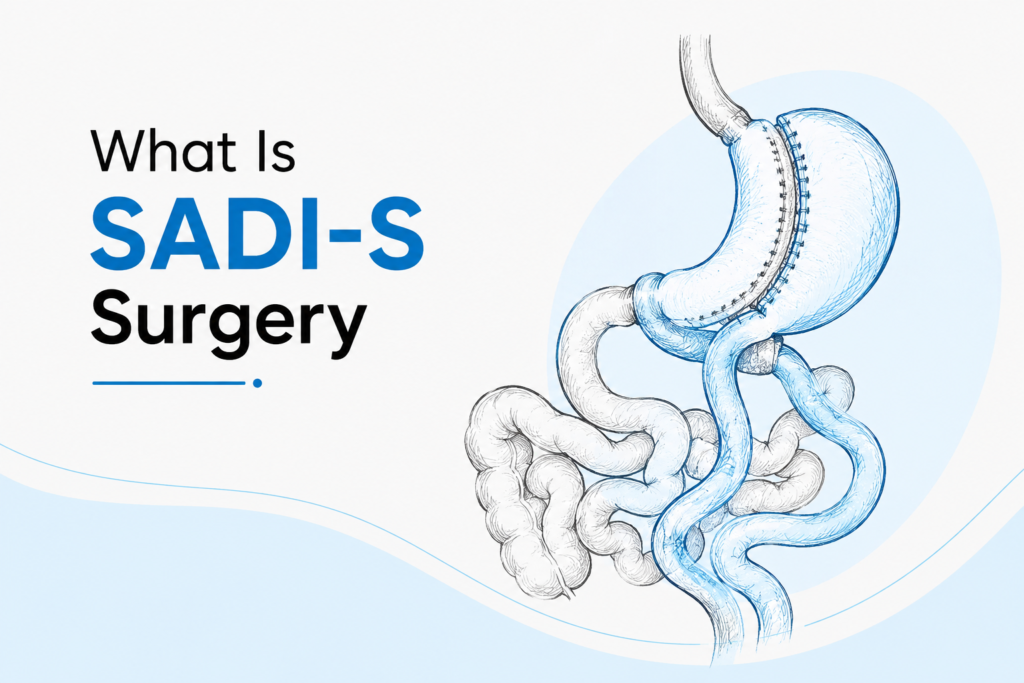
SADI-S stands for Single Anastomosis Duodeno-Ileal Bypass with Sleeve. It is a newer form of
bariatric surgery that combines two mechanisms:
1. A sleeve gastrectomy (reducing stomach size)
2. A bypass of part of the small intestine (reducing calorie absorption)
This dual approach makes it both restrictive (you eat less) and malabsorptive (you absorb fewer calories)
How Does It Work?
The procedure involves:
● Removing a portion of the stomach to create a smaller, sleeve-shaped stomach
● Connecting the stomach to a lower part of the intestine, bypassing a section of it
This leads to:
● Reduced hunger (due to hormonal changes)
● Early fullness
● Lower calorie absorption
● Improved blood sugar control
Who is It For?
SADI-S Surgery is typically recommended for:
● Individuals with severe obesity (higher BMI ranges)
● Patients with type 2 diabetes or metabolic syndrome
● Those who need greater and sustained weight loss
● In some cases, as a revision surgery after previous bariatric procedures
Benefits of SADI-S Surgery
1. Significant Weight Loss: Patients often experience greater weight loss compared to some other bariatric procedures.
2. Better Metabolic Control: It has a strong impact on blood sugar levels, often improving or resolving type 2 diabetes.
3. Reduced Hunger: Changes in gut hormones help decrease appetite.
4. Simpler Surgical Design: Compared to traditional bypass, it involves a single intestinal connection, which may reduce certain
surgical risks.
Things to Consider
Like any surgery, it comes with considerations:
● Nutritional deficiencies (due to reduced absorption)
● Need for lifelong vitamin and mineral supplementation
● Possible digestive changes which are manageable
● Requires strict long-term follow-up
This is not a “quick fix”: Commitment to lifestyle changes is essential.
Recovery & Lifestyle After Surgery
Recovery typically involves:
● Gradual return to normal activity over a few weeks
● Transition from liquid – solid – full diet in phases
● Building habits like:
- Protein-first meals
- Hydration discipline
- Regular exercise
- Routine medical follow-up
Final Thoughts
SADI-S is a powerful and effective bariatric option, but it’s not just about the surgery, it’s about the long-term term commitment that follows. The procedure sets the stage, but your daily habits determine the outcome.
If you’re considering this surgery, take the time to understand it fully, ask questions, and work closely with your Bariatric Surgeon to make an informed decision.
Still have questions about your digestive health? Watch our Instagram post on the SADI- Surgery for a quick visual guide and follow us for more expert insights from Dr. Muffazal Lakdawala. The Digestive
Health Institute
Our Instagram is where expertise meets everyday guidance. Follow us for evidence-based tips and real
patient experiences from our clinic. 👉 @thedigestivein