Pain in Right Side 2 Years After Gallbladder Removal
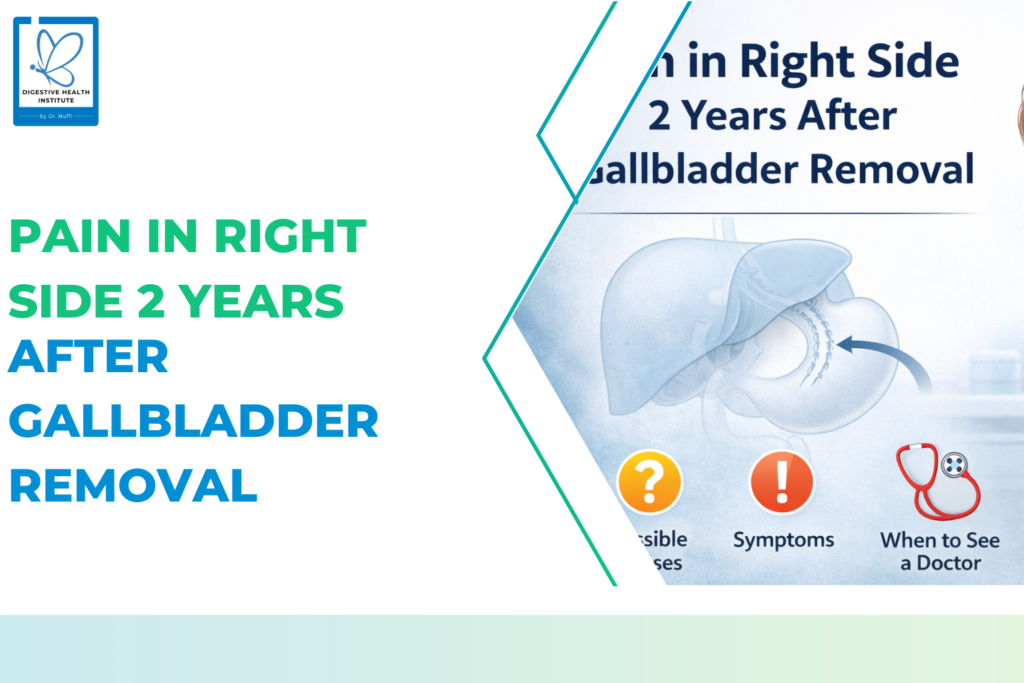
BMI Calculator +91 9820062040 | +91 8356977265 enquiry@thedigestive.in Digestive Health Institute by Dr. Muffi Home About us Dr. Muffazal Lakdawala, Founder Our Team Outreach OPD Training & Workshops Science & Magic of DHI Global Patient Program Work with DHI Eat Right Prescription Weight Management Support Emotional Wellness Rehabilitation Therapy Restorative Plastic Surgery Nutritional Supplements Obesity Support Group Test & Investigations Common FAQ’S Obesity Surgery Endoscopic-Gastric Balloon Endoscopic-Gastric Sleeve Revisional Bariatric Surgery Roux En Y Gastric Bypass SADI (malabsorptive) Sleeve Gastrectomy Sleeve + Optimal Weight Child Nutrition Lifestyle Nutrition Weight Management Gut Care Gut Reset Expert Care Diabetes Control Menopause Wellness PCOS Management Post Surgery Nutrition General Surgery General Surgery Adrenalectomy (Adrenal gland Removal) Appendectomy (Appendix Surgery) Cholecystectomy (Gallbladder Surgery) Hernia Surgery Hysterectomy (Uterus Removal Surgery) Splenectomy (Spleen Removal) VATS (Video-Assisted Thoracoscopy – Key hole Chest Surgery) GI Surgery Hydatid Cyst Removal (Liver Cyst Removal) Puestow’s Procedure (Chronic Pancreatitis Drainage Surgery) GI Oncology Gastric (Stomach) Cancer GEJ (Gastroesophageal Junction) Cancer Large Intestine Cancer (Colon & Rectum) Small Intestine Cancer (Small Bowel) Whipple’s Surgery (Pancreatic Cancer) Media & Stories Testimonials Our Health Partners Press Blogs Journal & Publication Connect Contact Us Locations Home About us Dr. Muffazal Lakdawala, Founder Our Team Outreach OPD Training & Workshops Science & Magic of DHI Global Patient Program Work with DHI Eat Right Prescription Weight Management Support Emotional Wellness Rehabilitation Therapy Restorative Plastic Surgery Nutritional Supplements Obesity Support Group Test & Investigations Common FAQ’S Obesity Surgery Endoscopic-Gastric Balloon Endoscopic-Gastric Sleeve Revisional Bariatric Surgery Roux En Y Gastric Bypass SADI (malabsorptive) Sleeve Gastrectomy Sleeve + Optimal Weight Child Nutrition Lifestyle Nutrition Weight Management Gut Care Gut Reset Expert Care Diabetes Control Menopause Wellness PCOS Management Post Surgery Nutrition General Surgery General Surgery Adrenalectomy (Adrenal gland Removal) Appendectomy (Appendix Surgery) Cholecystectomy (Gallbladder Surgery) Hernia Surgery Hysterectomy (Uterus Removal Surgery) Splenectomy (Spleen Removal) VATS (Video-Assisted Thoracoscopy – Key hole Chest Surgery) GI Surgery Hydatid Cyst Removal (Liver Cyst Removal) Puestow’s Procedure (Chronic Pancreatitis Drainage Surgery) GI Oncology Gastric (Stomach) Cancer GEJ (Gastroesophageal Junction) Cancer Large Intestine Cancer (Colon & Rectum) Small Intestine Cancer (Small Bowel) Whipple’s Surgery (Pancreatic Cancer) Media & Stories Testimonials Our Health Partners Press Blogs Journal & Publication Connect Contact Us Locations Digestive Health Institute by Dr. Muffi Home About us Dr. Muffazal Lakdawala Our Team Outreach OPD’s Training & Workshops Science & Magic of DHI Global Patient Program Work with DHI Eat Right Prescription Weight Management Optimal Weight Child Nutrition Lifestyle Nutrition Weight Management Gut Care Gut Reset Expert Care Diabetes Control Menopause Wellness PCOS Management Post Surgery Nutrition Obesity surgery Endoscopic- Gastric Balloon Endoscopic- Gastric Sleeve Revisional Bariatric Surgeries Roux En Y Gastric Bypass SADI Procedure Sleeve Gastrectomy Sleeve + Support Emotional Wellness Rehabilitation Therapy Restorative Plastic Surgery Nutritional Supplements Obesity Support Group Test & Investigations Common FAQ’S General Surgery General Surgery Adrenalectomy Appendectomy Cholecystectomy Hernia Surgery Hysterectomy Splenectomy Video-Assissted Thoracoscopy (VATS) GI Surgery Hydatid Cyst Removal Puestow’s Procedure GI Oncology Stomach Cancers GEJ (Gastroesophageal Junction) Cancer Large Intestine Cancer Small Intestine Cancer Whipple’s Surgery Media & Stories Testimonials Our Partners Press Blogs Journal & Publications Connect Contact Us Locations Home About us Dr. Muffazal Lakdawala Our Team Outreach OPD’s Training & Workshops Science & Magic of DHI Global Patient Program Work with DHI Eat Right Prescription Weight Management Optimal Weight Child Nutrition Lifestyle Nutrition Weight Management Gut Care Gut Reset Expert Care Diabetes Control Menopause Wellness PCOS Management Post Surgery Nutrition Obesity surgery Endoscopic- Gastric Balloon Endoscopic- Gastric Sleeve Revisional Bariatric Surgeries Roux En Y Gastric Bypass SADI Procedure Sleeve Gastrectomy Sleeve + Support Emotional Wellness Rehabilitation Therapy Restorative Plastic Surgery Nutritional Supplements Obesity Support Group Test & Investigations Common FAQ’S General Surgery General Surgery Adrenalectomy Appendectomy Cholecystectomy Hernia Surgery Hysterectomy Splenectomy Video-Assissted Thoracoscopy (VATS) GI Surgery Hydatid Cyst Removal Puestow’s Procedure GI Oncology Stomach Cancers GEJ (Gastroesophageal Junction) Cancer Large Intestine Cancer Small Intestine Cancer Whipple’s Surgery Media & Stories Testimonials Our Partners Press Blogs Journal & Publications Connect Contact Us Locations Pain in Right Side 2 Years After Gallbladder Removal Pain in Right Side 2 Years After Gallbladder Removal: Causes, Diagnosis & Treatment Guide Still experiencing pain in the right side even 2 years after gallbladder removal? You’re not alone and more importantly, this symptom should not be ignored. Gallbladder removal is generally a safe and effective procedure. Most patients feel better after surgery. However, some individuals develop persistent or new right upper abdominal pain months or even years later. Understanding why this happens is the first step toward proper treatment. Understanding Gallbladder Removal Surgery Gallbladder removal, medically known as Cholecystectomy, is performed to treat: Gallstones Gallbladder inflammation Gallbladder infection Biliary colic Today, most procedures are done laparoscopically (minimally invasive), allowing faster recovery and less pain. Once the gallbladder is removed: Bile flows directly from the liver into the small intestine The body adapts to this change over time But in some patients, this altered bile flow may contribute to ongoing digestive symptoms. Is It Normal to Have Pain 2 Years After Gallbladder Removal? Short answer: No, it is not considered normal. While mild digestive changes can occur early after surgery, persistent right-sided abdominal pain two years later requires evaluation. This condition is often grouped under: Postcholecystectomy syndrome Postcholecystectomy syndrome (PCS) refers to ongoing or new abdominal symptoms after gallbladder removal. Symptoms may appear: Immediately after surgery Months later Or even years later Causes of Right-Side Pain Years After Gallbladder Surgery The causes can be divided into biliary causes and non-biliary causes. BILIARY CAUSES (Related to the Bile Duct System) 1️ Retained or Recurrent Bile Duct Stones Sometimes: Small stones are left behind in the bile duct New stones form later These stones can block bile flow and cause: Sharp right upper abdominal pain Fever Yellowing of eyes (jaundice) Nausea and vomiting This condition may require endoscopic removal. 2️ Bile Duct Stricture (Narrowing) Scar tissue can narrow the bile duct over time. This leads to: Chronic discomfort Abnormal liver function tests Possible jaundice Strictures may develop gradually, explaining why pain appears years later. 3️ Sphincter of Oddi Dysfunction
Bariatric Surgery for GERD
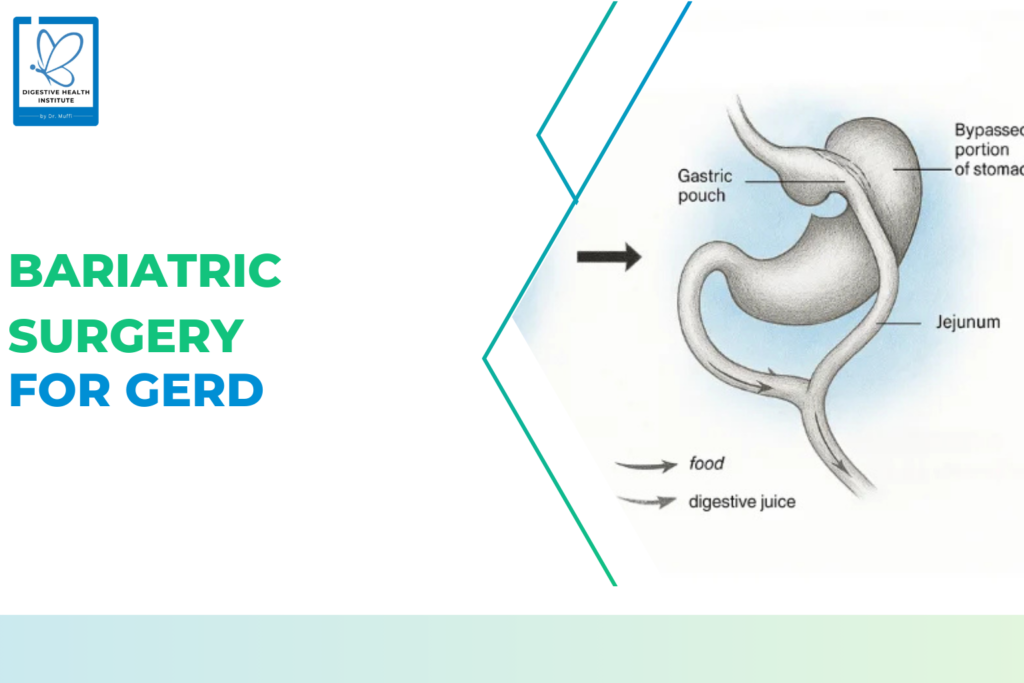
BMI Calculator +91 9820062040 | +91 8356977265 enquiry@thedigestive.in Digestive Health Institute by Dr. Muffi Home About us Dr. Muffazal Lakdawala, Founder Our Team Outreach OPD Training & Workshops Science & Magic of DHI Global Patient Program Work with DHI Eat Right Prescription Weight Management Support Emotional Wellness Rehabilitation Therapy Restorative Plastic Surgery Nutritional Supplements Obesity Support Group Test & Investigations Common FAQ’S Obesity Surgery Endoscopic-Gastric Balloon Endoscopic-Gastric Sleeve Revisional Bariatric Surgery Roux En Y Gastric Bypass SADI (malabsorptive) Sleeve Gastrectomy Sleeve + Optimal Weight Child Nutrition Lifestyle Nutrition Weight Management Gut Care Gut Reset Expert Care Diabetes Control Menopause Wellness PCOS Management Post Surgery Nutrition General Surgery General Surgery Adrenalectomy (Adrenal gland Removal) Appendectomy (Appendix Surgery) Cholecystectomy (Gallbladder Surgery) Hernia Surgery Hysterectomy (Uterus Removal Surgery) Splenectomy (Spleen Removal) VATS (Video-Assisted Thoracoscopy – Key hole Chest Surgery) GI Surgery Hydatid Cyst Removal (Liver Cyst Removal) Puestow’s Procedure (Chronic Pancreatitis Drainage Surgery) GI Oncology Gastric (Stomach) Cancer GEJ (Gastroesophageal Junction) Cancer Large Intestine Cancer (Colon & Rectum) Small Intestine Cancer (Small Bowel) Whipple’s Surgery (Pancreatic Cancer) Media & Stories Testimonials Our Health Partners Press Blogs Journal & Publication Connect Contact Us Locations Home About us Dr. Muffazal Lakdawala, Founder Our Team Outreach OPD Training & Workshops Science & Magic of DHI Global Patient Program Work with DHI Eat Right Prescription Weight Management Support Emotional Wellness Rehabilitation Therapy Restorative Plastic Surgery Nutritional Supplements Obesity Support Group Test & Investigations Common FAQ’S Obesity Surgery Endoscopic-Gastric Balloon Endoscopic-Gastric Sleeve Revisional Bariatric Surgery Roux En Y Gastric Bypass SADI (malabsorptive) Sleeve Gastrectomy Sleeve + Optimal Weight Child Nutrition Lifestyle Nutrition Weight Management Gut Care Gut Reset Expert Care Diabetes Control Menopause Wellness PCOS Management Post Surgery Nutrition General Surgery General Surgery Adrenalectomy (Adrenal gland Removal) Appendectomy (Appendix Surgery) Cholecystectomy (Gallbladder Surgery) Hernia Surgery Hysterectomy (Uterus Removal Surgery) Splenectomy (Spleen Removal) VATS (Video-Assisted Thoracoscopy – Key hole Chest Surgery) GI Surgery Hydatid Cyst Removal (Liver Cyst Removal) Puestow’s Procedure (Chronic Pancreatitis Drainage Surgery) GI Oncology Gastric (Stomach) Cancer GEJ (Gastroesophageal Junction) Cancer Large Intestine Cancer (Colon & Rectum) Small Intestine Cancer (Small Bowel) Whipple’s Surgery (Pancreatic Cancer) Media & Stories Testimonials Our Health Partners Press Blogs Journal & Publication Connect Contact Us Locations Digestive Health Institute by Dr. Muffi Home About us Dr. Muffazal Lakdawala Our Team Outreach OPD’s Training & Workshops Science & Magic of DHI Global Patient Program Work with DHI Eat Right Prescription Weight Management Optimal Weight Child Nutrition Lifestyle Nutrition Weight Management Gut Care Gut Reset Expert Care Diabetes Control Menopause Wellness PCOS Management Post Surgery Nutrition Obesity surgery Endoscopic- Gastric Balloon Endoscopic- Gastric Sleeve Revisional Bariatric Surgeries Roux En Y Gastric Bypass SADI Procedure Sleeve Gastrectomy Sleeve + Support Emotional Wellness Rehabilitation Therapy Restorative Plastic Surgery Nutritional Supplements Obesity Support Group Test & Investigations Common FAQ’S General Surgery General Surgery Adrenalectomy Appendectomy Cholecystectomy Hernia Surgery Hysterectomy Splenectomy Video-Assissted Thoracoscopy (VATS) GI Surgery Hydatid Cyst Removal Puestow’s Procedure GI Oncology Stomach Cancers GEJ (Gastroesophageal Junction) Cancer Large Intestine Cancer Small Intestine Cancer Whipple’s Surgery Media & Stories Testimonials Our Partners Press Blogs Journal & Publications Connect Contact Us Locations Home About us Dr. Muffazal Lakdawala Our Team Outreach OPD’s Training & Workshops Science & Magic of DHI Global Patient Program Work with DHI Eat Right Prescription Weight Management Optimal Weight Child Nutrition Lifestyle Nutrition Weight Management Gut Care Gut Reset Expert Care Diabetes Control Menopause Wellness PCOS Management Post Surgery Nutrition Obesity surgery Endoscopic- Gastric Balloon Endoscopic- Gastric Sleeve Revisional Bariatric Surgeries Roux En Y Gastric Bypass SADI Procedure Sleeve Gastrectomy Sleeve + Support Emotional Wellness Rehabilitation Therapy Restorative Plastic Surgery Nutritional Supplements Obesity Support Group Test & Investigations Common FAQ’S General Surgery General Surgery Adrenalectomy Appendectomy Cholecystectomy Hernia Surgery Hysterectomy Splenectomy Video-Assissted Thoracoscopy (VATS) GI Surgery Hydatid Cyst Removal Puestow’s Procedure GI Oncology Stomach Cancers GEJ (Gastroesophageal Junction) Cancer Large Intestine Cancer Small Intestine Cancer Whipple’s Surgery Media & Stories Testimonials Our Partners Press Blogs Journal & Publications Connect Contact Us Locations Bariatric Surgery for GERD Bariatric Surgery for GERD: Can Weight Loss Surgery Cure Acid Reflux? If you are struggling with both obesity and chronic acid reflux, you may be wondering: Can bariatric surgery help GERD? The answer is yes, but it depends on the type of bariatric surgery. Some procedures improve GERD significantly, while others may worsen it. Let’s understand this clearly. What Is GERD? Gastroesophageal Reflux Disease (GERD) is a condition where stomach acid frequently flows back into the food pipe (esophagus). Common symptoms include: Burning sensation in the chest (heartburn) Sour taste in the mouth Regurgitation of food or liquid Chronic cough Difficulty swallowing Nighttime reflux Obesity is one of the biggest risk factors for GERD because excess abdominal fat increases pressure on the stomach, pushing acid upward. Why Obesity Makes GERD Worse When a person is overweight or obese: Abdominal pressure increases The lower esophageal sphincter (LES) becomes weak Hiatal hernia risk increases Stomach empties more slowly This combination makes acid reflux more frequent and more severe. That’s why many patients with obesity also suffer from chronic GERD. Can Bariatric Surgery Improve GERD? Yes, but not all bariatric surgeries are equal when it comes to acid reflux. Let’s look at the main procedures. 1️ Gastric Bypass – Best Option for GERD Roux-en-Y gastric bypass is considered the gold standard for obese patients with severe GERD. Why it helps: Reduces stomach size Diverts acid away from the esophagus Decreases acid production Promotes major weight loss Studies show that gastric bypass can significantly reduce or even resolve GERD symptoms in most patients. If you have: Severe reflux Barrett’s esophagus Long-term medication dependence Obesity + GERD together Gastric bypass is often the preferred choice. 2️ Sleeve Gastrectomy – May Worsen GERD Sleeve gastrectomy is very popular for weight loss, but it can sometimes increase acid reflux. Why? The stomach becomes a high-pressure tube LES pressure may decrease Acid can travel upward more easily Some patients develop new GERD after sleeve surgery, while others experience worsening symptoms. However: Mild GERD may improve with weight loss Careful patient selection
Does Diarrhea Cause Weight Loss
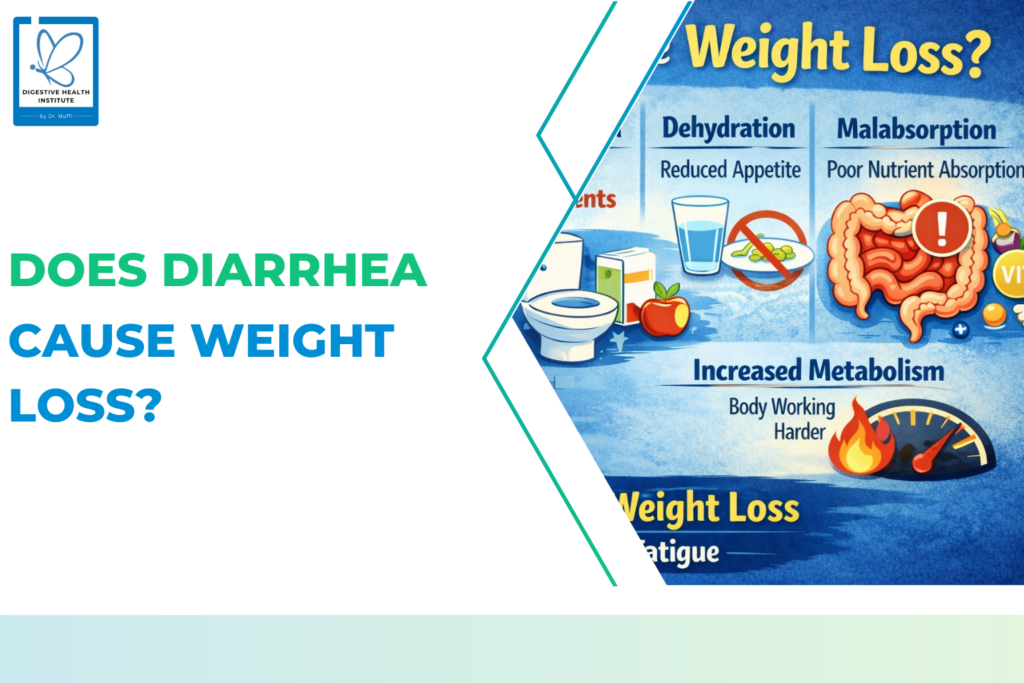
BMI Calculator +91 9820062040 | +91 8356977265 enquiry@thedigestive.in Digestive Health Institute by Dr. Muffi Home About us Dr. Muffazal Lakdawala, Founder Our Team Outreach OPD Training & Workshops Science & Magic of DHI Global Patient Program Work with DHI Eat Right Prescription Weight Management Support Emotional Wellness Rehabilitation Therapy Restorative Plastic Surgery Nutritional Supplements Obesity Support Group Test & Investigations Common FAQ’S Obesity Surgery Endoscopic-Gastric Balloon Endoscopic-Gastric Sleeve Revisional Bariatric Surgery Roux En Y Gastric Bypass SADI (malabsorptive) Sleeve Gastrectomy Sleeve + Optimal Weight Child Nutrition Lifestyle Nutrition Weight Management Gut Care Gut Reset Expert Care Diabetes Control Menopause Wellness PCOS Management Post Surgery Nutrition General Surgery General Surgery Adrenalectomy (Adrenal gland Removal) Appendectomy (Appendix Surgery) Cholecystectomy (Gallbladder Surgery) Hernia Surgery Hysterectomy (Uterus Removal Surgery) Splenectomy (Spleen Removal) VATS (Video-Assisted Thoracoscopy – Key hole Chest Surgery) GI Surgery Hydatid Cyst Removal (Liver Cyst Removal) Puestow’s Procedure (Chronic Pancreatitis Drainage Surgery) GI Oncology Gastric (Stomach) Cancer GEJ (Gastroesophageal Junction) Cancer Large Intestine Cancer (Colon & Rectum) Small Intestine Cancer (Small Bowel) Whipple’s Surgery (Pancreatic Cancer) Media & Stories Testimonials Our Health Partners Press Blogs Journal & Publication Connect Contact Us Locations Home About us Dr. Muffazal Lakdawala, Founder Our Team Outreach OPD Training & Workshops Science & Magic of DHI Global Patient Program Work with DHI Eat Right Prescription Weight Management Support Emotional Wellness Rehabilitation Therapy Restorative Plastic Surgery Nutritional Supplements Obesity Support Group Test & Investigations Common FAQ’S Obesity Surgery Endoscopic-Gastric Balloon Endoscopic-Gastric Sleeve Revisional Bariatric Surgery Roux En Y Gastric Bypass SADI (malabsorptive) Sleeve Gastrectomy Sleeve + Optimal Weight Child Nutrition Lifestyle Nutrition Weight Management Gut Care Gut Reset Expert Care Diabetes Control Menopause Wellness PCOS Management Post Surgery Nutrition General Surgery General Surgery Adrenalectomy (Adrenal gland Removal) Appendectomy (Appendix Surgery) Cholecystectomy (Gallbladder Surgery) Hernia Surgery Hysterectomy (Uterus Removal Surgery) Splenectomy (Spleen Removal) VATS (Video-Assisted Thoracoscopy – Key hole Chest Surgery) GI Surgery Hydatid Cyst Removal (Liver Cyst Removal) Puestow’s Procedure (Chronic Pancreatitis Drainage Surgery) GI Oncology Gastric (Stomach) Cancer GEJ (Gastroesophageal Junction) Cancer Large Intestine Cancer (Colon & Rectum) Small Intestine Cancer (Small Bowel) Whipple’s Surgery (Pancreatic Cancer) Media & Stories Testimonials Our Health Partners Press Blogs Journal & Publication Connect Contact Us Locations Digestive Health Institute by Dr. Muffi Home About us Dr. Muffazal Lakdawala Our Team Outreach OPD’s Training & Workshops Science & Magic of DHI Global Patient Program Work with DHI Eat Right Prescription Weight Management Optimal Weight Child Nutrition Lifestyle Nutrition Weight Management Gut Care Gut Reset Expert Care Diabetes Control Menopause Wellness PCOS Management Post Surgery Nutrition Obesity surgery Endoscopic- Gastric Balloon Endoscopic- Gastric Sleeve Revisional Bariatric Surgeries Roux En Y Gastric Bypass SADI Procedure Sleeve Gastrectomy Sleeve + Support Emotional Wellness Rehabilitation Therapy Restorative Plastic Surgery Nutritional Supplements Obesity Support Group Test & Investigations Common FAQ’S General Surgery General Surgery Adrenalectomy Appendectomy Cholecystectomy Hernia Surgery Hysterectomy Splenectomy Video-Assissted Thoracoscopy (VATS) GI Surgery Hydatid Cyst Removal Puestow’s Procedure GI Oncology Stomach Cancers GEJ (Gastroesophageal Junction) Cancer Large Intestine Cancer Small Intestine Cancer Whipple’s Surgery Media & Stories Testimonials Our Partners Press Blogs Journal & Publications Connect Contact Us Locations Home About us Dr. Muffazal Lakdawala Our Team Outreach OPD’s Training & Workshops Science & Magic of DHI Global Patient Program Work with DHI Eat Right Prescription Weight Management Optimal Weight Child Nutrition Lifestyle Nutrition Weight Management Gut Care Gut Reset Expert Care Diabetes Control Menopause Wellness PCOS Management Post Surgery Nutrition Obesity surgery Endoscopic- Gastric Balloon Endoscopic- Gastric Sleeve Revisional Bariatric Surgeries Roux En Y Gastric Bypass SADI Procedure Sleeve Gastrectomy Sleeve + Support Emotional Wellness Rehabilitation Therapy Restorative Plastic Surgery Nutritional Supplements Obesity Support Group Test & Investigations Common FAQ’S General Surgery General Surgery Adrenalectomy Appendectomy Cholecystectomy Hernia Surgery Hysterectomy Splenectomy Video-Assissted Thoracoscopy (VATS) GI Surgery Hydatid Cyst Removal Puestow’s Procedure GI Oncology Stomach Cancers GEJ (Gastroesophageal Junction) Cancer Large Intestine Cancer Small Intestine Cancer Whipple’s Surgery Media & Stories Testimonials Our Partners Press Blogs Journal & Publications Connect Contact Us Locations Does Diarrhea Cause Weight Loss? Does Diarrhea Cause Weight Loss? Causes, Risks & When to See a Doctor Diarrhea is a common digestive problem that most people experience at some point. But many patients wonder: Can diarrhea cause weight loss? The short answer is yes but usually temporarily. However, in some cases, ongoing diarrhea may lead to significant and unhealthy weight loss that requires medical attention. Let’s understand why this happens. Can Diarrhea Really Cause Weight Loss? Yes, diarrhea can cause weight loss, but it depends on the duration and severity. When you have diarrhea: Your body loses fluids rapidly Nutrients pass through the digestive system too quickly Food is not properly absorbed Dehydration may occur Most short-term weight loss during diarrhea is due to fluid loss, not fat loss. Why Does Diarrhea Lead to Weight Changes? There are two main reasons: 1️ Fluid Loss Diarrhea causes frequent loose stools, leading to: Dehydration Temporary drop in body weight Electrolyte imbalance Once hydration is restored, the weight often returns. 2️ Poor Nutrient Absorption If diarrhea continues for weeks, the body may not absorb: Proteins Fats Vitamins Minerals This can result in true weight loss, muscle weakness, and fatigue. When Is Weight Loss from Diarrhea Concerning? You should seek medical evaluation if: Diarrhea lasts more than 3–4 days You experience unexplained weight loss There is blood in stool You have persistent abdominal pain You feel weak or dizzy Chronic diarrhea may be linked to conditions such as: Infections Food intolerance Inflammatory bowel disease Malabsorption disorders Thyroid disorders Unintentional weight loss should never be ignored. Can Chronic Diarrhea Cause Long-Term Weight Loss? Yes. If diarrhea becomes chronic (lasting more than 4 weeks), it may lead to: Nutritional deficiencies Muscle wasting Vitamin deficiency Weak immune system Long-term digestive issues can significantly affect overall health. Is Weight Loss from Diarrhea Healthy? No. Weight loss caused by diarrhea is not healthy weight loss. It is usually due to dehydration or poor nutrient absorption. Healthy weight loss occurs gradually through: Balanced nutrition Controlled calorie intake Medical supervision (when needed) Sudden or unexplained weight loss
How Many Steps to Lose 1kg?

BMI Calculator +91 9820062040 | +91 8356977265 enquiry@thedigestive.in Digestive Health Institute by Dr. Muffi Home About us Dr. Muffazal Lakdawala, Founder Our Team Outreach OPD Training & Workshops Science & Magic of DHI Global Patient Program Work with DHI Eat Right Prescription Weight Management Support Emotional Wellness Rehabilitation Therapy Restorative Plastic Surgery Nutritional Supplements Obesity Support Group Test & Investigations Common FAQ’S Obesity Surgery Endoscopic-Gastric Balloon Endoscopic-Gastric Sleeve Revisional Bariatric Surgery Roux En Y Gastric Bypass SADI (malabsorptive) Sleeve Gastrectomy Sleeve + Optimal Weight Child Nutrition Lifestyle Nutrition Weight Management Gut Care Gut Reset Expert Care Diabetes Control Menopause Wellness PCOS Management Post Surgery Nutrition General Surgery General Surgery Adrenalectomy (Adrenal gland Removal) Appendectomy (Appendix Surgery) Cholecystectomy (Gallbladder Surgery) Hernia Surgery Hysterectomy (Uterus Removal Surgery) Splenectomy (Spleen Removal) VATS (Video-Assisted Thoracoscopy – Key hole Chest Surgery) GI Surgery Hydatid Cyst Removal (Liver Cyst Removal) Puestow’s Procedure (Chronic Pancreatitis Drainage Surgery) GI Oncology Gastric (Stomach) Cancer GEJ (Gastroesophageal Junction) Cancer Large Intestine Cancer (Colon & Rectum) Small Intestine Cancer (Small Bowel) Whipple’s Surgery (Pancreatic Cancer) Media & Stories Testimonials Our Health Partners Press Blogs Journal & Publication Connect Contact Us Locations Home About us Dr. Muffazal Lakdawala, Founder Our Team Outreach OPD Training & Workshops Science & Magic of DHI Global Patient Program Work with DHI Eat Right Prescription Weight Management Support Emotional Wellness Rehabilitation Therapy Restorative Plastic Surgery Nutritional Supplements Obesity Support Group Test & Investigations Common FAQ’S Obesity Surgery Endoscopic-Gastric Balloon Endoscopic-Gastric Sleeve Revisional Bariatric Surgery Roux En Y Gastric Bypass SADI (malabsorptive) Sleeve Gastrectomy Sleeve + Optimal Weight Child Nutrition Lifestyle Nutrition Weight Management Gut Care Gut Reset Expert Care Diabetes Control Menopause Wellness PCOS Management Post Surgery Nutrition General Surgery General Surgery Adrenalectomy (Adrenal gland Removal) Appendectomy (Appendix Surgery) Cholecystectomy (Gallbladder Surgery) Hernia Surgery Hysterectomy (Uterus Removal Surgery) Splenectomy (Spleen Removal) VATS (Video-Assisted Thoracoscopy – Key hole Chest Surgery) GI Surgery Hydatid Cyst Removal (Liver Cyst Removal) Puestow’s Procedure (Chronic Pancreatitis Drainage Surgery) GI Oncology Gastric (Stomach) Cancer GEJ (Gastroesophageal Junction) Cancer Large Intestine Cancer (Colon & Rectum) Small Intestine Cancer (Small Bowel) Whipple’s Surgery (Pancreatic Cancer) Media & Stories Testimonials Our Health Partners Press Blogs Journal & Publication Connect Contact Us Locations Digestive Health Institute by Dr. Muffi Home About us Dr. Muffazal Lakdawala Our Team Outreach OPD’s Training & Workshops Science & Magic of DHI Global Patient Program Work with DHI Eat Right Prescription Weight Management Optimal Weight Child Nutrition Lifestyle Nutrition Weight Management Gut Care Gut Reset Expert Care Diabetes Control Menopause Wellness PCOS Management Post Surgery Nutrition Obesity surgery Endoscopic- Gastric Balloon Endoscopic- Gastric Sleeve Revisional Bariatric Surgeries Roux En Y Gastric Bypass SADI Procedure Sleeve Gastrectomy Sleeve + Support Emotional Wellness Rehabilitation Therapy Restorative Plastic Surgery Nutritional Supplements Obesity Support Group Test & Investigations Common FAQ’S General Surgery General Surgery Adrenalectomy Appendectomy Cholecystectomy Hernia Surgery Hysterectomy Splenectomy Video-Assissted Thoracoscopy (VATS) GI Surgery Hydatid Cyst Removal Puestow’s Procedure GI Oncology Stomach Cancers GEJ (Gastroesophageal Junction) Cancer Large Intestine Cancer Small Intestine Cancer Whipple’s Surgery Media & Stories Testimonials Our Partners Press Blogs Journal & Publications Connect Contact Us Locations Home About us Dr. Muffazal Lakdawala Our Team Outreach OPD’s Training & Workshops Science & Magic of DHI Global Patient Program Work with DHI Eat Right Prescription Weight Management Optimal Weight Child Nutrition Lifestyle Nutrition Weight Management Gut Care Gut Reset Expert Care Diabetes Control Menopause Wellness PCOS Management Post Surgery Nutrition Obesity surgery Endoscopic- Gastric Balloon Endoscopic- Gastric Sleeve Revisional Bariatric Surgeries Roux En Y Gastric Bypass SADI Procedure Sleeve Gastrectomy Sleeve + Support Emotional Wellness Rehabilitation Therapy Restorative Plastic Surgery Nutritional Supplements Obesity Support Group Test & Investigations Common FAQ’S General Surgery General Surgery Adrenalectomy Appendectomy Cholecystectomy Hernia Surgery Hysterectomy Splenectomy Video-Assissted Thoracoscopy (VATS) GI Surgery Hydatid Cyst Removal Puestow’s Procedure GI Oncology Stomach Cancers GEJ (Gastroesophageal Junction) Cancer Large Intestine Cancer Small Intestine Cancer Whipple’s Surgery Media & Stories Testimonials Our Partners Press Blogs Journal & Publications Connect Contact Us Locations How Many Steps to Lose 1kg? If you’re trying to lose weight naturally, you might wonder: How many steps does it take to lose 1kg? The short answer is: To lose 1kg of body fat, you need to burn approximately 7,700 calories. Now let’s break this down in simple terms. How Many Calories Are in 1kg of Fat? 1 kilogram of body fat ≈ 7,700 calories This means you must create a calorie deficit of 7,700 calories through: Walking Exercise Diet control Or a combination of both Walking alone can help — but consistency is key. How Many Calories Does Walking Burn? On average: 1,000 steps burn about 30–50 calories 10,000 steps burn around 300–500 calories This depends on: Body weight Walking speed Terrain Metabolism A heavier person burns more calories per step. So, How Many Steps to Lose 1kg? Let’s calculate. If: 10,000 steps burn approx. 400 calories (average) Then to burn 7,700 calories: 7,700 ÷ 400 ≈ 19 days That means: – Walking 10,000 steps daily could help you lose 1kg in about 3–4 weeks, if diet remains controlled. If you walk only 5,000 steps per day:It may take around 6–8 weeks. Is Walking Alone Enough? Walking is excellent for: Sustainable fat loss Improving metabolism Supporting heart health Maintaining weight after bariatric surgery But for faster results, combine walking with: Protein-rich balanced diet Strength training Proper hydration Medical guidance if overweight For individuals with obesity or high BMI, medical weight loss or bariatric procedures may be considered under expert supervision. How Many Steps Should You Walk Daily? For general health:– 6,000–8,000 steps For weight loss:– 8,000–12,000 steps consistently The key factor is daily calorie deficit, not just step count. Tips to Lose 1kg Safely Walking 1,000 steps is a good start, especially if you are new to exercise. But 1,000 steps alone is not enough for significant weight loss. Here’s why: To lose 1 kg of body fat, you need a calorie deficit of approximately 7,700 calories. If 1,000 steps burns 40 calories (average), then: To burn 1,000 calories, you would need about 25,000 steps.
Weight Loss ICD-10
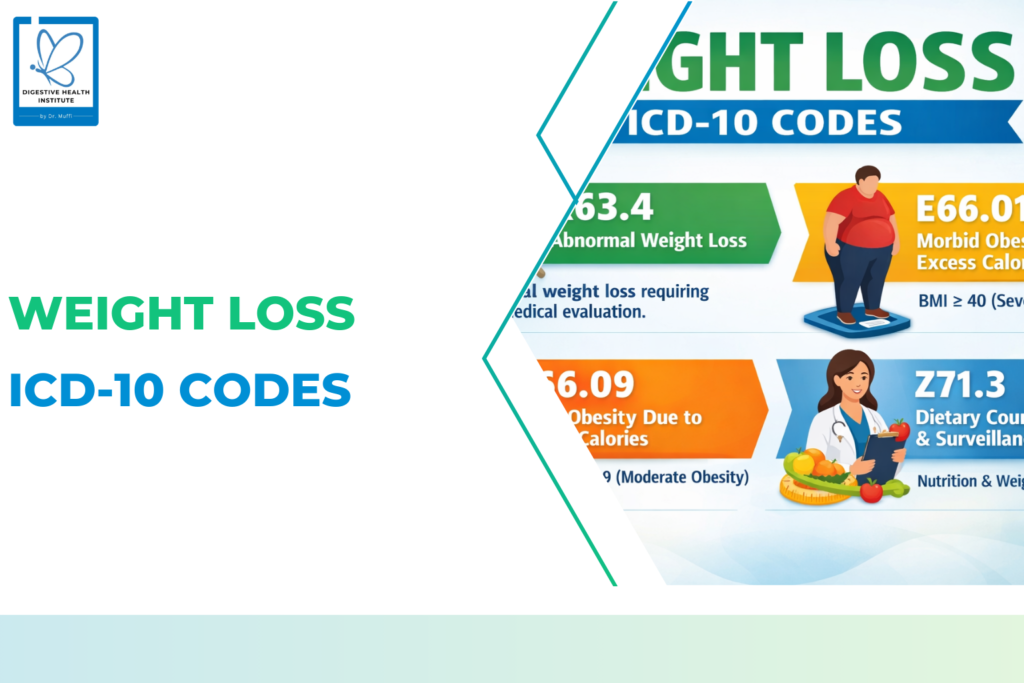
BMI Calculator +91 9820062040 | +91 8356977265 enquiry@thedigestive.in Digestive Health Institute by Dr. Muffi Home About us Dr. Muffazal Lakdawala, Founder Our Team Outreach OPD Training & Workshops Science & Magic of DHI Global Patient Program Work with DHI Eat Right Prescription Weight Management Support Emotional Wellness Rehabilitation Therapy Restorative Plastic Surgery Nutritional Supplements Obesity Support Group Test & Investigations Common FAQ’S Obesity Surgery Endoscopic-Gastric Balloon Endoscopic-Gastric Sleeve Revisional Bariatric Surgery Roux En Y Gastric Bypass SADI (malabsorptive) Sleeve Gastrectomy Sleeve + Optimal Weight Child Nutrition Lifestyle Nutrition Weight Management Gut Care Gut Reset Expert Care Diabetes Control Menopause Wellness PCOS Management Post Surgery Nutrition General Surgery General Surgery Adrenalectomy (Adrenal gland Removal) Appendectomy (Appendix Surgery) Cholecystectomy (Gallbladder Surgery) Hernia Surgery Hysterectomy (Uterus Removal Surgery) Splenectomy (Spleen Removal) VATS (Video-Assisted Thoracoscopy – Key hole Chest Surgery) GI Surgery Hydatid Cyst Removal (Liver Cyst Removal) Puestow’s Procedure (Chronic Pancreatitis Drainage Surgery) GI Oncology Gastric (Stomach) Cancer GEJ (Gastroesophageal Junction) Cancer Large Intestine Cancer (Colon & Rectum) Small Intestine Cancer (Small Bowel) Whipple’s Surgery (Pancreatic Cancer) Media & Stories Testimonials Our Health Partners Press Blogs Journal & Publication Connect Contact Us Locations Home About us Dr. Muffazal Lakdawala, Founder Our Team Outreach OPD Training & Workshops Science & Magic of DHI Global Patient Program Work with DHI Eat Right Prescription Weight Management Support Emotional Wellness Rehabilitation Therapy Restorative Plastic Surgery Nutritional Supplements Obesity Support Group Test & Investigations Common FAQ’S Obesity Surgery Endoscopic-Gastric Balloon Endoscopic-Gastric Sleeve Revisional Bariatric Surgery Roux En Y Gastric Bypass SADI (malabsorptive) Sleeve Gastrectomy Sleeve + Optimal Weight Child Nutrition Lifestyle Nutrition Weight Management Gut Care Gut Reset Expert Care Diabetes Control Menopause Wellness PCOS Management Post Surgery Nutrition General Surgery General Surgery Adrenalectomy (Adrenal gland Removal) Appendectomy (Appendix Surgery) Cholecystectomy (Gallbladder Surgery) Hernia Surgery Hysterectomy (Uterus Removal Surgery) Splenectomy (Spleen Removal) VATS (Video-Assisted Thoracoscopy – Key hole Chest Surgery) GI Surgery Hydatid Cyst Removal (Liver Cyst Removal) Puestow’s Procedure (Chronic Pancreatitis Drainage Surgery) GI Oncology Gastric (Stomach) Cancer GEJ (Gastroesophageal Junction) Cancer Large Intestine Cancer (Colon & Rectum) Small Intestine Cancer (Small Bowel) Whipple’s Surgery (Pancreatic Cancer) Media & Stories Testimonials Our Health Partners Press Blogs Journal & Publication Connect Contact Us Locations Digestive Health Institute by Dr. Muffi Home About us Dr. Muffazal Lakdawala Our Team Outreach OPD’s Training & Workshops Science & Magic of DHI Global Patient Program Work with DHI Eat Right Prescription Weight Management Optimal Weight Child Nutrition Lifestyle Nutrition Weight Management Gut Care Gut Reset Expert Care Diabetes Control Menopause Wellness PCOS Management Post Surgery Nutrition Obesity surgery Endoscopic- Gastric Balloon Endoscopic- Gastric Sleeve Revisional Bariatric Surgeries Roux En Y Gastric Bypass SADI Procedure Sleeve Gastrectomy Sleeve + Support Emotional Wellness Rehabilitation Therapy Restorative Plastic Surgery Nutritional Supplements Obesity Support Group Test & Investigations Common FAQ’S General Surgery General Surgery Adrenalectomy Appendectomy Cholecystectomy Hernia Surgery Hysterectomy Splenectomy Video-Assissted Thoracoscopy (VATS) GI Surgery Hydatid Cyst Removal Puestow’s Procedure GI Oncology Stomach Cancers GEJ (Gastroesophageal Junction) Cancer Large Intestine Cancer Small Intestine Cancer Whipple’s Surgery Media & Stories Testimonials Our Partners Press Blogs Journal & Publications Connect Contact Us Locations Home About us Dr. Muffazal Lakdawala Our Team Outreach OPD’s Training & Workshops Science & Magic of DHI Global Patient Program Work with DHI Eat Right Prescription Weight Management Optimal Weight Child Nutrition Lifestyle Nutrition Weight Management Gut Care Gut Reset Expert Care Diabetes Control Menopause Wellness PCOS Management Post Surgery Nutrition Obesity surgery Endoscopic- Gastric Balloon Endoscopic- Gastric Sleeve Revisional Bariatric Surgeries Roux En Y Gastric Bypass SADI Procedure Sleeve Gastrectomy Sleeve + Support Emotional Wellness Rehabilitation Therapy Restorative Plastic Surgery Nutritional Supplements Obesity Support Group Test & Investigations Common FAQ’S General Surgery General Surgery Adrenalectomy Appendectomy Cholecystectomy Hernia Surgery Hysterectomy Splenectomy Video-Assissted Thoracoscopy (VATS) GI Surgery Hydatid Cyst Removal Puestow’s Procedure GI Oncology Stomach Cancers GEJ (Gastroesophageal Junction) Cancer Large Intestine Cancer Small Intestine Cancer Whipple’s Surgery Media & Stories Testimonials Our Partners Press Blogs Journal & Publications Connect Contact Us Locations Weight Loss ICD-10 Codes Weight Loss ICD-10 Codes (2026 Updated Guide for Billing & Documentation) Accurate ICD-10 coding for weight loss is essential for proper medical documentation, insurance claims, and reimbursement. Whether documenting unintentional weight loss, obesity-related conditions, or post-bariatric status, selecting the correct ICD-10 code ensures compliance and clarity. This guide outlines the most commonly used Weight Loss ICD-10 codes for 2026. What Is the ICD-10 Code for Weight Loss? The primary ICD-10 code used for abnormal or unexplained weight loss is: R63.4 – Abnormal weight loss This code is used when a patient experiences significant, unintended weight loss that requires medical evaluation. It is commonly reported when: Weight loss is not intentional The cause is under investigation No confirmed diagnosis has been established yet ICD-10 Codes Related to Obesity When documenting weight-related conditions, obesity codes are frequently used. E66.9 – Obesity, unspecified Used when obesity is diagnosed but not further classified. Other commonly used obesity codes include: E66.01 – Morbid (severe) obesity due to excess calories E66.3 – Overweight These codes are important when documenting weight management consultations and treatment planning. BMI ICD-10 Codes (Z68 Series) BMI codes are used as secondary codes to support obesity documentation. Examples include: Z68.30–Z68.39 – BMI 30.0–39.9 (Obesity range) Z68.41–Z68.45 – BMI 40 and above BMI codes must be reported alongside a diagnosis code such as E66.01. ICD-10 Code for Bariatric Surgery Status For patients who have previously undergone weight loss surgery, use: Z98.84 – Bariatric surgery status This code indicates a history of bariatric surgery and is important for long-term follow-up documentation. It is commonly used with procedure documentation for: Gastric Sleeve Surgery Gastric Bypass Surgery When to Use R63.4 vs Obesity Codes Use R63.4 (Abnormal weight loss) when: Weight loss is unexplained The patient is being evaluated No confirmed underlying condition exists Use E66 series codes when: Obesity is diagnosed Weight management treatment is provided The condition is clearly documented Accurate documentation in the medical record is essential before assigning any code. Documentation Tips for Accurate Coding Clearly specify whether weight loss is intentional or
Bariatric Vitamins
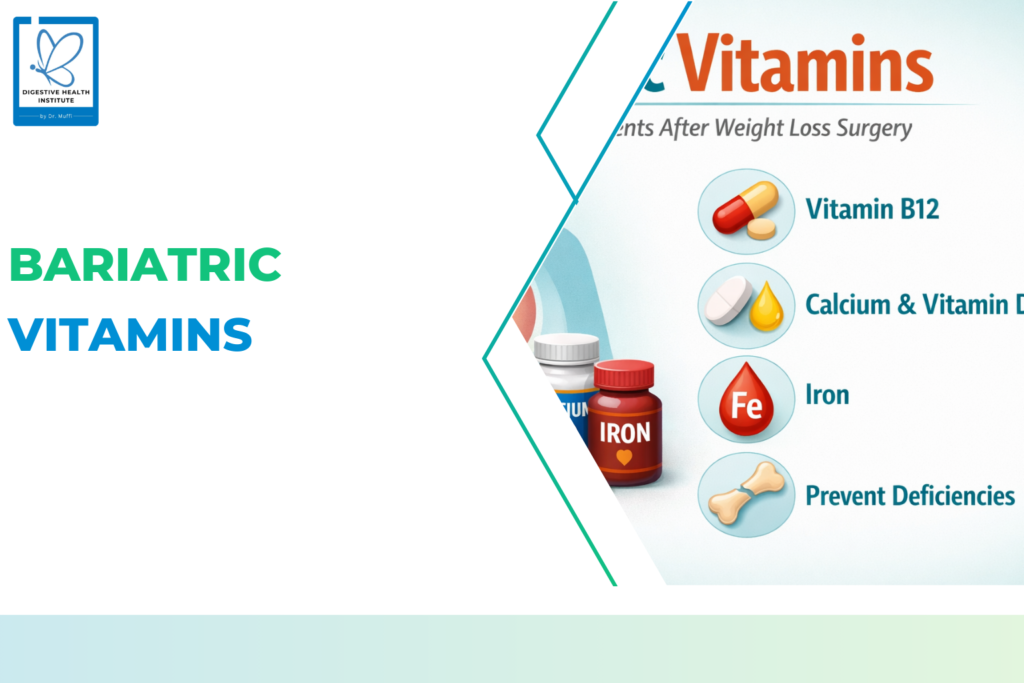
BMI Calculator +91 9820062040 | +91 8356977265 enquiry@thedigestive.in Digestive Health Institute by Dr. Muffi Home About us Dr. Muffazal Lakdawala, Founder Our Team Outreach OPD Training & Workshops Science & Magic of DHI Global Patient Program Work with DHI Eat Right Prescription Weight Management Support Emotional Wellness Rehabilitation Therapy Restorative Plastic Surgery Nutritional Supplements Obesity Support Group Test & Investigations Common FAQ’S Obesity Surgery Endoscopic-Gastric Balloon Endoscopic-Gastric Sleeve Revisional Bariatric Surgery Roux En Y Gastric Bypass SADI (malabsorptive) Sleeve Gastrectomy Sleeve + Optimal Weight Child Nutrition Lifestyle Nutrition Weight Management Gut Care Gut Reset Expert Care Diabetes Control Menopause Wellness PCOS Management Post Surgery Nutrition General Surgery General Surgery Adrenalectomy (Adrenal gland Removal) Appendectomy (Appendix Surgery) Cholecystectomy (Gallbladder Surgery) Hernia Surgery Hysterectomy (Uterus Removal Surgery) Splenectomy (Spleen Removal) VATS (Video-Assisted Thoracoscopy – Key hole Chest Surgery) GI Surgery Hydatid Cyst Removal (Liver Cyst Removal) Puestow’s Procedure (Chronic Pancreatitis Drainage Surgery) GI Oncology Gastric (Stomach) Cancer GEJ (Gastroesophageal Junction) Cancer Large Intestine Cancer (Colon & Rectum) Small Intestine Cancer (Small Bowel) Whipple’s Surgery (Pancreatic Cancer) Media & Stories Testimonials Our Health Partners Press Blogs Journal & Publication Connect Contact Us Locations Home About us Dr. Muffazal Lakdawala, Founder Our Team Outreach OPD Training & Workshops Science & Magic of DHI Global Patient Program Work with DHI Eat Right Prescription Weight Management Support Emotional Wellness Rehabilitation Therapy Restorative Plastic Surgery Nutritional Supplements Obesity Support Group Test & Investigations Common FAQ’S Obesity Surgery Endoscopic-Gastric Balloon Endoscopic-Gastric Sleeve Revisional Bariatric Surgery Roux En Y Gastric Bypass SADI (malabsorptive) Sleeve Gastrectomy Sleeve + Optimal Weight Child Nutrition Lifestyle Nutrition Weight Management Gut Care Gut Reset Expert Care Diabetes Control Menopause Wellness PCOS Management Post Surgery Nutrition General Surgery General Surgery Adrenalectomy (Adrenal gland Removal) Appendectomy (Appendix Surgery) Cholecystectomy (Gallbladder Surgery) Hernia Surgery Hysterectomy (Uterus Removal Surgery) Splenectomy (Spleen Removal) VATS (Video-Assisted Thoracoscopy – Key hole Chest Surgery) GI Surgery Hydatid Cyst Removal (Liver Cyst Removal) Puestow’s Procedure (Chronic Pancreatitis Drainage Surgery) GI Oncology Gastric (Stomach) Cancer GEJ (Gastroesophageal Junction) Cancer Large Intestine Cancer (Colon & Rectum) Small Intestine Cancer (Small Bowel) Whipple’s Surgery (Pancreatic Cancer) Media & Stories Testimonials Our Health Partners Press Blogs Journal & Publication Connect Contact Us Locations Digestive Health Institute by Dr. Muffi Home About us Dr. Muffazal Lakdawala Our Team Outreach OPD’s Training & Workshops Science & Magic of DHI Global Patient Program Work with DHI Eat Right Prescription Weight Management Optimal Weight Child Nutrition Lifestyle Nutrition Weight Management Gut Care Gut Reset Expert Care Diabetes Control Menopause Wellness PCOS Management Post Surgery Nutrition Obesity surgery Endoscopic- Gastric Balloon Endoscopic- Gastric Sleeve Revisional Bariatric Surgeries Roux En Y Gastric Bypass SADI Procedure Sleeve Gastrectomy Sleeve + Support Emotional Wellness Rehabilitation Therapy Restorative Plastic Surgery Nutritional Supplements Obesity Support Group Test & Investigations Common FAQ’S General Surgery General Surgery Adrenalectomy Appendectomy Cholecystectomy Hernia Surgery Hysterectomy Splenectomy Video-Assissted Thoracoscopy (VATS) GI Surgery Hydatid Cyst Removal Puestow’s Procedure GI Oncology Stomach Cancers GEJ (Gastroesophageal Junction) Cancer Large Intestine Cancer Small Intestine Cancer Whipple’s Surgery Media & Stories Testimonials Our Partners Press Blogs Journal & Publications Connect Contact Us Locations Home About us Dr. Muffazal Lakdawala Our Team Outreach OPD’s Training & Workshops Science & Magic of DHI Global Patient Program Work with DHI Eat Right Prescription Weight Management Optimal Weight Child Nutrition Lifestyle Nutrition Weight Management Gut Care Gut Reset Expert Care Diabetes Control Menopause Wellness PCOS Management Post Surgery Nutrition Obesity surgery Endoscopic- Gastric Balloon Endoscopic- Gastric Sleeve Revisional Bariatric Surgeries Roux En Y Gastric Bypass SADI Procedure Sleeve Gastrectomy Sleeve + Support Emotional Wellness Rehabilitation Therapy Restorative Plastic Surgery Nutritional Supplements Obesity Support Group Test & Investigations Common FAQ’S General Surgery General Surgery Adrenalectomy Appendectomy Cholecystectomy Hernia Surgery Hysterectomy Splenectomy Video-Assissted Thoracoscopy (VATS) GI Surgery Hydatid Cyst Removal Puestow’s Procedure GI Oncology Stomach Cancers GEJ (Gastroesophageal Junction) Cancer Large Intestine Cancer Small Intestine Cancer Whipple’s Surgery Media & Stories Testimonials Our Partners Press Blogs Journal & Publications Connect Contact Us Locations Bariatric Vitamins Bariatric Vitamins: Why They Are Essential After Weight Loss Surgery If you have undergone weight loss surgery or are planning it, one thing you must understand clearly bariatric vitamins are not optional. They are lifelong essentials. After procedures like gastric bypass or sleeve gastrectomy, your body absorbs fewer nutrients. Even if you eat healthy food, deficiencies can develop without proper supplementation. Let’s understand everything in simple terms. Why Are Bariatric Vitamins Important? After bariatric surgery: Your stomach size becomes smaller Food intake reduces significantly Nutrient absorption decreases (especially in bypass surgery) Risk of vitamin and mineral deficiencies increases Common deficiencies include: Iron Vitamin B12 Calcium Vitamin D Folate Thiamine Without proper supplements, this can lead to: Fatigue Hair loss Anemia Weak bones Nerve problems That’s why doctors strongly recommend special bariatric vitamins, not regular over-the-counter multivitamins. What Makes Bariatric Vitamins Different? Regular multivitamins are often not enough after weight loss surgery. A bariatric multivitamin is specially formulated to: Provide higher nutrient doses Improve absorption Reduce stomach irritation Be easier to digest These supplements are designed specifically for patients who have undergone procedures like gastric sleeve or gastric bypass. Bariatric Vitamins with Iron Iron deficiency is one of the most common problems after weight loss surgery, especially in women. Why Iron Is Important: Prevents anemia Maintains energy levels Supports oxygen transport in blood Bariatric vitamins with iron are formulated to provide adequate iron in a form that is better absorbed and gentler on the stomach. Patients who skip iron supplementation may experience: Extreme tiredness Dizziness Hair thinning Pale skin Your doctor may also monitor your iron levels regularly through blood tests. Bariatric Vitamins Chewable: Are They Better? In the first few months after surgery, many patients prefer bariatric vitamins chewable form. Benefits of Chewable Vitamins: Easy to take Better tolerance early after surgery No swallowing difficulty Faster absorption Later, patients may switch to capsules or tablets depending on comfort and doctor’s advice. Chewables are especially useful during the recovery phase when the stomach is still healing. What About Bariatric Advantage Vitamins? Bariatric Advantage is one of
Femoral Hernia Symptoms
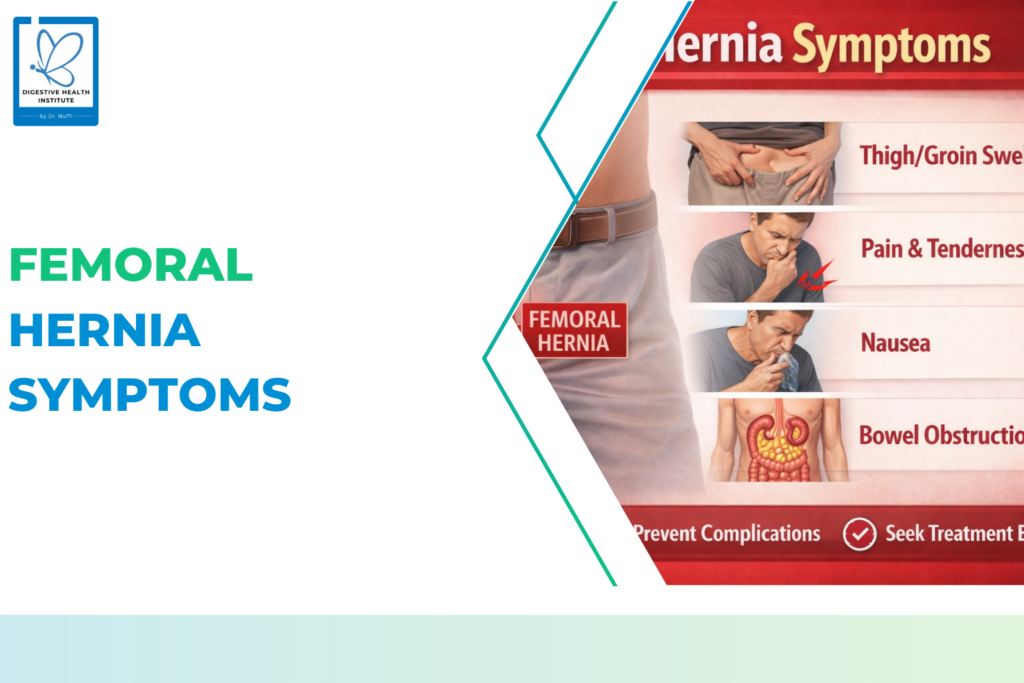
BMI Calculator +91 9820062040 | +91 8356977265 enquiry@thedigestive.in Digestive Health Institute by Dr. Muffi Home About us Dr. Muffazal Lakdawala, Founder Our Team Outreach OPD Training & Workshops Science & Magic of DHI Global Patient Program Work with DHI Eat Right Prescription Weight Management Support Emotional Wellness Rehabilitation Therapy Restorative Plastic Surgery Nutritional Supplements Obesity Support Group Test & Investigations Common FAQ’S Obesity Surgery Endoscopic-Gastric Balloon Endoscopic-Gastric Sleeve Revisional Bariatric Surgery Roux En Y Gastric Bypass SADI (malabsorptive) Sleeve Gastrectomy Sleeve + Optimal Weight Child Nutrition Lifestyle Nutrition Weight Management Gut Care Gut Reset Expert Care Diabetes Control Menopause Wellness PCOS Management Post Surgery Nutrition General Surgery General Surgery Adrenalectomy (Adrenal gland Removal) Appendectomy (Appendix Surgery) Cholecystectomy (Gallbladder Surgery) Hernia Surgery Hysterectomy (Uterus Removal Surgery) Splenectomy (Spleen Removal) VATS (Video-Assisted Thoracoscopy – Key hole Chest Surgery) GI Surgery Hydatid Cyst Removal (Liver Cyst Removal) Puestow’s Procedure (Chronic Pancreatitis Drainage Surgery) GI Oncology Gastric (Stomach) Cancer GEJ (Gastroesophageal Junction) Cancer Large Intestine Cancer (Colon & Rectum) Small Intestine Cancer (Small Bowel) Whipple’s Surgery (Pancreatic Cancer) Media & Stories Testimonials Our Health Partners Press Blogs Journal & Publication Connect Contact Us Locations Home About us Dr. Muffazal Lakdawala, Founder Our Team Outreach OPD Training & Workshops Science & Magic of DHI Global Patient Program Work with DHI Eat Right Prescription Weight Management Support Emotional Wellness Rehabilitation Therapy Restorative Plastic Surgery Nutritional Supplements Obesity Support Group Test & Investigations Common FAQ’S Obesity Surgery Endoscopic-Gastric Balloon Endoscopic-Gastric Sleeve Revisional Bariatric Surgery Roux En Y Gastric Bypass SADI (malabsorptive) Sleeve Gastrectomy Sleeve + Optimal Weight Child Nutrition Lifestyle Nutrition Weight Management Gut Care Gut Reset Expert Care Diabetes Control Menopause Wellness PCOS Management Post Surgery Nutrition General Surgery General Surgery Adrenalectomy (Adrenal gland Removal) Appendectomy (Appendix Surgery) Cholecystectomy (Gallbladder Surgery) Hernia Surgery Hysterectomy (Uterus Removal Surgery) Splenectomy (Spleen Removal) VATS (Video-Assisted Thoracoscopy – Key hole Chest Surgery) GI Surgery Hydatid Cyst Removal (Liver Cyst Removal) Puestow’s Procedure (Chronic Pancreatitis Drainage Surgery) GI Oncology Gastric (Stomach) Cancer GEJ (Gastroesophageal Junction) Cancer Large Intestine Cancer (Colon & Rectum) Small Intestine Cancer (Small Bowel) Whipple’s Surgery (Pancreatic Cancer) Media & Stories Testimonials Our Health Partners Press Blogs Journal & Publication Connect Contact Us Locations Digestive Health Institute by Dr. Muffi Home About us Dr. Muffazal Lakdawala Our Team Outreach OPD’s Training & Workshops Science & Magic of DHI Global Patient Program Work with DHI Eat Right Prescription Weight Management Optimal Weight Child Nutrition Lifestyle Nutrition Weight Management Gut Care Gut Reset Expert Care Diabetes Control Menopause Wellness PCOS Management Post Surgery Nutrition Obesity surgery Endoscopic- Gastric Balloon Endoscopic- Gastric Sleeve Revisional Bariatric Surgeries Roux En Y Gastric Bypass SADI Procedure Sleeve Gastrectomy Sleeve + Support Emotional Wellness Rehabilitation Therapy Restorative Plastic Surgery Nutritional Supplements Obesity Support Group Test & Investigations Common FAQ’S General Surgery General Surgery Adrenalectomy Appendectomy Cholecystectomy Hernia Surgery Hysterectomy Splenectomy Video-Assissted Thoracoscopy (VATS) GI Surgery Hydatid Cyst Removal Puestow’s Procedure GI Oncology Stomach Cancers GEJ (Gastroesophageal Junction) Cancer Large Intestine Cancer Small Intestine Cancer Whipple’s Surgery Media & Stories Testimonials Our Partners Press Blogs Journal & Publications Connect Contact Us Locations Home About us Dr. Muffazal Lakdawala Our Team Outreach OPD’s Training & Workshops Science & Magic of DHI Global Patient Program Work with DHI Eat Right Prescription Weight Management Optimal Weight Child Nutrition Lifestyle Nutrition Weight Management Gut Care Gut Reset Expert Care Diabetes Control Menopause Wellness PCOS Management Post Surgery Nutrition Obesity surgery Endoscopic- Gastric Balloon Endoscopic- Gastric Sleeve Revisional Bariatric Surgeries Roux En Y Gastric Bypass SADI Procedure Sleeve Gastrectomy Sleeve + Support Emotional Wellness Rehabilitation Therapy Restorative Plastic Surgery Nutritional Supplements Obesity Support Group Test & Investigations Common FAQ’S General Surgery General Surgery Adrenalectomy Appendectomy Cholecystectomy Hernia Surgery Hysterectomy Splenectomy Video-Assissted Thoracoscopy (VATS) GI Surgery Hydatid Cyst Removal Puestow’s Procedure GI Oncology Stomach Cancers GEJ (Gastroesophageal Junction) Cancer Large Intestine Cancer Small Intestine Cancer Whipple’s Surgery Media & Stories Testimonials Our Partners Press Blogs Journal & Publications Connect Contact Us Locations Femoral Hernia Symptoms Femoral Hernia Symptoms: Early Signs, Pain Areas & When to See a Doctor A femoral hernia is a less common but more dangerous type of hernia that occurs near the groin and upper thigh. Because symptoms can be subtle at first, many people ignore them until complications develop. Knowing the early symptoms of femoral hernia can help you get timely treatment and avoid serious risks. What Is a Femoral Hernia? A femoral hernia happens when abdominal tissue pushes through a weak spot in the femoral canal, located just below the groin crease near the upper thigh. It is more common in women, especially after pregnancy or with increased abdominal pressure. Common Femoral Hernia Symptoms 1️ Small Lump Near the Groin or Upper Thigh A noticeable bulge just below the groin May become more visible when standing, coughing, or lifting Often disappears when lying down This lump is usually lower than an inguinal hernia, which helps doctors differentiate it. 2️ Groin Pain or Discomfort Dull aching or pressure in the groin area Pain may worsen with: Walking Straining Prolonged standing 3️ Upper Thigh Pain Pain may radiate to the inner thigh Often mistaken for muscle strain or joint pain 4️ Heaviness or Burning Sensation Feeling of fullness or heaviness in the groin Mild burning or pulling sensation during movement| Femoral Hernia Symptoms in Women Femoral hernias are more common in women and symptoms may include: Vague pelvic discomfort Groin pain without a visible lump Pain that increases during pregnancy or after childbirth Because symptoms can be mild, diagnosis is often delayed. What Causes Femoral Hernia? Common risk factors include: Heavy lifting Chronic constipation Obesity Pregnancy Persistent coughing Previous abdominal surgery Aging and muscle weakness How Is Femoral Hernia Diagnosed? Doctors may use: Physical examination Ultrasound CT scan (for unclear cases) Because femoral hernias are harder to detect, imaging is often required. Can Femoral Hernia Be Treated Without Surgery? No. Femoral hernias do not heal on their own. Even if symptoms are mild, surgery is usually recommended due to the high risk of complications.
Epigastric Hernia Symptoms
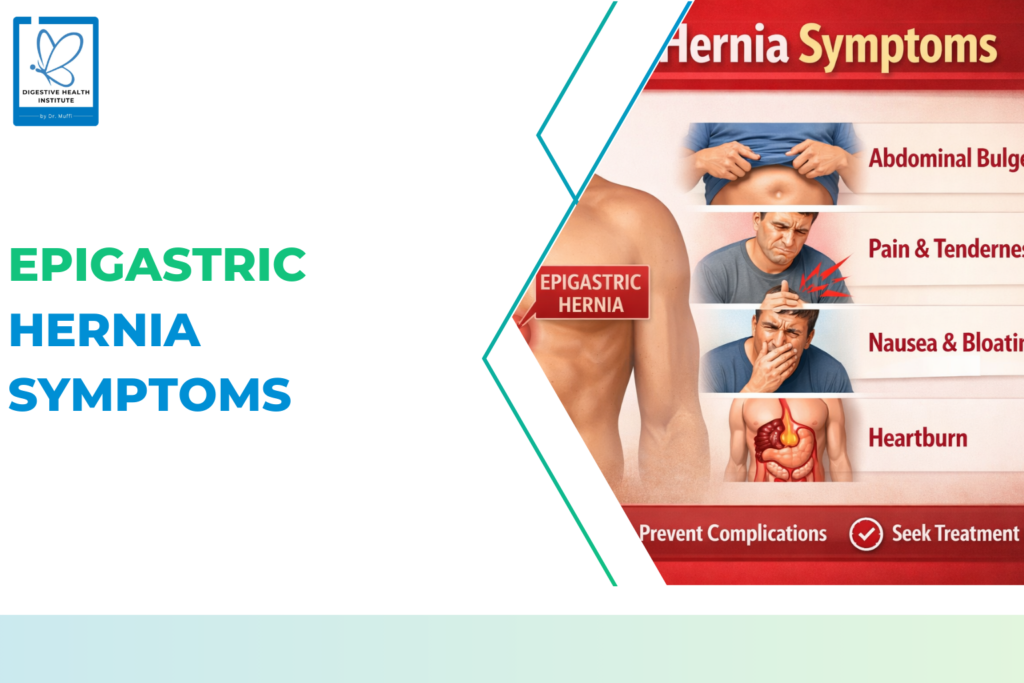
BMI Calculator +91 9820062040 | +91 8356977265 enquiry@thedigestive.in Digestive Health Institute by Dr. Muffi Home About us Dr. Muffazal Lakdawala, Founder Our Team Outreach OPD Training & Workshops Science & Magic of DHI Global Patient Program Work with DHI Eat Right Prescription Weight Management Support Emotional Wellness Rehabilitation Therapy Restorative Plastic Surgery Nutritional Supplements Obesity Support Group Test & Investigations Common FAQ’S Obesity Surgery Endoscopic-Gastric Balloon Endoscopic-Gastric Sleeve Revisional Bariatric Surgery Roux En Y Gastric Bypass SADI (malabsorptive) Sleeve Gastrectomy Sleeve + Optimal Weight Child Nutrition Lifestyle Nutrition Weight Management Gut Care Gut Reset Expert Care Diabetes Control Menopause Wellness PCOS Management Post Surgery Nutrition General Surgery General Surgery Adrenalectomy (Adrenal gland Removal) Appendectomy (Appendix Surgery) Cholecystectomy (Gallbladder Surgery) Hernia Surgery Hysterectomy (Uterus Removal Surgery) Splenectomy (Spleen Removal) VATS (Video-Assisted Thoracoscopy – Key hole Chest Surgery) GI Surgery Hydatid Cyst Removal (Liver Cyst Removal) Puestow’s Procedure (Chronic Pancreatitis Drainage Surgery) GI Oncology Gastric (Stomach) Cancer GEJ (Gastroesophageal Junction) Cancer Large Intestine Cancer (Colon & Rectum) Small Intestine Cancer (Small Bowel) Whipple’s Surgery (Pancreatic Cancer) Media & Stories Testimonials Our Health Partners Press Blogs Journal & Publication Connect Contact Us Locations Home About us Dr. Muffazal Lakdawala, Founder Our Team Outreach OPD Training & Workshops Science & Magic of DHI Global Patient Program Work with DHI Eat Right Prescription Weight Management Support Emotional Wellness Rehabilitation Therapy Restorative Plastic Surgery Nutritional Supplements Obesity Support Group Test & Investigations Common FAQ’S Obesity Surgery Endoscopic-Gastric Balloon Endoscopic-Gastric Sleeve Revisional Bariatric Surgery Roux En Y Gastric Bypass SADI (malabsorptive) Sleeve Gastrectomy Sleeve + Optimal Weight Child Nutrition Lifestyle Nutrition Weight Management Gut Care Gut Reset Expert Care Diabetes Control Menopause Wellness PCOS Management Post Surgery Nutrition General Surgery General Surgery Adrenalectomy (Adrenal gland Removal) Appendectomy (Appendix Surgery) Cholecystectomy (Gallbladder Surgery) Hernia Surgery Hysterectomy (Uterus Removal Surgery) Splenectomy (Spleen Removal) VATS (Video-Assisted Thoracoscopy – Key hole Chest Surgery) GI Surgery Hydatid Cyst Removal (Liver Cyst Removal) Puestow’s Procedure (Chronic Pancreatitis Drainage Surgery) GI Oncology Gastric (Stomach) Cancer GEJ (Gastroesophageal Junction) Cancer Large Intestine Cancer (Colon & Rectum) Small Intestine Cancer (Small Bowel) Whipple’s Surgery (Pancreatic Cancer) Media & Stories Testimonials Our Health Partners Press Blogs Journal & Publication Connect Contact Us Locations Digestive Health Institute by Dr. Muffi Home About us Dr. Muffazal Lakdawala Our Team Outreach OPD’s Training & Workshops Science & Magic of DHI Global Patient Program Work with DHI Eat Right Prescription Weight Management Optimal Weight Child Nutrition Lifestyle Nutrition Weight Management Gut Care Gut Reset Expert Care Diabetes Control Menopause Wellness PCOS Management Post Surgery Nutrition Obesity surgery Endoscopic- Gastric Balloon Endoscopic- Gastric Sleeve Revisional Bariatric Surgeries Roux En Y Gastric Bypass SADI Procedure Sleeve Gastrectomy Sleeve + Support Emotional Wellness Rehabilitation Therapy Restorative Plastic Surgery Nutritional Supplements Obesity Support Group Test & Investigations Common FAQ’S General Surgery General Surgery Adrenalectomy Appendectomy Cholecystectomy Hernia Surgery Hysterectomy Splenectomy Video-Assissted Thoracoscopy (VATS) GI Surgery Hydatid Cyst Removal Puestow’s Procedure GI Oncology Stomach Cancers GEJ (Gastroesophageal Junction) Cancer Large Intestine Cancer Small Intestine Cancer Whipple’s Surgery Media & Stories Testimonials Our Partners Press Blogs Journal & Publications Connect Contact Us Locations Home About us Dr. Muffazal Lakdawala Our Team Outreach OPD’s Training & Workshops Science & Magic of DHI Global Patient Program Work with DHI Eat Right Prescription Weight Management Optimal Weight Child Nutrition Lifestyle Nutrition Weight Management Gut Care Gut Reset Expert Care Diabetes Control Menopause Wellness PCOS Management Post Surgery Nutrition Obesity surgery Endoscopic- Gastric Balloon Endoscopic- Gastric Sleeve Revisional Bariatric Surgeries Roux En Y Gastric Bypass SADI Procedure Sleeve Gastrectomy Sleeve + Support Emotional Wellness Rehabilitation Therapy Restorative Plastic Surgery Nutritional Supplements Obesity Support Group Test & Investigations Common FAQ’S General Surgery General Surgery Adrenalectomy Appendectomy Cholecystectomy Hernia Surgery Hysterectomy Splenectomy Video-Assissted Thoracoscopy (VATS) GI Surgery Hydatid Cyst Removal Puestow’s Procedure GI Oncology Stomach Cancers GEJ (Gastroesophageal Junction) Cancer Large Intestine Cancer Small Intestine Cancer Whipple’s Surgery Media & Stories Testimonials Our Partners Press Blogs Journal & Publications Connect Contact Us Locations Epigastric Hernia Symptoms Epigastric Hernia Symptoms: Early Signs You Should Not Ignore An epigastric hernia is a type of abdominal hernia that appears between the chest and the belly button. Many people ignore early symptoms because they seem mild, but over time, they can worsen. Knowing the symptoms of an epigastric hernia can help you seek treatment early and avoid complications. What Does an Epigastric Hernia Feel Like? Epigastric hernia symptoms vary from person to person. Some people notice only mild discomfort, while others experience persistent pain. The most common symptoms include: Common Epigastric Hernia Symptoms 1️ A Small Lump or Bulge in the Upper Abdomen Appears between the breastbone and the belly button Becomes more visible when standing, coughing, or straining May disappear when lying down This is often the first and most noticeable sign. 2️ Pain or Discomfort in the Upper Abdomen Dull ache or sharp pain Pain may increase with activity, lifting, or bending Discomfort often improves with rest Some patients describe it as a pulling or pressure sensation. 3️ Pain After Eating Fullness or discomfort after meals Pressure in the upper abdomen Symptoms may worsen after large or heavy meals This happens because abdominal pressure increases after eating. 4️ Burning or Tender Sensation Mild burning or soreness over the bulge Area may feel sensitive to touch Tight clothing may increase discomfort 5️ Symptoms That Come and Go Pain may not be constant Bulge may appear only during activity Symptoms often worsen gradually over time Because symptoms are intermittent, many people delay medical advice. Less Common Symptoms of Epigastric Hernia In some cases, patients may experience: Nausea Bloating Upper abdominal tightness These symptoms are more likely if the hernia becomes larger. When Epigastric Hernia Symptoms Become Serious Seek medical attention immediately if you notice: Sudden severe pain Redness or warmth over the bulge Nausea or vomiting The bulge becomes hard or painful and cannot be pushed back These may indicate incarceration or strangulation, which require urgent care. Can Epigastric
Can Hernia Be Treated Without Surgery?
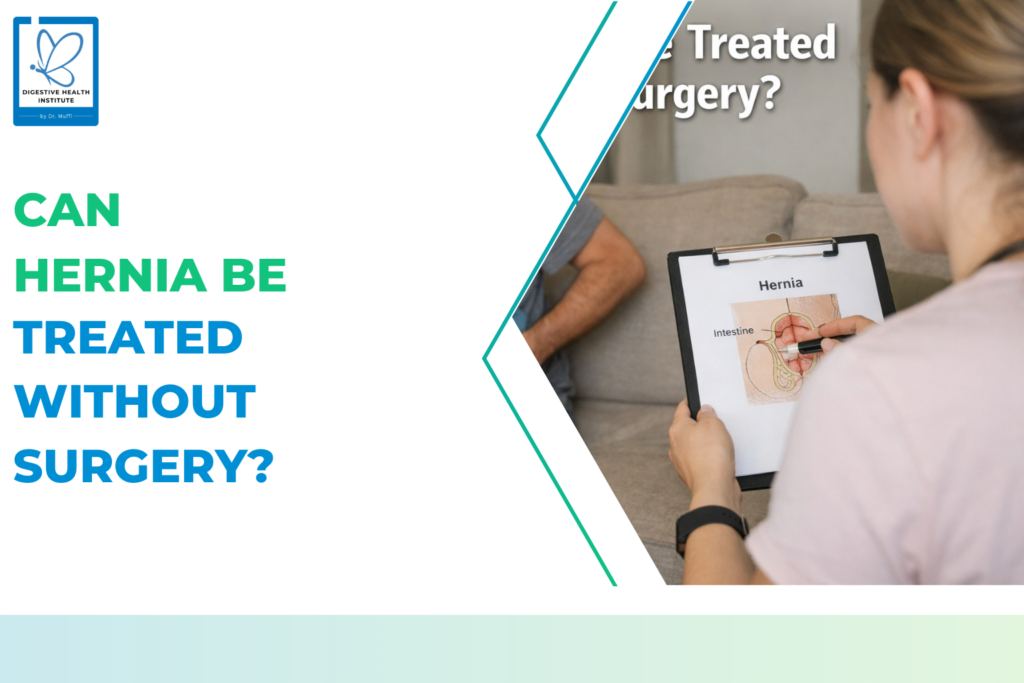
BMI Calculator +91 9820062040 | +91 8356977265 enquiry@thedigestive.in Digestive Health Institute by Dr. Muffi Home About us Dr. Muffazal Lakdawala, Founder Our Team Outreach OPD Training & Workshops Science & Magic of DHI Global Patient Program Work with DHI Eat Right Prescription Weight Management Support Emotional Wellness Rehabilitation Therapy Restorative Plastic Surgery Nutritional Supplements Obesity Support Group Test & Investigations Common FAQ’S Obesity Surgery Endoscopic-Gastric Balloon Endoscopic-Gastric Sleeve Revisional Bariatric Surgery Roux En Y Gastric Bypass SADI (malabsorptive) Sleeve Gastrectomy Sleeve + Optimal Weight Child Nutrition Lifestyle Nutrition Weight Management Gut Care Gut Reset Expert Care Diabetes Control Menopause Wellness PCOS Management Post Surgery Nutrition General Surgery General Surgery Adrenalectomy (Adrenal gland Removal) Appendectomy (Appendix Surgery) Cholecystectomy (Gallbladder Surgery) Hernia Surgery Hysterectomy (Uterus Removal Surgery) Splenectomy (Spleen Removal) VATS (Video-Assisted Thoracoscopy – Key hole Chest Surgery) GI Surgery Hydatid Cyst Removal (Liver Cyst Removal) Puestow’s Procedure (Chronic Pancreatitis Drainage Surgery) GI Oncology Gastric (Stomach) Cancer GEJ (Gastroesophageal Junction) Cancer Large Intestine Cancer (Colon & Rectum) Small Intestine Cancer (Small Bowel) Whipple’s Surgery (Pancreatic Cancer) Media & Stories Testimonials Our Health Partners Press Blogs Journal & Publication Connect Contact Us Locations Home About us Dr. Muffazal Lakdawala, Founder Our Team Outreach OPD Training & Workshops Science & Magic of DHI Global Patient Program Work with DHI Eat Right Prescription Weight Management Support Emotional Wellness Rehabilitation Therapy Restorative Plastic Surgery Nutritional Supplements Obesity Support Group Test & Investigations Common FAQ’S Obesity Surgery Endoscopic-Gastric Balloon Endoscopic-Gastric Sleeve Revisional Bariatric Surgery Roux En Y Gastric Bypass SADI (malabsorptive) Sleeve Gastrectomy Sleeve + Optimal Weight Child Nutrition Lifestyle Nutrition Weight Management Gut Care Gut Reset Expert Care Diabetes Control Menopause Wellness PCOS Management Post Surgery Nutrition General Surgery General Surgery Adrenalectomy (Adrenal gland Removal) Appendectomy (Appendix Surgery) Cholecystectomy (Gallbladder Surgery) Hernia Surgery Hysterectomy (Uterus Removal Surgery) Splenectomy (Spleen Removal) VATS (Video-Assisted Thoracoscopy – Key hole Chest Surgery) GI Surgery Hydatid Cyst Removal (Liver Cyst Removal) Puestow’s Procedure (Chronic Pancreatitis Drainage Surgery) GI Oncology Gastric (Stomach) Cancer GEJ (Gastroesophageal Junction) Cancer Large Intestine Cancer (Colon & Rectum) Small Intestine Cancer (Small Bowel) Whipple’s Surgery (Pancreatic Cancer) Media & Stories Testimonials Our Health Partners Press Blogs Journal & Publication Connect Contact Us Locations Digestive Health Institute by Dr. Muffi Home About us Dr. Muffazal Lakdawala Our Team Outreach OPD’s Training & Workshops Science & Magic of DHI Global Patient Program Work with DHI Eat Right Prescription Weight Management Optimal Weight Child Nutrition Lifestyle Nutrition Weight Management Gut Care Gut Reset Expert Care Diabetes Control Menopause Wellness PCOS Management Post Surgery Nutrition Obesity surgery Endoscopic- Gastric Balloon Endoscopic- Gastric Sleeve Revisional Bariatric Surgeries Roux En Y Gastric Bypass SADI Procedure Sleeve Gastrectomy Sleeve + Support Emotional Wellness Rehabilitation Therapy Restorative Plastic Surgery Nutritional Supplements Obesity Support Group Test & Investigations Common FAQ’S General Surgery General Surgery Adrenalectomy Appendectomy Cholecystectomy Hernia Surgery Hysterectomy Splenectomy Video-Assissted Thoracoscopy (VATS) GI Surgery Hydatid Cyst Removal Puestow’s Procedure GI Oncology Stomach Cancers GEJ (Gastroesophageal Junction) Cancer Large Intestine Cancer Small Intestine Cancer Whipple’s Surgery Media & Stories Testimonials Our Partners Press Blogs Journal & Publications Connect Contact Us Locations Home About us Dr. Muffazal Lakdawala Our Team Outreach OPD’s Training & Workshops Science & Magic of DHI Global Patient Program Work with DHI Eat Right Prescription Weight Management Optimal Weight Child Nutrition Lifestyle Nutrition Weight Management Gut Care Gut Reset Expert Care Diabetes Control Menopause Wellness PCOS Management Post Surgery Nutrition Obesity surgery Endoscopic- Gastric Balloon Endoscopic- Gastric Sleeve Revisional Bariatric Surgeries Roux En Y Gastric Bypass SADI Procedure Sleeve Gastrectomy Sleeve + Support Emotional Wellness Rehabilitation Therapy Restorative Plastic Surgery Nutritional Supplements Obesity Support Group Test & Investigations Common FAQ’S General Surgery General Surgery Adrenalectomy Appendectomy Cholecystectomy Hernia Surgery Hysterectomy Splenectomy Video-Assissted Thoracoscopy (VATS) GI Surgery Hydatid Cyst Removal Puestow’s Procedure GI Oncology Stomach Cancers GEJ (Gastroesophageal Junction) Cancer Large Intestine Cancer Small Intestine Cancer Whipple’s Surgery Media & Stories Testimonials Our Partners Press Blogs Journal & Publications Connect Contact Us Locations Can Hernia Be Treated Without Surgery? Can Hernia Be Treated Without Surgery? Honest Answers Patients Need After being diagnosed with a hernia, many people ask: “Can a hernia be treated without surgery?” It’s a very common and very reasonable question, especially if you’re worried about pain, recovery, or cost. The honest answer is: – A hernia cannot be permanently cured without surgery, but in some cases, symptoms can be managed temporarily. Let’s explain this clearly. Why a Hernia Usually Needs Surgery A hernia happens when an internal organ pushes through a weak area in the muscle wall. Once this weakness develops: It does not heal on its own The opening in the muscle does not close naturally Over time, the hernia often becomes larger Surgery is the only treatment that repairs the muscle defect. When Is Surgery NOT Immediately Required? In certain situations, doctors may recommend watchful waiting, especially if: The hernia is small There is little or no pain The hernia is easily reducible Daily activities are not affected This approach means: Regular monitoring Lifestyle adjustments Understanding that surgery may still be needed later Non-Surgical Ways to Manage Hernia Symptoms While these do not cure a hernia, they may reduce discomfort: Lifestyle Changes Avoid heavy lifting Maintain a healthy weight Prevent constipation and straining Quit smoking to reduce coughing Supportive Measures Hernia belts or trusses (temporary support only) Proper posture during movement These methods do not fix the hernia and should not replace medical advice. Risks of Avoiding Hernia Surgery Delaying surgery for too long can lead to complications such as: Increasing pain Larger hernia size Bowel obstruction Strangulation (cutting off blood supply), which is a medical emergency Emergency hernia surgery carries higher risk than planned surgery. Can Hernia Heal on Its Own? No. Once a hernia develops, it does not go away without surgery. What may happen instead: Symptoms may temporarily reduce The bulge may come and go The underlying weakness remains When Is Surgery Strongly Recommended? Doctors usually advise surgery when: Pain increases The hernia grows larger Daily life is affected There is risk
Before and After Hernia Surgery
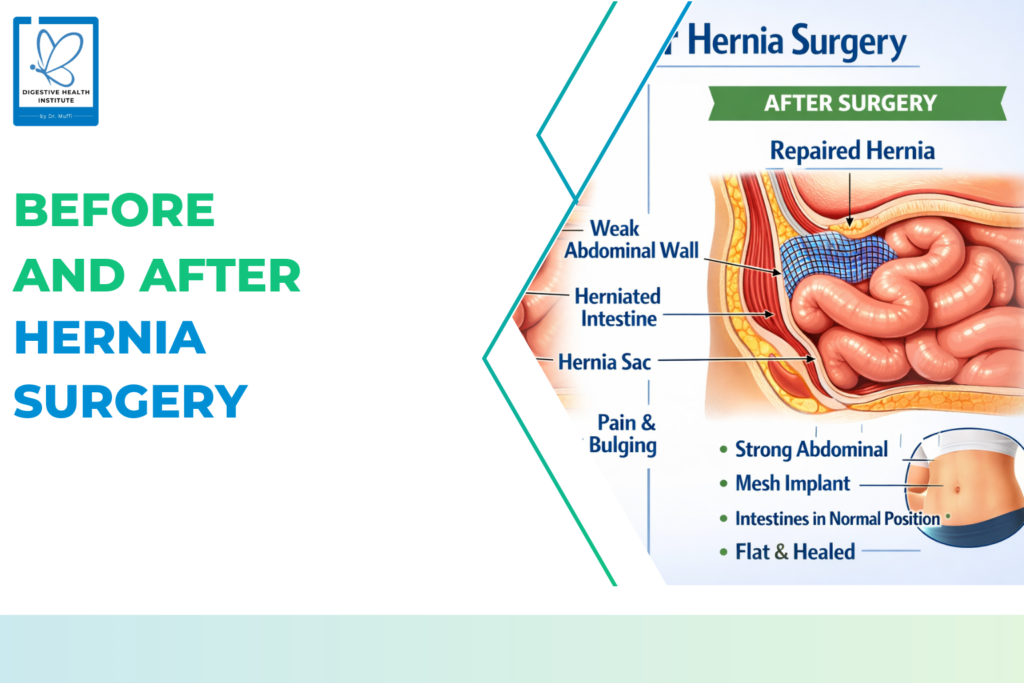
BMI Calculator +91 9820062040 | +91 8356977265 enquiry@thedigestive.in Digestive Health Institute by Dr. Muffi Home About us Dr. Muffazal Lakdawala, Founder Our Team Outreach OPD Training & Workshops Science & Magic of DHI Global Patient Program Work with DHI Eat Right Prescription Weight Management Support Emotional Wellness Rehabilitation Therapy Restorative Plastic Surgery Nutritional Supplements Obesity Support Group Test & Investigations Common FAQ’S Obesity Surgery Endoscopic-Gastric Balloon Endoscopic-Gastric Sleeve Revisional Bariatric Surgery Roux En Y Gastric Bypass SADI (malabsorptive) Sleeve Gastrectomy Sleeve + Optimal Weight Child Nutrition Lifestyle Nutrition Weight Management Gut Care Gut Reset Expert Care Diabetes Control Menopause Wellness PCOS Management Post Surgery Nutrition General Surgery General Surgery Adrenalectomy (Adrenal gland Removal) Appendectomy (Appendix Surgery) Cholecystectomy (Gallbladder Surgery) Hernia Surgery Hysterectomy (Uterus Removal Surgery) Splenectomy (Spleen Removal) VATS (Video-Assisted Thoracoscopy – Key hole Chest Surgery) GI Surgery Hydatid Cyst Removal (Liver Cyst Removal) Puestow’s Procedure (Chronic Pancreatitis Drainage Surgery) GI Oncology Gastric (Stomach) Cancer GEJ (Gastroesophageal Junction) Cancer Large Intestine Cancer (Colon & Rectum) Small Intestine Cancer (Small Bowel) Whipple’s Surgery (Pancreatic Cancer) Media & Stories Testimonials Our Health Partners Press Blogs Journal & Publication Connect Contact Us Locations Home About us Dr. Muffazal Lakdawala, Founder Our Team Outreach OPD Training & Workshops Science & Magic of DHI Global Patient Program Work with DHI Eat Right Prescription Weight Management Support Emotional Wellness Rehabilitation Therapy Restorative Plastic Surgery Nutritional Supplements Obesity Support Group Test & Investigations Common FAQ’S Obesity Surgery Endoscopic-Gastric Balloon Endoscopic-Gastric Sleeve Revisional Bariatric Surgery Roux En Y Gastric Bypass SADI (malabsorptive) Sleeve Gastrectomy Sleeve + Optimal Weight Child Nutrition Lifestyle Nutrition Weight Management Gut Care Gut Reset Expert Care Diabetes Control Menopause Wellness PCOS Management Post Surgery Nutrition General Surgery General Surgery Adrenalectomy (Adrenal gland Removal) Appendectomy (Appendix Surgery) Cholecystectomy (Gallbladder Surgery) Hernia Surgery Hysterectomy (Uterus Removal Surgery) Splenectomy (Spleen Removal) VATS (Video-Assisted Thoracoscopy – Key hole Chest Surgery) GI Surgery Hydatid Cyst Removal (Liver Cyst Removal) Puestow’s Procedure (Chronic Pancreatitis Drainage Surgery) GI Oncology Gastric (Stomach) Cancer GEJ (Gastroesophageal Junction) Cancer Large Intestine Cancer (Colon & Rectum) Small Intestine Cancer (Small Bowel) Whipple’s Surgery (Pancreatic Cancer) Media & Stories Testimonials Our Health Partners Press Blogs Journal & Publication Connect Contact Us Locations Digestive Health Institute by Dr. Muffi Home About us Dr. Muffazal Lakdawala Our Team Outreach OPD’s Training & Workshops Science & Magic of DHI Global Patient Program Work with DHI Eat Right Prescription Weight Management Optimal Weight Child Nutrition Lifestyle Nutrition Weight Management Gut Care Gut Reset Expert Care Diabetes Control Menopause Wellness PCOS Management Post Surgery Nutrition Obesity surgery Endoscopic- Gastric Balloon Endoscopic- Gastric Sleeve Revisional Bariatric Surgeries Roux En Y Gastric Bypass SADI Procedure Sleeve Gastrectomy Sleeve + Support Emotional Wellness Rehabilitation Therapy Restorative Plastic Surgery Nutritional Supplements Obesity Support Group Test & Investigations Common FAQ’S General Surgery General Surgery Adrenalectomy Appendectomy Cholecystectomy Hernia Surgery Hysterectomy Splenectomy Video-Assissted Thoracoscopy (VATS) GI Surgery Hydatid Cyst Removal Puestow’s Procedure GI Oncology Stomach Cancers GEJ (Gastroesophageal Junction) Cancer Large Intestine Cancer Small Intestine Cancer Whipple’s Surgery Media & Stories Testimonials Our Partners Press Blogs Journal & Publications Connect Contact Us Locations Home About us Dr. Muffazal Lakdawala Our Team Outreach OPD’s Training & Workshops Science & Magic of DHI Global Patient Program Work with DHI Eat Right Prescription Weight Management Optimal Weight Child Nutrition Lifestyle Nutrition Weight Management Gut Care Gut Reset Expert Care Diabetes Control Menopause Wellness PCOS Management Post Surgery Nutrition Obesity surgery Endoscopic- Gastric Balloon Endoscopic- Gastric Sleeve Revisional Bariatric Surgeries Roux En Y Gastric Bypass SADI Procedure Sleeve Gastrectomy Sleeve + Support Emotional Wellness Rehabilitation Therapy Restorative Plastic Surgery Nutritional Supplements Obesity Support Group Test & Investigations Common FAQ’S General Surgery General Surgery Adrenalectomy Appendectomy Cholecystectomy Hernia Surgery Hysterectomy Splenectomy Video-Assissted Thoracoscopy (VATS) GI Surgery Hydatid Cyst Removal Puestow’s Procedure GI Oncology Stomach Cancers GEJ (Gastroesophageal Junction) Cancer Large Intestine Cancer Small Intestine Cancer Whipple’s Surgery Media & Stories Testimonials Our Partners Press Blogs Journal & Publications Connect Contact Us Locations Before and After Hernia Surgery Before and After Hernia Surgery: What Patients Really Experience If you’re here, chances are you’re dealing with a hernia or you’ve been told surgery is needed. And like most people, you’re probably wondering: “What will really change after hernia surgery?” Not just medically. But in daily life, pain, movement, and peace of mind. Let’s talk honestly about what patients feel before and after hernia surgery. Life Before Hernia Surgery Most people don’t rush into hernia surgery. They wait. They adjust. They tolerate. The Pain That Slowly Becomes Normal At first, the pain feels mild. Then it shows up while: Standing too long Walking or climbing stairs Lifting bags or children Coughing or bending Over time, many patients stop calling it pain and start calling it “discomfort.” But it’s still there every day. The Bulge You Can’t Ignore One of the clearest signs of a hernia is the visible bulge in the abdomen or groin. It becomes more noticeable during activity It may reduce when lying down It often brings embarrassment or self-consciousness People change how they dress. Some avoid social or physical activities. Daily Life Feels Limited Before surgery, patients often: Avoid exercise Fear worsening the hernia Feel unsure about sudden movements There’s always a question in the back of the mind: “What if it gets worse?” The Decision to Go for Hernia Surgery Most patients decide on surgery when: Pain increases The bulge becomes larger Daily routine is affected Doctor explains future risks Modern hernia surgery is safe, quick, and effective, especially when done early. What Happens After Hernia Surgery? This is where the real change begins. The First Few Days Mild pain or soreness around the incision Pain is usually controlled with medicines Walking is encouraged Most patients are surprised by how manageable this phase is. The Bulge Is Gone One of the first noticeable changes: The swelling disappears The repaired area looks normal The constant awareness of the hernia is gone This alone brings huge relief. Pain Improves Week by